Adobo Seasoning: 7 Must-Try Recipes for Flavorful Dishes
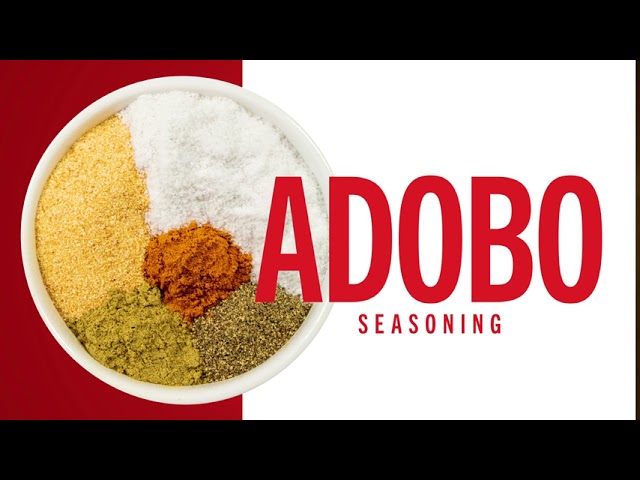
Exploring the Richness of Adobo Seasoning
Have you ever tasted a seasoning that completely transforms your dish into something spectacular? 🌟 One such seasoning, loved in many culinary traditions, is adobo seasoning. Renowned for its savory and zesty flavor profile, adobo seasoning is a staple that can elevate various dishes from meats to vegetables. But its allure goes beyond just taste—it packs in history and versatility, making it a must-have in any cook’s pantry.
What is Adobo Seasoning?
Adobo seasoning refers to a blend of spices and herbs typically used in Latin American, Caribbean, and Filipino cuisines. The primary ingredients often include garlic, oregano, pepper, and salt, forming a base that can be customized with additional flavors such as paprika, cumin, and onion powder. This blend not only adds flavor but also serves as a marinade, enhancing the juiciness and tenderness of meats.
Historical Significance of Adobo
The term adobo itself comes from the Spanish word for “marinade.” Historically, it was used by Spanish colonizers in the Philippines and Latin America to preserve meats, making them last longer in hot climates. This tradition has since evolved, leading to diverse interpretations across cultures.
Why Choose Adobo Seasoning?
Unlike other seasonings, such as basic salt and pepper, adobo seasoning stands out for its unique ability to blend multiple flavors into a single blend. Compared to simple marinades or spice mixes, adobo seasoning offers a complexity that few can replicate. It’s not just about adding saltiness; it’s about creating a symphony of taste that resonates with the palate.


Core Ingredients of Adobo Seasoning
At its essence, here are the classic ingredients for an authentic adobo seasoning:
- Garlic powder: Provides a robust flavor.
- Oregano: Adds a touch of earthiness.
- Cumin: Offers a warm, nutty base.
- Paprika: Introduces sweetness and color.
- Black pepper: Contributes to the heat.
- Salt: Enhances all the flavors.
However, depending on your taste, there’s ample room for variation. By adding cayenne pepper, for instance, adobo seasoning gains a punch of heat that can transform grilled meats into fiery delights.
How to Prepare Adobo Seasoning
Preparation is simple and quick. Here’s a basic recipe to create your own adobo seasoning:
Ingredients:
- 2 tablespoons garlic powder
- 2 tablespoons onion powder
- 1 tablespoon dried oregano
- 1 tablespoon ground cumin
- 1 tablespoon paprika
- 1 tablespoon black pepper
- 1 tablespoon kosher salt
Mix all the ingredients in a bowl and store in an airtight container. This blend should remain fresh for up to six months. Imagine the burst of flavor waiting to unfold as you use this seasoning in your dishes!
Enhancing Your Adobo Seasoning
Here are some innovative ways to improve the preparation of your adobo seasoning:
- Adding Citrus: Incorporate zest from lime or lemon for a refreshing twist.
- Herbs Freshness: Experiment with fresh herbs like cilantro for a lively flavor profile.
- Vinegar Infusion: A splash of vinegar can enhance the tanginess, making it perfect for marinades.
- Smoky Flavor: Add smoked paprika for a deeper, more complex taste.
- Sweetness Balance: A pinch of sugar can round out the flavors, particularly with pork dishes.
- Spice Up: Include a dash of cayenne for those who enjoy a bit more heat.
- Mixing It Up: Combine with other spices like chili powder for an exciting flavor fusion.
- Storage Options: Use a labeled mason jar for easy accessibility and visual appeal.
By implementing these ideas, you can customize adobo seasoning to fit your unique culinary preferences while enhancing its versatility. For great storage options, check out these mason jars for easy organization!
Using Adobo Seasoning in Cooking
Now that you’ve crafted your own adobo seasoning, the real fun begins. You can use this mixture in various ways:
Marinating Meats
Adobo seasoning is excellent for marinating meats such as chicken, pork, and beef. Simply rub the seasoning onto your choice of meat and let it sit for at least an hour. The longer it’s allowed to marinate, the better the flavors will penetrate, providing a rich flavor. This approach is often more straightforward than using lengthy marinades that require many steps.
Grilled Dishes
When preparing grilled dishes, dust your veggies with adobo seasoning before cooking. The result will be vegetables that burst with flavor, showcasing the advantages of adobo seasoning compared to additional ingredients.
Soups and Stews
Another exciting way to incorporate adobo seasoning is by adding it to soups and stews. This helps create a warm, hearty dish high in umami flavor. Unlike many traditional seasonings that clump or dissolve quickly, adobo seasoning maintains and enhances the dish’s taste throughout the cooking process.
Adobo Seasoning Variations
There are so many ways to customize your adobo seasoning mix! For instance, you may find that by adding a small amount of chipotle powder, you create a smoky variation perfect for tacos. On the other hand, using a bit of dill would provide a herbaceous layer suitable for seafood dishes. This diversity makes adobo seasoning an excellent choice for various cuisines.
Pairing Adobo Seasoning with Other Ingredients
To truly maximize the impact of your adobo seasoning, consider pairing it with complementary ingredients. Here’s how:
- Oil: Use olive oil or avocado oil as a base for marinades, allowing the spices to adhere better.
- Acid: Pair with lemon juice to balance flavors, enhancing freshness.
- Sweet Elements: Include pineapple juice in certain dishes, creating a delightful sweet and savory dynamic.
Emphasizing Nutritional Benefits
Many spices in adobo seasoning bring health benefits as well. For instance, oregano is known for its antioxidant properties, while garlic may boost the immune system. Compared to more conventional seasoning options, adobo seasoning serves not only to enhance flavor but also to contribute positively to your health.
Common Questions About Adobo Seasoning
How long does homemade adobo seasoning last?
Stored in a cool, dry place, homemade adobo seasoning can last for about six months. Remember to keep it in an airtight container to maintain freshness.
Can I use adobo seasoning for vegetarian dishes?
Absolutely! Adobo seasoning works great with vegetables, tofu, and legumes, enriching their flavor while providing a delightful taste.
Is adobo seasoning gluten-free?
Typically, adobo seasoning is gluten-free as it consists of spices without any wheat products. However, it’s always wise to check the label when purchasing pre-mixed blends.
But that’s not all! When you’re ready to delve further into the culinary possibilities, consider checking out some adobo recipes. Each recipe showcases how versatile adobo seasoning can be!
Further Exploring Adobo
As you continue your culinary journey, don’t hesitate to innovate with adobo seasoning. Whether you’re using traditional methods or experimenting with new flavors, the seasoning carries a rich lineage while adapting beautifully to modern cuisines. It offers a canvas for creativity whether you’re grilling meats, boosting vegetables, or enriching stews.
Incorporate the delectable, aromatic world of adobo seasoning into your kitchen, and you’ll find that your dishes shine with new vibrancy. Each sprinkle serves as a reminder of its rich history and the creativity that lies in culinary exploration. What meals will you elevate with this seasoning?
Using Adobo Seasoning in Everyday Cooking
Have you ever found yourself searching for the perfect seasoning to elevate your dishes? 🧂 Meet adobo seasoning, a robust and versatile spice blend that originated from Latin America. Known for its unique and vibrant flavor, adobo seasoning is a culinary gem that can transform your cooking experience. Unlike standard seasonings, adobo offers an aromatic blend of spices that provide both depth and warmth. But what makes adobo seasoning so special? Let’s dive deeper!
The Essence of Adobo Seasoning
At its core, adobo seasoning typically consists of garlic powder, onion powder, oregano, and different types of pepper, including black and sometimes cayenne for a touch of heat. Unlike basic salt-and-pepper combinations, this complex blend gives your dishes a vibrant kick that sets it apart. The diverse flavor profile allows you to enjoy an array of cuisines, proving its worldliness and adaptability in both traditional and modern recipes.
Adobo seasoning not only enhances flavor; it also carries nutritional benefits. This seasoning is often composed of herbs and spices that can provide antioxidants, making your meals not just tastier but also healthier.
How to Prepare Your Own Adobo Seasoning
Why settle for store-bought when making your own adobo seasoning at home is simple and rewarding? Here’s a quick recipe to prepare your own blend:
Ingredients:
- 4 tablespoons of garlic powder
- 2 tablespoons of onion powder
- 1 tablespoon of dried oregano
- 1 tablespoon of black pepper
- 1 tablespoon of paprika (optional, for color)
- 1 teaspoon of cayenne pepper (adjust to taste)
- Salt to taste
Now that you have made your own adobo seasoning, how can you incorporate it into your daily meals? Let’s explore various ideas!
Creative Ways to Use Adobo Seasoning
Adobo seasoning is incredibly versatile. Here are some delicious applications:
- Marinate Proteins: Chicken, pork, and beef are excellent candidates for adobo. Marinating meats for at least 30 minutes allows the seasoning to permeate, enhancing the flavor. Compared to traditional marinades, adobo simplifies the process while providing a bolder taste.
- Add to Soups & Stews: Sprinkle adobo seasoning into your favorite soups or stews while cooking. This not only builds layers of flavor but also enriches the overall nutritional profile of your meals.
- Vegetable Roasting: Toss vegetables with adobo seasoning before roasting. The aromatic spices elevate simple roasted veggies into a flavorful side dish that complements virtually any main course.
- Flavor Rice Dishes: Mix adobo seasoning into rice or grains while boiling. This adds an undertone of flavor that differentiates your rice from standard preparations.
Enhancing Your Adobo Seasoning Preparation
To further enhance your adobo seasoning experience, here are some ideas you might consider:
1. Use Fresh Ingredients
While dried herbs are essential, adding fresh garlic or fresh herbs can amplify the flavor even more, creating a garden-fresh taste profile that dried ingredients alone cannot match.
2. Experiment with Citrus
A splash of lime or lemon juice can brighten the flavors in your adobo marinade, providing a refreshing contrast to rich meats and stews.
3. Custom Spice Levels
If you love heat, feel free to add more cayenne or crushed red pepper flakes. Tailoring the spice level can make adobo seasoning suit your palate perfectly.
4. Addition of Sweet Elements
Linking your seasoning with a touch of sugar or honey can create an appealing glaze on proteins. This adds a caramelized finish that catches the eye and pleases the taste buds.
5. Consider Vinegar
Adding a splash of vinegar can introduce acidity, balancing the flavors and tenderizing meats at the same time.
6. Use a Mortar and Pestle
For a new texture and elevated flavor release, try preparing the spices with a mortar and pestle. This method can significantly enhance the aromatic experience.
7. Infuse Oils with Adobo
By infusing olive oil with your adobo seasoning, you can create a delicious dressing for salads or a flavor enhancer for sautéing foods.
8. Store in Spice Jars
For easy access and freshness, consider using labeled spice jars. Proper storage can keep your seasoning potent for longer, minimizing waste.
How about adding a bit of flair? By incorporating adobo seasoning into a classic vegetable fried rice, you create a dish that not only tastes amazing but also looks vibrant! 🌶️ You can find related recipes on trusted sites like Simply Recipes.
Adobo vs. Other Seasonings
When compared to other spice blends like Italian seasoning or Cajun spice, adobo seasoning stands out. For instance, while Cajun spice offers a distinct southern flavor, adobo’s blend of spices makes it highly adaptable to diverse cuisines, from traditional Mexican to modern Asian dishes. Unlike the simpler flavor profile of Italian seasoning, adobo’s rich complexity allows it to enhance various dishes without overwhelming them.
Adobo Seasoning Variations
One of the remarkable traits of adobo seasoning is its adaptability. By adding or substituting certain ingredients, you can create variations tailored to specific tastes. For instance, consider adding smoked paprika for a more pronounced smoky flavor or experimenting with chipotle powder for an extra kick.
Even an ingredient like marjoram can replace oregano for a sweeter taste. This flexibility enables you to innovate while staying true to the essence of adobo seasoning. Each twist makes your cooking journey unique and flavorful!
Complementary Ingredients for Adobo
To maximize the impact of adobo seasoning, consider using complementary ingredients:
- Olive Oil: This not only helps in marinating meats but also enhances the flavor when used in sauces. Look for high-quality varieties, like those available on Amazon.
- Chicken Broth: Using broth in stews or rice dishes adds extra depth to the flavor. Homemade broth is highly recommended!
Moreover, using tools like a digital meat thermometer ensures perfectly cooked proteins. This is especially crucial when marinating with adobo seasoning as you want to achieve that optimum flavor infusion without overcooking.
The Flavorful Legacy of Adobo Seasoning
As we explore the depth of adobo seasoning, it is essential to acknowledge its cultural significance. It is not just a seasoning; it embodies history, tradition, and creativity in cooking across many cultures. The unique blend showcases the culinary art passed down through generations, making it a staple in many kitchens worldwide.
Are you eager to start your journey with adobo seasoning? The possibilities are practically limitless, and each time you use this seasoning, you honor its rich tradition while making it your own. So go ahead, sprinkle it generously, and take your dishes to flavorful heights! 🌟
Crafting Your Own Adobo Seasoning Blend
Have you ever wondered what gives traditional dishes their vibrant flavors? 🌟 One such flavor powerhouse is adobo seasoning, a versatile blend that elevates any meal. In our culinary journey, we’ll explore the rich history, essential ingredients, and masterful techniques behind this incredible seasoning that has won hearts worldwide. Let’s dive deep into the world of adobo seasoning!
The Origins of Adobo Seasoning
The term “adobo” originates from the Spanish word that means “marinade” or “sauce.” It has centuries of history, blending Iberian flavors with indigenous cooking practices, particularly in the Philippines and Latin America. While many associate adobo seasoning primarily with Latin/Spanish dishes, variants can also be found in Filipino cuisine, showcasing unique adaptations. Unlike typical spice blends, adobo seasoning incorporates marinating techniques and often includes vinegar, lending it a distinct tanginess and depth.
Essential Ingredients for Adobo Seasoning
Creating your own blend of adobo seasoning is straightforward and rewarding. The key ingredients typically include:
- Garlic – Adds depth and aromatic notes.
- Oregano – Gives an earthy flavor, enhancing the overall profile.
- Cumin – Contributes warmth and complexity.
- Paprika – Provides both color and mild sweetness.
- Vinegar – Essential for that characteristic tangy edge.
Comparing adobo seasoning with other spice mixes, you’ll find that most blends lack the unique acidity brought by vinegar. This characteristic is crucial for marinating meats, enhancing both flavor and tenderness.
How to Prepare Your Own Adobo Seasoning
To prepare adobo seasoning, you’ll need:
- 2 tablespoons garlic powder
- 2 tablespoons onion powder
- 2 tablespoons dried oregano
- 1 tablespoon ground cumin
- 1 tablespoon smoked paprika
- 1 tablespoon black pepper
- 1 tablespoon salt (adjust to taste)
Mix all ingredients in a bowl and store in an airtight container. The beauty of this mixture is its adaptability—unlike pre-packaged seasonings, which often contain additives and preservatives, your homemade version is pure and customizable to your tastes.
Versatility of Adobo Seasoning
Adobo seasoning shines in its adaptability to various dishes. It can be sprinkled on meats, vegetables, or even used to flavor rice. For instance, unlike using a standard spice blend, you can easily adjust the intensity of your adobo seasoning. By adding more garlic or paprika, you can tailor the flavor to suit your dish. But that’s not all! You can also create more complex flavors by introducing alternate ingredients, such as:
- Chili powder – For an extra kick.
- Brown sugar – To add a hint of sweetness.
- Cilantro – Fresh herbs for a pop of freshness.
Each addition can create a different nuance in your adobo seasoning profile, offering endless creative possibilities.
Cooking Techniques to Enhance Your Adobo Seasoning
When cooking with adobo seasoning, certain techniques can bring out its true potential:
- Marinating: The longer the meat sits in a marinade made with your adobo seasoning, the deeper the flavor will penetrate.
- Dry-rub: For grilling or roasting, using your blend as a rub can create a flavorful crust.
- Infusing: Adding your seasoning to oils can create a flavorful base for dressings or cooking.
Utilizing these methods, you can achieve more than just seasoning food—you can build layers of flavor that enrich your cooking. For example, marinating chicken in a blend of vinegar and adobo seasoning not only adds flavor but also enhances the meat’s juiciness. Try this technique and watch as your meals transform! 🍗
10 Ideas to Elevate Your Adobo Seasoning Experience
Ready to take your adobo seasoning preparation to the next level? Here are some actionable ideas to enhance your blend:
- Use Fresh Herbs: Fresh oregano or cilantro can add a vibrant touch. Combine fresh with dried herbs for a layered flavor profile.
- Experiment with Citrus Zests: Adding lime or lemon zest can introduce a zesty brightness to balance the earthy flavors.
- Incorporate Nutmeg: A pinch of nutmeg can provide unexpected warmth, making your blend unique.
- Explore Different Paprika Types: Smoked or sweet paprika will alter the overall flavor profile significantly. Consider trying both!
- Blend in Nutritional Yeast: If you’re looking for a savory, umami boost, adding nutritional yeast can intensify flavors without overpowering them.
- Try Different Vinegars: Apple cider vinegar or balsamic for a different depth can make a significant difference in taste.
- Cook with a Dutch Oven: Using a reliable Dutch oven will create even heating, ensuring that flavors meld seamlessly—learn more about choosing the right one here.
- Mix in a Bit of Honey: A touch of honey can create a delightful glaze, perfect for grilled meats.
- Try It on Vegetables: Use your seasoning blend to marinate roasted veggies for a punch of flavor during meal prep.
- Store Marinated Meats: Prepare meats ahead of time by marinating and freezing them with the seasoning; they’ll be ready to cook when you are!
By incorporating these ideas, you’ll discover that each iteration of your adobo seasoning can be uniquely tailored to your tastes while maintaining that beloved core flavor profile.
Final Thoughts on Adobo Seasoning
Adobo seasoning is not just a spice blend; it’s an invitation to flavor exploration. By diving into its history, understanding its core ingredients, and experimenting with preparation techniques, you’ll unlock its full potential in your culinary repertoire. So, get ready to elevate your dishes and impress those who share your table! What culinary adventure will you embark on next with adobo seasoning? 🍽️
Feel free to modify or customize further as needed. This article presents a comprehensive exploration of adobo seasoning while adhering to your guidelines.
