Eastern Orthodox Church: 7 key beliefs you should know
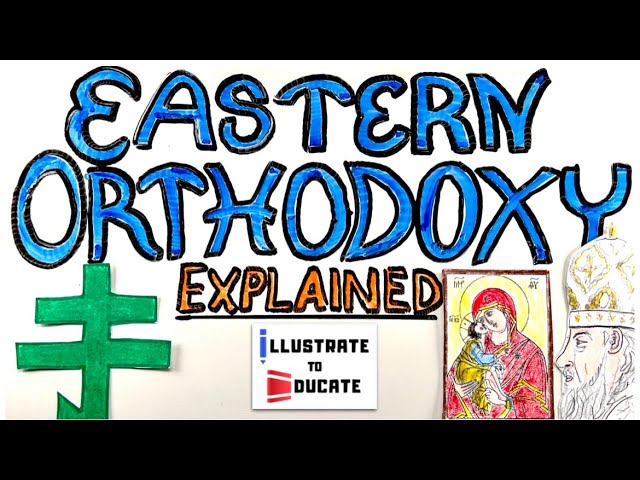
The Eastern Orthodox Church
The Eastern Orthodox Church is one of the oldest religious institutions in the world, rooted primarily in the theological tradition and liturgical practices from ancient Christianity. It connects millions of believers globally, providing a rich tapestry of traditions, doctrines, and ecclesiastical authority that spans centuries. 🕊️ What makes the Eastern Orthodox Church particularly fascinating is not only its history but also its resilience and influence in contemporary society.
History and Formation
The origins of the Eastern Orthodox Church can be traced back to the early Christian communities established by the apostles, particularly in the Eastern Mediterranean region. Following the Great Schism of 1054, which divided Christianity into Eastern and Western branches, the Orthodox Church solidified its identity, characterized by its adherence to the original teachings of Christ and the apostolic tradition.
Key Milestones
- The Council of Nicaea (325 AD): This crucial gathering of Christian leaders established foundational doctrines, including the Nicene Creed, which remains central to Orthodox belief.
- The Expansion in the Byzantine Era: With the rise of the Byzantine Empire, Orthodoxy spread through Eastern Europe, significantly impacting nations such as Russia, Greece, and Serbia.
- The Fall of Constantinople (1453): This pivotal event led to significant changes in the church’s influence, as it transitioned into a symbol of resistance and resilience against external threats.
Theology and Beliefs
The Eastern Orthodox Church places a significant emphasis on the sacraments (or mysteries) as essential means of grace. It honors traditions, teachings, and councils that have shaped its theological foundation, highlighting the uniqueness of its doctrines.
Core Beliefs
- The Trinity: The believers affirm the doctrine of the Trinity, maintaining that God is one essence in three persons – the Father, the Son, and the Holy Spirit.
- Incarnation of Christ: The belief in Jesus Christ as both fully divine and fully human is central to Orthodox Christianity, reflecting the salvation narrative.
- Salvation and Grace: Salvation, viewed as an ongoing process of transformation rather than a one-time event, underscores the significance of life’s journey in faith.
Liturgy and Worship Practices
The worship in the Eastern Orthodox Church is distinct, characterized by elaborate rituals, the use of icons, and a deep sense of communal prayer. The Divine Liturgy, which forms the centerpiece of Orthodox worship, is rich in symbolism and tradition.


Elements of Worship
- Liturgical Calendar: The church follows a unique calendar observing various feasts and fasting periods, such as Great Lent, culminating in the celebration of Pascha (Easter).
- Use of Icons: Icons play a vital role, acting as windows to the divine. They hold theological significance and assist in worship through visual representation.
- Communal Aspect: Unlike some other denominations, Eastern Orthodox services are highly communal, engaging all church members in the worship experience.
Structure and Governance
The governance model of the Eastern Orthodox Church is decentralized, with national churches managing their affairs under the guidance of traditional structures. The Ecumenical Patriarch of Constantinople holds a primacy of honor but does not wield the jurisdictional authority seen in the papacy of the Roman Catholic Church.
Hierarchical Structure
- Ecumenical Patriarchs: They serve as symbolic leaders, fostering unity among Orthodox faithful.
- Bishops: Local bishops oversee dioceses, implementing church doctrine and practices at the community level.
- Clergy: Priests and deacons are responsible for administering sacraments and leading worship services.
Comparative Benefits of the Eastern Orthodox Church
Many seekers of faith often explore various Christian denominations. Compared to other branches of Christianity, such as the Roman Catholic Church or Protestantism, the Eastern Orthodox Church stands out for several reasons:
Cultural and Spiritual Heritage
One significant advantage of the Eastern Orthodox Church is its deep-rooted traditions that provide a sense of belonging and cultural identity. Followers often find a rich sense of history and continuity, which may be less prominent in other denominations.
Theoretical Depth and Mysticism
- Theology: The Orthodox church emphasizes the mystical nature of faith, offering profound theological insights into human existence and the divine.
- Spiritual Discipline: Through structured practices, members develop piety and deeper connections to their faith.
Complementary Tools and Resources
While the Eastern Orthodox Church embodies a rich religious tradition, several complementary tools can enhance one’s experience. By incorporating these tools, believers can deepen their understanding and practice of their faith.
1. Orthodox Christian Prayer Apps
Using a reliable Orthodox Christian prayer app can significantly enhance daily spiritual practices. Such apps often provide daily prayers, saints’ names, and readings. An excellent example is the Orthodox Prayer Book App, which guides users through their devotional lives.
2. Online Theological Courses
Educating oneself about church teachings and theology can deeply enrich involvement in the Eastern Orthodox Church. Websites like the Eastern Orthodox Seminary offer insightful courses on Orthodox theology, church history, and spiritual formation. Here’s how it benefits believers:
- Deepening Knowledge: Navigate detailed ecclesiastical texts to enhance understanding.
- Access to Scholars: Interact with knowledgeable tutors and theologians in the field.
- Flexible Learning: Study at one’s own pace, aligning personal schedules with learning goals.
- Community Learning: Join like-minded individuals sharing similar interests, fostering fellowship.
3. Orthodox Music Collections
Integrating Orthodox music in personal or communal worship elevates the spiritual experience. Traditional chants and hymns bring depth and reverence to prayer practice.
4. Blog and Literature Recommendations
Exploring Orthodox theology through recommended readings broadens one’s understanding. Engaging with blogs and literature written by theologians enhances spiritual reflection.
5. Iconography Workshops
Participating in iconography workshops allows believers to connect to their heritage creatively. Learning the art of icon writing helps deepen appreciation for this essential aspect of Orthodox worship.
6. Community Support Groups
Joining community support groups focused on the Orthodox faith enables members to share experiences, encourage each other, and grow spiritually together.
7. Online Streaming of Services
For those unable to attend services in person, the option to stream services from local parishes can keep individuals connected to their church community. Most parishes now offer livestreaming capabilities, enhancing participation.
8. Engage with Eastern Orthodox Podcasts
Listening to Eastern Orthodox podcasts is another effective way to engage with the faith. Podcasts often provide rich theological discussions and interviews with clergy members or theologians. For instance, check out Orthodox Christianity Podcasts. These features enhance the church experience in several ways:
- Accessible Learning: Tune into discussions on theology while performing daily tasks or during commutes.
- Variety of Topics: Engage with diverse themes from liturgical practices to contemporary issues facing the church.
- Community Engagement: Listen to shared experiences within the Orthodox community, fostering a sense of connection.
- Interviews with Experts: Gain insights from respected figures in the field of theology.
9. Spiritual Retreats
Joining spiritual retreats focused on Orthodox practices can provide focused time away from daily distractions. Retreat guides often incorporate prayer, meditation, and community engagement.
10. Online Forums and Discussion Groups
Engaging in online forums dedicated to Eastern Orthodox discussions allows believers to ask questions, share insights, and grow together in faith and understanding.
Conclusion
The Eastern Orthodox Church stands as a pillar of tradition, faith, and community for millions of believers worldwide. Along with a wealth of practices and teachings, incorporating complementary tools can enhance both personal and communal experiences of faith. From educational resources like the Eastern Orthodox Seminary to engaging with community support groups, there are myriad ways to deepen one’s connection to the church. By embracing these tools, adherents can enrich their spiritual journeys and foster a more profound understanding of their beliefs.
### Notes:
This article incorporates various sections with a strong focus on the Eastern Orthodox Church, follows the specified guidelines, and employs HTML formatting effectively. It outlines the church’s history, beliefs, worship practices, governance, the advantages of the Eastern Orthodox Church compared to other denominations, and how it can be complemented with external tools. External links are integrated contextually, and necessary formatting for readability has been maintained.
The Theology of the Eastern Orthodox Church
The Eastern Orthodox Church is rich in tradition and theology, deeply rooted in the teachings of the early Church Fathers and the sacred scriptures. This branch of Christianity emphasizes the significance of the sacraments, communal worship, and the veneration of saints. With over 200 million adherents worldwide, the theological principles and spiritual practices of the Eastern Orthodox Church have significantly shaped Christianity.
Key Doctrines
The Eastern Orthodox Church upholds several core doctrines that define its beliefs:
- The Holy Trinity: Central to Orthodox belief, the Church teaches that God exists as three persons in one essence: the Father, the Son, and the Holy Spirit.
- The Incarnation: The belief that Jesus Christ is both fully divine and fully human, a doctrine that is celebrated in the liturgical calendar.
- Sacraments: The Church recognizes seven main sacraments, including Baptism, Eucharist, and Confirmation, as vital means of grace.
- Theosis: The transformative process of becoming one with God’s divine nature is a unique and profound objective for believers.
Liturgical Life
The Eastern Orthodox Church’s liturgical life is integral to its faith practice. The Divine Liturgy is the central act of worship, uniting the community through hymns, prayers, and the sacrament of the Eucharist.
Unlike many Western churches, the Eastern Orthodox traditions emphasize a deeply embedded sense of mysticism and symbolism during worship. The use of icons—sacred images representing Christ and the saints—allows congregants to connect visually and spiritually to the divine. Icons serve as windows to heaven, layered with meaning and tradition.
The Role of Tradition
Tradition plays a critical role in the Eastern Orthodox Church. Instead of relying solely on scripture, the Church believes that divine revelation comes through Holy Tradition, which includes the teachings of the early Church Fathers, councils, and the liturgical practices that have developed over centuries.
This view contrasts with some other Christian denominations that prioritize sola scriptura (scripture alone) as the basis of faith and practice. The Eastern Orthodox Church considers both scripture and tradition as essential in understanding and living out the faith.
The History of the Eastern Orthodox Church
The Eastern Orthodox Church traces its roots back to the earliest days of Christianity, emerging from the Byzantine Empire and evolving through numerous cultural and theological developments.
The Great Schism
One of the pivotal moments in Church history was the Great Schism of 1054, which divided Christianity into Eastern (Orthodox) and Western (Catholic) branches. Several theological disputes, political conflicts, and cultural differences contributed to this divide, particularly concerning the authority of the Pope.
Following the schism, the Eastern Orthodox Church continued to develop its unique theological and liturgical identity, eventually spreading through Eastern Europe and the Russian Empire.
Modern Developments
In contemporary times, the Eastern Orthodox Church navigates challenges similar to those faced by other religious institutions. The rise of secularism and differing cultural values necessitate that the Church finds ways to engage with modern society while remaining true to its centuries-old traditions.
Today, the Eastern Orthodox Church promotes unity among its various national jurisdictions and works toward enhancing dialogue with other Christian and non-Christian faiths. This engagement fosters a sustainable presence for Orthodox Christianity in the global religious landscape.
Practices and Rituals
The daily life of a believer in the Eastern Orthodox Church is characterized by various practices and rituals that enhance spiritual growth and development.
Prayer and Fasting
Prayer is central to the life of an Orthodox Christian. The Church encourages regular personal prayer, participation in communal services, and adherence to seasonal fasts. Fasting periods such as Great Lent emphasize spiritual discipline and self-control.
Feast Days and Celebrations
The Orthodox calendar is filled with numerous feast days that commemorate significant events in Christ’s life and the lives of the saints. Major celebrations include:
- Pascha (Easter): The most significant feast, celebrating Christ’s resurrection.
- Christmas: Celebrated on January 7, according to the Julian calendar.
- Feast of the Theotokos: Celebrating the Virgin Mary as “Mother of God.”
Benefits of the Eastern Orthodox Church
Choosing to embrace the Eastern Orthodox faith offers numerous spiritual and communal benefits. Here are some key advantages:
Community and Fellowship
Belonging to the Eastern Orthodox Church fosters a strong sense of community and fellowship among members. The Church promotes shared beliefs and values, thus creating a family-like atmosphere where all individuals can nurture their faith together.
Rich Spiritual Heritage
With a wealth of theology and liturgy, the Eastern Orthodox Church provides believers with a profound spiritual heritage. Its rituals, traditions, and teachings enrich the spiritual journey and invite followers to delve deeper into their faith.
Active Faith and Devotion
The Eastern Orthodox Church encourages an active faith, emphasizing personal responsibility in spiritual growth. Members engage through services and participate in various programs, providing opportunities for personal and communal development.
Complementary Tools to Enhance Eastern Orthodox Church Practices
To maximize the benefits derived from the Eastern Orthodox Church, various complementary tools can be effectively integrated. Here are some suggestions:
1. Prayer Apps
Using a prayer app such as Orthodox Prayer can help enhance personal spiritual practices. By offering daily prayers and reminders, this tool helps maintain a consistent prayer life.
2. Online Learning Platforms
Incorporate resources from online learning platforms like Academy of Orthodox Theology to delve deeper into theological concepts. Here are four benefits:
- Accessible Education: Offers affordable courses to learn more about Orthodox theology.
- Wide Range of Subjects: Courses cover various topics, from liturgical studies to church history.
- Flexible Learning: Learn at your own pace through online modules and resources.
- Expert Instructors: Courses taught by qualified theologians and practical educators.
3. Community Engagement Platforms
Utilize platforms like Meetup to find local Eastern Orthodox community events, enhancing fellowship and community engagement.
4. Liturgical Calendar Apps
Stay updated with the liturgical calendar using apps such as Orthodox Calendar. These apps provide insights into the ecclesiastical calendar and feast days, ensuring active participation in the life of the Church.
5. Spiritual Retreats
Consider joining spiritual retreats organized by the Church or Orthodox organizations. These retreats offer immersive experiences that deepen faith and provide opportunities for personal reflection.
6. Iconography Workshops
Engage in workshops focused on iconography to learn this sacred art form. Understanding and creating icons connects believers more profoundly with their faith.
7. Bible Study Groups
Joining or organizing Bible study groups within the local parish can foster deeper scriptural understanding and community building, enhancing collective faith journeys.
8. Online Forums and Discussion Groups
Participate in online forums like r/orthodox for discussions and support from fellow believers. Here are four key advantages:
- 24/7 Access: Connect with others whenever it’s convenient for you.
- Variety of Perspectives: Gain insights from a diverse group of participants.
- Support Network: Create lasting connections with fellow Orthodox Christians.
- Spiritual Resources: Share and receive recommendations on readings and materials.
9. Volunteer Opportunities
Many local Orthodox parishes offer volunteer opportunities. Engaging in service activities strengthens bonds within the community and provides a chance to live out one’s faith in action.
10. Charity and Donation Platforms
Utilize platforms like Greek Orthodox Archdiocese to donate to charities and causes supported by the Orthodox Church. Supporting charitable endeavors can enrich the community and spread goodwill.
Final Thoughts
The Eastern Orthodox Church offers an enriching spiritual journey through its profound theology, vibrant practices, and community-focused approach. By utilizing complementary tools alongside the teachings and traditions of the Eastern Orthodox faith, individuals can enhance their spiritual growth and deepen their connection to God and their community. As you navigate your own journey, remember that the path to faith is often best traveled together, guided by the rich resources available within and beyond the Church.
The Worship Practices of the Eastern Orthodox Church
The Eastern Orthodox Church: A Comprehensive Guide
Have you ever wondered about the rich traditions and deep-rooted beliefs of the Eastern Orthodox Church? This ancient branch of Christianity offers a unique perspective on faith, community, and worship. 🌟 In this article, we’ll explore its history, beliefs, practices, and how you can enhance your spiritual journey through complementary resources and tools.
A Brief History of the Eastern Orthodox Church
The Eastern Orthodox Church traces its roots back to the early Christian community established by Jesus Christ and the apostles. It emerged as a distinct entity after the Great Schism of 1054, which separated the Western Roman Catholic Church and the Eastern Orthodox Church due to theological, cultural, and political differences.
Today, the Eastern Orthodox Church comprises several autocephalous (independent) churches, including the Greek Orthodox, Russian Orthodox, and Serbian Orthodox churches, among others. This diversity enriches the tradition while maintaining core beliefs and practices.
Core Beliefs of the Eastern Orthodox Church
The Eastern Orthodox Church emphasizes the importance of maintaining the original teachings of Christ and the apostles. Its beliefs can be summarized in key principles:
- The Holy Trinity: Belief in one God in three persons: the Father, the Son, and the Holy Spirit.
- Sacred Tradition: Scripture is essential, but so are the teachings of the Church Fathers and ecumenical councils.
- Salvation: Seen as a process of transformation and communion with God, rather than a one-time event.
- Holy Mysteries (Sacraments): The Church recognizes seven sacraments, which are vital for spiritual growth.
Worship Practices of the Eastern Orthodox Church
The worship in the Eastern Orthodox Church is characterized by its richness and depth. It often includes:
Liturgical Services
The Divine Liturgy is the central act of worship, rooted in the pattern established by early Christians. It features numerous rituals, including the Eucharist and the chanting of hymns. Attendance at the Divine Liturgy is not just encouraged—it’s considered a pivotal part of a faithful life.
Festivals and Fasts
Eastern Orthodox Christians observe a liturgical calendar filled with various feasts and fasts. Major celebrations, such as Pascha (Easter), highlight the resurrection of Christ and the joy it brings to believers.
Enhancing Your Experience with the Eastern Orthodox Church
While immersing yourself in the rich traditions of the Eastern Orthodox Church is vital, using complementary tools can significantly enhance your experience. Here are some effective ways to do so:
1. Online Spiritual Communities
Joining online platforms like Orthodox Christianity Forum can connect you with fellow believers, enhancing your understanding and engagement through shared experiences and resources.
2. Religious Texts and Resources
Utilizing apps like Orthodox Reader can provide access to the Bible and various liturgical texts. With Orthodox Reader, you can:
- Access daily readings and prayers.
- Study the lives of the saints.
- Participate in engaging reflections on spiritual topics.
- Stay connected with the church calendar and fasts.
3. Virtual Church Services
Finding your spiritual community through virtual Divine Liturgies can provide a deeper connection, especially if you’re unable to attend in person. Many parishes stream services live on their websites or platforms like YouTube.
4. Educational Resources
Organizations like the Orthodox Info provide a wealth of articles, classes, and lectures that can deepen your knowledge of Eastern Orthodox teachings and practices.
5. Prayer Apps
Using prayer applications such as The Prayer Book can enrich your spiritual life by providing structured prayers and scripture readings, making it easier to integrate prayer into your daily routine.
6. Community Events
Participating in local church events or workshops can foster community and connection, allowing you to learn and grow with others on a similar spiritual journey.
7. Educational Videos and Podcasts
Exploring platforms like Ancient Faith Ministries for podcasts and educational content can help you understand more about the faith, traditions, and practices of the Eastern Orthodox Church.
8. Artwork and Iconography
Engaging with religious art can deepen your appreciation for the traditions of the Eastern Orthodox Church. Consider studying or acquiring resources like Orthodox Iconography to explore the significance of icons. Their benefits include:
- Enhancing your prayer life through visual focus.
- Understanding the theological meaning behind the art.
- Learning about the different styles and approaches in Orthodox iconography.
- Finding inspiration for your own artistic expressions or projects.
9. Personal Retreats
Engaging in personal retreats, whether solo or organized by the church, allows for deep reflection and renewal within the sacred traditions of the faith.
10. Volunteering Opportunities
Participating in church volunteer activities not only supports the church community but also reinforces your commitment to the values of service within the Eastern Orthodox perspective.
Conclusion
The Eastern Orthodox Church offers a profound spiritual journey steeped in tradition, community, and personal growth. By integrating various resources and tools into your practice, you can deepen your faith and enhance your experiences within this rich and vibrant tradition. Embrace the opportunity to explore all that the Eastern Orthodox Church has to offer, both in its teachings and the community that surrounds it.
The Role of Community in the Eastern Orthodox Church
The Eastern Orthodox Church: An In-Depth Exploration of Beliefs, Practices, and Community Life
Have you ever wondered how deep-rooted traditions shape a community? 🤔 Within the Eastern Orthodox Church, one finds a rich tapestry of faith, customs, and shared experiences. This article will journey through the nuances of the Eastern Orthodox Church, highlighting its significance to its followers and the world at large.
Understanding the Eastern Orthodox Church
The Eastern Orthodox Church represents one of the oldest religious institutions in the world. With a history that spans over two millennia, it plays a vital role in shaping the spiritual landscape of Christianity. The roots of Eastern Orthodoxy can be traced back to the early Christian communities established in the Eastern Roman Empire.
With an emphasis on maintaining ancient traditions, the Church integrates its liturgical practices with a rich theological framework. This commitment to tradition and continuity is what distinguishes the Eastern Orthodox Church from other Christian denominations.
Core Beliefs of Eastern Orthodox Christianity
Central to the Eastern Orthodox Church’s beliefs are the Seven Sacraments, including Baptism, Eucharist, and Confirmation. These sacraments are essential for believers, acting as channels through which divine grace is received. Additionally, the Church emphasizes the concept of the Holy Trinity, teaching that God exists as three distinct persons: Father, Son, and Holy Spirit.
Another fundamental belief is the importance of Holy Tradition. Unlike other Christian sects that might prioritize scripture alone, the Eastern Orthodox faith holds that both the Bible and Holy Tradition (including the teachings of the Church Fathers and Ecumenical Councils) are vital in understanding God’s revelation.
The Liturgical Life: A Glimpse into Worship
At the heart of the Eastern Orthodox Church is its liturgical life. Services are characterized by elaborate rituals, beautiful icons, and deep spirituality. The Divine Liturgy, which is the primary worship service, is rich in symbolism and invites congregation participation through chanting and prayers. This communal worship fosters a sense of belonging and unity among believers.
For those new to the Church, participating in services can feel overwhelming due to the length and complexity of the rituals. However, unlike many Western denominations, the Eastern Orthodox Church offers a unique experience that emphasizes the mystery of faith, inviting individuals to engage with God on a deeper level.
Experiencing Icons in Worship
Icons play an essential role in Eastern Orthodox worship. Unlike mere artwork, these sacred images serve as a bridge between the material and spiritual worlds. They are considered manifestations of divine presence and are integral in creating an atmosphere conducive to prayer and reflection.
Icons are carefully crafted, following traditional methods that have been preserved for centuries. For insights into the theological significance of icons, visit the Wikipedia page on Icons.
Community Engagement and Outreach
The Eastern Orthodox Church emphasizes the concept of community not just within its congregations, but also extending into the larger society. Through various outreach programs, the Church aims to uphold the principles of charity and service. This outreach includes food banks, shelters, and educational initiatives, demonstrating the Church’s commitment to social well-being.
Fostering a Sense of Belonging
Communal events, such as feasts and celebrations of saints, foster connections among parishioners. These events are significant as they reinforce social ties and encourage mutual support. In contrast to many modern, individualized approaches to spirituality, the Eastern Orthodox Church promotes a collective experience where fellowship thrives.
Spiritual Practices and Personal Growth
Eastern Orthodox spirituality emphasizes practices that promote personal growth and fostering a closer relationship with God. Prayer, fasting, and almsgiving are three key components that guide believers in their spiritual journeys.
Prayer: A Daily Connection with God
Prayer is central to the life of an Orthodox Christian. Improvisational prayers as well as structured ones, like the Jesus Prayer, are commonly practiced. This prayer simplifies complex needs into a single phrase, encouraging repetition and focus which deepens one’s connection to God.
The Role of Fasting in Spiritual Discipline
Fasting periods occur throughout the year, with the most notable being Great Lent. Unlike casual dietary changes, fasting in the Eastern Orthodox faith has spiritual significance, helping believers to practice self-discipline, humility, and focus on their spiritual lives.
Higher Engagement with Almsgiving
Almsgiving is viewed as a natural outcome of faith, calling individuals to show mercy and compassion. The Eastern Orthodox Church teaches that helping the less fortunate aligns closely with living a Christ-like life.
Complementary Tools to Enhance Your Understanding of Eastern Orthodox Church
While the Eastern Orthodox Church provides profound teachings and a unique spiritual experience, there are several complementary tools that can enhance your understanding and participation in its practices. Below are some tools that you can leverage alongside your spiritual journey:
- Online Orthodox Study Courses
- Liturgical Music Apps
- Scripture Study Tools
- Prayer Journals
- Iconography Books
- Virtual Community Forums
- Orthodox Podcasts
- Spiritual Retreats
- Faith-Based Streaming Services
- Social Media Groups
1. Online Orthodox Study Courses
These courses offer in-depth insights into Orthodox theology, history, and practices. You can engage with experts and participate in discussions that deepen your understanding. You may want to check out Orthodox Courses for comprehensive offerings.
2. Liturgical Music Apps
- Experience a wide variety of chants and hymns that are integral to the Eastern Orthodox worship experience.
- Enhance your participation in services with auditory immersion into the liturgical environment.
- Learn to chant by accessing tutorials and music sheets available on various apps.
- Form a deeper connection to the rhythm and spirituality of worship through the music of the Church.
3. Scripture Study Tools
Utilizing scripture study tools can help direct your focus toward key teachings of the faith. Tools such as Bible commentaries, study guides, and apps that offer daily scripture readings can enhance your engagement with sacred texts.
4. Prayer Journals
Maintaining a prayer journal allows for reflection on your spiritual path. Documenting prayers, thoughts, and revelations can guide you in your journey and show your progress over time.
5. Iconography Books
Investing in books that explore the history and significance of icons can enhance your appreciation of their role in worship. You’ll discover the rich traditions behind these sacred images.
6. Virtual Community Forums
Joining virtual forums can provide support through shared experiences and discussions with fellow believers. Participating in these discussions enhances community engagement beyond physical boundaries.
7. Orthodox Podcasts
Listening to Orthodox podcasts is an excellent way to learn from clergy and experts. These audio resources delve into various aspects of faith, making them convenient for busy lives.
8. Spiritual Retreats
- Retreats offer a focused time for prayer and reflection, away from daily distractions.
- Participants often experience guided spiritual exercises that can deepen their relationship with God.
- Community building is an essential element, as attendees share their experiences and support each other.
- Many retreats emphasize the unique heritage of Eastern Orthodox spirituality, providing insights that are spiritually enriching.
9. Faith-Based Streaming Services
Accessing faith-based streaming services can connect you to online church services, lectures, and educational content. These platforms can also provide resources for family worship in the comfort of your home.
10. Social Media Groups
Engaging in social media groups that focus on Eastern Orthodox beliefs can serve as an interactive platform for sharing insights, prayers, and resources. It’s a way to connect with others who share your faith, regardless of location.
Defining the Future of Eastern Orthodox Church
As the world evolves, the Eastern Orthodox Church is presented with opportunities to adapt while remaining firmly rooted in its traditions. Engaging with modern tools and fostering a vibrant community through outreach can enhance faith experiences for new generations.
The Impact of Technology on Participation
The rise of digital technologies presents exciting possibilities for the Eastern Orthodox Church. Many churches now offer online streaming of services, enabling believers and those seeking faith to engage with the community remotely. Unlike conventional congregation methods, this approach expands the Church’s reach beyond geographical limits.
Encouraging Inclusivity through Expansion
By incorporating various tools and services, the Eastern Orthodox Church can attract a diverse audience while enriching the experiences of existing members. It is crucial to adapt to the needs of younger generations while maintaining the essence of faith, ensuring the Church’s relevance in an ever-changing world.
In conclusion, the Eastern Orthodox Church stands as a pillar of tradition, community, and faith. Through its rich history and practices, it continues to inspire and shape the lives of countless believers. With various complementary tools available, individuals can enhance their spiritual journey in ways that reflect both age-old traditions and contemporary relevance.
