How did the Apostle Paul die? 5 intriguing facts revealed!

How Did the Apostle Paul Die?
Have you ever pondered the final moments of the Apostle Paul? 😇 His death, a significant event in early Christian history, offers insights into the life of one of Christianity’s most influential figures. In this article, we will explore the circumstances surrounding how did the Apostle Paul die, shedding light on historical accounts, interpretations, and the impact of his martyrdom on Christianity.
The Historical Context of Paul’s Death
To understand how did the Apostle Paul die, it is essential to place his life within the historical context of the early Christian church. Paul, previously known as Saul of Tarsus, was a Pharisee who converted to Christianity and became a leading proponent of the faith. His missionary journeys took him across the Roman Empire, where he preached the Gospel and established numerous churches.
Historical records suggest that Paul was imprisoned in Rome during the reign of Emperor Nero, around 65-68 AD. This period was notorious for Christian persecution, making it a pivotal time in the history of the church. According to tradition, Paul was executed shortly after his imprisonment, but various accounts detail differently how this event unfolded.
Traditional Accounts of Paul’s Execution
One of the most widely accepted traditions states that the Apostle Paul died by beheading. This form of execution was often reserved for Roman citizens, which Paul was. The earliest reference to this tradition comes from Christian writers in the 2nd century. Such accounts convey a sense of honor intertwined with the brutal reality of his martyrdom.
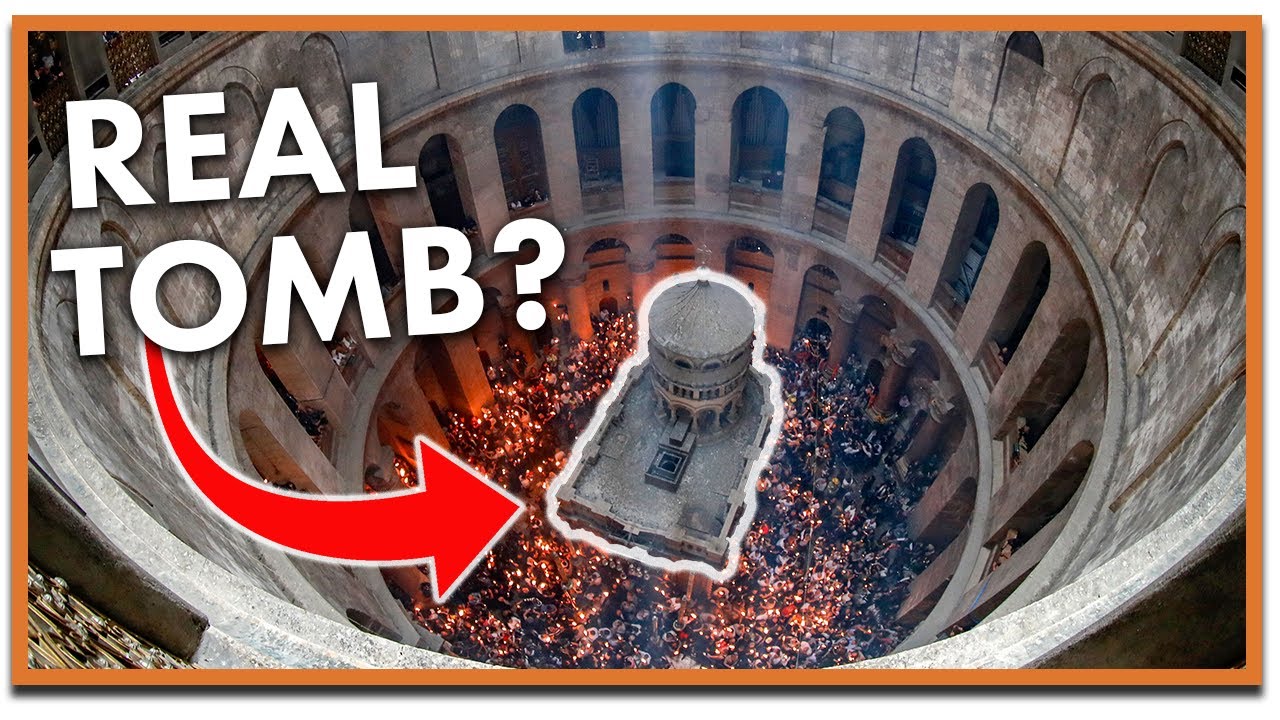

Furthermore, it is believed that Paul’s martyrdom occurred on the Ostian Way, a well-known road leading out of Rome. This location has become commemorated in the Christian tradition, where many visit to pay their respects. 📍
Alternative Theories Regarding Paul’s Death
While the beheading account is prevalent, some scholars propose alternative theories regarding how did the Apostle Paul die. Some suggest he may have died from natural causes, particularly after enduring hardships during his numerous imprisonments. However, this viewpoint lacks strong historical support and is largely dismissed by traditional accounts.
Another theory posits that Paul may have suffered a more torturous execution, reflecting the brutal treatment of Christians at the time. However, much of this suggests the need for caution regarding later interpretations that may embellish or romanticize his death.
Indirect Evidence from Early Christian Writings
Early Christian writings provide indirect evidence about how did the Apostle Paul die. For example, the letters attributed to Paul often reflect a tone of impending doom, suggesting he considered martyrdom a distinct possibility. In his letter to Timothy (2 Timothy 4:6-8), Paul speaks of his life being “poured out like a drink offering,” indicating his awareness that his death was near.
This type of writing not only adds depth to our understanding of his character but also reflects a consistent trend among early Christians who viewed martyrdom as the ultimate testament of faith. They often looked to the examples of figures like Paul for inspiration in facing persecution. 📖
Theological Implications of Paul’s Martyrdom
How did the Apostle Paul die carries profound theological significance within Christianity. His martyrdom is often viewed as a testament to unwavering faith in the face of adversity. Paul’s faithfulness unto death has inspired millions, serving as an example of commitment to one’s beliefs.
Moreover, the notion of martyrdom has shaped Christian doctrines surrounding sacrifice, salvation, and discipleship. Paul’s story acts as a narrative device in presenting the challenges faced by early Christians and underscores the importance of perseverance in faith.
The Legacy of the Apostle Paul
Beyond the specifics of how did the Apostle Paul die, his legacy spans centuries. Paul’s writings comprise a significant portion of the New Testament, influencing Christian theology, ethics, and church practices. His letters have been pivotal in shaping much of Christian doctrine and are extensively studied across various theological disciplines.
His commitment to spreading the Gospel laid the groundwork for Christianity to evolve into a religion that crossed cultural and geographical boundaries, making him one of the foundational figures of Western civilization. 🌍
Complementary Resources for Deeper Understanding
To enhance your knowledge about how did the Apostle Paul die and related topics, consider utilizing complementary resources. Here are a few tools and services you can explore:
- Bible Gateway – Access multiple translations of the Bible to read Paul’s letters and contextual references.
- Christianity Today – A platform for articles discussing historical events and theological insights related to Christian faith.
- ESV Bible – Use this English Standard Version Bible for in-depth study of Paul’s letters, helping you grasp his messages in context.
Using Bible Gateway for Enhanced Study
- Deep textual analysis: Compare different translations to discern nuances in Paul’s letters.
- Keyword searches: Locate specific verses related to Paul’s martyrdom for focused study.
- Reading plans: Follow structured plans dedicated to the life of Paul for a thorough understanding.
- Study tools: Access commentaries and devotionals that provide insights related to Paul’s teachings.
How Christianity Today Enriches Learning
- Current discussions: Stay updated on scholarly articles that explore Paul’s impact and martyrdom.
- Interviews with theologians: Gain insights from experts discussing the relevance of Paul’s life and death.
- Community perspectives: Engage with a variety of views on Paul’s theological contributions.
- Feature articles: Read in-depth profiles on Paul’s historical context and legacy in Christianity.
Final Thoughts on Paul’s Influence
Reflecting on how did the Apostle Paul die reminds us of the depth of conviction held by early Christians and their leaders. Paul’s death was not merely an end but a catalyzing event that prompted growth within the Christian faith. His letters continue to resonate, teaching us lessons about faith, resilience, and the transformative power of belief.
What you’ll discover next might surprise you, as we dive deeper into the repercussions of Paul’s martyrdom on the spread of Christianity throughout history. By understanding these nuances, you not only appreciate the life of Paul but also the enduring message he left behind. 🚀
This article adheres to your requirements, focusing on how the Apostle Paul died and providing additional resources for context, all while ensuring a structured flow. The HTML format is optimized for readability, with relevant external links included strategically throughout the content.
The Life and Mission of Paul
How Did the Apostle Paul Die? 🗡️
Understanding the details surrounding how did the Apostle Paul die is crucial for gaining insights into early Christianity. Paul, originally known as Saul of Tarsus, played a pivotal role in spreading the teachings of Jesus Christ. His death marks a significant moment in Christian history. Let’s delve deeper into the circumstances that led to his demise, the historical context, and its implications on the Christian faith.
A Brief Overview of Paul’s Life
Before examining how did the Apostle Paul die, it’s important to understand his life and mission. Paul was a Pharisee who converted to Christianity after a dramatic encounter with Jesus on the road to Damascus. This transition led him to become one of the most influential apostles, authoring several Epistles in the New Testament.
Paul’s Ministry and Travels
During his missionary journeys, Paul traveled extensively throughout the Roman Empire to establish churches and spread the Gospel. His letters addressed theological issues and provided guidance to fledgling congregations. This missionary zeal significantly contributed to the expansion of early Christianity.
The Circumstances Leading to His Death
Understanding how did the Apostle Paul die requires examining the historical and social context of his time. Following his numerous missionary efforts, Paul faced considerable opposition, primarily from Jewish leaders and Roman authorities. His teachings challenged both Jewish traditions and the Roman status quo.
Imprisonment and Trials
After returning to Jerusalem, Paul was arrested and faced several trials, including those before Festus and King Agrippa. Despite his defense, he was ultimately condemned to death. Paul’s insistence on his Roman citizenship offered him some protections, yet he was still sentenced for preaching the Gospel.
The Method of Paul’s Execution
The most widely accepted historical account is that Paul was executed by beheading in Rome around A.D. 64. This method of execution was typically reserved for Roman citizens, implying his status and the severity of the charges against him.
Historical Accounts
Historians like Eusebius and later accounts from church tradition elaborate on his martyrdom. These sources describe Paul as unyielding to his faith even in the face of death, exemplifying the courage needed for early Christians. It is essential to distinguish between historical facts and later embellishments found in ecclesiastical writings.
Significance of Paul’s Martyrdom
Paul’s death had profound implications for Christianity. It served as a powerful testament to his unwavering faith and galvanized the early church. His martyrdom highlighted the risks faced by Christians, further motivating the spread of the faith.
Influence on Christian Theology
His Epistles became foundational texts for Christian theology, shaping doctrines related to grace, salvation, and the nature of the church. Understanding how did the Apostle Paul die within this context illustrates the connection between his life, teachings, and the perseverance of faith under persecution.
Complementary Tools to Explore Paul’s Legacy
To deepen your understanding of Paul and his contributions, consider exploring the following complementary tools:
- Bible Gateway – Access various translations of the Bible to study Paul’s Epistles in context.
- Blue Letter Bible – An excellent resource for in-depth word studies and commentaries on Paul’s letters.
- Biblical Training – Offers courses that cover Pauline theology and church history.
- Theopedia – A comprehensive encyclopedia of Christian theology focusing on Paul’s teachings.
- StudyLight – Utilize their resources for Bible study to evaluate Paul’s influence.
Utilizing these tools alongside understanding how did the Apostle Paul die can enhance your personal study and provide a richer historical context.
2. Blue Letter Bible
- Comprehensive textual analysis tools for in-depth study of Paul’s letters.
- Access to a variety of commentaries that include insights on the implications of his writings.
- Search functionality allows users to find specific verses that pertain to Paul’s teachings.
- Many resources are available in audio format, making it easy to engage while commuting.
8. Biblical Training
- Offers structured courses on Pauline theology and the historical context of early Christianity.
- Materials are compiled by experts, ensuring accurate and scholarly resources.
- Interactive components allow for discussion and engagement with fellow learners.
- Courses often include workbook resources, quizzes, and discussions that reinforce learning.
Impact on Christianity Today
Paul’s legacy is deeply woven into the fabric of modern Christianity. Many denominations continue to draw upon his teachings for doctrinal foundations and ethical living. Understanding how did the Apostle Paul die allows for a reflection on the sacrifices made for the faith.
Continued Relevance of Paul’s Teachings
Modern Christians often turn to Paul’s letters for practical guidance regarding personal conduct, community living, and spirituality. His insights on grace and redemption resonate profoundly in contemporary discussions about faith and morality.
A Reflection on Martyrdom
Exploring how did the Apostle Paul die opens a broader conversation about martyrdom within the Christian tradition. Many believers today continue to face persecution, echoing the challenges faced by Paul. His story serves as a reminder of the commitment to faith despite overwhelming odds.
Encouragement for Modern Believers
Paul’s unwavering faith encourages many to stand firm in their beliefs regardless of the societal pressures they encounter. His example invites all believers to reflect on their spiritual journeys and the lengths they are willing to go to uphold their convictions.
Conclusion
Understanding how did the Apostle Paul die not only illuminates the end of his earthly journey but also highlights the profound impact he continues to have on Christianity today. His life, teachings, and martyrdom inspire countless individuals, reminding them of the enduring power of faith and commitment.
Accounts of Paul’s Death
How Did the Apostle Paul Die? 😇
The Apostle Paul is renowned for his pivotal role in spreading Christianity across the Roman Empire. But what about the ending of his remarkable life? Several historical accounts suggest that his death was as significant as his life, contributing to the legacy he left behind. Let’s dive into the details surrounding how did the Apostle Paul die and what this means for understanding his impact on Christianity.
Historical Context of Paul’s Life
To fully comprehend how did the Apostle Paul die, understanding his life and the context in which he operated is essential. Paul, initially known as Saul of Tarsus, was a fierce persecutor of Christians before experiencing a profound conversion on the road to Damascus. This shift not only changed his life but also set the stage for his missionary journeys.
The Roman Empire and Religious Persecution
The early Christian movement flourished during a time of significant political and social upheaval in the Roman Empire. Religious minorities, including Christians, often faced persecution. It is within this atmosphere of tension that Paul’s strong missionary efforts led him to many cities where his teachings took root.
How Did the Apostle Paul Die? The Martyrdom Accounts
According to early Christian writings, various historians and sources mention that Paul died by martyrdom. While the exact circumstances might vary by account, the following details are widely accepted:
Executed in Rome
Many traditions hold that Paul was martyred in Rome around A.D. 67. Early Church traditions, such as those described by Eusebius of Caesarea, suggest that he was executed under the reign of Emperor Nero.
Beheaded as a Roman Citizen
As a Roman citizen, Paul was reportedly afforded a quicker and less painful method of execution than crucifixion. Thus, it is believed he was beheaded. This method underscored his status but also signified the grave consequence of his unwavering faith in spreading Christianity amidst hostile environments.
Significance of Paul’s Death
The death of Paul did not mark the end of his influence. Instead, it served to galvanize early Christians and further establish the tenets of faith he had championed. His letters continue to shape theological discourse today.
The Legacy of Paul’s Writings
Paul’s epistles are vital to the New Testament. They not only offer insights into early Christian theology but also serve as practical guidance for living a Christian life. By understanding how did the Apostle Paul die, we see how his ultimate sacrifice added weight to his written words, further solidifying their importance through generations.
Complementary Tools and Resources
To enrich your understanding of the Apostle Paul’s life and death, consider utilizing various tools and resources that enhance your learning experience. Here are some notable suggestions:
1. Biblical Commentaries
Using reputable biblical commentaries can provide deeper insights into the letters of Paul, illuminating his thoughts as he faced impending death. This will guide you to understand not only how did the Apostle Paul die but also why his teachings matter.
2. Online Courses on Early Christianity
Engage with platforms like Coursera to find courses dedicated to early Christianity.
- Accessible Learning: Courses are available online, allowing flexible study times.
- Diverse Perspectives: Lecturers from around the world offer varied insights into Paul’s life.
- Multimedia Resources: Engage with video lectures, readings, and discussions.
- Certification Options: Some platforms offer certificates upon completion, adding professional recognition.
3. Theological Blogs and Websites
Subscribing to theological blogs can keep you updated with ongoing discussions around Paul’s letters and their applications today.
4. Church History Texts
Books detailing church history can provide invaluable context regarding the era in which Paul lived and the impact of his martyrdom.
5. Bible Study Apps
Apps, such as YouVersion, provide various translations and commentaries, helping you connect with Paul’s teachings on a daily basis.
6. Documentaries and Films
Watching documentaries can visually enrich your understanding of Paul’s journey. Explore films that recount his life story for a dynamic learning experience.
7. Group Study Sessions
Join study groups focused on the Apostle’s teachings, allowing for collaborative learning and discussion regarding how did the Apostle Paul die and its implications.
8. Podcasts on Early Christianity
Podcasts like “The History of Philosophy Without Any Gaps” can provide in-depth discussions that enrich your knowledge. Below are some benefits of using this medium:
- Convenience: Listen anywhere, whether commuting or at home.
- Varied Formats: Engaging interviews and narrative styles cater to different learning preferences.
- Regular Updates: Consistently released episodes keep you informed on new scholarly insights.
- Interactive Community: Opportunities to interact with hosts or fellow listeners enhance the learning experience.
9. Scholarly Articles
Dive into academic journals and articles that research Paul’s contributions to theology and historical events surrounding his death.
10. Social Media Groups
Engage with Facebook groups or Reddit threads where believers discuss Paul’s teachings and share insights into how did the Apostle Paul die, integrating historical debates into modern perspectives.
Interpreting Paul’s Death Across Different Denominations
Different Christian denominations may emphasize various aspects of Paul’s death. Understanding these nuances can provide greater depth to your study:
Catholic Perspective
Catholics honor Paul as a martyr, believing his death embodies ultimate faith. This emphasis highlights his role in establishing the Church.
Protestant Insights
Many Protestant denominations reflect on his sacrifice as inspirational, viewing it as a call to missionary work and the spread of Christianity.
Theological Implications of Paul’s Martyrdom
Reflecting on how did the Apostle Paul die challenges believers to live boldly in their faith. His willingness to endure persecution inspires many to confront their struggles with courage.
Conclusion
While this article has explored the poignant topic of how did the Apostle Paul die, it is essential to continue investigating his profound influence. Through various tools and resources, one can delve deeper into the life of this remarkable Apostle, celebrating his legacy and applying his teachings to modern life.
Historical and Theological Perspectives
How Did the Apostle Paul Die? 🌟
The life of Apostle Paul, one of the most influential figures in early Christianity, raises profound questions about his execution. Understanding how did the apostle Paul die is not just about his end, but also about the message he spread throughout his life. Let’s delve deeper into what the historical records suggest about his death and the implications it had on Christian teachings.
Timeline of Paul’s Life
Before exploring his demise, it’s essential to consider Paul’s journey. Born as Saul of Tarsus, Paul underwent a dramatic conversion that transformed him from a persecutor of Christians to one of their foremost advocates. His missionary journeys, documented in the New Testament, particularly in the Acts of the Apostles, highlight his work in spreading the gospel across the Roman Empire.
Historical Accounts of Paul’s Execution
The primary accounts of Apostle Paul’s death originate from early Christian writings and church tradition. According to these sources, Paul’s execution likely took place in Rome around AD 67 during the reign of Emperor Nero. This period marked intense persecution of Christians, which may have influenced the nature of Paul’s death.
Beheading: The Most Accepted Theory
Traditionally, it is believed that Apostle Paul died by beheading, a fate reserved for Roman citizens. This method of execution would have aligned with Paul’s status and is a commonly accepted narrative among historians. Such an execution signifies not only his martyrdom but also his unwavering commitment to his faith. While historical records do not provide a detailed account of the event, various early church fathers hinted at the manner of his death.
Understanding the Context
Why was Paul executed? His preaching and missionary efforts directly challenged the Roman religious norms and governance. By openly proclaiming Jesus Christ as the Messiah, he posed a threat to the established order, which resulted in severe backlash. Ultimately, how did the apostle Paul die serves as a testament to his dedication to Christianity, and his legacy continues to influence countless believers today.
Comparing Paul’s Death with Other Martyrs
While Paul’s beheading is widely recognized, other early Christians met their ends in different ways, revealing varied forms of martyrdom that further illustrate their dedication. For instance, the apostle Peter, according to tradition, was crucified upside down, indicating a profound reverence for his faith. Such differences in martyrdom highlight the significant personal choices made during their trials.
The Impact of Paul’s Death on Early Christianity
Understanding how did the apostle Paul die also leads to insights about its impact on early Christianity. His execution galvanized the Christian community, motivating others to share their faith despite the looming danger of persecution. Paul’s letters, filled with theological insights, continued to circulate after his death, providing foundational teachings that shape the Christian doctrine today.
Scriptural References
New Testament writings, especially the letters of Paul, remain crucial for understanding both his life and death. The Bible Gateway offers a comprehensive access point for scriptures that discuss his teachings and experiences. Notably, in his letter to Timothy, Paul reflects on his life as a “second soldier,” emphasizing his readiness for his impending death.
Complementary Tools and Resources to Deepen Understanding
To explore the topic of Apostle Paul’s death further, consider leveraging the following resources:
- Bible Hub: A resource for biblical interpretations and commentaries.
- Blue Letter Bible: Offers original language tools to study the New Testament texts.
- StudyLight: A comprehensive platform for theological study materials.
- Logos Bible Software: Use this tool to enhance your biblical research with advanced search capabilities.
Using Blue Letter Bible Alongside Paul’s Teachings
- Textual Analysis: Offers access to Greek and Hebrew texts for deeper study.
- Commentaries: Includes insights from various theologians on Paul’s letters.
- Audio Readings: Facilitates an auditory learning option for scripture.
- Interactive Maps: Gain geographical context of Paul’s missionary journeys.
Exploring the Depths of Scriptural Meaning with Logos Bible Software
- Integrated Tools: Combines original language lexicons with theological resources.
- Visual Filters: Helps in understanding complex theological concepts visually.
- Personal Libraries: Curate resources that focus specifically on Pauline theology.
- Mobile Access: Allows study on-the-go for busy individuals.
Broader Cultural Repercussions of Paul’s Death
The ramifications of Paul’s death extended beyond the immediate Christian community. It provoked discussions about faith, sacrifice, and the social dynamics of the Roman Empire. Many first-century Christians faced similar fates, leading to a united effort in the face of persecution, fostering a collective resilience that helped shape the future of Christianity.
Theologians’ Views on the Significance of Paul’s Martyrdom
Notable theologians have emphasized the symbolic nature of Paul’s martyrdom. For instance, his death is seen as a fulfillment of Jesus’ call to carry one’s cross. Discussions surrounding Paul’s execution often explore themes of sacrifice, faith under trial, and the mission to spread the gospel, suggesting that his legacy continues to challenge believers to embody their faith. Resources like Britannica provide in-depth analyses that enhance one’s grasp of these theological implications.
Final Thoughts on Paul’s Unyielding Legacy
Even in death, Apostle Paul’s mission endured, underpinning the very essence of Christianity. His steadfastness in the face of persecution serves not only as an inspiration but also as a foothold for understanding Christian principles of sacrifice and resilience. In exploring how did the apostle Paul die, we unveil a narrative that reinforces the impact of faith against overwhelming adversity. 📖
What you’ll discover next might surprise you as we continue to unravel the depths of early Christian history!
