How many versions of the Bible are there? 12 surprising facts!
How Many Versions of the Bible Are There?
How Many Versions of the Bible Are There? 📖
The Bible is one of the most influential texts in history, with countless versions available worldwide. But how many versions of the Bible are there? Understanding this can help enrich your spiritual journey and study. But that’s not all – staying informed about these versions can also guide your choice of study tools and resources.
Understanding the History of Bible Translations
The journey of Bible translations began centuries ago, evolving from the original texts in Hebrew, Aramaic, and Greek. Historically, the first complete translation of the Bible into English was the Wycliffe Bible, completed in the 1380s. Since then, there have been thousands of translations, reflecting theological shifts, linguistic changes, and cultural contexts.
Key Historical Stages
- The Septuagint (3rd century BC): The first significant translation of Hebrew scriptures, creating a Greek version used by early Christians.
- The Vulgate (4th century AD): Translated by Jerome, this Latin version became the standard for Western Christianity.
- The King James Version (1611): Perhaps the most famous English translation, known for its literary beauty and historical impact.
- Modern Translations: Includes versions like the New International Version (NIV) and the English Standard Version (ESV), which are widely used today.
Current Estimates of Bible Versions
As of now, the United Bible Societies estimates that there are over 3,000 distinct versions of the Bible translations in more than 1,500 languages. This staggering number reflects not only direct translations but also variations and adaptations based on different denominational perspectives and language nuances.
Factors Influencing the Number of Versions
Several factors account for the diversity of Bible versions:


- Theological Differences: Different Christian denominations often favor various translations based on doctrinal beliefs.
- Language Evolution: As languages evolve, new translations become necessary to keep the text accessible to contemporary readers.
- Cultural Context: Translations may adapt phrases and idioms to better resonate with diverse cultural backgrounds.
Popular Versions of the Bible
Among the countless translations, some stand out due to their widespread use:
- New International Version (NIV): Known for its balance of readability and accuracy.
- English Standard Version (ESV): Valued for its word-for-word precision.
- New Living Translation (NLT): Emphasizes thought-for-thought translation for clarity.
- King James Version (KJV): Recognized for its poetic language and traditional use.
Comparing Bible Versions
When considering how many versions of the Bible are there, it’s essential to evaluate their usability and features:
Readability vs. Accuracy
Some versions prioritize readability, such as the NLT, making them ideal for new readers. In contrast, the ESV tends to maintain closer fidelity to the original texts, which may appeal to scholars and those familiar with scripture.
Choosing the Right Version for You
- For Beginners: NLT and NIV are often recommended due to their accessible language.
- For Study: ESV and NASB (New American Standard Bible) provide more literal translations.
- For Devotional Reading: KJV enhances the poetic experience of scripture.
Complementary Tools to Enhance Your Bible Study
Utilizing various tools can significantly enrich your understanding when exploring how many versions of the Bible are there. Here are 8 effective tools that complement your Bible study:
- Bible Study Tools
- YouVersion Bible App
- Logos Bible Software
- Blue Letter Bible
- Bible Gateway
- Bible Hub
- OpenText.org
- Crossway
1. Bible Study Tools
This platform offers many resources, including commentaries and study guides that correlate with various Bible versions. It allows deeper exploration into scriptural meanings by comparing translations side by side.
Benefits:
- Access to multiple translations.
- Commentaries for deeper insights.
- Study plans to guide your reading.
- User-friendly interface for easy navigation.
2. YouVersion Bible App
The YouVersion Bible App is an excellent resource for reading and comparing different translations. Its mobile-friendliness makes it ideal for on-the-go study.
Benefits:
- Access to over 2,000 Bible translations.
- Audio versions for new ways to experience scripture.
- Reading plans tailored to various topics.
- Community features for discussions and insights.
By using how many versions of the Bible are there along with the YouVersion Bible App, you can easily switch between versions to enhance your understanding of specific passages.
3. Logos Bible Software
This advanced tool offers powerful search and study capabilities for serious students of the Bible. Logos is particularly useful for in-depth theological study.
4. Blue Letter Bible
Blue Letter Bible provides access to original language tools and a wide range of Bible translations, enabling users to dive deeper into textual analysis.
5. Bible Gateway
With a wide range of translations and supplementary resources, Bible Gateway is a staple for many online scholars and casual readers.
6. Bible Hub
This tool offers parallel translations, concordances, and various study resources that cater to different learning styles.
7. OpenText.org
A great resource for those interested in the original languages of the Bible, providing tools for in-depth linguistic studies.
8. Crossway
Home of the ESV, Crossway provides various resources that accompany their translation, including study materials and devotional resources.
Utilizing the Right Tools for Enhanced Learning
Integrating how many versions of the Bible are there with these tools creates a multifaceted approach to studying scripture.
- By using how many versions of the Bible are there along with the Bible Study Tools, you can enhance understanding through commentaries and varied translations.
- Combining how many versions of the Bible are there with Logos Bible Software allows for a comprehensive theological study.
- Using how many versions of the Bible are there alongside OpenText.org can deepen your grasp of original languages.
Conclusion
Understanding how many versions of the Bible are there not only enriches your study experience but also opens doors to diverse theological insights and personal growth. By utilizing complementary tools and resources, you can enhance your exploration of scripture significantly. Each version offers unique perspectives that can deepen your faith and knowledge.
For a deeper dive into your spiritual journey, ensure you utilize the resources mentioned to make the most of your Bible study experience! 🌟
The Major Translations of the Bible
The Bible has been translated into a multitude of versions, each catering to a specific audience and interpretation style. Understanding how many versions of the Bible exist is crucial for anyone seeking spiritual knowledge or historical insights. Let’s explore the major translations and their unique features.
1. The King James Version (KJV)
First published in 1611, the King James Version remains one of the most widely read translations. It is renowned for its majestic prose and literary beauty, making it popular in Protestant cultures. The translation was commissioned by King James I of England and was crafted by a team of scholars.
The KJV has stood the test of time and is often lauded for its accuracy and poetic rhythm. Many prefer this version for its traditional language, which can enhance the experience of reading scripture.
2. The New International Version (NIV)
The New International Version, first published in the 1970s, is known for its balance between accuracy and contemporary language. It appeals to modern readers seeking clarity and understanding without sacrificing the original text’s meaning. The NIV is particularly popular among evangelical Christians and is widely used in worship settings.
3. The English Standard Version (ESV)
The English Standard Version is an “essentially literal” translation that aims to be as close to the original text as possible while still being readable. First published in 2001, the ESV has quickly gained popularity among scholars and laypersons alike. It’s especially favored in academic contexts and among those who prefer detailed theological study.
4. The New Living Translation (NLT)
The New Living Translation seeks to deliver scripture in a highly readable format. It was designed for clear understanding and involves a more dynamic translation philosophy, where thought-for-thought translation takes precedence. This version can be particularly useful for new readers of the Bible or those unfamiliar with biblical language.
5. The New American Standard Bible (NASB)
The New American Standard Bible is recognized for its literal approach to translating the Hebrew and Greek texts. Since its first publication in 1971, it has been a favorite among serious Bible students and scholars who appreciate its fidelity to the source material. The 2020 update features improved readability while maintaining accuracy.
The Historical Importance of Bible Versions
Understanding how many versions of the Bible there are sheds light on the historical context and cultural influences that shaped each translation. Historically, the Bible was primarily in Latin (the Vulgate) until the Reformation, which sparked a demand for vernacular translations. Each version reflects the language, theological concerns, and cultural contexts of its time, illustrating the dynamic nature of biblical interpretation.
Contemporary Versions and Their Appeal
Modern translations such as the Christian Standard Bible (CSB) and The Message serve specific audiences and needs. The CSB aims to make the text accessible while still being rooted in rigorous scholarship. The Message, by Eugene Peterson, presents scripture in contemporary language and idioms, making it relatable for modern readers. Both contribute to the diversity of how many versions of the Bible there are today.
1. Christian Standard Bible (CSB)
The CSB was released in 2017 and is known for its balance between readability and adherence to the original text. It appeals to a broad audience, from pastors to laypeople.
2. The Message
This version provides a paraphrase of Scripture meant to be approachable and engaging. It’s excellent for daily readings and discussions.
The Reasons Behind Multiple Versions
The question of how many versions of the Bible there are can be attributed to various factors including:
- Language Evolution: Language changes over time, prompting updates to translations to make them understandable.
- Theological Differences: Different Christian denominations may prefer translations that align with their doctrinal beliefs.
- Cultural Context: Translations often seek to resonate with contemporary societal values and norms.
Complementary Tools to Enhance Bible Study
Using various tools alongside understanding how many versions of the Bible there are can significantly enhance your study experience. Here are some complementary tools that you can integrate into your study routine:
- Bible Gateway – An online Bible study tool for easy verse comparison.
- Logos Bible Software – Offers robust study materials and resources.
- YouVersion – A mobile app providing access to various versions and reading plans.
- Blue Letter Bible – A tool for more in-depth study and concordance.
- JW Library – A multi-language application for extensive biblical study.
Using Logos Bible Software
When combined with your exploration of how many versions of the Bible there are, Logos Bible Software offers:
- Comprehensive theological resources, enhancing understanding and context.
- Customizable reading plans that can include multiple versions for comparative study.
- Advanced search features, allowing keywords to lead users to relevant scripture.
- The ability to access a vast library of commentaries and historical texts, enriching your study.
Using YouVersion
Complementing your understanding of how many versions of the Bible there are with YouVersion provides:
- A variety of reading plans tailored to specific themes or topics.
- The capability to highlight verses and take notes digitally.
- Interactive features such as community discussions and verse sharing.
- Offline Bible access for uninterrupted study anywhere.
Personalized Bible Reading Experiences
Adapting your study of how many versions of the Bible there are to your personal preferences will enhance your engagement. Consider audience segmentation based on interests and familiarity:
- New Readers: Translate complex theological terms into simple language.
- Scholarly Study: Provide access to critical editions and textual analysis.
- Group Studies: Offer resources that facilitate discussions among participants.
By tailoring how many versions of the Bible there are for different audiences, you can significantly improve engagement and understanding. Keep exploring, as there’s always more to discover!
Conclusion: Embracing Diversity in Bible Versions
Understanding how many versions of the Bible exist opens a wealth of spiritual and cultural exploration. Each translation offers unique insights and appeals to different readers, enriching the overall experience of scripture study. With the help of complementary tools like Bible Gateway and Logos Bible Software, readers can delve deeper into their journey, extracting maximum value from their study of the Bible.
Understanding Different Manuscripts and Textual Variants
How Many Versions of the Bible Are There? 📖
The Bible is one of the most significant texts in human history, cherished by millions across the globe. But how many versions of the Bible are there? Understanding the sheer volume and diversity of these versions can immensely enhance one’s study and appreciation of this sacred book. Let’s delve deeper into this fascinating subject!
The Genesis of Biblical Versions
The history of the Bible’s translation is intricate and vast, with its roots tracing back to ancient manuscripts. The evolution of the text has led to various translations and interpretations, catering to different cultures and languages throughout time.
Early Manuscripts
The Old Testament was primarily written in Hebrew, while the New Testament was written in Greek. Early versions were based on these manuscripts, and over time, scholars began to translate the texts into vernacular languages. Notable early translations include the Septuagint, among others.
Popular Versions of the Bible
There are hundreds of versions of the Bible currently in existence. Here, we discuss the most significant ones that stand out for their usage and readability.
King James Version (KJV)
First published in 1611, the King James Version remains one of the most popular translations. Its majestic language has influenced English literature significantly. The KJV is renowned for its poetic style and has been commonly used in churches for centuries.
New International Version (NIV)
The New International Version was created to provide a balance between word-for-word translation and thought-for-thought translation, making it accessible for modern readers. With its wide acceptance in both scholarly and casual circles, the NIV remains a favorite.
English Standard Version (ESV)
The English Standard Version is recognized for its accuracy and literary elegance. Being an update of the Revised Standard Version, it is favored by many evangelical scholars and churches.
New Living Translation (NLT)
For those looking for an easy-to-read translation, the New Living Translation offers a more dynamic equivalent approach. It emphasizes clarity and flow while remaining faithful to the original texts.
Variations in Translation Styles
Different translations often adopt diverse translation methodologies. Understanding these styles can clarify why certain versions are preferred in different contexts.
Word-for-Word vs. Thought-for-Thought
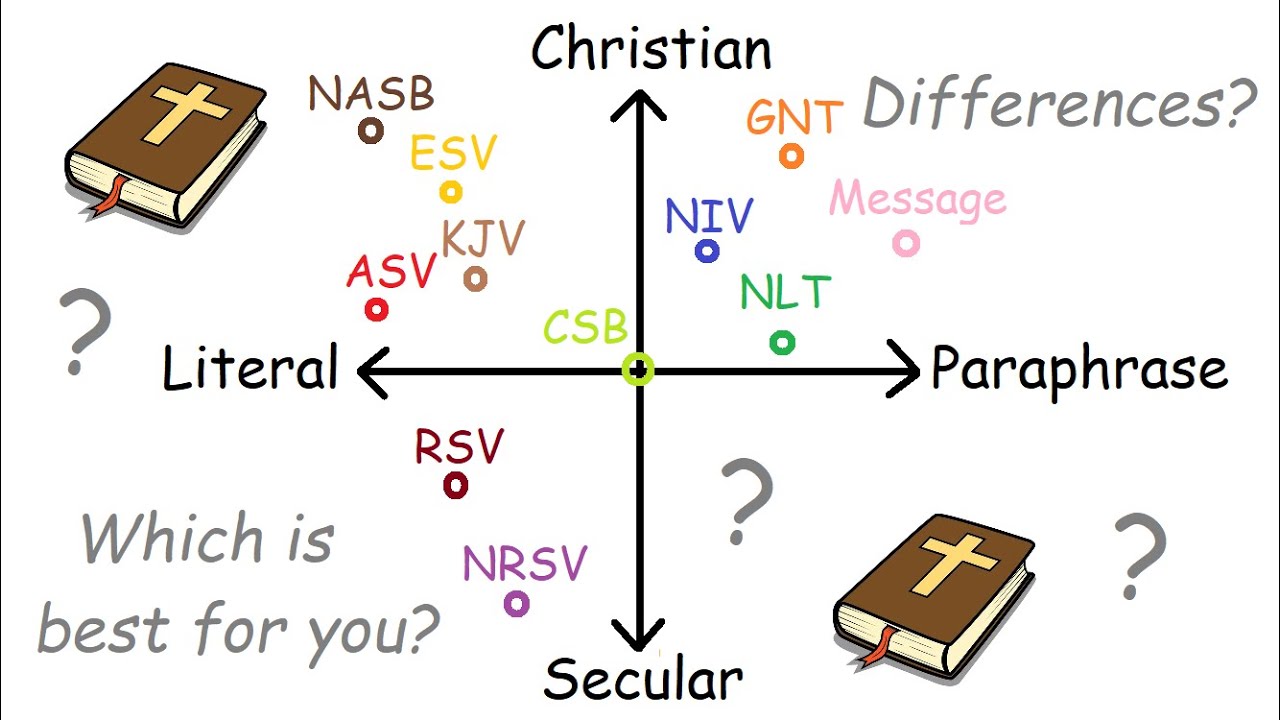
Translations can be classified into two primary categories: word-for-word (literal) and thought-for-thought (dynamic equivalence). Word-for-word translations seek to stay as close to the original texts as possible, while thought-for-thought translations attempt to convey the intended meaning more clearly. This distinction can affect readability and understanding.
The Impact of Bible Versions on Readers
The choice of Bible version can significantly influence personal interpretation and study. Different versions may highlight varying nuances in language, which can evoke distinct meanings.
Complementary Tools to Enhance Bible Study
Incorporating complementary tools can elevate your engagement with different Bible versions. Below are several useful tools and how they can enhance your biblical study experience:
Study Apps for Enhanced Learning
Using study apps can help in parsing through different versions of the Bible effortlessly. For example:
- Bible Gateway: A versatile platform where you can compare different versions side by side, allowing a deeper understanding of translation differences.
- YouVersion Bible App: Ideal for reading plans and community discussions, helping users explore a multitude of versions interactively.
Commentaries and Study Guides
Investing in commentaries can provide profound insights into the texts. Notable options include:
- Matthew Henry’s Commentary: This classical commentary gives context and insight into verses across many versions of the Bible.
- Wiersbe Bible Commentary: Offers practical applications paralleling various Bible translations for everyday use.
Online Courses
Websites like BiblicalTraining offer extensive courses on biblical studies, which can enhance your comprehension of different versions of the Bible.
How to Choose the Right Version for You
Selecting the right Bible version depends primarily on your personal needs, whether for study, devotion, or church use. A few factors to consider:
- Your reading level and comprehension ability
- The context of your study (academic, devotional, etc.)
- Community or church preferences if applicable
Key Takeaways on Bible Versions
In summary, the number of versions of the Bible available today is impressive, spanning different languages, styles, and purposes. Each serves a unique audience, enhancing their understanding and engagement with the text.
Noteworthy External Resources
To further enrich your study, consider visiting:
- YouVersion Bible – An extensive resource for various formats and translations.
- Wikipedia on Bible Translations – A comprehensive overview of biblical translations.
By understanding how many versions of the Bible exist and leveraging various tools, your exploration of this profound text can be much deeper and more rewarding.
Challenges in Bible Translation
How Many Versions of the Bible Are There? 📖
When exploring the vast landscape of Bible translations, you might find yourself asking, “How many versions of the Bible are there?” The answer is surprisingly complex! The Bible exists in thousands of translations and versions, catering to diverse linguistic, cultural, and theological needs. This article will delve into the depth and breadth of these versions, their significance, and tools that can enhance your reading experience.
The Scope of Bible Translations
To fully understand the question of how many versions of the Bible are there, it’s essential to recognize that translations can vary significantly based on their source texts, target audience, and intended use. Estimates suggest there are over 900 English translations alone, with some being more popular and widely used than others. The diversity allows readers from different backgrounds to access the scriptures in a way that resonates with them.
Historical Context
The Bible has undergone numerous translations since its original texts were written in Hebrew, Aramaic, and Greek. The key historical translations include:
- The Septuagint: A Greek translation of the Hebrew Bible, completed in the 3rd century BCE.
- The Vulgate: Saint Jerome’s Latin translation from the late 4th century CE, which dominated the Western Church for over a millennium.
- The King James Version: Released in 1611, this renowned translation brought the Bible to English-speaking audiences in a profound way.
Major Categories of Bible Versions
When asked how many versions of the Bible are there, it is useful to categorize them into major groups. Each category reflects different goals in translation practices:
1. Literal Translations
These versions aim for word-for-word accuracy. Examples include the New American Standard Bible (NASB) and the English Standard Version (ESV). They maintain the structure of the original language as closely as possible.
2. Dynamic Equivalence
This approach focuses on thought-for-thought translation, making the text more readable. Versions like the New International Version (NIV) fall into this category, striking a balance between accuracy and accessibility.
3. Paraphrase
Paraphrased versions, such as the Message Bible, offer a contemporary take on the biblical texts, making them relatable to modern readers. While some might critique their fidelity to source texts, they can inspire deeper understanding.
4. Specialty Versions
This category encompasses translations aimed at specific audiences, such as the New Life Version (NLV) for children, or versions that address specific cultural contexts.
The Impact of Digital Tools on Bible Study
To enhance your exploration of how many versions of the Bible are there, various digital tools can facilitate deeper study and comprehension.
Complementary Tools for Bible Study
Here are some tools that can complement your understanding of Bible versions:
- Bible App (YouVersion): Access multiple versions and languages in one application. Ideal for daily reading and study.
- Logos Bible Software: Provides robust research tools and access to a library of resources.
- Bible Gateway: A fantastic online resource for comparing different translations side by side.
- Blue Letter Bible: Features Hebrew and Greek lexicons for diving deeper into the original languages.
- Olive Tree Bible App: Offers customizable reading plans and various translations on your devices.
- Studylight: An online tool with access to commentaries, dictionaries, and multiple translations.
- Faithlife Study Bible: A unique combination of study notes and multiple translations.
- Accordance Bible Software: A comprehensive tool for serious Bible study, allowing for deep penetration into biblical texts.
- WordSearch Bible Software: Especially useful for pastors and students looking to prepare detailed studies.
Detailed Look at Selected Tools
Bible App (YouVersion)
- Access to over 2,000 versions in more than 1,000 languages.
- Ability to highlight, bookmark, and make notes directly in the text.
- Daily reading plans and devotionals to enhance your engagement.
- Community features to share insights and findings with friends.
Accordance Bible Software
- Advanced search capabilities to explore scripture and commentary efficiently.
- Access to a vast library of resources, including original language tools.
- Customizable layout for personalized study preferences.
- Offline access for studying anytime, anywhere.
Comparative Analysis of Bible Versions
Comparing various translations can be eye-opening. For instance, while the NASB provides rigorous accuracy, the NIV presents the same passages with a flair for modern readability. This aspect highlights how different versions of the Bible can serve various audiences effectively.
Moreover, when combined with tools like Bible Gateway, which allows side-by-side comparisons, readers can effortlessly explore how language influences understanding. By using how many versions of the Bible are there in conjunction with these tools, users gain a clearer, enriched understanding of spiritual texts.
The Significance of Selecting a Version
The choice of version can profoundly affect a person’s spiritual journey. Different styles resonate differently with individual readers. Someone new to Bible reading might lean towards the NIV or the Message for clarity, while a seminary student may prefer the NASB for in-depth study.
A Growing Resource for Readers
To further your exploration, numerous websites and apps provide insights into biblical texts and recommended versions. It’s encouraging to see how technology facilitates access to these texts, empowering personal and community growth.
Encouraging Engagement with Scripture
Incorporating various versions and leveraging technology can enhance understanding. Regular engagement with the scripture can transform personal perspectives, improving spiritual awareness. Readers are encouraged to experiment with different translations to find what resonates best for their journey.
Conclusion: Exploring the Wealth of Biblical Versions
Overall, the inquiry into how many versions of the Bible are there showcases a rich tapestry of translations serving diverse needs. Embrace the resources available to you—be it through a digital tool or a printed translation. The journey through scripture can be deeply rewarding, leading to increased understanding and personal transformation.
Explore these tools, engage with various versions, and deepen your knowledge while enjoying the profound insights that the Bible has to offer.
