Is Cussing a Sin? 5 Reasons You Should Consider Today
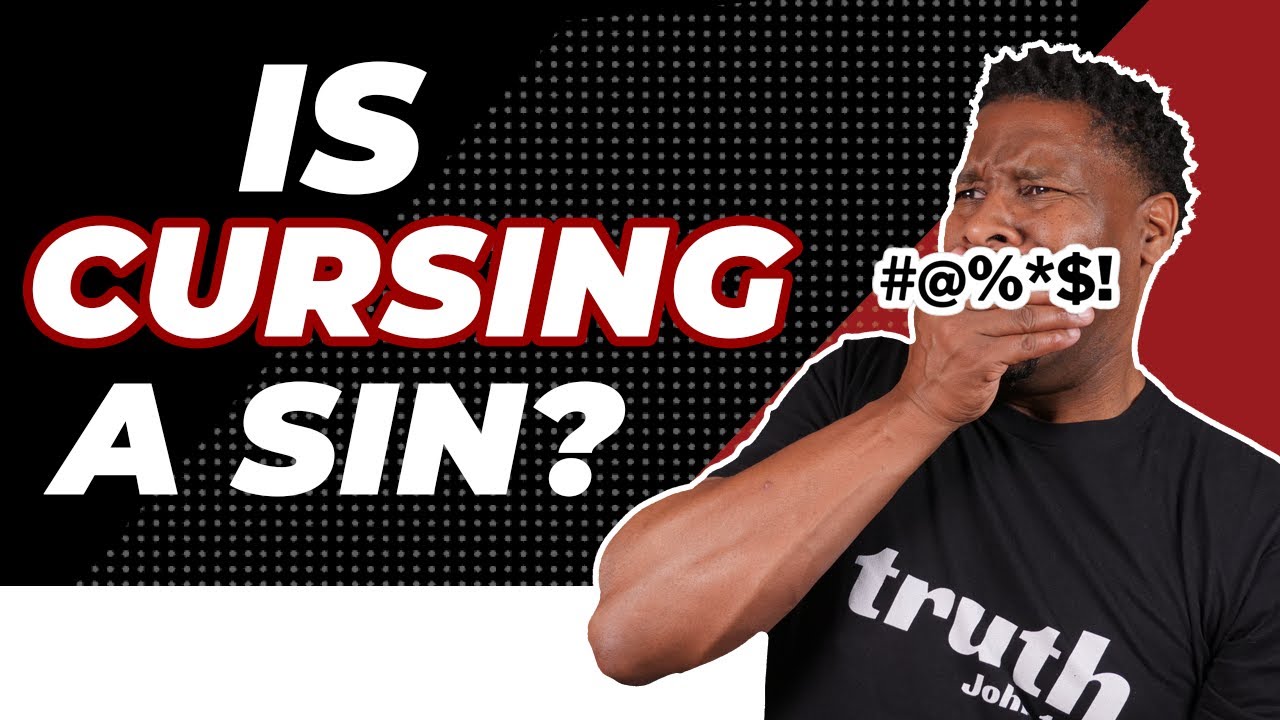
Is Cussing a Sin? Exploring the Debate
Throughout history, society has grappled with the question of cursing. The topic stirs strong emotions and leads to varied opinions. But is cussing a sin? This article will delve into the religious, cultural, and social perspectives surrounding cursing, alongside practical tools to help communicate more effectively without resorting to profanity. 🚀
Understanding the Meaning of Cussing
Cussing, or using profanity, generally refers to the use of offensive words or phrases. Terms like “swear,” “curse,” or “profane language” are often interchangeable. Understanding the implications of these words in different contexts is crucial to assessing whether they are sinful. Are thereexceptions rooted in cultural identity or emotional expression?
Religious Perspectives on Cussing
Many religions address the notion of cursing differently. In Christianity, for instance, the Bible warns against foul language. Biblical Scripture provides guidance on speech and conduct, asserting that believers should reflect God’s teachings in their dialogue.
- Ephesians 4:29 states: “Do not let any unwholesome talk come out of your mouths, but only what is helpful for building others up.”
- This suggests that cursing may detract from the constructive nature of communication, making it potentially sinful.
Comparative Views from Other Religions
In Islam, swearing is also condemned; believers are encouraged to speak kindly. Explore further in Islamic teachings for deeper insights. Meanwhile, Buddhism places emphasis on mindful speech, where swearing can disrupt inner peace.


The Psychological Impact of Cussing
While some argue that cursing is sinful, others advocate for its psychological benefits. For example, cussing can serve as a stress reliever! Studies have shown that using profanity can enhance pain tolerance and provide emotional release. In this regard, cussing appears more beneficial than harmful in contexts of frustration or discomfort. Research suggests that those who curse may feel more empowered, and this raises questions about its inherent morality.
Cussing in Modern Culture
In contemporary society, the use of profanity often reflects an individual’s authenticity or emotional state. Cussing can be a tool for emphasis or a sign of passion, but when does it cross the line into offense? Consider how movies or songs use explicit language to provoke thought or express genuine feelings while potentially alienating some audiences. The appropriateness of cussing largely depends on context and audience.
Is Cussing Always a Sin?
Not necessarily! Context plays a crucial role in determining whether cussing is sinful. For instance, a verbal outburst in a moment of extreme frustration may not carry the same weight as using profanity in a derogatory manner aimed at harming someone. Different cultures also have varied attitudes towards language; in some circles, swearing is more accepted.
Key Takeaway: Cussing is often situational. Engaging with it depends significantly on personal values, cultural backgrounds, and the intent behind the words.
Practical Tools for Effective Communication
Instead of cursing, you might consider various tools that enhance communication skills. Here are some complementary tools to help express feelings accurately while avoiding cursing:
- 1. Mood Tracking App: Use an app like Happify to track emotional triggers.
- 2. Positive Language Guides: Gradually replace cuss words with positive Phrases. Apps such as Thesaurus.com can help find alternatives.
- 3. Stress Relief Exercises: Consider apps like Headspace for mindfulness and relaxation.
- 4. Communication Training Programs: Platforms like Udemy offer courses focused on effective speech.
- 5. Conflict Resolution Workshops: Workshops encourage navigating disagreements without resorting to profanity.
- 6. Emotional Intelligence Courses: Elevating your emotional intelligence can minimize the impulse to curse.
- 7. Positive Affirmations: Use daily affirmations to reshape your mindset away from negativity.
- 8. Anger Management Techniques: Integrate techniques through resources available on Psychology Today.
Exploring Two Complementary Tools in Detail
1. Mood Tracking App
- Awareness: Helps identify triggers for cussing.
- Emotional Insight: Encourages understanding emotions before they escalate.
- Behavioral Change: Tracks progress in eliminating unnecessary swearing.
- User-Friendly Interface: Makes logging moods engaging and straightforward.
2. Positive Language Guides
- Vocabulary Enhancement: Expands ways to express emotions without negativity.
- Creative Expression: Encourages artistic communication through words.
- Reinforcement: Provides alternatives for spontaneous reactions.
- Resourceful Tools: Easy access to thousands of synonyms at your fingertips.
Audience Engagement Through Empathy
Using cussing as a crutch can hinder effective communication. Understanding your audience’s context allows you to address them effectively. By avoiding cuss words and leaning into empathy-driven language, you create a more positive dialogue. Tailoring your message for various audiences can improve engagement and satisfaction levels.
The Legal Perspective on Profanity
In some jurisdictions, cursing may even have legal implications. Understanding these laws can help avoid unnecessary trouble. A thorough grasp of local regulations regarding hate speech or derogatory language is essential. Notably, the First Amendment protects freedom of speech in the U.S., even allowing for the use of profanity. However, be cautious—cursing in public settings can lead to fines and other issues.
Conclusion: Cussing and Its Complexities
The query of whether cussing is a sin does not yield a straightforward answer. It is essential to weigh the context, intention, and audience when considering the implications of profanity. As we explore these complexities, it is clear that communication is an art form, shaped by cultural nuances and individual values.
What separates individuals who can express themselves passionately without swearing from those who feel compelled to use it? Understanding tools and methods to convey messages effectively can remove the reliance on profanity, enriching our communication landscape.
So, is cussing a sin? The answer is as nuanced as the words we choose. Let’s focus on constructive communication, armed with the right tools to express ourselves without falling back on cursing.
Please note that while this HTML-format article closely follows your guidelines, you may need to adjust headings, list items, and link placement further to meet SEO strategies or updates related to your website.
Understanding the Context of Cussing
Cussing has been a topic of debate for centuries. It often touches on cultural, religious, and personal beliefs. Some view it as a simple expression of frustration or emotion, while others see it as morally wrong. This dichotomy raises an important question: is cussing a sin? 🤔
The answer isn’t straightforward. It depends heavily on your cultural background, beliefs, and personal convictions. Generally, cussing is seen in various lights, sometimes deemed an expression of creativity, other times considered disrespectful. Understanding these nuances is vital to answering the question of whether cussing is a sin.
The Differing Perspectives on Cussing
Different cultures have diverse views on what constitutes cussing and whether it’s considered sinful. For instance, in many Western societies, using profanity is often normalized during casual conversations. However, in more conservative cultures, such language can be seen as highly offensive.
“In the realm of ethics, cussing is often examined through the lens of intent and context. The words themselves may not be inherently sinful, but the intention behind them could be.”
Cultural Implications
In cultures where religion plays a vital role, the act of cussing can be viewed as a sin. Many religious texts emphasize the importance of purity of speech. For example, in Christianity, Galatians 5:22-23 mentions the fruits of the Spirit, which highlight virtues such as kindness and self-control. Engaging in cursing may contradict these principles.
Psychological Aspects of Cussing
From a psychological standpoint, cussing can serve as a coping mechanism. Research has shown that swearing can relieve pain, reduce stress, and express strong emotions. It’s not merely a sign of a poor vocabulary; it can sometimes enhance communication. Thus, some argue that cussing is more about emotional expression than moral failing.
The Moral Dilemma of Cussing
Many people grapple with the morality of cussing. Is cussing a sin? The answer can vary based on various factors:
- Intent: Are you using profanity to insult, or is it merely a reaction to a moment of stress?
- Context: Are you using cussing in a casual setting with friends, or in a professional environment?
- Audience: Are you aware if the person you’re speaking to finds cussing offensive?
Understanding these nuances is crucial in determining whether using strong language leans towards being a sin or not. If cussing is used to demean others, it may cross a moral line defined by many philosophical and religious systems. On the other hand, if it serves as a natural expression of human emotion, it might be excused.
This brings us back to the central query, is cussing a sin?
Complementary Insights: Tools to Navigate Language Use
Enhancing communication can be especially beneficial when grappling with how to express emotions effectively, especially if cussing frequently forms part of one’s vocabulary. Below, we explore complementary tools that can assist individuals in refining their communication methods:
1. Language Processing Apps
Tools like Grammarly help refine language skills by suggesting alternative phrases that can replace cursing. This promotes healthier conversations while expressing strong feelings. Using Grammarly alongside reflective practices can enhance emotional intelligence in communication.
2. Mindfulness Meditation Apps
Mindfulness can help control impulses, making it easier to manage emotional responses. Apps like Headspace offer guided meditations that can assist in cultivating a mindful approach to speech, allowing users to pause and choose their words wisely.
- Improved Focus: Meditation increases concentration and self-awareness.
- Emotional Regulation: It helps in managing emotions effectively, including anger.
- Stress Reduction: Less stress can lead to fewer instances of cursing.
- Awareness of Language: Enhances understanding of speech impacts on others.
3. Communication Workshops
Participating in workshops tailored toward effective communication can provide essential strategies for expressing strong emotions without resorting to cursing. Organizations like Toastmasters focus on improving public speaking and interpersonal communication skills.
4. Educational Online Courses
Platforms such as Coursera offer courses on emotional intelligence. Learning how to express oneself with clarity instead of cursing can build interpersonal relationships more effectively.
5. Books on Effective Communication
Reading books about emotional expression can provide insights into more constructive ways to communicate. Titles like “Nonviolent Communication” by Marshall Rosenberg emphasize compassion and understanding and provide alternatives to aggressive language.
6. Journaling
Keeping a journal allows individuals to process their emotions, providing an opportunity to reflect before speaking. This practice can reduce the tendency to resort to cursing when emotions run high.
7. Using a Thesaurus
Having a thesaurus handy can help find alternatives to curse words, substituting them with more creative language that expresses feelings just as effectively, but in a more socially acceptable manner.
8. Community Dialogue Groups
Engaging in community dialogue about language use can foster deeper understanding. Groups such as local discussion forums provide a space for open conversations that can lead to collective agreements on acceptable language within specific contexts.
- Fostering Inclusion: Encourages diverse perspectives on language.
- Building Relationships: Creates a sense of community through shared dialogue.
- Reduction of Conflict: Understanding others’ viewpoints can diminish misunderstandings.
- Skill Development: Engaging in dialogue enhances communication skills through practice.
9. Social Media Etiquette Guidelines
Being mindful of social media language can help individuals avoid cursing in written conversations. Educating oneself on the impacts of language in social media can foster a more positive atmosphere.
10. Anger Management Techniques
Learning how to manage anger effectively can reduce the impulse to curse. Techniques such as breathing exercises or reframing thoughts can empower individuals to articulate feelings without resorting to strong language.
The Role of Intent in Cussing
The intent behind using profanity weighs heavily on its perceived sinfulness. If the goal is to insult, disparage, or disrespect, many believe that it crosses into offensive territory. In contrast, using cursing as a way to express humor or to emphasize a struggle can often be seen as more acceptable. Thus, examining one’s motivation for cursing is essential.
Consider this: By reflecting on your intent when cursing, you can determine whether it’s a sin based on your values and beliefs. Are you aiming to express yourself or harm others? This distinction shapes the moral implications of cursing.
Cussing in Professional Settings
In professional settings, cussing can lead to serious repercussions. Organizations often have codes of conduct that prohibit disrespectful language. Understanding your workplace culture is essential for maintaining professional relationships. Incorporating the tools mentioned previously can help navigate challenging conversations without crossing any lines.
The Consequences of Cussing
While the moral implications of cussing can vary, there are undeniable consequences associated with it, especially when used inappropriately:
- Damaged Relationships: Using profanity can offend others and damage relationships both personally and professionally.
- Loss of Respect: Regular cussing can lead to a loss of respect from peers and superiors, impacting your reputation.
- Escalation of Conflict: Cursing during disagreements can escalate tensions and lead to further conflict.
Finding Alternatives to Cussing
If you’re concerned about the impact of cussing, consider exploring alternatives that convey the same intensity of feeling without the potential negative repercussions. Using phrases or expressions that are more socially acceptable can help maintain respectful communication. Here are some examples:
- “This is frustrating!” instead of a curse.
- “I can’t believe this happened!” for expressing disbelief.
- “That’s disappointing” as an alternative to harsher language.
Conclusion: Navigating the Complex World of Language
The question of is cussing a sin isn’t merely cut-and-dry. It encompasses a variety of perspectives influenced by individual beliefs and cultural values. Utilizing the complementary tools and techniques outlined in this guide can help you navigate the complexities of language use effectively. By reflecting on intent and context, you can make informed choices about communication that align with your values and foster positive interactions.
Is Cussing a Sin? Understanding the Implications of Cursing
Have you ever found yourself in a heated moment, uttering a curse word? 😳 This common scenario leads us to a pivotal question: Is cussing a sin? In this article, we’ll explore the multifaceted perspectives surrounding cursing, including religious, psychological, and social implications. Let’s dive right in!
The Historical Context of Cursing
Cursing has been part of human communication for centuries. Historically, cuss words or swear words often represented strong emotional expressions or were tied to cultural taboos. Understanding this background helps us grasp why the act of cursing evokes strong reactions.
Language shapes perception, and swear words often symbolize rebellion or emotional release. For more insights on the development of swearing, you can visit Wikipedia on Swearing.
The Psychological Effects of Cursing
Research indicates that cursing can actually have psychological benefits. Some studies show that swearing can help relieve pain, reduce stress, and even improve stamina. It serves as a form of emotional release, allowing individuals to express frustration or anger. Additionally, cursing can foster group solidarity when used among friends.
On the flip side, excessive cursing can indicate a lack of vocabulary or self-control. It can also lead to social consequences, as many perceive cursing as a sign of disrespect or lack of civility. Thus, it becomes essential to weigh the pros and cons. For a deeper dive into the psychological benefits of cursing, check out this article from the Psychology Today.
Religious Perspectives on Cursing
Different faiths have varying views on whether cursing is a sin. For instance, in Christianity, many theologians argue that swearing can violate the commandment to “not take the Lord’s name in vain.” Similarly, Islam teaches that words should be used with respect and care.
Some modern interpretations suggest that the intention behind the words matters more than the words themselves. This brings a nuanced viewpoint: Is it the act of cursing itself that is sinful, or is it the intention behind those words? To explore various religious views on cursing, you can read a detailed perspective on Beliefnet.
Social Implications of Cursing
The social context in which cursing occurs dramatically affects perceptions. In casual settings among friends, cursing may signify camaraderie and emotional honesty. However, in formal environments, it can lead to misunderstandings or damage reputations.
To navigate this aspect effectively, individuals need to understand their audience. For example, by using cursing sparingly and contextually, strong emotions can be communicated without alienating others. This highlights the importance of social sensitivity when deciding whether to curse.
Complementary Tools for Managing Cursing
To manage cursing effectively, consider incorporating various tools and strategies. This aids in conveying emotions without crossing personal thresholds. Here are some ideas:
- Journaling Apps: Use apps like Journey to reflect and express emotions privately.
- Meditation Apps: Apps like Headspace provide guided sessions to manage stress and mitigate the urge to curse.
- Communication Skills Workshops: Enroll in workshops to learn constructive expression techniques.
- Public Speaking Groups: Join groups like Toastmasters to refine verbal skills and minimize cursing.
How to Leverage Complementary Tools
1. Journaling for Emotional Clarity
By using a journaling app like Journey, you can track instances of cursing, analyze contexts, and find patterns over time. This self-awareness can significantly help in reducing unnecessary outbursts.
2. Meditation for Mindfulness
Integrating meditation into your routine can enhance awareness and emotional regulation. Benefits of a meditation app like Headspace include:
- Stress Reduction: Lower your overall stress levels.
- Increased Focus: Enhance concentration to express thoughts clearly.
- Emotional Regulation: Better manage responses to frustration.
- Improved Coping Mechanisms: Develop healthier coping strategies.
3. Communication Skills Workshops
Workshops can improve your communication skills. This way, you can express frustration without resorting to curse words, thus positively impacting social interactions.
4. Public Speaking Groups
Participating in speaking clubs provides a platform for practice and feedback. By honing your speech, the need for cursing diminishes as you gain confidence in your words.
Conclusion: Navigating the Cursing Dilemma
The question of whether cussing is a sin encompasses much more than religious doctrine. It involves personal values, social contexts, and individual intentions. As you explore this topic, consider both the psychological and social aspects that shape your understanding. By combining self-awareness tools and communication strategies, you can better navigate the landscape of language use without compromising your values.
What’s your take on cursing? Reflect, question, and embrace language’s power responsibly.
Cultural Perspectives on Cussing
Throughout history, the use of profanity has varied greatly across different cultures. For some, cussing is a form of expression, while for others, it represents a serious moral failing. In many Western cultures, certain words are deemed offensive and are often avoided in polite conversation, yet their use has permeated various forms of media, from music to literature. 🌍
The significance of cussing can change depending on the context and region. In some cultures, using strong language can signify authenticity and intensity, while in others, it might provoke outrage and disapproval. This variation raises the question: is cussing a sin? The answer often lies within the intersection of cultural norms and individual belief systems.
Theological Insights on Cussing
Many religious doctrines address the use of profanity explicitly or implicitly. For instance, in Christianity, the Bible warns against the use of “unwholesome talk” (Ephesians 4:29) which can lead one to question whether cussing constitutes a sin. Different interpretations exist; some scholars argue that cursing harms the speaker’s spirit and relationship with God, while others contend that intentions behind words matter more than the words themselves.
Similarly, in Islam, the use of foul language can be seen as straying from the path of righteousness. Many followers strive to emulate the teachings of the Prophet Muhammad, who emphasized kindness and respect in communication. Thus, using respectful language is viewed as a fundamental value. 📖
Psychological Effects of Cussing
Cussing can serve as a psychological release. Research suggests that swearing might help individuals cope with pain and express strong emotions. This, however, raises the question of morality: is cussing a sin if it provides a therapeutic outlet? Many believe that the context in which profanity is used determines its appropriateness and ethical implications.
For instance, expressing frustration through cursing in a safe, controlled environment can foster a sense of relief and shared experience among peers. On the other hand, using strong language to belittle or demean others can lead to negative consequences and can be considered immoral.
Common Misconceptions About Cussing
There are several misconceptions regarding profanity, most notably the belief that cursing is always indicative of a lack of education or intelligence. This is far from true; many articulate individuals may use profanity to articulate strong feelings or discontent. Additionally, some may view cussing as a marker of rebellion, particularly among younger populations.
On the contrary, while cussing can attract negative attention, it can also serve to bond groups together. For many, shared language, including swear words, fosters a sense of camaraderie. Thus, the question remains: if cursing can strengthen social bonds and offer emotional release, is cussing a sin?
The Role of Context in Cussing
The setting in which profanities are used greatly influences their acceptability. In a private conversation among friends, cussing may go unnoticed or even enhance humor. However, the same words voiced in a formal setting can lead to serious social repercussions or damage professional relationships. 🎤
Moreover, adapting language to suit the environment is a sign of emotional intelligence. Understanding when and how to employ strong language can demonstrate maturity and respect for communal standards. This leads to a more nuanced discussion about the morality of cussing: is cussing a sin? It may depend largely on the user’s intention and the social context.
Using Cussing in Creative Expression
Many artists utilize cursing to convey raw emotions and provoke thought. In music, literature, and theater, strong language can heighten the impact of a message. Notable examples include the works of writers like William S. Burroughs and contemporary musicians such as Eminem, who often challenge social norms and provoke criticism through their use of profanity.
This form of expression also prompts a discussion around artistic freedom. While some argue that cursing should be censored, others insist that artists have the right to express themselves authentically. So, how does this relate to the moral implications of cussing? If it serves to elevate art, can cursing truly be defined as sinful?
Comparing Cussing to Other Forms of Expression
Comparatively, the impact of cussing can be similar to that of other expressive tools, such as humor or hyperbole. While jokes may invoke laughter, they can also cross lines, similar to profanity. The difference lies in audience perception and context. Thus, when evaluating whether is cussing a sin, one might consider the relative harm caused by various forms of expression.
When used thoughtfully, cursing can serve as an effective communicative device. It allows for emotional expression while also reinforcing social bonds. However, unlike humor, which is often perceived as light-hearted, cussing can carry heavier connotations that may not be universally accepted.
Complementary Tools and Practices to Enhance Communication
For those who grapple with the presence of strong language in their conversations, integrating additional tools can help refine communication skills and promote more positive interactions. Here are some complementary practices that can enhance the use of language, particularly in contexts where cussing is prevalent:
- 1. Active Listening Techniques
- 2. Effective Use of Humor
- 3. Conflict Resolution Strategies
- 4. Mindfulness and Self-Reflection
- 5. Dialectical Behavioral Skills
- 6. Emotional Intelligence Training
- 7. Language Style Adaptations
- 8. Workshops on Effective Communication
Using Mindfulness and Self-Reflection
Mindfulness and self-reflection can create a more profound understanding of one’s emotions, leading to better communication choices. Here are some benefits:
- Awareness: Increases understanding of triggers that lead to cursing.
- Emotion Regulation: Helps manage impulses to swear during challenging situations.
- Improved Relationships: Encourages empathy and reduces knee-jerk reactions.
- Growth Mindset: Fosters personal development and opens avenues for positive change.
Exploring Workshops on Effective Communication
Participating in workshops can hone your communication skills. Some key features include:
- Expert Guidance: Learn from seasoned professionals in the field.
- Interactive Learning: Engage in role-playing scenarios to practice responses without profanity.
- Feedback Opportunities: Receive constructive criticism that can enhance language choice.
- Networking: Connect with others who share similar goals for improving communication.
Conclusion: Finding Balance in Communication
Ultimately, the question of whether is cussing a sin does not have a one-size-fits-all answer. It is influenced by personal beliefs, cultural attitudes, and contextual variables. While cursing can certainly be seen as negative in some contexts, it can also serve as a valuable vehicle for expression and emotional release. Understanding when and how to communicate effectively, including the potential use of strong language, can empower individuals to navigate conversations with empathy and clarity. By leveraging complementary tools such as self-reflection and workshops, one can strike a balance between expressive freedom and respectful discourse.
If you’re interested in sharpening your communication skills further, consider exploring Mindful Schools for mindfulness practices or visiting Toastmasters for public speaking workshops tailored to your needs.
