Moabites: 7 Fascinating Facts You Never Knew
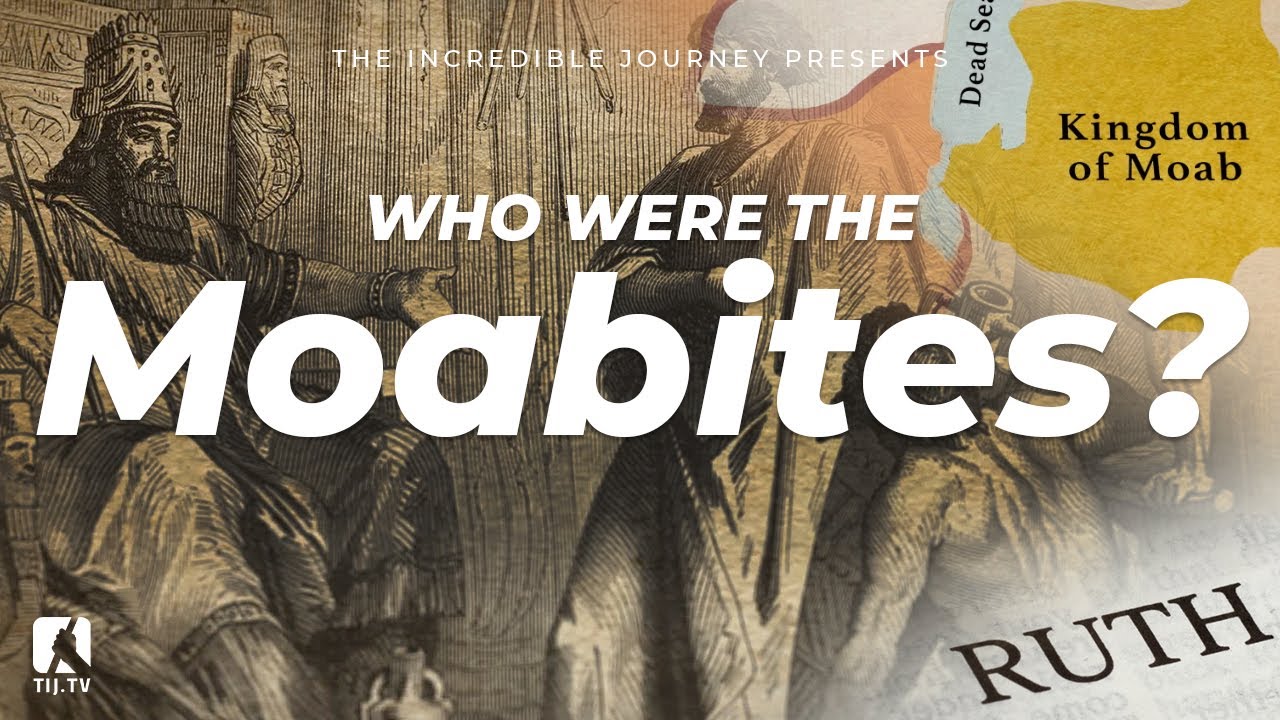
Understanding the Moabites
The Moabites were an ancient civilization known for their rich cultural heritage and strategic geographical location. 🌍 Originating from the region located east of the Dead Sea, they played a pivotal role in the historical narratives of the biblical context. They are often recognized as a neighboring tribe to the Israelites, engaging in both conflict and trade. The Moabite people are notably referenced in biblical texts, showcasing their interactions with Israel and their significance in ancient history.
Historical Background
The Moabites trace their lineage back to Moab, the son of Lot, who was the nephew of Abraham. They established a kingdom in what is now modern-day Jordan, known for its fertile lands and strategic trade routes. The Moabite landscape included rugged hills and lush valleys, making it an attractive area for agriculture and settlement. Their cities, such as Dibon and Nebo, were well-fortified and held significant political power in their region.
Culture and Society
Moabite society was deeply influenced by their surroundings, embracing agricultural practices and engaging in trade. They were known for their worship of the god Chemosh, a central figure in their religious structure. Religious practices included sacrifices and rituals that reflected their beliefs and societal norms. Moabites were also skilled craftsmen, producing pottery and textiles that they traded with neighboring regions.
The Moabite Stone
Among the most significant archaeological finds associated with the Moabites is the Moabite Stone, or Mesha Stele. Discovered in 1868, this stone is inscribed with a record of King Mesha’s victories over the Israelites. It stands as a crucial artifact that provides insight into Moabite history, language, and culture.


Importance of the Moabite Stone
- Historical Context: The stone offers a unique perspective on the Moabites’ relations with their Israelite neighbors.
- Language: The inscriptions are written in Moabite script, which is a dialect of ancient Hebrew, providing vital links to the development of Semitic languages.
- Cultural Insight: It reflects the Moabites’ perspective on their victories and defeats, enhancing understanding of their sense of identity.
- Archaeological Significance: The stone’s discovery has spurred further archaeological exploration in the region, revealing more about ancient Near Eastern civilizations.
Moabites in the Biblical Narrative
In biblical texts, Moabites are often portrayed with a dual narrative – as both adversaries and allies to the Israelites. For instance, the story of Ruth, a Moabite woman, highlights themes of loyalty and acceptance into Israelite society. This contrast signifies the complexities of Moabite identity in relation to their neighbors.
Key Biblical Events Involving Moabites
Several key events involving the Moabites are worth noting:
- Balaam’s Prophecy: In the Book of Numbers, Moabite King Balak hired the prophet Balaam to curse the Israelites, showcasing their fear of Israelite expansion.
- Siege of Nebo: The Moabites successfully defended their territory from several Israelite incursions, illustrating their military prowess.
- Ruth’s Legacy: The story of Ruth exemplifies a deeper connection between Israelites and Moabites, illustrating familial ties and shared heritage.
Modern Day Understanding of Moabites
The Moabites maintain interest among historians and archaeologists due to their rich cultural heritage and the biblical implications of their existence. Current studies focus on the connections between ancient populations in the Levant, exploring how interrelations shaped modern identities.
Cultural Resonance
Today, the legacy of the Moabites can be seen in Jordanian culture, where many claim descent or connection to this ancient tribe. The historical narratives and archaeological finds fuel local pride and interest, allowing for the preservation of Moabite history through storytelling and education.
Complementary Tools to Enhance Moabite Studies
To further explore the rich tapestry of Moabite history and culture, various tools can complement your understanding. Here are some effective ways to utilize such tools alongside your Moabite research:
1. Use Archaeological Databases
Websites such as the Ancient History Encyclopedia provide valuable resources for research on ancient civilizations including the Moabites. Utilize these databases to gather academic articles, images, and historical timelines that enhance your understanding.
2. Geographic Information Systems (GIS)
Employing GIS tools allows for a visual representation of ancient Moab, facilitating better spatial analysis of settlement patterns and land use.
- Layered Maps: Visualize territorial changes over time.
- Site Analysis: Assess archaeological site locations for contextual relevance.
- Resource Mapping: Identify patterns of agriculture and trade routes.
- Historical Comparisons: Compare ancient maps with modern geography.
Tools like QGIS can be extremely helpful for such tasks.
3. Digital Libraries
Explore digital libraries like JSTOR to access academic journals and papers discussing Moabite history and archaeology.
4. Museum Collections
Many museums offer virtual tours or collections online that feature artifacts from Moabite culture, allowing for deeper personal engagement with ancient history.
5. Educational Documentaries
Engage with documentaries on platforms like Netflix that explore ancient civilizations in the Levant, providing visual and narrative context to the Moabite legacy.
6. Historical Fiction
Reading novels set in the ancient Near East can offer narrative understanding and cultural context about how the Moabites lived and interacted with their neighbors.
7. Online Academic Courses
Platforms like Coursera offer courses on ancient history that may feature sections on the Moabites to contextualize their significance among other civilizations.
8. Cultural Networking
Participate in online forums or social media groups focused on ancient civilizations. Engaging with others can illuminate new perspectives on Moabite history.
- Community Learning: Share resources and insights with fellow history enthusiasts.
- Expert Insights: Access discussions with archaeologists and historians.
- Event Participation: Stay informed about webinars and workshops relevant to Moabite studies.
- Common Interests: Forge connections with individuals passionate about ancient studies.
9. Folklore and Legends Research
Investigating the legends surrounding the Moabites can provide cultural insights and flesh out their collective identity in historical narratives.
10. Language Studies
Studying the ancient languages related to Moabites, such as Hebrew and Phoenician, can enrich your understanding of the linguistic connections in the region.
Conclusion
Throughout history, the Moabites have demonstrated resilience and adaptability, influencing the cultural fabric of the surrounding regions. Understanding the Moabite legacy enhances our knowledge of ancient civilizations and their interrelations. By utilizing complementary tools, such as GIS mapping and academic resources, researchers can gather a more nuanced perspective on this fascinating group. As we explore the profound impact of the Moabites, we uncover not only their historical significance but also the lessons that resonate through time.
Please let me know if you need any adjustments or additional information!
The Moabites: An In-depth Exploration
Have you ever wondered about ancient civilizations and their remarkable contributions to our history? 🌍 The Moabites, a significant ancient people, played a crucial role in the cultural and historical tapestry of the Near East. In this article, we will delve into the Moabites, examining their society, culture, and practices, while also highlighting how modern tools can enhance our understanding of their rich heritage.
Who Were the Moabites?
The Moabites were an ancient Semitic-speaking people who lived in a region east of the Dead Sea, known as Moab. This area is primarily located in modern-day Jordan. The Moabites often interacted with neighboring cultures, including the Israelites, which is reflected in various texts from antiquity.
Research indicates that the Moabites descended from Moab, the son of Lot, according to biblical accounts (Genesis 19:37). Their existence is corroborated by various archaeological discoveries, including inscriptions and artifacts that offer a glimpse into their daily lives.
Culture and Society of the Moabites
The culture of the Moabites was heavily influenced by their environment and their interactions with neighboring peoples. Here are several aspects that characterized Moabite society:
Religion and Worship
The Moabites practiced polytheism and had their pantheon, the most notable deity being Chemosh. This god of war and agriculture held significant importance in their religious practices. The existence of temples and dedicated spaces for worship is evident from archaeological findings, suggesting that the Moabites had structured religious practices similar to those of their contemporaries.
Language and Writing
The Moabite language is a dialect of the Northwest Semitic languages, closely related to Hebrew and Phoenician. The *Moabite Stone*, an essential archaeological find, features inscriptions that provide insights into Moabite culture and language, showcasing their literacy and communication abilities.
Economics and Trade
Moabites engaged in agriculture, livestock farming, and trade. They cultivated barley, wheat, and grapes and were known for their wine production, exporting much of it to neighboring regions. The strategic location of Moab on trade routes facilitated interaction with various cultures, enhancing their economic prosperity.
The Significance of Moabite Art and Artifacts
Art played a vital role in the Moabite society, providing insights into their values and beliefs. The motifs and symbols found in artifacts reflect their religious and societal norms. Notable artifacts include pottery, tools, and jewelry that depict their craftsmanship and artistic contributions.
By comparing Moabite art with that of ancient civilizations, greater appreciation can be gained for their distinctive styles, particularly when considering complementary tools such as digital reconstruction software. For instance, using tools like Sketchfab allows historians to create 3D models of artifacts, bringing Moabite history to life.
Moabites in Historical Texts
Historical records from various sources, including the Bible, mention the Moabites frequently. The accounts detail conflicts and interactions with the Israelites, offering a narrative of their societal dynamics. Key events featuring the Moabites, such as their battles and treaties, help modern scholars understand their place in the ancient world.
Some scholars also use advanced tools like Google Earth to map out ancient territories, helping to visualize the Moabites’ settlements and movements over time. This combined analysis enriches the historical understanding of their interactions with other cultures.
Comparative Analysis: Moabites vs. Other Ancient Cultures
When studying the Moabites, it’s insightful to compare them with neighboring civilizations such as the Ammonites and Israelites. Unlike the Ammonites, who had distinct political systems, the Moabites shared cultural traits with the Israelites, which is evident in their religious practices and customs. Moabites often employed strategies to enhance their social structure, making them resilient in times of conflict.
In relation to modern tools, the use of historical databases and software, such as History.com, allows for an interactive exploration of ancient societies. This provides a streamlined approach to understanding the Moabites within a broader ancient context.
Complementary Tools to Understand Moabites Better
Understanding the Moabites can be significantly enhanced by utilizing various modern tools and resources. Below are some complementary tools that can enrich your study:
- Digital Mapping Tools (e.g., Google Earth): Helps visualize Moabite settlements.
- 3D Modeling Software (e.g., Sketchfab): Brings artifacts to life for detailed examination.
- Historical Databases (e.g., History.com): Provides comprehensive historical context.
- Online Encyclopedias (e.g., Wikipedia): Offers reliable summaries on Moabite history.
- Academic Journals (e.g., JSTOR): Access to scholarly articles on Moabite archaeology.
- Digital Libraries (e.g., Project Gutenberg): Source of ancient texts related to Moab.
- Graphic Design Tools (e.g., Canva): Create visual presentations on Moabite heritage.
Deep Dive: Tools to Elevate Your Understanding of Moabites
1. Google Earth
- Mapping ancient settlements helps visualize Moabite territories.
- Gives a spatial understanding of geographical challenges.
- Offers 3D views that highlight historical topography.
- Enables comparison with other ancient cultures in the region.
2. Sketchfab
- Provides 3D models of Moabite artifacts for a more immersive experience.
- Allows scholars to analyze artifacts from different angles.
- Encourages collaborative research by sharing models globally.
- Enhances presentations through visual storytelling of Moabite history.
3. History.com
For comprehensive insights into historical narratives, History.com offers a wide range of articles and documentaries that include information on the Moabites and their interactions with surrounding cultures.
Audience Segmentation and Its Impact on Moabite Studies
Understanding audience segmentation can play a crucial role in how Moabite history is presented and studied. Tailoring content and resources to various audiences—like students, researchers, or casual history enthusiasts—ensures that information is accessible and engaging. By adapting presentations to different segments, it enhances engagement and satisfaction levels. For instance, using multimedia tools for younger audiences compared to academic presentations for researchers can significantly improve retention and interest.
The Lasting Legacy of the Moabites
The Moabites may no longer exist as a distinct culture, but their impact remains evident in historical texts, archaeological findings, and the cultural landscape of the region. By employing modern resources and tools, we can better understand their legacy and its influences on future generations.
Remember, leveraging tools such as Google Earth and Sketchfab alongside traditional historical analysis can offer a multifaceted approach to studying ancient cultures like the Moabites. What you’ll discover next might surprise you as you dive deeper into their contributions and interactions with other ancient peoples.
So, as you continue your journey into the fascinating world of the Moabites, don’t hesitate to integrate these resources and tools into your research workflow. The rich tapestry of their history is waiting to be uncovered! 🎉
Understanding Moabites: Their Historical Context and Modern Applications
Have you ever wondered about the Moabites and their impact on ancient history? 🤔 This enigmatic civilization, known for its rich culture and powerful influence in the region of Moab, has captivated historians and enthusiasts alike. In this article, we’ll explore the historical significance of the Moabites, their cultural contributions, and how modern tools can enhance our understanding and utilization of this fascinating culture.
Historical Significance of the Moabites
The Moabites were an ancient Semitic people who inhabited the territory east of the Dead Sea, mainly in present-day Jordan. They emerged in the early Iron Age, around the 13th century BCE, and played a significant role in the geopolitical landscape of the region. The Moabites are mentioned in several ancient texts, including the Hebrew Bible, which details their conflicts with neighboring kingdoms, particularly Israel.
The Moabite Culture and Society
The Moabites developed a distinctive culture characterized by their religion, language, and social structure. Their worship was centered around Chemosh, the Moabite god, which reflected their unique identity separate from neighboring cultures. Archaeological discoveries, such as the Mesha Stele, provide insight into their kingship and territorial claims.
Modern Interpretations and Studies
Today, the study of the Moabites continues to evolve, enhanced by archaeological findings and modern technologies. Understanding their historical context is crucial for interpreting numerous artifacts and texts that offer clues to their daily life, economy, and interactions with other groups.
Key Discoveries in Moabite Archaeology
Some key archaeological sites, such as Dibon and Mesha Stele, have been critical in piecing together the Moabite story. These sites have revealed valuable artifacts, including pottery, inscriptions, and religious practices, shedding light on their culture and historical narrative.
The Advantages of Using Moabites in Modern Research
Unlike other ancient cultures, the Moabites provide a unique perspective on the interactions between various civilizations in the Near East. Their distinct language and customs can enhance comparative studies, particularly with other Semitic groups. By examining the Moabites, scholars can uncover the complexities of ancient politics and trade.
Using Modern Tools for Moabite Research
Utilizing modern analytical tools can significantly enrich the understanding of Moabites. Here are some innovative ways to integrate these tools:
- Digital Databases: Use platforms like Livius.org to access extensive resources on Ancient Near Eastern history.
- 3D Modeling Software: Enhance archaeological findings through 3D modeling to visualize artifacts and sites.
- Data Analysis Tools: Employ tools like Tableau for visualizing historical data sets related to Moabite trade routes.
- GIS Mapping: Geographic Information Systems (GIS) can track Moabite expansions and territorial claims through historical maps.
- Crowdsourced Projects: Engage in platforms like Digital Horizon to collaborate on transcribing ancient texts.
Complementary Tools to Enhance Moabite Studies
To maximize the research potential surrounding Moabites, consider integrating the following complementary tools:
- Artstor: A digital library of images and documents that can provide visual context for Moabite artifacts.
- Project Gutenberg: Access to free eBooks related to ancient history and cultures, enhancing knowledge about the Moabites.
- MATLAB: Analyze complex data sets from archaeological findings concerning the Moabites.
- Taylor and Francis: Provides access to scholarly articles specifically focusing on ancient Near Eastern studies.
- Ancient History Encyclopedia: Offers curated information and resources on the Moabites and their historical contexts.
Ideas for Combining Moabites with Modern Tools
By pairing Moabites studies with contemporary technology, researchers can uncover deeper insights. Here are 10 ideas on how to do this:
- Combine Moabite studies with QGIS for enhanced geographical analysis of territory and trade routes.
- Utilize Excel to manage and analyze data from archaeological findings.
- Pair ancient texts with Zotero to organize research materials effectively.
- Use social media platforms to engage discussions about Moabites with contemporary audiences.
- Collaborate with universities and tech departments to develop apps focused on Moabite history.
- Combine findings from Moabites studies with 3D printing technology to reconstruct artifacts.
- Utilize data visualization tools to create compelling presentations of Moabite cultural impacts.
- Create podcasts or videos discussing Moabite history enhanced by visuals from Canva.
- Engage in virtual reality experiences to recreate Moabite historical sites.
- Host webinars using platforms like Zoom to discuss findings with a global audience.
Integrating these tools with your study of Moabites enhances your understanding and appreciation for this remarkable civilization.
The Relevance of Moabites in Today’s Culture
The influence of the Moabites can still be felt today. Their history and cultural practices provide a window into the ancient world, informing modern discussions around governance, trade, and cultural exchange. By studying Moabites, we glean insights into how ancient societies operated and interacted, which can inform contemporary issues.
Why Moabites Matter in Today’s Context
Unlike many ancient civilizations that have faded into obscurity, the Moabites offer lessons that are still relevant. Their conquests, trade, and cultural exchanges exemplify how interconnected the ancient world was. Understanding their history also allows for a broader comprehension of the cultural tapestry that exists in modern societies today.
Conclusion
The Moabites represent a fascinating chapter in ancient history, showcasing a civilization rich in culture, religion, and social structure. By applying modern tools and technologies alongside traditional studies, we can deepen our understanding of their contributions and learn valuable lessons applicable in today’s world.
