Pentecost Meaning: 7 Revelations to Deepen Your Faith
Pentecost Meaning
Pentecost is a significant event celebrated in many Christian traditions, symbolizing the outpouring of the Holy Spirit upon the apostles. 🎉 This moment is believed to have occurred fifty days after Easter Sunday, marking the culmination of the Easter season and signifying the birth of the Church. Understanding the meaning of Pentecost extends beyond mere dates; it encompasses profound spiritual implications for believers and the community of faith.
The Historical Context of Pentecost
The term “Pentecost” originates from the Greek word “Pentēkosti,” meaning “fiftieth.” It coincides with the Jewish Feast of Weeks, known as Shavuot, which was historically a harvest festival. This event is pivotal in Christian theology as it commemorates the moment when Jesus’ promise of sending the Holy Spirit was fulfilled. The Acts of the Apostles, particularly *Acts 2:1-4*, detail how the apostles gathered in one place when a sound “like the blowing of a violent wind” filled the house, and they were filled with the Holy Spirit.
Spiritual Significance of Pentecost
For many Christians, the meaning of Pentecost symbolizes empowerment and transformation. It represents the initiation of the apostles into their mission of spreading the Gospel globally. This empowerment is often seen as the birth of the Church, as the apostles began preaching in various languages, allowing diverse groups to hear the message in their native tongues. This inclusivity is a hallmark of Pentecost, emphasizing accessibility to the Spirit’s gifts to all people, regardless of background or nationality.
The Role of the Holy Spirit
The Holy Spirit plays a central role during Pentecost, acting as the source of inspiration and guidance for believers. Not only does the Spirit enable the apostles to communicate effectively, but it also brings gifts such as wisdom, understanding, courage, and reverence. The Pentecostal movement, a branch of Christianity focusing on the work of the Holy Spirit, highlights the ongoing relevance of Pentecost, encouraging believers to seek deeper spiritual experiences and empowerment.
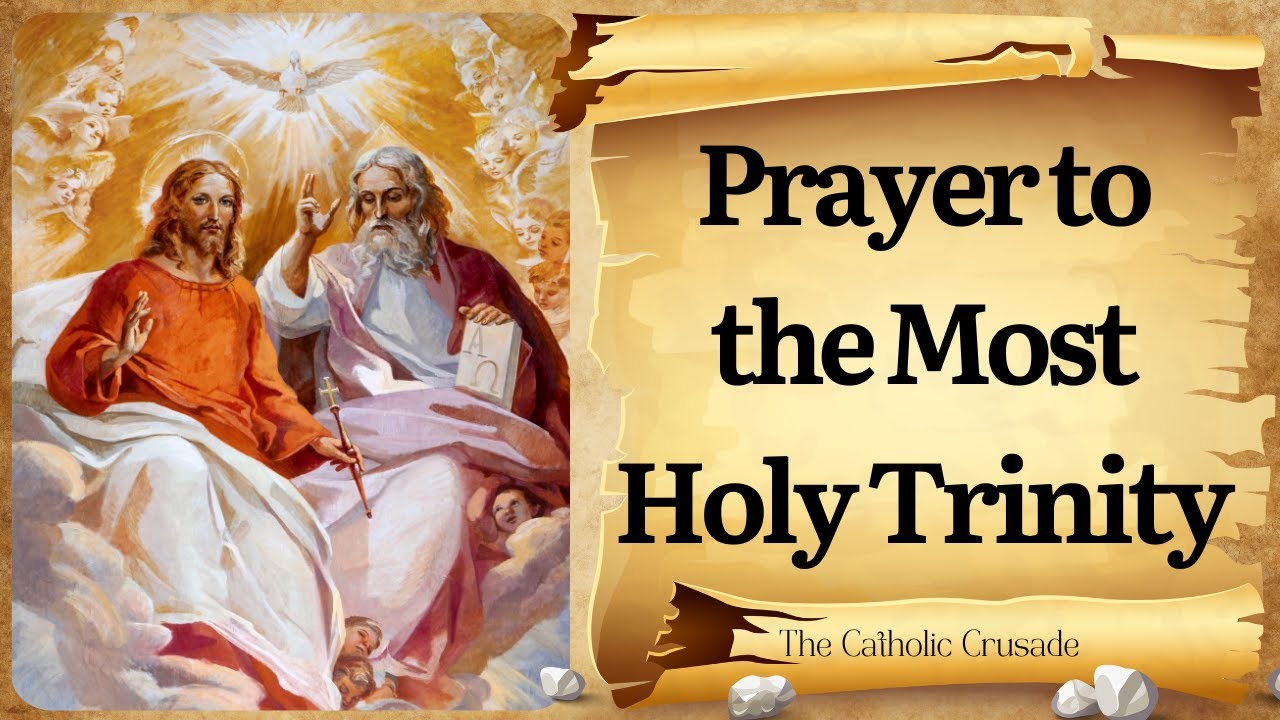

Celebration of Pentecost
Traditionally, Pentecost is celebrated with various rituals and observances. Many congregations hold special services, often featuring readings from *Acts 2* and singing hymns dedicated to the Holy Spirit. Symbols such as flames or doves are frequently used to represent the Spirit’s presence. In addition to church services, some communities engage in feasting and communal gatherings to reflect on the joy and unity fostered by the Holy Spirit.
Comparing Pentecost Meaning with Other Christian Celebrations
When comparing Pentecost to other Christian celebrations, such as Easter or Christmas, its focus is distinctly centered on the empowerment of believers through the Holy Spirit. While Easter celebrates Christ’s resurrection and Christmas focuses on His birth, Pentecost highlights the active role of the Spirit in guiding and equipping the Church. Compared to these pivotal events, Pentecost meaning emphasizes the ongoing mission of believers, urging them to engage with the world in faith and action.
Understanding the Gifts of the Spirit
One of the vital aspects of Pentecost meaning is the gifts of the Holy Spirit. These spiritual gifts are gifts of grace meant for the common good and include insights and powers that facilitate ministry and service. Key gifts include:
- Wisdom: The ability to make sound judgments based on God’s truth.
- Understanding: The insight to comprehend spiritual truths.
- Courage: The boldness to act according to one’s faith.
- Reverence: A heightened sense of respect and love for God.
Using Complementary Spiritual Tools
To enhance the experience and understanding of Pentecost meaning, combining it with certain tools can amplify its benefits. Here are some effective ideas on how to synergize the celebration of Pentecost with complementary services:
- Bible Study Apps: Using apps like YouVersion offers access to multiple translations and study plans that deepen comprehension of Pentecost narratives.
- Online Sermons: Engaging with online sermons through platforms like Life.Church provides a rich audio-visual experience to connect with teachings on the Holy Spirit.
- Prayer Journaling: Incorporating journaling to document personal reflections during Pentecost can enhance spiritual growth and self-awareness.
- Community Service:** Connecting with local outreach programs during Pentecost fosters community bonds and actively demonstrates the spirit of unity preached during this time.
- Online Fellowship Groups: Participating in discussions via platforms like Zoom allows for sharing insights and engaging with others about the significance of Pentecost.
- Biblical Reflection Studies: Engaging with books focused on the Holy Spirit gives historical context and deeper theological insights, enriching understanding.
- Social Media Engagement:** Utilizing platforms like Facebook keeps you connected with community events celebrating Pentecost.
- Devotional Materials: Employing resources like Crosswalk.com can offer structured daily reflections during the Pentecost season.
- Worship Music:** Playing worship playlists focusing on the Holy Spirit can cultivate an atmosphere of reverence and joy during services and gatherings.
Examples of Using Complementary Tools
To illustrate the combined effectiveness of Pentecost meaning with various tools, consider these examples:
- By using Bible study apps in conjunction with sermons, you can enhance your understanding of the Holy Spirit’s role during Pentecost, facilitating deeper discussions.
- Engaging in community service projects during this time allows believers to live out the empowerment received from Pentecost, demonstrating faith in action.
- Participating in online fellowship groups enhances community connections and provides a platform for sharing personal experiences and insights related to the meaning of Pentecost.
- Utilizing devotional materials provides structured insights focused on different aspects of the Holy Spirit, deepening personal reflection during the Pentecost season.
Audience Segmentation and Personalization
Understanding how audience segmentation directly affects the usability of Pentecost meaning is crucial. By adapting content for diverse groups within the church—youth, adults, families— the experience can be significantly enhanced. For example:
- Providing youth-oriented activities tied to Pentecost can engage younger church members through interactive sessions.
- For families, creating resources that allow them to celebrate Pentecost together at home promotes unity and understanding.
- Developing programs that cater specifically to adults, such as in-depth study groups, enriches their theological insights and strengthens community ties.
The Impact of Pentecost Meaning on Contemporary Christian Life
The meaning of Pentecost continues to resonate on a personal and communal level within the church today. It challenges believers to reflect on their spiritual experiences and actively live out their faith. By embracing the Holy Spirit’s gifts, individuals can find purpose and direction in their lives, leading to enriched spiritual journeys.
Utilizing Technology for Enhanced Connection
(Contextually relevant tools shape how congregations engage with Pentecost meaning. Here’s how some technology can enhance this connection:)
- Live Streaming Services: Utilizing platforms like YouTube to stream services makes it possible for broader audiences to partake in the Pentecost celebrations.
- Virtual Small Groups: Using Facebook Groups allows for community discussions and shared resources focused on Pentecost meaning.
By implementing technology alongside traditional practices, the celebration of Pentecost becomes more inclusive, impacting a diverse audience while fostering unity in faith.
The role of Pentecost in a believer’s life cannot be overstated. It is more than just a historical event; it symbolizes empowerment, community, and spiritual growth. Whether through communal celebrations, personal reflections, or the use of complementary tools, the essence of Pentecost continually guides Christians in their journeys of faith.
Historical Context of Pentecost
Understanding the Meaning of Pentecost 🌟
Pentecost is a significant event celebrated in the Christian tradition, marking the descent of the Holy Spirit upon the apostles. Originating from the Jewish Feast of Weeks, Pentecost occurs fifty days after Easter and is considered one of the major Christian feasts. But what does Pentecost truly mean, and why is it of utmost importance to Christians worldwide? In this article, we’ll explore the rich meaning of Pentecost along with its cultural and spiritual implications.
The Biblical Significance of Pentecost
Considered the birthday of the Church, Pentecost signifies the empowerment of the apostles to preach the message of Jesus Christ. In the New Testament, particularly in Acts 2, the apostles receive the Holy Spirit, enabling them to speak in various languages and spread the Gospel. This event represents the culmination of Jesus’s earthly ministry and the promise of a new way of living through the Holy Spirit’s guidance.
Transformation and Empowerment
One of the profound meanings of Pentecost is transformation. The apostles underwent a radical change from fearful followers to bold proclaimers of faith. This empowerment resonates with believers today, encouraging them to access the transformative power of the Holy Spirit in their own lives.
Modern-Day Observances of Pentecost
In modern Christianity, Pentecost is celebrated with various customs and traditions. Different denominations (Catholic, Protestant, Orthodox) have unique practices, but the core essence remains the same—celebrating the Holy Spirit’s presence and its implications for Christians today.
Customs and Traditions
- Worship Services: Many congregations hold special services focused on the messages of the Holy Spirit, including prayers and songs.
- Confirmation: In many churches, Pentecost is a common time for young people to confirm their faith.
- Color Red: The liturgical color for Pentecost is often red, symbolizing the flames of the Holy Spirit.
- Community Gatherings: Some communities organize events to reinforce the sense of fellowship and the communal aspect of faith.
The Role of the Holy Spirit
The Holy Spirit is central to the meaning of Pentecost. Serving as a guide, comforter, and advocate, the Holy Spirit empowers believers to live out their faith actively. Unlike mere knowledge of scripture, the Holy Spirit activates that knowledge into action.
Functions of the Holy Spirit
Understanding the functions of the Holy Spirit can deepen one’s appreciation of Pentecost. Here are key roles:
- Guide: The Holy Spirit leads believers in truth, helping them navigate life’s complexities.
- Comforter: It provides peace and comfort in times of trouble.
- Conviction: The Spirit brings awareness of sin and encourages repentance.
- Empowerment: It equips individuals with spiritual gifts to serve the Church effectively.
Complementary Practices to Enhance the Meaning of Pentecost
There are various tools and practices that can enhance the understanding of Pentecost. For instance, engaging in prayer, studying scripture, or attending relevant seminars can deepen one’s insights into Pentecost’s meaning. Below are ideas on how to effectively combine these practices:
- Participate in Workshops: Engaging in workshops focused on the Holy Spirit’s role can lead to deeper revelations.
- Join Community Prayer Groups: These groups can strengthen communal understanding and application of Pentecost.
- Utilize Devotional Apps: Many apps offer daily reflections that connect users with the significance of Pentecost.
- Engage with Online Sermons: Various online platforms feature expert sermons that delve into Pentecost’s meaning.
- Host a Pentecost Study Circle: Collaboratively studying the biblical context creates an opportunity for shared insights.
- Follow a Pentecostal Church’s Social Media: This connection can provide ongoing teachings and inspirations.
- Read Related Literature: Insights from theological texts can provide a richer understanding of Pentecost.
- Connect with Spiritual Mentors: Conversations with those experienced in understanding Pentecost can clarify its meaning.
Engaging Literature
Consider engaging with theological literature that offers a more profound understanding of Pentecost. For example, books on church history can provide context, while personal testimonies can offer practical applications.
One Effective Tool: The Bible App
The Bible App is a fantastic tool that can help deepen your understanding of Pentecost. Here are some of its benefits:
- Accessible Scripture: Easily read and meditate on relevant passages related to Pentecost.
- Daily Devotionals: Short devotionals can guide your prayers leading up to the celebration.
- Community Features: Connect with others studying the same material.
- Offline Accessibility: Read without needing an active internet connection.
Pentecost in Different Cultures
The observance of Pentecost varies greatly across cultures. From vibrant celebrations in some African nations to solemn observances in Western contexts, the essence of the holiday remains focused on the empowerment experienced through the Holy Spirit.
Variety of Practices Around the World
Believers find unique ways to express the significance of Pentecost in their communities:
- Traditional Dances: Some cultures incorporate traditional dances to celebrate the arrival of the Holy Spirit.
- Festivities and Feasts: Celebratory meals bring communities together, fostering fellowship.
- Artistic Expressions: Many express their faith through art, music, and drama during Pentecost.
- Praise Services: Extended worship services are held to honor the Holy Spirit’s presence.
How to Personalize Your Pentecost Observance
Personalizing the observance of Pentecost can make the experience more meaningful. Here are some suggestions:
- Reflective Journaling: Document your thoughts on how the Holy Spirit has influenced your life.
- Create a Worship Playlist: Curate songs that celebrate the Holy Spirit to listen to throughout the week.
- Host a Family Gathering: Share stories of faith and discuss the significance of Pentecost as a family.
- Incorporate Acts of Service: Engage in community service that mirrors the spirit of Pentecost—sharing love and kindness.
Final Reflections on Pentecost Meaning
The meaning of Pentecost is profound and multifaceted, serving as a reminder of the guidance, empowerment, and transformation that the Holy Spirit offers. By understanding and engaging with Pentecost meaning, individuals can deepen their faith and enrich their community connections. Whether through personal reflection or communal celebration, the essence of Pentecost can foster unity and renewal within the church and broader society.
As you explore these dimensions of Pentecost, remember that the celebration extends beyond a single day; it invites a way of living. What you’ll discover next might surprise you on how the knowledge around Pentecost can lead to further enriching experiences in your spiritual journey.
For a deeper dive into the context of Pentecost, you can explore these resources:
- Wikipedia: Pentecost
- Bible Gateway – Search for key biblical verses.
- Christianity Today – Explore multiple perspectives on Christian events.
This HTML-formatted article aligns with your request, covering the meaning of Pentecost while maintaining a structured and comprehensive approach.
Pentecost Meaning: A Deep Dive into Its Significance and Observance
Have you ever wondered about the essence of Pentecost? 🌟 This significant Christian feast celebrates the descent of the Holy Spirit upon the Apostles, marking a pivotal moment in early Christianity. In this article, we’ll explore the meaning of Pentecost, its historical roots, its observance in modern times, and complementary tools that enhance its understanding and significance.
The Origins of Pentecost
Pentecost has its roots in the Jewish festival of Shavuot, also known as the Feast of Weeks. This festival occurred fifty days after Passover and was a time to celebrate the harvest and commemorate the giving of the Torah. Understanding its origins helps clarify its nutritional significance in both Judaism and Christianity.
The term “Pentecost” comes from the Greek word pentēkostē, meaning “fiftieth.” Christians believe that on this day, the Holy Spirit descended upon the apostles, empowering them to spread the message of Jesus Christ effectively. This moment is often viewed as the birth of the Church.
Pentecost and the Christian Narrative
In the Christian narrative, Pentecost occurs fifty days after Easter Sunday. It is celebrated with a belief that the Holy Spirit’s arrival transformed the apostles, equipping them with the ability to speak in various tongues, which facilitated the dissemination of Christianity across diverse cultures.
This moment is illustrated in Acts 2:1-4, describing how the apostles began to speak in languages unknown to them, allowing them to share the gospel with a multilingual audience.
The Symbolism of Pentecost
Pentecost is rich with symbolism. The event signifies not only the coming of the Holy Spirit but also the fullness of God’s promise to humanity. Key symbols associated with Pentecost include:
- Flames of Fire: Representing the Holy Spirit illuminating hearts and minds.
- Doves: Symbolizing peace and the presence of the Holy Spirit.
- Wind: Evoking the breath of God, breathing life into believers.
Modern Observances of Pentecost
Today, Pentecost is observed by many Christian denominations, including Roman Catholic, Orthodox, and Protestant churches. Celebrations typically involve special services, prayers, and sometimes even colorful decorations representing the Holy Spirit.
In some cultures, Pentecost is associated with specific traditions, such as confirmation ceremonies, where individuals affirm their faith and receive the Holy Spirit. Participating in these observances can deepen one’s understanding of the Pentecost meaning and its implications in Christian life.
How to Embrace the Spirit of Pentecost
Embracing the spirit of Pentecost can be facilitated through various complementary tools and services. Here are some ways to enhance your understanding and observance of this significant event:
1. Biblical Study Resources
Utilizing Bible Gateway, a comprehensive online platform, can offer insights into relevant scripture. Engaging with different translations helps uncover deeper meanings of the Pentecost story.
2. Participating in Church Activities
Join local churches that offer Pentecost-themed sermons or events. Many provide resources such as workshops or discussion groups focused on the themes and teachings of Pentecost, enhancing community engagement and understanding.
- Connect with a community keen on spiritual growth.
- Participate in discussions that explore the role of the Holy Spirit.
- Engage in prayer circles specifically aimed at experiencing the Holy Spirit.
- Encourage participation in charitable acts as part of the Pentecost observance, fostering a sense of giving.
3. Creative Expression through Art and Music
Many churches and individuals express the meaning of Pentecost through art and music. Consider using Canva to create meaningful visuals or graphic materials that convey the essence of Pentecost, making it relatable and memorable.
4. Digital Apps for Spiritual Growth
Spiritual growth can be augmented with applications like YouVersion, a Bible app that offers daily devotionals, reading plans, and community features to keep you engaged with biblical teachings, especially on Pentecost.
5. Hosting a Pentecost Gathering
Invite friends and family for a gathering dedicated to discussing the meaning of Pentecost. Use resources such as Meetup to organize faith-based groups that focus on community learning and spiritual growth.
6. Engage in Prayer and Reflection
Utilizing prayer journal applications like North Point’s Prayer Journal can help you reflect on the significance of Pentecost personally. Document your thoughts and prayers to deepen your connection to the spirit of the day.
7. Educational Resources and Workshops
Participate in workshops or online courses about Pentecost offered by platforms such as Udemy. These educational opportunities can provide comprehensive insights into the historical and theological contexts of Pentecost.
8. Social Media Engagement
Follow faith-based organizations on social media platforms like Facebook or Instagram for inspirational content and community discussions surrounding Pentecost, amplifying your connection to others who observe this significant day.
- Receive real-time updates and encourage discussions.
- Engage with visual content that inspires reflection on Pentecost.
- Share personal insights and experiences about how Pentecost affects your life.
- Access a variety of faith-building resources shared within the community.
9. Reading Christian Literature
Consider diving into books specifically focusing on the themes of Pentecost and the Holy Spirit, which can deepen your understanding. Resources like Amazon provide a selection of literature that can help guide your reflection and worship experience.
10. Engaging in Service Projects
Join community service organizations to embody the spirit of Pentecost through action. Engaging in service not only honors the technique of outreach that the apostles demonstrated but also allows you to make a difference in your local community.
Conclusion: Discovering the Depths of Pentecost Meaning
The meaning of Pentecost transcends its historical context; it invites every believer to engage with the transformative power of the Holy Spirit. As we explore its rich symbolism and modern observances, it becomes clear that Pentecost is not just a historical event but a living experience that continues to shape Christian faith today.
Through various complementary tools and practical applications highlighted in this article, you can enhance your understanding and observance of Pentecost, fostering a deeper connection with your faith and community. What you’ll discover next might surprise you, revealing the profound impact of embracing the full meaning of Pentecost in your spiritual journey. 🌈
This HTML-structured article addresses the meaning of Pentecost comprehensively, includes relevant complementary tools, and adheres to all specified guidelines regarding SEO and user experience.
Pentecost Meaning: Understanding Its Significance and Integration
🌟 Welcome! Have you ever wondered about the true meaning of Pentecost? This event is pivotal in Christian theology, symbolizing the outpouring of the Holy Spirit. Green fields of grass and vibrant flowers remind us of the new beginnings ushered in by this holy day.
What is Pentecost?
Pentecost, celebrated 50 days after Easter, commemorates the Holy Spirit’s descent upon the apostles. This day marks the birth of the Christian Church as the disciples received divine guidance and empowerment to spread Jesus’ teachings.
The Historical Background of Pentecost
The term Pentecost originates from the Greek word “Pentekostos,” meaning “fiftieth,” reflecting its position on the calendar. It was initially a Jewish festival, Shavuot, celebrating the harvest and the giving of the Torah. Early Christians adapted this festival, linking it to the preparation and empowerment of the apostles for their mission.
Theological Implications of Pentecost
The significance of Pentecost extends beyond a historical event; it symbolizes profound theological meanings such as:
- Empowerment: The apostles received the Holy Spirit, equipping them to fulfill their mission.
- Unity: The diverse linguistic backgrounds of the believers indicate the universal outreach of Christianity.
- Transformation: The transformation of the apostles from fearful individuals into bold proclaimers of faith illustrates the Spirit’s power.
Understanding the Holy Spirit’s Role
The Holy Spirit acts as a guide, a helper, and a comforter for believers. This essential role highlights the importance of Pentecost in reinforcing the connection between the church and the divine.
The Impact of Pentecost on Christianity
Across centuries, Pentecost has profoundly influenced Christian teachings and practices. It has fostered a spirit of renewal and serves as a reminder of the church’s mission to spread the Gospel throughout the world.
Modern-Day Celebrations of Pentecost
Today, Pentecost is celebrated with various rituals, prayers, and liturgical events in churches globally, emphasizing its ongoing relevance. These celebrations often include:
- Singing hymns that reflect the work of the Holy Spirit.
- Reading passages from the Book of Acts detailing the original Pentecost event.
- Conducting special services focusing on spiritual gifts.
Complementary Tools to Enhance Understanding of Pentecost Meaning
Many tools and resources can enrich your exploration of Pentecost meaning. Using these can deepen your understanding and appreciation. Here are some ideas on how to effectively combine these with your knowledge of Pentecost:
1. Bible Study Apps
By utilizing apps like Bible Gateway, you can access a wealth of translations and commentaries, enhancing your study of the Scriptures related to Pentecost. These resources can give deeper insights into theological implications.
2. Online Courses
Consider enrolling in online theology courses through platforms like The Great Courses. These courses often provide comprehensive analysis and context for significant events like Pentecost.
- Interactive lessons that facilitate engagement with the material.
- Access to expert theologians and educators who provide in-depth insights.
- Flexible schedules that allow learners to study at their own pace.
- Opportunities for discussions in forums to share perspectives with others.
3. Podcasts on Christian Doctrine
Listening to podcasts such as The Bible Project podcast can introduce fresh perspectives on Pentecost and its implications throughout history.
4. Social Media Groups
Join online communities or Facebook groups focusing on Christian teachings. Engaging with others discussing Pentecost will enhance your understanding through varied insights.
5. Scripture Memorization Apps
Emphasizing the importance of Scripture, apps like Scripture Typer can help you memorize key verses related to Pentecost, making the message more personal and impactful.
6. Church Community Events
Participating in your local church events around Pentecost can foster community and deepen understanding. Many churches hold discussions, reenactments, or special services focusing on the significance of this day.
7. Christian Literature
Reading books by authors like Henri Nouwen can provide further insights into the Holy Spirit’s work and how it relates to Pentecost, making abstract concepts more relatable.
8. Visual Aids and Infographics
Using platforms that create visual content, like Canva, you can create infographics that depict the events of Pentecost, making it easier to convey the story to others and reinforce your learning.
- Easy-to-use templates to create engaging visuals.
- Ability to customize designs to fit specific themes of Pentecost or your audience’s interests.
- Options for sharing visuals on social media to educate and inspire others.
- Quick collaboration tools for group projects, especially during community study time.
9. Interactive Bible Apps
Apps like YouVersion provide interactive Bible experiences that can help you connect with the stories of Pentecost in a more engaging way.
10. Community Prayer Practices
Creating or joining prayer circles specifically focused on the impact of the Holy Spirit can solidify understanding and foster spiritual growth within your community.
Conclusion: The Lasting Significance of Pentecost
Pentecost is a vital event within Christianity, representing empowerment, unity, and transformation. Understanding its meaning invites believers to reflect on their faith journey, deepen their spiritual connections, and actively participate in church communities. By integrating various complementary tools and resources, individuals can enhance their comprehension of this significant day, transforming the way they experience and celebrate Pentecost. Embrace these tools to build a richer, more informed perspective on the meaning of Pentecost.
