Prayer for a sick near death: essential, practical guide with 5 steps

Prayer for a sick near death
When someone we love is gravely ill, finding the right words can feel impossible. A prayer for a sick near death offers a calm, compassionate way to be present, honour the person’s dignity, and entrust them to God’s care. Whether you are religious or simply seeking a respectful moment of quiet, thoughtful words can bring comfort to the patient and to those gathered by the bedside.
In this guide, we explore what a prayer for a sick near death is, how to prepare and offer it, what to include (and avoid), and several example prayers you can adapt. You will also find practical advice for supporting the person and their loved ones, recommended readings from sacred texts, and answers to common questions.
What is a prayer for a sick near death?
A prayer for a sick near death is a short, heartfelt expression offered when someone is approaching the end of life. It may be spoken aloud, whispered, or held in silent intention. Its purpose is to offer comfort, hope, forgiveness, gratitude, and peace—without pressure or promise that cannot be kept. For many, it’s a way of acknowledging God’s presence, seeking mercy, and affirming that love remains, even when words run out.
Such prayers differ from formal rites (for example, the Catholic Sacrament of the Anointing of the Sick) in that they can be led by anyone: a spouse, child, friend, or carer. They fit into a wider circle of care that includes medical support, family involvement, and, when appropriate, chaplaincy or clergy.

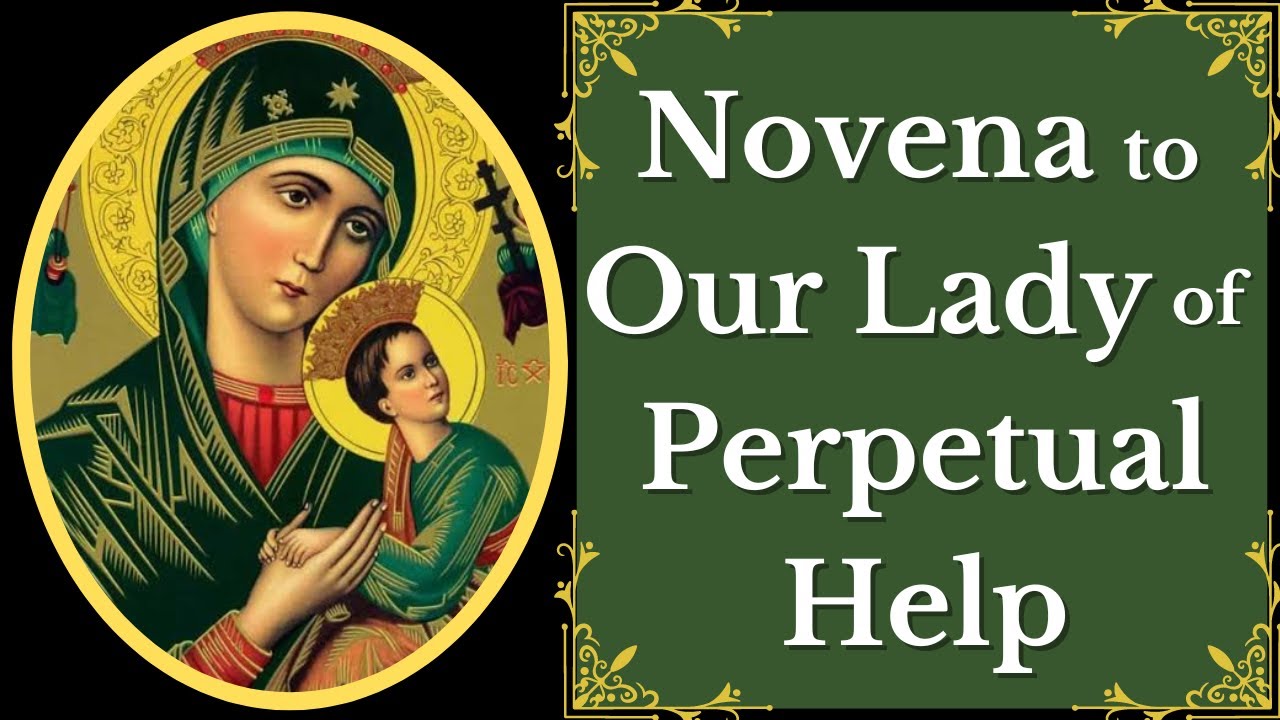
Why this practice matters at the end of life
People nearing death often benefit from reassurance, gentle presence, and familiar words. A quiet moment of blessing can steady emotions and ease anxiety for everyone involved. It’s also a way to respect the person’s values. In healthcare settings, chaplains and families commonly use gentle prayers—alongside evidence-based care and comfort. Reliable guidance on end of life support is available from the NHS; see the overview of care and choices at NHS end of life care. Thoughtful spiritual support can sit alongside clinical care without replacing it.
Core elements of an effective prayer for a sick near death
Although there is no single correct approach, many find the following elements help shape a sincere prayer for a sick near death:
- Presence and peace: Acknowledge that God (or the Sacred) is near; ask for calm.
- Compassion and dignity: Affirm the person’s worth and belovedness.
- Gratitude: Give thanks for the life, relationships, and moments shared.
- Mercy and forgiveness: Offer space for receiving and extending forgiveness.
- Release and trust: Gently commend the person into God’s hands, without forcing outcomes.
- Hope: Speak of light, love, or resurrection according to the person’s belief.
- Brief, familiar words: End-of-life breath and attention may be limited; keep it short and simple.
Step-by-step: preparing to offer a prayer for a sick near death
Taking a moment to prepare can make a big difference when you offer a prayer for a sick near death. These steps help you be present and respectful.
- Check consent and beliefs: Whenever possible, ask the person if they welcome prayer. If they cannot respond, follow known wishes or ask their family. Sensitivity to faith, culture, and personal preference is vital.
- Gather quietly: Reduce noise, lower bright lights, and invite those present to settle. A minute of silence beforehand can calm the room.
- Choose a simple structure: A short opening (addressing God), a few lines of thanks and petition, time for quiet, and a gentle close (such as “Amen”) is enough.
- Match your language to the person: Use words they know—“Lord,” “God of love,” “Heavenly Father,” “Merciful One,” or a non-religious frame like “May you be held in peace.”
- Hold their hand (if appropriate): Touch can be comforting; always ask or observe cues.
- Be mindful of breath: Speak slowly, leave pauses, and keep sentences short.
- Include family: Invite each person to add a few words—“Thank you for…” or “We love you…”—if they wish.
- End with assurance: Conclude with a phrase of trust and peace. For Christians, the Lord’s Prayer or a brief doxology may be familiar.
Sample prayers and templates
A brief Christian prayer for a sick near death
God of compassion, be near to your servant in this hour. Grant calm to their mind, comfort to their body, and light to their path. We thank you for their life, for love shared, and for all that has been. Where there is any fear, bring peace; where there is pain, bring your gentle touch. Hold them in your mercy and guide us all by your Spirit, through Jesus Christ our Lord. Amen.
A longer bedside prayer for the dying
Merciful God, you know our needs before we speak and our hearts before we pray. We bring to you N., beloved to us and precious to you. Thank you for the years of life, the laughter and tears, the family and friends gathered here. We ask your kindness now: relieve their distress, ease any pain, calm anxious thoughts, and surround this bed with your peace.
Where words are hard to find, receive our silence as love. Where there are regrets, grant forgiveness. Where there is unfinished business, give grace to let go. May N. rest in the knowledge that nothing can separate us from your love. When the time comes, receive them into your light and hold us in hope. Through Christ our Lord. Amen.
Interfaith-friendly prayer
Source of Life and Love, be close to N. and to us. In this tender time, bring peace to troubled thoughts, comfort to the body, and courage to the spirit. We give thanks for the gifts of their life and for the love we share. May compassion surround this room, may forgiveness flow freely, and may gentle hope guide each breath. Hold N. in mercy and all of us in your care. Amen.
Short prayer for a sick near death
God of peace, hold N. in your loving care. Ease their pain, calm their fear, and guide them with your light. Amen.
Scriptures and sacred texts to weave into a prayer for a sick near death
Many people draw strength from short, familiar verses. If these are meaningful to the person, you can read one slowly, leaving a pause afterwards. For Christians, Psalm 23 (“The Lord is my shepherd…”) and John 14:1–3 (“Do not let your hearts be troubled…”) are often chosen. If you are shaping a prayer for a sick near death for someone from a different tradition, ask their family or faith leader for a suitable passage.
- Psalm 23: “Even though I walk through the valley of the shadow of death, I will fear no evil; for you are with me.”
- John 14:27: “Peace I leave with you; my peace I give to you. Do not let your hearts be troubled.”
- 2 Corinthians 4:16–18: A reminder that present suffering is not the whole story.
- Short breath prayer: “God of love, be near.” Repeat slowly with the person’s breathing.
For background and additional prayers in the Anglican tradition, see the Church of England’s prayer resources. For practical guidance around end of life conversations, the charity Marie Curie offers supportive information for families and carers.
Supporting someone alongside prayer
Prayer is one part of a wider circle of care. Even a thoughtful prayer for a sick near death should be integrated with good symptom control, emotional support, and clear communication with healthcare professionals. Keep the person comfortable (adjust lighting, reduce noise), be attentive to dry mouth or thirst (follow clinical advice), and speak gently, even if they seem unresponsive—hearing can remain late into the process. If you need clinical guidance or hospice support, your GP, community nurses, or the NHS end of life care pages can point you towards local services.
Common mistakes to avoid when offering a prayer for a sick near death
- Overwhelming length: Keep it brief. A minute or two is often best.
- Unwanted preaching: Focus on the person’s peace and comfort, not on debate or persuasion.
- Promising outcomes: Avoid stating that recovery is certain. Pray honestly and gently.
- Ignoring consent: If the person disliked religious language, use neutral words of blessing and peace.
- Centre-stage emotions: It’s normal to feel deeply, but try to keep the focus on the person.
- Rushing: Leave pauses. Silence can be as healing as speech.
Ethical and cultural sensitivity around a prayer for a sick near death
People hold varied beliefs about illness, dying, and the afterlife. A respectful prayer for a sick near death should reflect the person’s own tradition where known. For Roman Catholics, consider contacting a priest for the Anointing of the Sick. For Orthodox Christians, a parish priest may lead specific prayers and anointing. Many Protestant communities have flexible bedside prayers and pastoral support. Where beliefs are uncertain, use inclusive language focused on peace, gratitude, forgiveness, and love, and invite family guidance.
Recommended external resources
- NHS: End of life care overview – information on choices, symptom control, and support services alongside spiritual care.
- Church of England prayer resources – prayers, readings, and pastoral guidance for those who are ill or dying.
- Marie Curie: Support for terminal illness – practical help for families and carers, including emotional and spiritual support.
- Vatican resources – official texts and
