Prayer for protection upon our children: essential guide, 7 steps
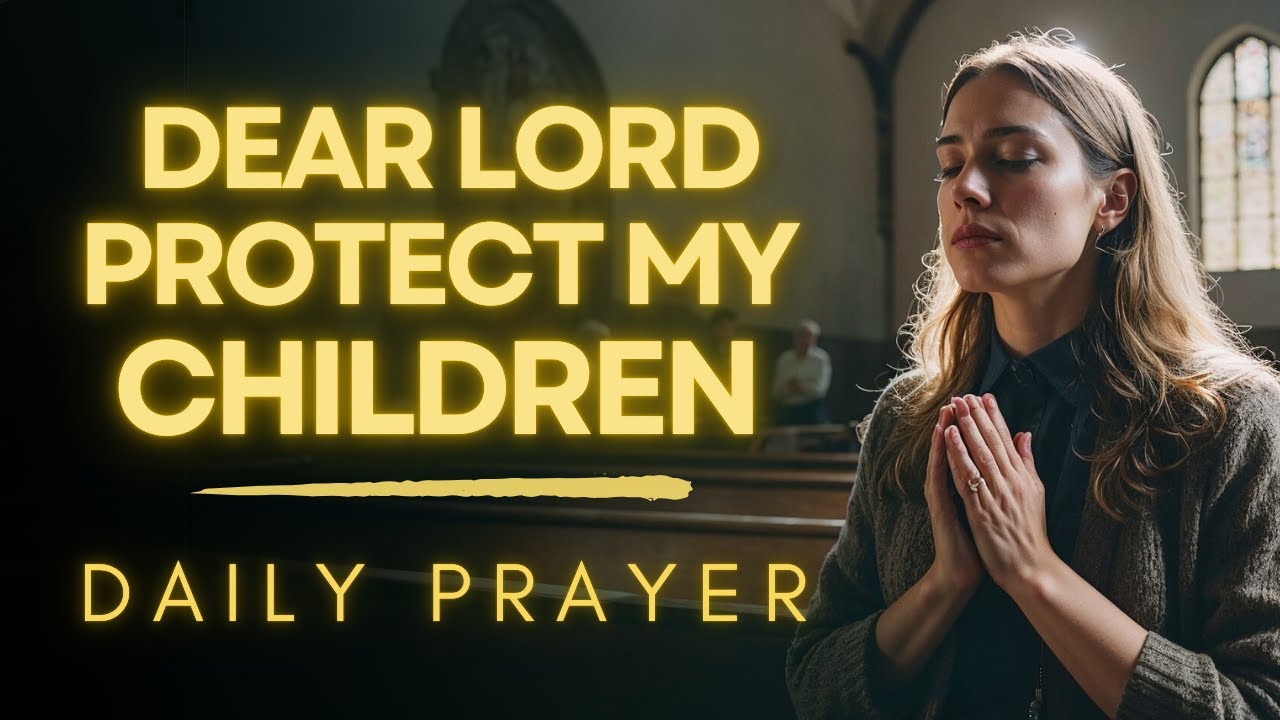
Prayer for protection upon our children
For many families, a heartfelt prayer for protection upon our children is both a daily ritual and a deep reassurance. In a world that can feel uncertain, bringing our sons and daughters before God is a simple, steady way to express love, hope, and trust. Whether you are new to faith, returning after a time away, or simply looking for language to frame your care, this guide offers a practical, gentle approach to praying for your children’s safety, growth, and peace.
At its best, a prayer for protection is not superstition or a quick fix. It is an act of love and intention, recognising that our safeguarding duties and wise decisions matter, while also entrusting the children we cherish to God’s keeping. In this article, we will explore what a prayer for protection upon our children involves, why it matters, how to write your own, and how to pray with confidence and calm in everyday moments.
We will also offer sample prayers you can adapt, highlight common mistakes to avoid, and point you to reliable resources. Throughout, you will find practical ideas that can fit naturally into family life, morning and evening routines, and the moments that matter most.
What do we mean by prayer for protection upon our children?
By prayer for protection upon our children, we mean speaking to God—aloud or silently—to ask for safeguarding, guidance, strength, and peace for our children. This can be a short sentence whispered at the school gate, a longer intercession during a family devotion, or a quiet prayer as you watch them sleep. The emphasis is on both physical safety and the deeper qualities that help them flourish: wisdom, courage, kindness, and resilience.


For many Christians, this prayer builds on biblical promises of God’s care. Texts such as Psalm 91 (often called the “protection psalm”) and Psalm 121 (“I lift up my eyes to the hills”) have comforted generations. If you wish to read them in full, you can find them in accessible translations such as the NIV at Psalm 91 on Bible Gateway and Psalm 121 on Bible Gateway. The Lord’s Prayer also reminds us to ask, “Deliver us from evil,” which many families include when praying for children.
Why it matters in everyday life
Praying for protection can help parents and carers move from anxious rumination to calm action. It centres our attention and reminds us of what we can do: teach, guide, protect, and also let go wisely. A regular prayer for protection upon our children anchors the day and can become a cherished family habit. It is as much about shaping our hearts as it is about shaping our words.
Importantly, prayer sits alongside practical safeguarding, never in place of it. We still put helmets on heads, set age‑appropriate boundaries, and choose safe online settings; prayer adds patience, compassion, and steadiness. For practical safeguarding guidance in society at large, resources such as UNICEF’s overview of child protection outline helpful frameworks and responsibilities that complement our spiritual habits.
The foundations of protective prayer
Key themes you can include
- Trust: entrusting children to God’s care while doing all we can.
- Wisdom: asking for sound judgement for children and adults alike.
- Courage and peace: facing challenges without panic.
- Community: support from family, friends, teachers, and neighbours.
- Grace: patience when mistakes happen, and hope for new starts.
Scriptural anchors
Many parents frame a prayer for protection upon our children with short lines of Scripture. Some especially gentle choices include:
- Psalm 91: “He will command his angels concerning you to guard you in all your ways.” See Psalm 91 on Bible Gateway.
- Numbers 6:24–26: the priestly blessing, “The Lord bless you and keep you.”
- Psalm 121: “The Lord will watch over your coming and going.” See Psalm 121 on Bible Gateway.
- Matthew 6:13: “Deliver us from evil,” within the Lord’s Prayer; for family-friendly wording, see Church of England prayers for children and families.
- Proverbs 3:5–6: “Trust in the Lord with all your heart … and he will make your paths straight.”
How to craft a prayer for protection upon our children
You may prefer a set text, or you may want to write one that reflects your family’s life. Either way, these steps will help you shape a clear, sincere prayer for protection upon our children without fuss or fear.
- Begin with praise or thanksgiving. A simple “Loving God, thank you for the gift of our children” is enough.
- Name the need plainly. “Guard them at school,” “Keep them safe online,” or “Bring them home in peace.”
- Weave in Scripture. Include a line such as “You are our refuge and fortress” to steady your prayer.
- Be specific and personal. Name your child and the situation; specifics focus the heart.
- Ask for wisdom for adults. Pray for teachers, carers, and your own judgement as a parent.
- Close with trust. “Into your hands we commit them, now and always.”
Keep the tone conversational. A prayer for protection upon our children does not need special vocabulary to be powerful; sincerity is enough. If you find it helpful, write your prayer on a card you can keep by the door, on the fridge, or in a phone note for school runs and trips away.
Sample prayers you can adapt
A short morning prayer
Lord, thank you for this new day. Please place your protection over our family. Guard our children in their going out and coming in; give them wisdom, kindness, and courage. Help teachers, carers, and friends to support them well. We trust you to guide their steps. Amen.
An evening prayer of calm
God of peace, as night draws in, we commit our children to your care. Calm their minds, restore their energy, and keep them safe from harm. May your angels watch over them, and your love surround them. Amen.
For school and learning
Father, bless our children as they learn and grow. Keep trouble and bullying far from them; give them confidence, focus, and good friendships. Protect them in the playground, classroom, and online. Help them to be brave, fair, and kind. Amen.
For journeys and holidays
Lord, go before us as we travel. Keep our children safe in cars, on buses, on bikes, and on foot. Bring us to our destination in peace and bring us home again with gratitude. Amen.
When anxiety rises
God, you know our worries. We ask your protection over our children and your peace in our hearts. Help us to act wisely, sleep well, and trust you with what we cannot control. Amen.
A simple communal prayer for protection upon our children
Heavenly Father, together we ask your prayer for protection upon our children to be our family’s daily covering. Keep them safe, make them wise, and lead them in your ways, today and every day. Amen.
Praying with others: family, friends, and community
Praying together often strengthens the habit. In a busy household, choose calm moments: before breakfast, at the car door, or when everyone is back from school. A short, steady prayer for protection upon our children repeated daily becomes a rhythm, not a burden. Extended family can join in by text or call, especially on exam days, first clubs, or trips away.
Church communities can provide language and support, especially at milestones. Some families also like to refer to traditional prayers that ask God’s care through angelic protection; if you are interested in how faith traditions view protectors, this article offers background on a key figure: who is Michael the Archangel.
Common mistakes to avoid when using prayer for protection upon our children
- Turning prayer into fear. Keep your words hopeful and balanced; avoid imagining worst‑case scenarios as you pray.
- Thinking prayer replaces action. Use prayer to energise practical safeguarding: check seatbelts, review online settings, meet teachers.
- Overlong or complicated wording. Children respond to simple, uplifting phrases they can remember.
- Praying only in emergencies. A daily prayer for protection upon our children builds a peaceful routine that steadies everyone.
- Forgetting gratitude. Include thanks for lessons learned, help received, and near‑misses avoided; gratitude reduces anxiety.
Integrating prayer and practical safeguarding
Prayer and wise action belong together. After you say a prayer for protection upon our children, consider small steps that make a real difference:
- Agree family rules for phones and devices; use parental controls that match your child’s age.
- Practise road safety and talk through common scenarios calmly.
- Keep school and club contacts up to date; know who to call.
- Encourage open conversations about friendships and feelings.
- Work with your community—neighbours, teachers, faith leaders—to create a safe environment.
For ideas that support family prayer time with children at different ages, you may find this overview helpful: Church of England prayers for children and families. It can sit alongside your own words and routines.
Making it a habit: small and sustainable
Habits grow when they are convenient and meaningful. Choose one or two anchor moments each day and keep your prayer for protection upon our children short enough to remember. Invite children to add a sentence: “Please help me with maths,” or, “Keep my friend safe.” This builds ownership and openness.
On birthdays or other milestones, an extra blessing can be a joyful tradition. If you’d like ideas for marking birthdays with faith‑filled words, you might enjoy this collection of gentle messages and examples: simple birthday blessings. Moments of celebration are a natural time to speak protection, purpose, and hope over a child’s life.
Adapting prayer for different ages and stages
Early years
Use short lines and repeat them. A bedtime rhyme that says, “God loves you, God keeps you, God is near,” can settle even a busy toddler. Your prayer for protection upon our children at this stage is more about tone and rhythm than detail.
Primary years
Children in primary school often enjoy helping craft the words. Invite them to mention a friend, a teacher, or a place where they want God’s help. Keep the prayer hope‑filled and concrete: “Keep me safe on the playground; help me be brave and kind.”
Teenagers
Teens may prefer privacy and autonomy. Offer a short blessing at the door or a text message that says, “Praying for you—God go with you.” Keep your prayer for protection upon our children respectful of their independence while remaining available for deeper conversations.
When prayer feels hard
There are days when words do not come. It is perfectly fine to use a set prayer or to sit in silence. Some find comfort in repeating a single line of Scripture or the Lord’s Prayer slowly. Others write a short note to God or take a quiet walk. If you are facing serious worry, pairing a prayer for protection upon our children with practical support—from a school, GP, counsellor, or faith leader—can be wise and healing.
Recommended external resources
- Psalm 91 (NIV) on Bible Gateway – widely used in prayers for God’s protection.
- Church of England: prayers for children and families – set prayers and ideas for home.
- UNICEF: child protection overview – practical safeguarding frameworks to complement prayer.
Related articles
Frequently asked questions about prayer for protection upon our children
Do I need special language to pray for protection?
No. Speak plainly, as you would to a trusted friend. A simple, sincere prayer for protection upon our children can be as brief as, “Lord, keep them safe and give them peace today.” The key is to be honest and consistent.
Which Bible verses are best for protective prayers?
Popular choices include Psalm 91, Psalm 121, Numbers 6:24–26, and the Lord’s Prayer (especially “Deliver us from evil”). Choose one or two that resonate and use them regularly within your prayer for protection upon our children.
How often should I pray this way?
Daily is ideal, but do what fits your routine. Many families pray a short blessing in the morning and a calm prayer at bedtime. A brief prayer for protection upon our children before travel or new experiences can also be helpful.
How can I involve my children without making them uncomfortable?
Keep it short and voluntary. Offer them a turn to add one sentence, or invite them to choose a line of Scripture. As they grow, your prayer for protection upon our children can adapt to their preferences—spoken, written, or silent.
What if I feel my prayers are not “working”?
Prayer is not a guarantee that nothing difficult will occur. It is a relationship with God that shapes our hearts and actions. Keep praying, keep acting wisely, and seek practical help where needed. Your faithful prayer for protection upon our children can bring peace and clarity even in challenging times.
Is it okay to use set prayers instead of my own words?
Absolutely. Many find that set prayers lend focus when emotions run high. You can blend them with personal lines or simply read them as written. A regular pattern often helps a prayer for protection upon our children become a comforting habit.
Conclusion on prayer for protection upon our children
A thoughtful, steady prayer for protection upon our children is a gift you can offer every day. It is not a substitute for practical safeguarding; rather, it strengthens our resolve to care wisely while entrusting our loved ones to God’s faithful keeping. In a few short sentences, we voice what matters most: safety, wisdom, courage, and peace for our sons and daughters.
As you build this habit, keep your words simple, your tone hopeful, and your practice consistent. Draw on Scripture that reassures you, and allow your prayer for protection upon our children to evolve as your family grows. With time, these moments of prayer can become a calming rhythm that frames your days.
Whether whispered at the door, shared at bedtime, or texted to a teen on the move, your prayer for protection upon our children will speak love into the ordinary and the unexpected alike. May it bring you clarity, steadiness, and a deep sense that you do not walk this path alone.
