Prayer for the family in islam: 10 essential, practical duas
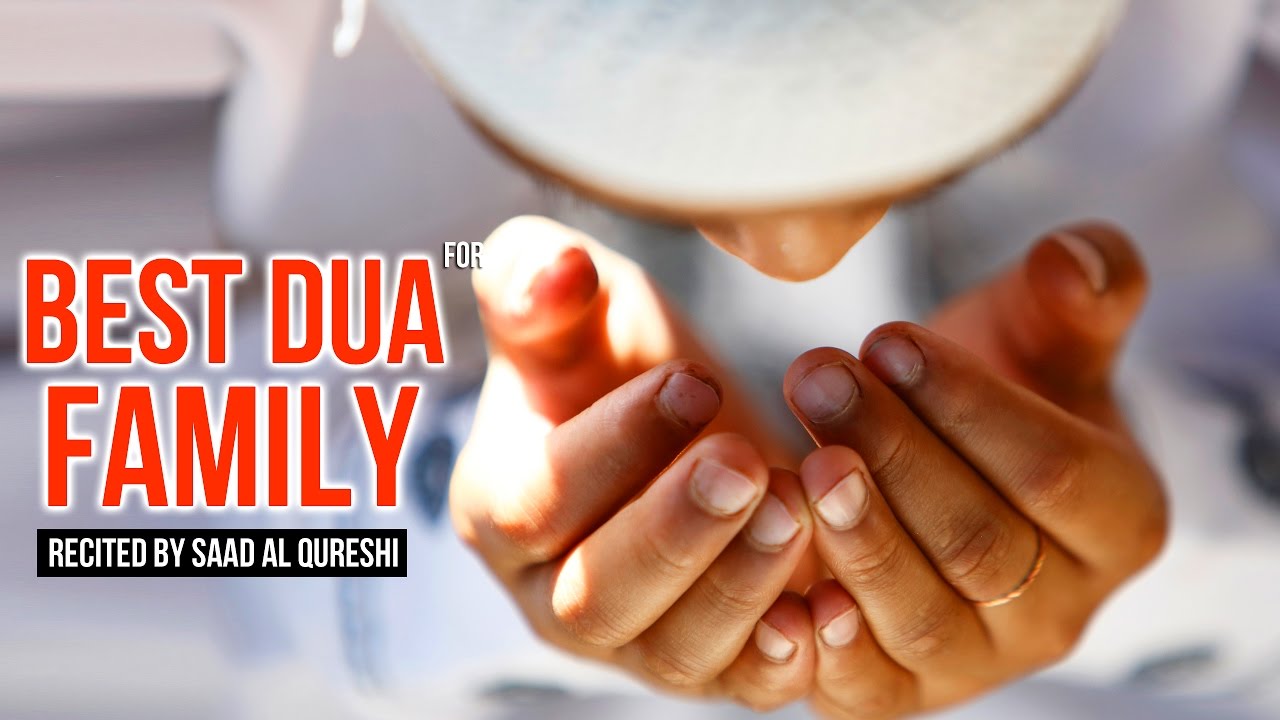
prayer for the family in islam
For Muslims, prayer for the family in islam is both an act of worship and a way of safeguarding the wellbeing of those we love. Families are the first communities in which we learn faith, manners, and resilience, so prayer for the family in islam helps parents, children, and relatives stay connected to Allah and to one another. Whether whispered as a personal supplication or shared aloud after congregational worship, these prayers nurture mercy at home, invite blessings, and guide families through both everyday routines and stormy seasons of life.
This guide explains what prayer for the family in islam means, why it matters, and how to practise it with sincerity. You will find clear examples, key Qur’anic invocations, practical steps, and common mistakes to avoid, along with helpful resources and answers to frequently asked questions. The aim is to make the beautiful practice of family supplication easy to understand and effortless to weave into your daily life.
What prayer for the family in islam means
In Islam, “prayer” has two complementary forms. The first is Ṣalāh, the five daily ritual prayers that structure a believer’s day. The second is du‘ā (supplication), heartfelt, spontaneous requests made to Allah in any language and setting. When people speak about prayer for the family in islam, they usually mean du‘ā for spouses, parents, children, siblings, and extended kin, while also recognising that performing Ṣalāh together and as individuals strengthens family bonds.
Salah and du‘ā: two strands of one rope
Ṣalāh is fixed in wording and timing; it trains the heart, disciplines the body, and keeps faith alive. Du‘ā is highly personal: you choose your words, your needs, and your tone. Both are vital. Many Muslims find it powerful to make du‘ā for the family immediately after Ṣalāh, when the heart is softened and attention is still anchored in worship.


Who is “family” in this context?
Prayer for the family in islam typically includes spouses, children, parents, grandparents, siblings, and in-laws. It may also extend to relatives abroad, close friends who feel like family, and, importantly, to the wider community of believers. Islam places great emphasis on kinship ties, compassion and dutifulness, so family-focused du‘ā is a natural expression of faith.
Why prayer for the family in islam matters today
Families face time pressures, digital distractions, financial stress, and – in many homes – differing levels of religious knowledge. Prayer for the family in islam offers a steadying rhythm and a hopeful lens. It does the following:
- Fosters mercy: regularly asking Allah for patience, affection, and understanding softens hearts and encourages better manners at home.
- Promotes resilience: families who turn to Allah together are better equipped to endure setbacks and forgive one another.
- Builds shared purpose: agreeing on meaningful supplications – for good character, lawful provision, and beneficial knowledge – aligns family goals.
- Encourages gratitude: pausing to thank Allah for small daily blessings helps to counter anxiety and entitlement.
- Nurtures children’s faith: children who hear and join du‘ā learn that Allah is near and that life’s moments, big and small, are held within divine care.
In short, prayer for the family in islam is both practical and spiritual. It supports mental wellbeing, strengthens relationships, and invites barakah (blessing) into the home, while keeping the family grounded in a higher purpose.
Core sources and beautiful prayers from the Qur’an and Sunnah
Muslims often begin with Qur’anic du‘ās because they are concise, comprehensive, and blessed. Two well-loved examples directly relate to family:
- “Our Lord, grant us, from our spouses and our offspring, joy for our eyes, and make us leaders of the righteous.” (Qur’an 25:74) – See the verse in context at Qur’an 25:74 on Quran.com.
- “My Lord, have mercy upon them [my parents] as they raised me when I was small.” (Qur’an 17:24) – Read the verse at Qur’an 17:24 on Quran.com.
From the Sunnah, the Prophet Muhammad encouraged kindness to family, taught comprehensive supplications, and modelled a home life filled with remembrance. For a clear overview of prophetic teachings that guide daily life, see Imam Nawawi’s Forty Hadith (concise prophetic guidance). To explore the concept of du‘ā more broadly, this overview of du‘ā gives helpful context.
It is perfectly acceptable to use your own words in your native language when making prayer for the family in islam. The essentials are sincerity, humility, and trust in Allah. Many families blend Qur’anic phrases with their personal needs, creating a warm and natural flow in their supplications.
How to make prayer for the family in islam: step by step
1) Choose your moments wisely
- After the five daily prayers: especially after Fajr (dawn) and ‘Ishā’ (night).
- In the last third of the night: when many Muslims seek forgiveness and guidance.
- On Fridays: a special day in Islam; gather briefly for shared du‘ā.
- At transitions: before school runs, journeys, important meetings, or exams.
- During hardship: illness, grief, disagreements – whenever the heart needs calm.
2) Keep the etiquette simple and sincere
- Face the Qiblah if convenient, raise your hands, and begin by praising Allah.
- Send blessings upon the Prophet Muhammad (for example, “Allāhumma ṣalli ‘alā Muḥammad…”).
- Ask clearly for what your family needs, including protection, guidance, and unity.
- End with gratitude and again send blessings upon the Prophet.
3) Alternate between Arabic and your own language
Short Qur’anic du‘ās are ideal to memorise. Then add your own words so your supplications reflect your family’s realities. Children learn quickly when phrases are short and repeated regularly. Keeping prayer for the family in islam relatable and warm ensures everyone feels included.
4) Involve every generation
- Invite children to suggest what to pray for: “Let’s ask for Grandma’s health,” or “Let’s pray for patience with homework.”
- Ask teenagers to read out a Qur’anic verse or to lead a short du‘ā in their own words.
- Include grandparents on speakerphone or video calls so distance does not exclude them.
Practical examples of prayer for the family in islam
You can adapt the following examples to suit your family. Use them as a starting point:
- For harmony: “Our Lord, put affection and mercy between us, forgive our mistakes, and help us speak kindly even when we are tired.”
- For parents: “My Lord, bless our parents with health, patience, and a good end, and reward them for their sacrifices.”
- For children: “Our Lord, grant our children sound faith, good character, and beneficial knowledge; protect them from harmful influences.”
- For spouses: “Our Lord, make us garments for one another in love and faith, and help us to be fair, gentle, and faithful.”
- For provision: “O Provider, grant us lawful earnings, contentment with what is enough, and generosity towards those in need.”
- For protection: “O Guardian, shield our home from envy, conflict, and harm seen and unseen.”
- For health: “O Healer, cure our sick and strengthen our bodies and minds.”
- For forgiveness: “Our Lord, forgive our sins, conceal our faults, and help us forgive one another.”
- During exams or pressures: “O Opener, expand our chests, clarify our minds, and grant us success without arrogance.”
- Before journeys: “Our Lord, make this journey easy, keep us safe, and reunite us with our family in joy.”
When you repeat these kinds of requests daily or weekly, prayer for the family in islam becomes an anchor that steadies the household.
Common mistakes to avoid
- Rushing without attention: If du‘ā becomes mechanical, slow down. A sincere half-minute is better than a distracted five minutes.
- Forgetting action: Prayer for the family in islam must be paired with effort – counselling when needed, better routines, and fair conflict resolution.
- Excluding someone: Be mindful not to overlook stepchildren, in-laws, or non-Muslim relatives; prayer can include well-wishing for all.
- Using only Arabic when family does not understand: Include your own language so everyone grasps the meaning.
- Making du‘ā only in crisis: Build a daily habit so gratitude and hope shape your home even in calm times.
- Overly long sessions with young children: Keep it short and consistent; gradually extend as attention grows.
A simple family prayer plan
Planning helps consistency. Consider the following framework and adapt it to your household:
Daily rhythm
- After Fajr: one Qur’anic du‘ā and one personal supplication for the day’s needs.
- After Maghrib or ‘Ishā’: a brief family du‘ā for unity, forgiveness, and protection at night.
Weekly focus
- Friday: share a verse or hadith at dinner, followed by a few minutes of supplication led by a different family member each week.
- Midweek check-in: ask, “What shall we pray for this week?” and note key requests.
Family du‘ā journal
- Keep a small notebook where you list requests and later record answered prayers. This reinforces gratitude and trust in Allah.
- Invite children to decorate pages or write a short line of thanks when something goes well.
Digital tools, used wisely
- Set quiet reminders around prayer times to prompt a minute of family supplication.
- Share concise, kind messages with relatives – for example on Thursdays or Fridays – to encourage a culture of remembrance and blessing. For inspiration on sharing uplifting messages, see spiritual ideas for Thursday blessings and good morning Friday blessings.
Linking du‘ā with character and routine
Prayer for the family in islam is most effective when matched with daily acts of service and kindness: helping with chores, speaking respectfully, being punctual, and seeking reconciliation quickly after disputes. It is not about perfection but about progress. Families grow closer when they combine worship, good manners, and practical support.
The Prophet taught that the best of people are those who are best to their families. Reading a short hadith together and making a focused du‘ā afterwards can plant seeds of good character – seeds that, watered by consistency, grow into long-term habits.
Exploring the wider context
To understand how family life, worship, and ethics are interconnected, you might find these resources useful: the BBC’s overview of family life in Islam offers cultural and ethical insights at BBC guide to family life in Islam. For the foundations of ritual prayer that structure the day, see an overview of Ṣalāh. These will deepen your grasp of how prayer for the family in islam weaves through daily routines and moral choices.
Recommended external resources
- Qur’an 25:74 – supplication for spouses and offspring on Quran.com
- Qur’an 17:24 – supplication for mercy upon parents on Quran.com
- Imam Nawawi’s Forty Hadith – concise prophetic guidance on Sunnah.com
- Background and practice of du‘ā (supplication) on Wikipedia
Related articles
Frequently asked questions about prayer for the family in islam
Is it better to make family du‘ā in Arabic or in our own language?
Both are good. Short Qur’anic du‘ās in Arabic carry special blessing, but Allah hears you in any language. Many families combine a brief Arabic supplication with plain, heartfelt requests in their native tongue so everyone understands the meaning.
Can we make prayer for the family in islam together after Ṣalāh?
Yes. After finishing the formal prayer, gather briefly and make du‘ā together. Keep it simple so it fits your routine. Even one minute of sincere supplication can transform the atmosphere at home.
What if my family members are at different levels of faith?
Keep the tone inclusive and kind. Invite, do not pressure. Focus on universal requests – health, patience, unity, wisdom – and be consistent. Over time, gentle practice and good character often open hearts more than long speeches.
Can I make du‘ā for non-Muslim family members?
You can pray for their wellbeing, guidance, health, safety, and good in this life. Many Muslims regularly include such prayers, expressing love and concern while entrusting outcomes to Allah.
How long should prayer for the family in islam be?
There is no fixed length. Start with 30–60 seconds after a daily prayer. On Fridays or quiet evenings, you may extend it. Regular, consistent practice matters more than duration.
What if my children find it boring?
Keep it short, let them choose topics, and celebrate participation. Rotate who leads the du‘ā. Use simple language and relate requests to their experiences – school, friends, hobbies, or worries. A family du‘ā journal can also engage them.
Do we need to raise our hands and face the Qiblah?
These are recommended etiquettes that help focus the heart, but du‘ā is valid anywhere, at any time. If convenient, face the Qiblah and raise your hands; if not, go ahead and still make your supplication.
Conclusion on prayer for the family in islam
At its heart, prayer for the family in islam is about asking Allah to fill our homes with faith, patience, and compassion. By blending brief Qur’anic invocations with personal requests, families create a steady practice that supports them through daily challenges and big life decisions. The simplest prayers – “Our Lord, unite our hearts,” “My Lord, have mercy on our parents,” “O Protector, keep our children safe” – often have the deepest impact when made consistently.
Build small, sustainable habits: a minute of du‘ā after Ṣalāh, a Friday round of gratitude, a shared journal to note requests and answered prayers. Pair your supplications with good manners and practical effort. In doing so, prayer for the family in islam becomes a living thread that weaves mercy, clarity, and hope through your home.
Whether your household is large or small, newly formed or multi-generational, start where you are. Make one sincere request today and another tomorrow. With patience and trust, prayer for the family in islam will help your family grow in faith, kindness, and resilience.
