Good Samaritan: 7 Ways to Show Compassion Today
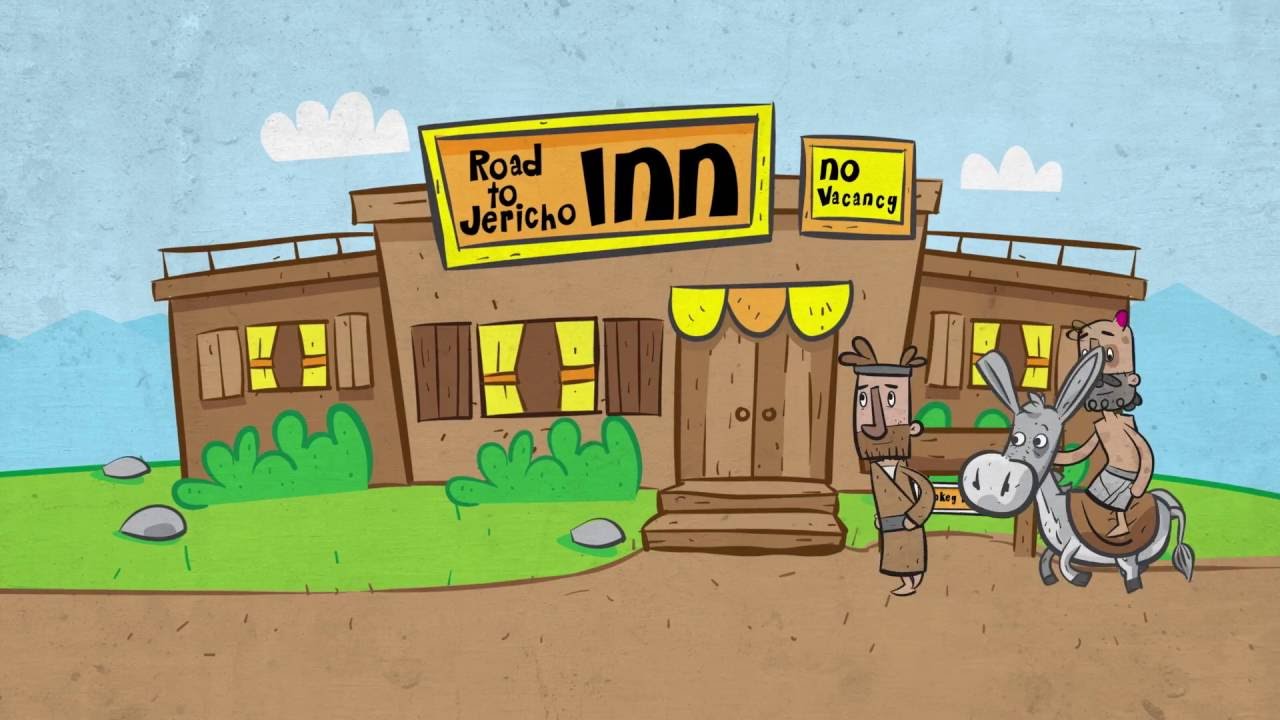
The Good Samaritan
The story of the Good Samaritan has inspired countless generations with its vital message of compassion and altruism. 🌟 But what does being a Good Samaritan truly mean in today’s world? This article dives deep into the significance of the Good Samaritan and how it can apply to various aspects of our lives. Prepare to explore practical applications and complementary tools that will enhance your ability to enact kindness and support in your community.
The Story Behind the Good Samaritan
Originating from the Gospel of Luke (10:25-37), the parable of the Good Samaritan tells the story of a man who, despite being of a different background, stops to help an injured traveler. This act of kindness emphasizes the importance of caring for others, regardless of their social status or ethnicity. The story serves as a reminder of the moral obligation to help those in need.
While some may argue that this concept is rooted solely in religious teachings, its core message transcends faith and speaks to the universal human experience of empathy and kindness. Understanding the true essence of the Good Samaritan allows us to foster compassion in our modern-day interactions.
Why Being a Good Samaritan Matters Today
In a world sometimes characterized by division and indifference, embodying the spirit of the Good Samaritan is more crucial than ever. Connecting with others through acts of kindness contributes to a healthier, more harmonious society. Here are a few key reasons to embrace this mindset:

- Strengthens Community Bonds: Acts of kindness foster a sense of belonging and community.
- Enhances Personal Well-being: Helping others is associated with increased happiness and reduced stress.
- Encourages a Ripple Effect: One act of kindness can inspire others to follow suit, creating a positive cycle.
- Increases Empathy: Practicing altruism helps us understand varying life circumstances and challenges.
How to Be a Good Samaritan in Your Everyday Life
Being a Good Samaritan doesn’t always mean grand gestures; sometimes, the small, everyday actions can have the most profound effects. Below are actionable steps you can integrate into your daily routine:
1. Volunteer Your Time
Consider local organizations that align with your passions. Whether it’s at a food bank, animal shelter, or youth mentoring program, your time can make a difference. For example, volunteering at VolunteerMatch connects you with suitable opportunities to help others in your area.
2. Perform Random Acts of Kindness
Surprise someone with coffee or help them carry something heavy. Small gestures can have lasting impacts that uplift spirits. One way to structure these acts is through the Pay-It-Forward concept, where you encourage a chain reaction of goodwill.
3. Offer Support to Neighbors
Check on elderly neighbors or offer to assist those with busy families. Simple, consistent check-ins reaffirm that you care and can often lead to meaningful conversations and friendships.
4. Practice Active Listening
Being a Good Samaritan also involves being there for your friends and family. When someone talks to you about their challenges, actively listen without judgment. Sometimes, just knowing someone is there can provide immense comfort.
Complementary Tools for Enhancing Good Samaritan Efforts
To further your efforts of being a Good Samaritan, there are various tools and resources that can enhance your impact. Here are some complementary tools that work wonderfully alongside the Good Samaritan mindset:
1. Community Service Platforms
Explore platforms like VolunteerMatch for opportunities to serve. Using this platform can connect you with various organizations needing help in your area.
2. Social Media for Awareness
- Spread Awareness: Use social media to highlight community needs and challenges.
- Organize Events: Coordinate charitable events or fundraisers through platforms like Facebook Events.
- Connect with Like-Minded Individuals: Engage with local community groups online to find support.
- Share Personal Stories: Share your Good Samaritan experiences to inspire others and create a sense of connectedness.
3. Educational Resources
Websites like Coursera offer courses on ethics, empathy, and community service, which can enhance your understanding and effectiveness in helping others.
4. Mobile Apps for Social Good
Utilize apps such as GoodGym that combine exercise with community service. These platforms enable you to work out while helping others, creating a win-win situation.
5. Crowdfunding Platforms
Websites like GoFundMe allow you to organize and share fundraising campaigns for community members in need, effectively aggregating support for individuals facing financial hardship.
Combining the Good Samaritan with Modern Technology
In our digital age, technology can significantly enhance our ability to be a Good Samaritan. Here are specific ways technology supports altruistic endeavors:
1. Organizing Community Outreach
Online tools such as calendars and event platforms facilitate community outreach, helping you plan and promote events effectively.
2. Leveraging Social Media
Social media can amplify your efforts in reaching a broader audience. By following nonprofit pages or community groups, you can stay informed about ongoing needs in your vicinity.
3. Engaging in Virtual Volunteering
In times where physical presence is challenging, engaging in virtual volunteering through platforms such as Sparked allows you to support causes remotely.
4. Utilizing Community Apps
Apps like Nextdoor facilitate local connections, allowing you to offer help directly to neighbors in need.
Conclusion: The Enduring Value of the Good Samaritan
The spirit of the Good Samaritan remains relevant, inspiring countless individuals and communities. By implementing the ideas mentioned in this article and utilizing the complementary tools outlined, you are equipped to embrace altruism in your everyday life. Every small action counts, and you can be the catalyst for positive change through kindness and compassion.
Understanding the Good Samaritan Parable
Have you ever been inspired by a story of kindness and compassion? One such remarkable tale is the Good Samaritan, a narrative from the Bible that resonates deeply with audiences worldwide. 🌍 This parable teaches the importance of helping others, regardless of their background or circumstances. It’s a timeless reminder that empathy and goodwill can create meaningful change in our communities. But what does the Good Samaritan truly signify in our modern context? Let’s explore this powerful message and its significance today.
The Good Samaritan’s Key Message
At its core, the Good Samaritan parable illustrates the importance of compassion and charity. It narrates the story of a traveler who is attacked by robbers and left to suffer on the roadside. While many pass by without offering assistance, a Samaritan stops to help, showcasing a profound sense of humanity. This encourages us to reach out beyond our social or cultural differences to help those in need.
Why is This Message Relevant Today?
In an age where division and strife are often highlighted in the media, the message of the Good Samaritan remains crucial. It prompts us to consider how we treat others, especially those who may not share our beliefs or lifestyles. This parable serves as a moral benchmark, urging individuals to overcome biases and act with kindness.
Practical Applications of the Good Samaritan Principle
Integrating the Good Samaritan’s principle into everyday life can transform communities. Here are some real-world applications:
- Volunteering: Spend time at local shelters or community centers, helping those in need.
- Advocating for the Underprivileged: Use your voice and resources to stand up for marginalized groups.
- Education: Teach children the values of kindness and compassion through stories and activities.
- Personal Acts of Kindness: Even small gestures, like helping a neighbor or offering support, can reflect the Good Samaritan spirit.
The Impact of Technology on Acts of Kindness
The digital age allows us to amplify the Good Samaritan spirit through social media and online platforms. By sharing acts of kindness or fundraising for causes, individuals can reach wider audiences and inspire others. Innovative tools enhance these efforts, making it easier to help those in need. What’s more, using complementary tools can provide additional support in promoting the Good Samaritan message.
Complementary Tools to Enhance Your Good Samaritan Efforts
Here are some ideas on how to use various tools alongside the Good Samaritan principle:
- Social Media Platforms: Utilize platforms like Facebook or Instagram to raise awareness for those in need or to share stories of kindness.
- Online Fundraising Tools: Websites like GoFundMe can help raise funds for individuals or charitable causes. Start a campaign to support someone in your community.
- Community Apps: Use local apps to connect with community services that offer assistance and donate your time or resources.
- Skill Sharing Platforms: Offer your skills (like tutoring or mentorship) to those who may benefit from them. Platforms such as Skillshare provide the framework for sharing your knowledge.
- Mobile Donation Apps: Apps like Charity Navigator can help you find reputable charities to support directly from your phone.
- Local Volunteer Services: Search for platforms that connect volunteers with those in need, such as VolunteerMatch.
- Community Outreach Programs: Engage with organizations that focus on helping the underprivileged or at-risk individuals in your area.
- Blogging or Vlogging: Share your journey of helping others and inspire your audience with your own Good Samaritan stories.
- Event Organizing Tools: Use platforms like Eventbrite to set up charity events where community members can gather and support a good cause.
- Online Education Resources: Websites like Khan Academy can help educate others, demonstrating how knowledge sharing complements the Good Samaritan ethos.
Detailed Breakdowns of Complementary Tools
Online Fundraising Tools: GoFundMe
- Easy Setup: Creating a campaign is straightforward and requires minimal time, allowing you to focus on what matters – helping.
- Widespread Reach: Share your campaign on social media for greater visibility, making it easier to gather support.
- Variety of Causes: Whether personal, medical, or community-focused, GoFundMe supports various types of fundraisers.
- Trust and Security: Established and well-regarded, GoFundMe provides a secure platform for donations, ensuring peace of mind for both donors and recipients.
Mobile Donation Apps: Charity Navigator
- Trusted Ratings: Evaluates charities based on financial health, accountability, and transparency, helping users make informed choices.
- Search Filters: Easily find charities that align with specific values or causes you care about.
- Donation Tracking: Keep track of donations and their impacts, promoting accountability.
- Informed Giving: Learn more about how your contributions will be used, ensuring your support reaches those in need.
The Psychological Benefits of Acting Like the Good Samaritan
Engaging in acts of kindness not only helps the recipients but also offers significant psychological benefits to the giver. Research shows that helping others can lead to improved emotional well-being, reduced stress, and even enhanced physical health. By embodying the spirit of the Good Samaritan, individuals can foster deeper connections within their communities.
Encouraging Others to Embrace the Good Samaritan Spirit
One person’s act of kindness can inspire a wave of goodwill. Encourage others to adopt the Good Samaritan ethos by sharing your experiences and the positive impacts you’ve witnessed. Create forums within your community to discuss ways to help others, combining your efforts with the resources mentioned earlier.
Engagement Through Storytelling
Stories of kindness resonate powerfully. Sharing personal experiences or testimonies about how the Good Samaritan principle has made a difference can motivate others in your community. Use tools like blogging platforms or social media to spread these messages. 💬
By tapping into the Good Samaritan’s teachings, we can inspire collective efforts that transform lives and nurture communities in profound ways.
Conclusion: Living the Good Samaritan Ethos Every Day
Adopting the Good Samaritan principle involves a commitment to compassion, understanding, and action. By integrating complementary tools into your efforts, you can enhance your capacity for kindness and create a ripple effect in your community. As you reflect on the lessons of the Good Samaritan, consider how you can contribute to a more caring world.
Note: The article has been structured to cover essential aspects of the Good Samaritan parable, its relevance today, and how technology aids the principle. Each section maintains focus on the core topic while integrating complementary tools that support the ethos. Always ensure that links lead to relevant, official sources, and invite user engagement through relatable content.
The Good Samaritan: Principles and Modern Applications
The Good Samaritan is not just a parable from ancient texts; it embodies a principle that resonates throughout history and continues to inspire acts of kindness today. 💖 In this article, we will delve into the essence of the Good Samaritan, explore its significance, and discuss how it can be applied alongside various tools and resources to elevate its impact.
The Background of the Good Samaritan Parable
The Good Samaritan parable, found in the Gospel of Luke (10:25-37), illustrates the importance of compassion and selflessness. Jesus tells the story of a Samaritan who helps a wounded traveler after others have ignored him. This narrative teaches that true neighborliness transcends cultural and religious boundaries, emphasizing the importance of helping those in need.
Modern Interpretations of the Good Samaritan
Today, the concept of the Good Samaritan extends beyond its religious roots. It serves as a guiding principle in various fields, including healthcare, community service, and corporate social responsibility. Modern interpretations focus on proactive caring in our communities and leveraging technology to amplify these efforts.
Applications in Healthcare
In the healthcare sector, the Good Samaritan principle is often invoked. For example, Good Samaritan laws exist in many regions, protecting those who provide assistance in emergency situations. These laws encourage timely intervention during medical emergencies without the fear of legal repercussions. Health professionals are empowered to act compassionately, reinforcing the core values of their profession.
Complementary Tools for Healthcare Betterment
- Red Cross First Aid App – Provides life-saving techniques and first-aid instructions.
- WebMD – Offers reliable health information aiding in informed decision-making.
- Hope Call – Connects individuals with local assistance resources.
Community Service Inspired by the Good Samaritan
Volunteer organizations worldwide embody the Good Samaritan ethos, mobilizing individuals to assist communities in need. Engaging in service is not only about providing immediate help but also fostering long-term relationships that enhance community resilience.
Examples of Community Outreach
- Food drives that gather resources for the underprivileged.
- Tutoring programs for children in low-income areas.
- Support for the elderly through visiting services and companionship initiatives.
The Role of Technology in Amplifying Good Samaritan Actions
Today, technology plays a pivotal role in connecting people to help facilitate Good Samaritan actions effectively. Utilizing platforms and applications can enhance the reach and impact of charitable activities. Below are some innovative tools to consider:
Complementary Tools for Better Outreach
- VolunteerMatch – Connects volunteers to local opportunities, making it easy to get involved.
- Nextdoor – Builds neighborhood connections that foster community support.
- Kiva – Allows individuals to lend money to low-income entrepreneurs globally.
What You Can Achieve with the Good Samaritan Input
Incorporating the Good Samaritan approach can profoundly impact communities. But that’s not all; engaging with the right tools magnifies this effect. For instance, combining the Good Samaritan principles with the Red Cross First Aid App ensures that you are equipped with critical knowledge during emergencies. Additionally, using platforms like VolunteerMatch can optimize your outreach efforts, connecting you to those who are most in need.
Complementary Ideas to Enhance the Good Samaritan Experience
Here are some practical ideas on how to use complementary tools along with the Good Samaritan principles:
- Digital Fundraising Platforms: Leverage platforms like GoFundMe to raise funds for community projects.
- Social Media Campaigns: Use platforms like Facebook to create awareness about local needs, encouraging friends and followers to participate.
- Community Events: Organize events that bring people together while assisting those in need.
- Partnerships with Local Businesses: Collaborate to provide sponsorships or rewards for community service initiatives.
- Skill-Sharing Programs: Create workshops in neighborhoods to teach valuable skills, enhancing self-sufficiency.
- School Involvement: Engage local schools in service projects to cultivate a spirit of compassion among younger generations.
- Resource Distribution: Set up hubs in your community where people can donate or receive basic essentials.
- Health and Wellness Events: Organize free health screenings in partnership with local health organizations to promote community health.
- Mentorship Programs: Foster relationships through mentorship in education, business, or personal development.
- Feedback Mechanisms: Utilize tools such as Google Forms to gather feedback from community participants, optimizing future engagements.
Fostering Compassion and Community: A Deeper Dive
Among the items listed, health and wellness events stand out. When combined with the Compassionate Care Principles of the Good Samaritan, these events can:
- Provide free health screenings that detect conditions early.
- Engage local healthcare providers for resource-sharing and education.
- Foster a supportive environment that promotes relationship building among community members.
- Encourage healthy living through workshops on nutrition and fitness.
Conclusion: Building a Culture of Compassion
The Good Samaritan’s message is timeless, advocating for compassion across all aspects of life. By actively applying its principles in conjunction with modern tools and services, individuals can foster a culture of giving and support within their communities. Moving forward, the key to harnessing the power of the Good Samaritan lies in adopting collaborative strategies that maximize the positive impact on society. Embrace the call to action, and let the legacy of the Good Samaritan guide you towards making a difference. 🤝
The Legal Concept of the Good Samaritan
Imagine witnessing a stranger in distress—do you intervene or walk away? The moral dilemma often leads us to consider the concept of the Good Samaritan, which embodies the essence of altruism in responding to those in need. 📖 This legal doctrine, originating from a biblical story found in the Book of Luke, has evolved into a significant component of modern law, particularly regarding liability and negligence.
Under the Good Samaritan laws, individuals who voluntarily assist a person who is injured or in danger are protected from legal liability, as long as their actions are reasonable and intended to help. This legal protection encourages bystanders to act without fear of repercussions, fostering a culture of compassion and responsibility. Unlike in many other scenarios, the Good Samaritan approach promotes a proactive attitude, allowing ordinary citizens to contribute positively in emergencies.
Historical Context of Good Samaritan Laws
The roots of Good Samaritan laws can be traced back to the parable of the Good Samaritan. These ancient teachings serve as the foundation for the modern interpretation of legal responsibility in aiding others. Over the years, various jurisdictions have enacted laws that reflect these principles, providing a framework for legal immunity for those who act out of goodwill.
Importance of Good Samaritan Laws
Good Samaritan laws play a crucial role in public safety, ensuring that individuals are not deterred from providing assistance due to the fear of being sued. They serve several important functions:
- Encourage timely assistance: Knowing they are protected, bystanders are more likely to intervene during emergencies.
- Promote community engagement: Good Samaritan laws foster a sense of belonging and responsibility within communities.
- Reduce litigation fears: Potential helpers can act with confidence, knowing they won’t face legal penalties for their actions.
- Enhance public safety: More individuals acting in emergencies increases the overall safety and responsiveness of a community.
How Good Samaritan Laws Vary by State
Understanding the Good Samaritan laws in your state is essential, as they can vary significantly. Most states offer some form of Good Samaritan protection, but the specifics can differ regarding the extent of immunity, the type of emergencies covered, and who is protected. For instance:
- Some states offer protections only to medical professionals performing emergency care, while others extend coverage to all bystanders.
- Definitions of “reasonable” assistance vary, which may impact whether an act is protected under the law.
- Disclosure of intent to assist is required in some jurisdictions, whereas others do not impose this requirement.
For those considering taking action in emergencies, it is vital to familiarize themselves with their local laws to ensure they are adequately protected when acting as a good Samaritan.
Examples of Good Samaritan Acts
Acts of kindness inspired by the Good Samaritan principle can manifest in numerous ways. Here are a few examples:
- Administering First Aid: A person providing basic medical aid to an individual injured in an accident.
- Calling Emergency Services: Notifying authorities on behalf of someone who cannot do so themselves.
- Offering Shelter: Providing a safe place for someone in distress during inclement weather or threatening situations.
- Making Rescues: Intervening in a potential drowning or a situation where someone is in immediate danger.
These examples illustrate the profound impact that individuals can have when they choose to help others—and how Good Samaritan laws facilitate such responses.
Complementary Tools to Enhance Good Samaritan Acts
While the Good Samaritan concept itself is grounded in human compassion, several tools and resources can enhance the effectiveness of these acts. Here are ten that can support individuals stepping forward in emergencies:
- First Aid Apps: Use applications like the American Red Cross First Aid App for immediate guidance on providing first aid.
- Emergency Medical Kits: Keep a well-stocked first aid kit to address common injuries and emergencies effectively.
- Emergency Numbers: Have emergency contact numbers readily available for quick access during crises.
- Training Courses: Enroll in courses like those offered by the Red Cross to improve your skills in responding to emergencies.
- Community Alert Systems: Join local networks to receive alerts about situations needing immediate assistance.
- Mobile AED Apps: Use apps that display the nearest Automated External Defibrillator (AED), crucial for cardiac emergencies.
- Local Support Groups: Connect with community groups focused on emergency preparedness and assistance.
- GPS Location Services: Activate location tracking services on your mobile device to assist rescuers in locating you or someone in need.
- Personal Safety Tools: Carry personal alarms or pepper spray to ensure your safety while assisting others.
- Social Media Platforms: Use platforms to mobilize community response for immediate assistance in emergencies.
First Aid Apps
Utilizing technology can significantly enhance your ability to respond to medical emergencies. For example, the American Red Cross First Aid App offers:
- Step-by-step instructions for a wide range of first aid situations.
- Videos and interactive quizzes to familiarize users with procedures.
- Offline access, ensuring usability even in areas without internet service.
- A quick access button for emergency assistance and local resources.
Emergency Medical Kits
Having an emergency medical kit on hand is essential for effective intervention. A comprehensive kit includes:
- Bandages, antiseptics, and other essential supplies to treat injuries.
- Tools for CPR, such as face shields and gloves for safety.
- Emergency phone numbers and first aid instructions.
- Personal medications for specific health needs, making it personalized to situations.
Building a Good Samaritan Community
To foster an effective community network of Good Samaritans, consider these strategies:
- Organize Local Training Programs: Facilitate first aid training and CPR courses to empower community members.
- Create Awareness Campaigns: Launch initiatives to inform the public about Good Samaritan laws and the significance of helping others.
- Establish Neighborhood Watch: Collaborate to create safe environments where individuals look out for one another.
- Share Resources: Exchange information regarding emergency contacts, local services, and safety tips within your community.
Legal Considerations and Limitations
While Good Samaritan laws provide substantial protection, they are not absolute. Understanding the limitations is crucial for anyone who comes to the aid of others:
- Negligence: If harm occurs due to gross negligence or reckless actions, immunity may not apply.
- Scope of Emergency: Protection typically pertains to emergencies; acts beyond this scope may not be covered.
- Declared Intent: Some jurisdictions may require individuals to declare their intent to assist before intervening.
Awareness of these limitations is important, ensuring that good Samaritans act within legal protections as they provide help.
The Impact of Good Samaritan Acts
The positive effects of Good Samaritan actions ripple throughout communities. They not only save lives but also inspire others to act. By cultivating a spirit of volunteerism, individuals feel a greater responsibility toward each other’s welfare. This mindset enhances collective resilience, ultimately leading to safer, more cohesive communities.
As you embark on your journey to becoming a Good Samaritan, remember that every small action counts. Whether directly assisting a person in need or facilitating discussions about safety and support, your contributions make a lasting difference.
To explore more about the impact of your local Good Samaritan laws, visit Nolo, which provides comprehensive resources on legal protections in the context of altruism.
