Unequally Yoked: 5 Surprising Truths You Need to Know
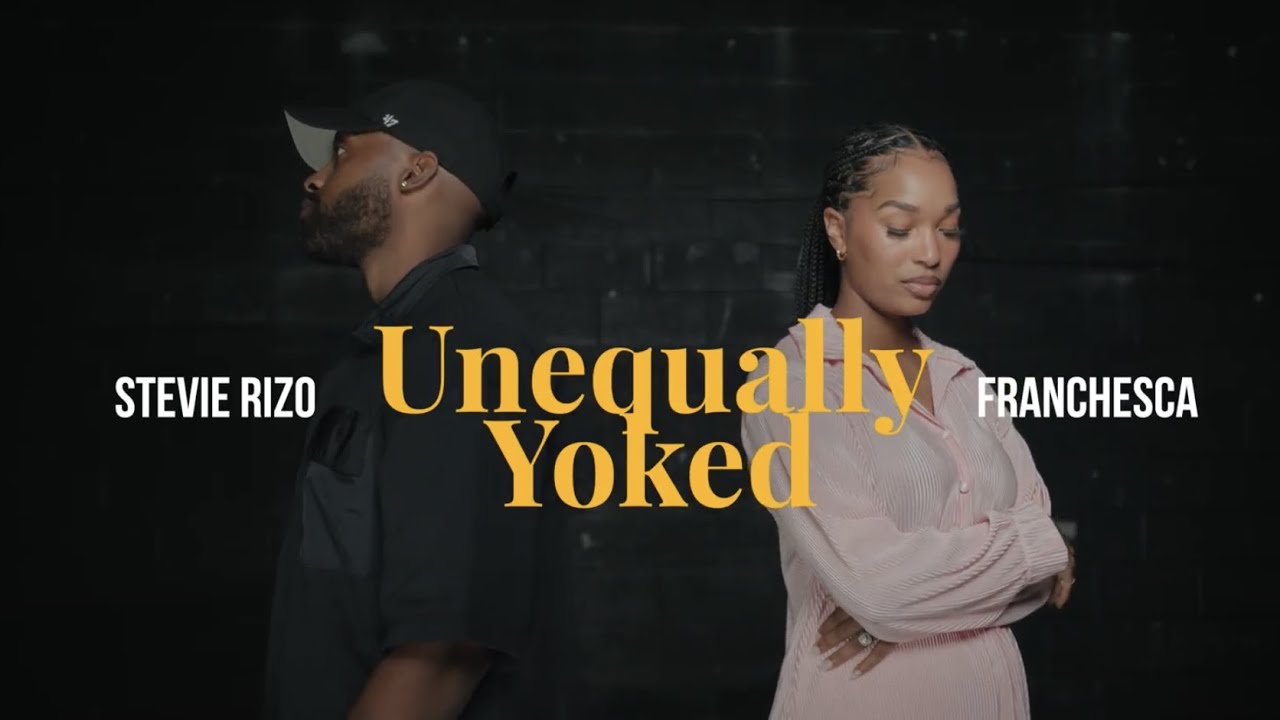
Understanding the Concept of Being Unequally Yoked
Have you ever felt that your partnerships or collaborations just don’t align? 🧩 The term “unequally yoked” originates from ancient agricultural practices but has evolved into a powerful metaphor for misaligned relationships, particularly in spiritual or personal contexts. To be unequally yoked means to be linked with someone whose beliefs, values, or lifestyles differ significantly from your own, creating potential challenges in harmony and growth.
The Origin of the Phrase
The phrase comes from Biblical texts, specifically from 2 Corinthians 6:14, where it encourages believers not to partner with non-believers. This metaphor captures the idea that two beings, bound together in pursuit or purpose, must be compatible to work effectively without hindrance.
Identifying the Impacts of Being Unequally Yoked
Being in a partnership that is unequally yoked can have profound effects, both personally and collectively. Below are key impacts to consider:
- Relationship Strain: Differences in beliefs can lead to conflicts and misunderstandings.
- Lack of Shared Goals: When partners are not aligned, it becomes challenging to set and achieve common objectives.
- Spiritual Disconnection: For religious individuals, being unequally yoked can lead to feelings of spiritual isolation.
- Emotional Turmoil: Navigating a partnership with different values can lead to stress and dissatisfaction for both parties.
Examples of Unequal Yoking in Real Life
To illustrate the concept, here are some common scenarios:

- Romantic Relationships: One partner may prioritize family values while the other seeks personal freedom.
- Business Partnerships: A financially driven partner may clash with a socially responsible partner who values ethical practices over profit.
- Friendships: Friends with differing life goals may struggle to stay connected as they grow in opposing directions.
Recognizing the Signs of Being Unequally Yoked
It is essential to recognize the signs of being unequally yoked to prevent future conflicts:
Communication Gaps
Lack of understanding and openness can indicate a mismatch in values. If conversations frequently lead to confusion or arguments, this is a red flag.
Future Visions
If two partners have conflicting visions for the future, from family planning to career aspirations, this disparity can signal a fundamental misalignment.
The Importance of Compatibility
Compatibility serves as the backbone for any partnership. Here are several aspects where compatibility promotes a healthier relationship:
- Shared Values: Ensuring both parties prioritize similar core beliefs can lead to smoother interactions.
- Mutual Trust: A relationship built on mutual understanding fosters trust and reduces conflicts.
- Aligned Goals: Partners pursuing similar objectives often experience greater achievements together.
Strategies to Address Being Unequally Yoked
Should you find yourself in an unequally yoked situation, here are some strategies to navigate it:
Communication is Key
Open and honest dialogue allows partners to express their feelings and fears without judgment. Regular discussions can help bridge understanding gaps.
Seek Common Ground
Identifying shared interests or goals can help reinforce the partnership. Spend time engaging in activities that both parties enjoy to cultivate connection.
Pursue Individual Growth
Sometimes, focusing on self-improvement can inspire partners to align their paths. Encouraging personal growth helps both parties evolve.
Complementary Strategies for Navigating Unequally Yoked Relationships
Leveraging complementary tools can enhance the effectiveness of dealings in unequally yoked situations. Here are ten applicable ideas:
- Relationship Coaching: Utilize relationship coaches to mediate conversations.
- Joint Activities: Participate in community classes or workshops to build teamwork (e.g., cooking classes).
- Online Therapy Platforms: Consider tools like BetterHelp to seek professional guidance.
- Goal Setting Apps: Use apps like Productive to structure shared goals.
- Shared Journals: Maintain a joint journal to document growth and challenges.
- Book Club: Start a book club focusing on self-development literature.
- Podcasts: Listen to relationship-focused podcasts to gain diverse perspectives.
- Mind Map Sessions: Collaborate via mind-mapping tools to visually represent shared objectives.
- Volunteer Together: Engage in community services that align with shared values.
- Mediation Groups: Join groups to learn conflict resolution techniques.
Deep Dive into Joint Activities
Participating in joint activities (point 2) fosters collaboration amidst differing viewpoints:
- Build Teamwork: Engaging in activities that require cooperation reinforces partnership bonds.
- Enhance Communication: Shared experiences often lead to improved dialogue between partners.
- Discover New Interests: Together, partners may find new passions they can explore, enriching their relationship.
- Foster Conflict Resolution: Navigating challenges in joint activities cultivates problem-solving skills.
Exploring Online Therapy Platforms
Using platforms like BetterHelp can be invaluable for providing professional advice in dealing with complex relationship dynamics:
- Access to Professionals: Connect with licensed therapists who understand relationship dynamics.
- Flexibility: Online sessions allow partners to schedule consultations at their convenience.
- Anonymity: Communication can be kept confidential, encouraging honesty.
- Diverse Perspectives: Various specialists bring unique insights to each pairing.
Understanding Spiritual and Moral Impacts
In many contexts, being unequally yoked can have spiritual and moral implications. It’s crucial to consider how diverging beliefs may impact personal growth and collective spirituality.
Spiritual Harmony
Being spiritually mismatched can lead to tension. Partners may find it difficult to support one another during crises or while celebrating achievements.
Moral Values
Different moral values can significantly affect decisions and priorities, leading to potential conflicts regarding children’s upbringing or financial choices.
Tools for Enhancing Aligned Relationships
Besides the previously mentioned strategies, integrating specific tools can further bolster healthy relationships:
Conflict Resolution Applications
Using tools designed for conflict resolution can minimize misunderstandings and foster open dialogues. Consider investigating solutions like Mediation.com for resources.
Feedback Platforms
Platforms where partners can provide constructive feedback can improve communication. Exploring options like SurveyMonkey helps gauge feelings and attitudes effectively over time.
Moving Forward Together
Navigating relationships while being unequally yoked is undoubtedly challenging. However, leveraging complementary tools can significantly enhance outcomes. By consciously engaging in constructive activities and utilizing professional guidance, both individuals can learn to connect better. It is possible to bridge gaps in understanding and grow together in a harmonious direction.
Are you ready to engage with your partnership in a more meaningful way? Explore the suggestions mentioned, and watch as your relationship evolves into something more fulfilling. Remember, the effort you put into addressing differences can lead to profound rewards!
The Challenges of Being Unequally Yoked in Relationships
Understanding Being Unequally Yoked
Have you ever wondered what it truly means to be unequally yoked? 🤔 This concept, often discussed in religious and relational contexts, refers to the challenges faced when individuals in a partnership have differing levels of commitment, belief, or values. Let’s delve into this complex topic and uncover strategies to enhance the dynamics of these relationships.
What Does It Mean to Be Unequally Yoked?
The term unequally yoked originates from a biblical reference in 2 Corinthians 6:14, warning against forming close connections with those who hold different beliefs. In essence, it highlights the potential conflicts when individuals with varying principles, lifestyles, or commitments come together. The implications can range from emotional distress to practical incompatibilities, leading to a rocky relationship.
The Impact of Being Unequally Yoked
Relationships where partners are unequally yoked often encounter significant hurdles. Here are some common impacts:
- Communication Barriers: Different belief systems can lead to misunderstandings and ineffective communication.
- Conflict Resolution: Unequal commitment levels may cause disagreements to escalate, making resolution difficult.
- Emotional Drain: Ongoing challenges can lead to frustration and emotional fatigue, affecting overall well-being.
- Life Goals Misalignment: Partners may have contrasting visions for the future, causing discord in shared objectives.
Examples of Being Unequally Yoked
Consider a relationship where one partner is deeply committed to their faith while the other is indifferent. The goals associated with family life, community involvement, and personal values may clash, creating friction. Similar conflicts can arise around lifestyle choices, such as diet or financial habits, illustrating the complexities of being unequally yoked.
Complementary Tools to Manage Unequally Yoked Relationships
To navigate the challenges of being unequally yoked, leveraging complementary tools can greatly help. Here are some effective strategies and tools to enhance your relationship:
1. Communication Workshops
Participating in communication workshops can foster better understanding between partners. Look for ones that focus on active listening and empathy, crucial for couples facing disparity.
2. Relationship Counseling
Couples therapy can provide tailored strategies to address specific concerns in an unequally yoked relationship. Professional guidance can help in:
- Identifying and addressing underlying issues.
- Facilitating open discussions about values and beliefs.
- Encouraging mutual respect in disagreements.
- Providing tools for maintaining emotional balance.
Consider checking out this link for more on couples therapy benefits.
3. Shared Activities
Engaging in shared activities can create bonding experiences, helping you find common ground. Whether it’s hiking, cooking, or attending workshops together, these moments can reinforce connection.
4. Family and Friends Involvement
Involve supportive family members and friends who understand both perspectives. Building a community network can provide emotional support and offer diverse viewpoints on navigating the relationship.
5. Mindfulness Practices
Practicing mindfulness as a duo can lead to enhanced emotional intelligence, making it easier to address relational differences. Explore activities like yoga or meditation to foster a calm and open mindset.
6. Goal-Setting Sessions
Schedule regular goal-setting sessions to ensure both partners are aligned on future plans. This proactive approach helps in minimizing potential conflicts.
7. Funding a Relationship Retreat
Investing in a relationship retreat can rejuvenate your connection and provide professional insights on handling challenges effectively.
8. Communication Tools
Digital platforms and apps for relationship management can facilitate effective communication. For example:
- Track shared goals.
- Schedule discussions or check-ins.
- Share concerns in a constructive manner.
- Utilize interactive elements for better engagement.
Explore The Gottman Institute for resources tailored to improving relationship dynamics.
9. Community or Support Groups
Joining community groups that share similar challenges can provide valuable insights and camaraderie, reminding you that you’re not alone in your journey.
10. Educational Resources
Utilizing books, podcasts, and online courses focused on relationship growth can enhance understanding and provide well-researched strategies for dealing with differences effectively.
Navigating the Differences: Key Takeaways
Being unequally yoked presents numerous challenges, but understanding these dynamics can pave the way for a more harmonious relationship. By utilizing the tools and strategies mentioned, you can navigate potential conflicts while nurturing mutual growth.
The Importance of Audience Segmentation in Relationships
When applying the concept of being unequally yoked, it is essential to recognize how audience segmentation can influence outcomes. Adapting your approach based on different segments—like age, values, or lifestyle—can improve understanding and efficacy in communication.
For instance, a younger couple may find value in technology-enabled communication strategies, while an older couple might prefer traditional face-to-face discussions. Tailoring methods to fit these segments can significantly enhance relational effectiveness.
Conclusion: Embrace the Journey
While being unequally yoked comes with challenges, the right strategies can make a substantial difference. By implementing the tools and practices discussed, couples can foster deeper understanding and ultimately strengthen their bond. Remember, every relationship is a unique journey; embrace the differences and grow together.
Strategies for Navigating Unequally Yoked Relationships
Have you ever experienced the unique challenges that come with being in a unequally yoked relationship? 🤔 Whether it’s in a romantic partnership or any collaborative endeavor, the disparity in values, beliefs, or goals can create significant friction. However, understanding and actively managing this imbalance can lead to mutually beneficial outcomes. In this article, we will explore what it means to be unequally yoked, the implications of such relationships, and how to effectively navigate these complex dynamics.
Understanding Unequally Yoked
Being unequally yoked typically refers to a situation where two individuals are bound together but have different beliefs or values. The term is often used in religious contexts, particularly in Christianity, to denote partnerships—most notably marriages—between believers and non-believers. However, the concept extends beyond spiritual or religious connotations.
- Definition: At its core, being unequally yoked means there is a lack of shared beliefs or values between partners.
- Contextual Implications: It can affect communication styles, personal priorities, and future aspirations.
- Relational Dynamics: The differences can either enrich experiences or lead to conflicts, depending on how both parties approach the relationship.
By recognizing these dynamics, individuals can better understand how to navigate the complexities of their relationships. For deeper insights, consider this Wikipedia article on yokes, which elaborates on the origins and metaphorical applications of the term.
Communicating Effectively in Unequally Yoked Relationships
Communication is key in any relationship, but it becomes especially critical in unequally yoked partnerships. Here are some strategies for fostering open dialogue:
- Active Listening: Make an effort to genuinely hear your partner’s perspective, emphasizing understanding over judgment.
- Shared Experiences: Create opportunities to engage in activities that reflect common interests or values, which can bridge the gap.
- Address Differences: Don’t shy away from discussing your differing beliefs; instead, approach these conversations with curiosity and respect.
Employing tools like communication apps can also enhance discussions. For instance, using Trello for organizing shared activities can facilitate planning and ensure both partners feel included.
Setting Boundaries in Unequally Yoked Partnerships
Establishing clear boundaries is essential in managing a unequally yoked relationship. Boundaries can help both partners navigate their differences while maintaining mutual respect.
- Define Personal Space: Ensure that both partners feel comfortable expressing their own beliefs without fear of ridicule or dismissal.
- Set Relationship Goals: Collaborate on mutual objectives while respecting individual aspirations.
- Respect Differences: Acknowledge that it’s okay to disagree on certain issues while finding common ground.
The Importance of Empathy and Understanding
In unequally yoked relationships, empathy is paramount. Understanding each other’s viewpoints and emotional responses helps build a stronger foundation.
- Validate Emotions: Recognize how your partner feels about the differences and validate these feelings without attempting to ‘fix’ them.
- Be Open to Change: Be willing to reconsider your perspectives as you gain more insight into your partner’s values.
- Engage in Reflection: Regularly reflect on how differing values impact your relationship dynamics, and encourage your partner to do the same.
Using Complementary Tools to Navigate Differences
Using tools alongside your navigation strategies can enhance communication and connection in a unequally yoked context. Here are some ideas:
- Engage in shared journaling with tools like Evernote to highlight thoughts and feelings as they arise.
- Utilize Slack to create a private communication channel where you can express concerns or joys in a controlled environment.
- Download mediation apps to help facilitate moments of conflict resolution effectively.
- Leverage reputable relationship blogs for insights and strategies to deepen your understanding of each other.
- Consider counseling sessions together using platforms like BetterHelp for professional guidance on navigating differences.
- Use communal goal-setting tools such as MindMeister for collaborative vision boards.
- Incorporate cultural exchange methods to appreciate each other’s backgrounds through movies or cooking together.
- Engage with relationship enhancement workshops or webinars focusing on differences, which can foster deeper understanding.
Deepening Connection Through Shared Activities
Participating in activities that both partners enjoy can help ease the pressures of being unequally yoked. Here are some ideas:
- Attend community events that reflect mutual interests.
- Participate in volunteer work that aligns with shared values.
- Explore hobbies that both can enjoy, leading to new experiences and conversations.
- Take classes together to learn something new while respecting each other’s passion.
The Role of Faith in Unequally Yoked Relationships
For many, faith plays a crucial role in understanding the dynamics of being unequally yoked. If one partner is religious and the other is not, this can sometimes lead to tensions. However, it can also present opportunities for growth.
- Respecting Differences: Embrace the value in each other’s beliefs without the need for conversion.
- Common Principles: Focus on universal values such as love, respect, and kindness that transcend individual belief systems.
- Shared Spiritual Activities: Engage in community outreach projects or social justice initiatives together, enhancing bonds through shared purposes.
The Future of Unequally Yoked Relationships
The landscape of partnerships is continually evolving, and being in a unequally yoked relationship is becoming increasingly common. Social acceptance of diverse beliefs can foster environments where communication and collaboration flourish.
- Adaptability: Those in unequally yoked partnerships are often more adaptable to societal changes, making them resilient in facing relational challenges.
- Broadened Perspectives: Engaging with differing beliefs can lead to richer, more nuanced viewpoints on life’s questions.
- Building Community: Finding community amongst others in similar circumstances can provide support and shared strategies.
By sharing experiences and learning from one another, partners in unequally yoked relationships can cultivate a deeper connection that transcends their differences.
Conclusion: Embracing the Journey
In exploring the dynamics of being unequally yoked, it’s evident that while challenges may arise, they provide unique opportunities for growth, connection, and understanding. By employing effective communication strategies, setting healthy boundaries, and utilizing complementary tools, individuals can navigate their relationships with confidence. Remember, the journey of being unequally yoked can lead to profound insights and stronger bonds when approached with empathy and respect.
With patience and commitment, couples can transform the challenges of their differences into strengths, ultimately enriching their lives together. What steps will you take today to nurture your unequally yoked relationship? 💪
