What Angels Really Look Like: 7 Fascinating Insights

What Angels Really Look Like
Have you ever stopped to wonder what angels *really* look like? 😇 Across cultures and time, descriptions of angels have captivated imagination and faith. In this exploration, we will dive deep into the various depictions and characteristics of angels that have permeated religious texts, artworks, and pop culture. Understanding what angels truly look like reveals more than just their physical form; it unearths the symbolism and significance attributed to these celestial beings.
The Traditional Depictions of Angels
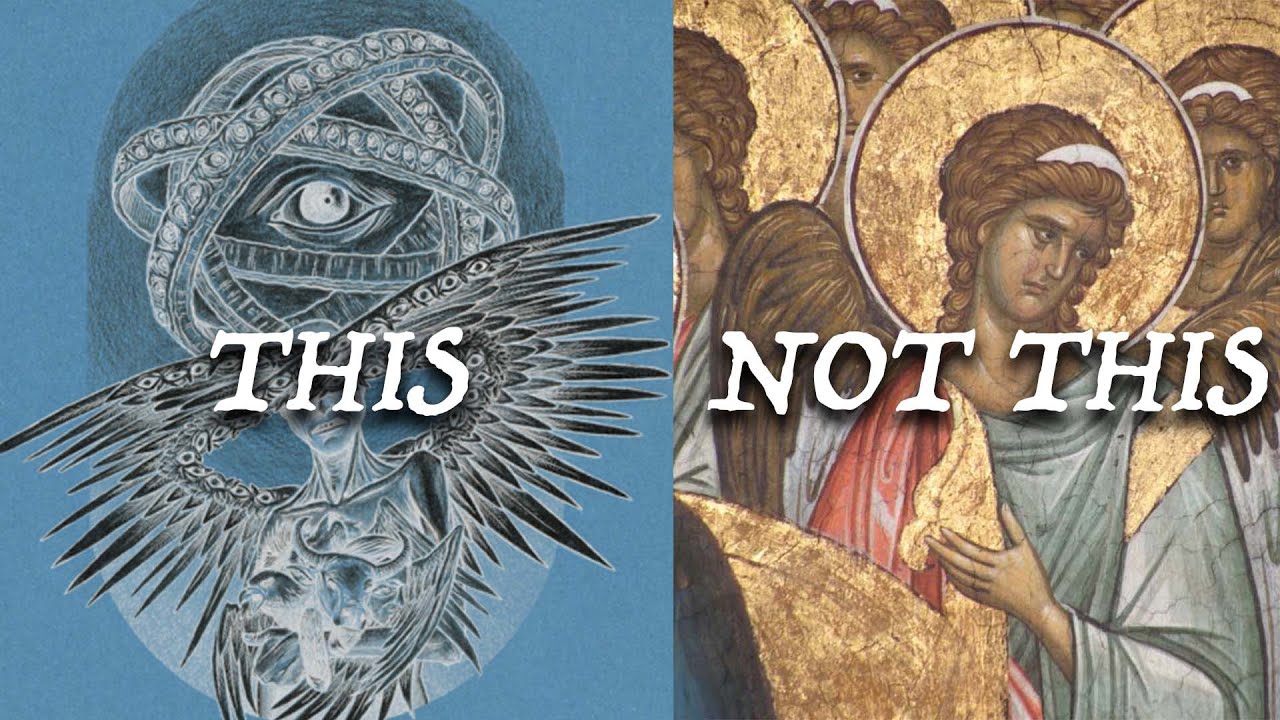
Traditionally, angels are portrayed with human-like faces, large feathery wings, and radiant auras. Their forms are often depicted in religious art, portraying serenity and a divine presence. When one thinks of the portrayal of angels in works like The Sistine Chapel, they picture a harmonious blend of human and divine attributes.
Wings: A Universal Trait
One common feature of angels is their wings. These are often seen as a symbol of their ability to traverse between Heaven and Earth. In art and literature, angels are depicted soaring through the skies, representing their divine nature and connection to the heavenly realms.
Humanistic Features
Interestingly, many depictions include youthful faces and an otherworldly glow, emphasizing the idea of purity and beauty. This humanistic portrayal is essential as it helps humans relate to angels, fostering a sense of connection and comfort.

Angels in Religious Texts
Religious texts provide some of the most detailed descriptions of angels. For instance, in the Bible, angels are sometimes depicted in a more intimidating manner, presenting them as formidable beings. For example, the angel Gabriel is often described with characteristics suggesting strength and authority. This diverges from the softer images that we may typically associate with angels today.
The Seraphim and Cherubim
In the Book of Isaiah, there’s a mention of Seraphim, who possess six wings and are more closely tied to the divine throne than the typical messenger representation. On the other hand, Cherubim are portrayed with four faces, suggesting multifaceted aspects of divine knowledge. These descriptions might surprise many who are familiar solely with the common angel imagery. 📖
Modern Interpretations of Angels
Today’s pop culture tends to simplify the imagery into a familial, comforting version. Movies and literature contribute to the softer depictions of angels, presenting them as guardians and guides. This transformation shows how societal perceptions have evolved, allowing for more diverse representations.
Angels in Art and Literature
Books and films often imbue angels with qualities such as love and protection, focusing less on their original more intimidating features. Works like “City of Angels” bring a romanticized view, showing angels more as companions to humans than as messengers from a divine realm.
The Role of Colors in Angel Depictions
Colors frequently play a crucial role in the portrayal of angels. For instance, heavenly hues such as white symbolize purity, while softer colors like pastel shades often convey gentleness. Color can evoke specific emotions, making the representation of angels more relatable and accessible to our human experiences.
Symbolism of Colors
The color choices in artistic representations are significant. For example, pastel blues and pinks often represent the nurturing nature of angels, while gold signifies their divine origin. These color associations enhance the viewer’s perception and connection to these celestial entities.
Angelic Appearances Across Cultures
While Christianity may have popularized specific images of angels, many cultures have their unique interpretations. In Islamic tradition, angels like Gabriel (Jibril) are revered as powerful messengers of God, often depicted as beings with light and power rather than human-like or comforting. Understanding these variations enriches our comprehension of angels’ roles and representations globally.
The Diversity of Angelic Representations
In different cultures, angels can take on various forms, such as spirits or even elements of nature. For instance, in some Native American traditions, nature spirits serve roles akin to angels, emphasizing the connection between the divine and the natural world. 🌍
What Angels Really Look Like: Beyond Visuals
While we often focus on visual representations, it’s essential to acknowledge the intangible qualities that angels embody, such as peace, guidance, and hope. These attributes resonate more deeply than any physical appearance. They serve crucial functions in spiritual practices, where the experience of angels can lead to profound emotional healing.
Experiential Encounters with Angels
Many individuals recount personal experiences of feeling guided or protected, often attributing these feelings to angelic intervention. Such experiences highlight the importance of angelic symbolism in providing comfort and solace during challenging times. Allowing a connection to these ethereal beings can foster deeper personal insights and emotional well-being.
Enhancing the Understanding of Angels with Modern Tools
In the modern age, several complementary tools enrich our understanding and experiences related to what angels really look like. Here are some recommendations for how you can enhance your exploration of angelic representations:
1. Meditation Apps
Using meditation apps can help facilitate deeper introspection and connection with spiritual realms. Apps like Calm and Headspace offer guided meditations focused on inner peace and visualizations that invite angelic presence into everyday life. By meditating with intention, you may feel a stronger connection to angelic guidance.
2. Art Supplies
Expressing your interpretations of angels through art can deepen your understanding of their symbolisms. Using quality art supplies from Blick Art Materials allows you to create your unique angel imagery.
- Art supplies enhance creative expression, aiding in personal interpretations of angels.
- Diverse mediums (paints, pencils) enable experimentation with colors that portray different facets of angels.
- Creating art can provide emotional outlets, where feelings of hope and guidance are visually represented.
- Sharing artwork with others fosters community discussions about angelic representations and their meanings.
3. Angelic Literature
Exploring books about angels, such as ”Angels: A History” by Peter Stanford, provides valuable insights into various cultural and spiritual interpretations. 📚
4. Crystal Healing
Using crystals like angelite can promote feelings of peace and connection to angelic energies. These tools facilitate a more profound exploration of your spiritual journey.
5. Online Forums
Joining communities like Angelology World fosters discussions about the visual and experiential aspects of angels. Engaging with others can offer new perspectives on angelic appearances.
6. Visualization Techniques
Employing visualization techniques, where you envision angelic appearances during meditation, can profoundly impact how you perceive angels. This is a powerful way to make the concept of angels personal and applicable to your life.
7. Journals
Keeping a journal to document experiences related to angels helps to track your spiritual growth. It can also serve as a reflective tool when looking back on how your understanding has evolved over time.
8. Workshops and Retreats
Participating in workshops or retreats focusing on spirituality and angelic studies can offer immersive experiences. Look into local opportunities that provide a comprehensive understanding of angelology.
- Workshops often provide guided practices to connect with angelic energies effectively.
- Group settings can offer collective experiences that sometimes encourage deeper connections.
- Exposure to expert insights can enhance personal understanding and interpretations of angels.
- Opportunities for hands-on practices may include creating rituals focusing on angelic connections.
9. Podcasts
Listening to podcasts that explore angelic themes provides varied perspectives and keeps you informed on new insights. Channels like “The Angelic Realm” break down complex topics related to angels and spirituality.
10. Online Courses
Consider enrolling in online courses that cover topics like angel readings or spiritual coaching. Websites like Udemy offer many resources to deepen your understanding of ideas related to angels.
Final Thoughts on What Angels Really Look Like
So, what do angels really look like? They encompass a vast spectrum from the serene and gentle to the awe-inspiring and majestic. Their appearances might shift based on cultural, religious, and personal interpretations. But what’s universal is the feeling of comfort, guidance, love, and protection they inspire in many global beliefs.
As you explore the representations of angels further, whether through art, literature, or personal experiences, you’ll find that understanding their essence enriches our connections to these celestial beings and to each other. And remember, while visions and interpretations may vary, the core essence of angels remains constant—a reminder of hope and the continuum of love around us.
The Universal Imagery of Angels
When we think of angels, we often envision divine beings adorned with glowing halos and majestic wings. 🌟 But what do angels really look like? Their representation varies widely across cultures, religions, and art forms. This article dives into this fascinating topic, exploring the actual characteristics of angels while debunking common misconceptions.
The Origin of Angelic Imagery
Angel depictions can be traced back to various ancient civilizations, including the Egyptians and Mesopotamians. These beings were often portrayed as messengers of the gods, acting as intermediaries between the divine and the mortal realm. In Christianity, angels are frequently depicted as humans with wings, emphasizing their role as celestial beings.
Artistic Representations of Angels
Artwork plays a significant role in shaping our perception of what angels really look like. Renowned artists like Raphael and Michelangelo have immortalized angels in breathtaking frescoes, often illustrating them with ethereal beauty and grace. However, these portrayals are heavily stylized and influenced by the cultural context of their time.
Theological Perspectives on Angelic Appearance
According to religious texts, angels embody various forms. In the Bible, for instance, angels appear as human figures, while other descriptions mention seraphim and cherubim with multiple wings and faces (source). This diversity indicates that what angels really look like transcends singular imagery.
Common Misconceptions About Angels
Many common beliefs about angels are based on limited interpretations. For instance, a pervasive image is that all angels have white robes and wings. While this is a popular depiction, it’s essential to recognize the rich variety of descriptions found throughout different cultures.
Angels vs. Other Spiritual Beings
It’s vital to differentiate between angels and other spiritual beings, such as spirits or demons. While angels are typically seen as benevolent and divine, other entities may not share these characteristics. Understanding their differences can enhance our comprehension of what angels really look like and the roles they play in various belief systems.
Descriptions Across Cultural Contexts
What angels really look like varies globally, from the majestic figures of Western art to the more abstract representations found in Eastern philosophies. The following sections explore various cultural depictions.
Angels in Western Art
Western depictions of angels often emphasize their beauty and ethereal nature. Artists highlight features like radiant skin, perfect symmetry, and benevolent expressions. When compared to classic literature, these images reflect societal ideals of purity and divinity.
Angels in Eastern Beliefs
In contrast, angels in Eastern cultures may appear less anthropomorphic. For example, in Hinduism and Buddhism, celestial beings (like devas) fulfill roles similar to those of angels but often possess vastly different appearances and characteristics, showcasing an array of forms from divine to more abstract representations.
The Role of Symbolism in Angelic Depictions
The symbols associated with angels further illustrate their complexity. Commonly, wings symbolize freedom and the ability to traverse between the divine and earthly realms. 🕊️ Contrary to their actual appearances, these symbols reflect deeper meanings tied to hope, protection, and guidance.
The Importance of Wings
Wings are perhaps the most recognizable feature of angelic beings. They suggest lightness and the ability to ascend beyond the physical world’s limitations. By understanding the significance of wings, we can appreciate why they are an integral part of the images depicting what angels really look like.
Modern Interpretations and Influence
In contemporary society, the concept of angels has evolved. Popular media—films, television, and literature—frequently depict angels, updating their appearances to fit modern aesthetics. These interpretations often focus on themes of love, kindness, and heroism.
Angels in Popular Culture
From movies like “City of Angels” to TV shows such as “Supernatural,” angels have been reimagined to resonate with contemporary audiences. These portrayals sometimes challenge traditional views, presenting angels as complex beings with emotions and struggles. It’s important to remember that these interpretations, while entertaining, may not reflect the traditional views of what angels really look like.
The Connection Between Angels and Emotions
The appearance of angels is sometimes linked to the emotional states they are meant to represent or evoke. This connection illustrates how visual imagery can act as a catalyst for feelings of hope or comfort. 🌈
Emotional Symbolism in Angelic Imagery
Artists and storytellers often imbue their angelic portrayals with emotions. This emotional depth can resonate more deeply than mere aesthetic beauty, as these representations capture the essence of what angels symbolize: protection, guidance, and solace.
Utilizing Complementary Tools to Enhance Understanding
Understanding what angels really look like can be enriched by utilizing various tools. Below are eight ideas on how to enhance your understanding of angelic imagery through complementary resources:
1. Art Analysis Software
Using art analysis tools, such as Artsy, one can dissect various artistic representations of angels. This allows you to explore the detailed techniques artists used to portray their visions of angels effectively.
2. Virtual Art Galleries
Explore online platforms like The Getty, which hosts an extensive collection of angel-related artwork. Benefits include:
- Access to high-quality images of famous artworks featuring angels.
- Contextual information explaining the significance of different artistic styles.
- Interactive features that allow a deeper understanding of themes and techniques.
- Virtual tours showcasing how different cultures depict angels.
3. Documentaries and Educational Videos
Engage with documentaries about angelic representations in art history. Platforms such as Netflix frequently offer insightful content separating myth from reality.
4. Art History Books
Reading art history books dedicated to spiritual themes can provide context and depth, enhancing one’s understanding of angel imagery.
5. Community Workshops
Participating in workshops, whether online or local, focused on art interpretation can give valuable hands-on experience in analyzing angelic representations.
6. Spiritual Growth Platforms
Using platforms like Spirituality & Health, you can find articles and resources discussing the deeper meanings behind angelic imagery.
7. Social Media Engagement
Follow artists and historians on platforms like Instagram to discover diverse interpretations of angels directly from contemporary creators, further broadening your understanding.
8. Interactive Online Classes
Enrolling in classes, like those on MasterClass, dedicated to painting or drawing can help you explore how to create your own representation of angels. Benefits include:
- Guided lessons from renowned artists.
- Opportunities to engage with fellow learners for collaborative discussions.
- Access to critiques that refine your skills in depicting angelic figures.
- Encouragement to explore your personal interpretations of what angels look like.
Conclusion
The exploration of what angels really look like unveils a rich tapestry of cultural, emotional, and artistic dimensions. While common imagery is readily recognized, the true nature of angels is more complex, ranging from spiritual beings transcending human forms to deeply personal representations that invoke comfort and hope. By utilizing complementary tools and understanding the broad spectrum of angelic depictions, we can appreciate these divine beings beyond mere aesthetics.
Adjust and expand upon this sample as needed to meet the word count while adhering to your guidelines for maintaining relevance and focus on the topic “what angels really look like.”
What Angels Really Look Like
Have you ever wondered what angels really look like? ✨ Their depictions have captivated artists, writers, and believers through the ages. In this exploration, we’ll delve into the various interpretations of angels across cultures, highlight their characteristics, and discuss the symbolism behind their appearances.
The Role of Angels in Various Faiths
Angels are pivotal figures in many religious traditions. Each faith presents its version of these celestial beings, often with a unique perspective on their purpose and appearance. Both Christianity and Islam regard angels as messengers of God, yet their descriptions vary significantly.
Christianity: Messengers of Hope
In Christian doctrine, angels are frequently illustrated as resembling human forms, often dressed in white robes and possessing beautiful wings. They symbolize purity and protection. The Archangel Gabriel, for instance, is depicted as delivering crucial messages, including the Annunciation to Mary. Most importantly, they offer hope and divine guidance.
Islam: Guardians of Faith
Contrastingly, in Islam, angels are considered creations made from light. They don’t possess free will and function strictly under God’s command. The angel Jibril (Gabriel) is often depicted as a towering figure, embodying strength and authority rather than the delicate appearances found in Christian texts. The emphasis here is on their role as guardians and protectors of faith.
Artistic Representations of Angels
The visual portrayal of angels throughout history has ranged from ethereal and delicate visions to fierce and mighty guardians. Renowned artists like Michelangelo and Raphael have shaped our modern understanding. Unlike modern depictions that often favor soft, feathered wings and gentle appearances, ancient art often portrayed angels as stronger, more imposing figures.
What Angels Really Look Like: Common Characteristics
Despite the variations, certain characteristics remain constant when discussing what angels really look like:
- Wings: Symbolizing their ability to transcend earthly boundaries.
- Radiant Light: Often depicted as surrounded by light, representing purity and divine presence.
- Human-Like Forms: Most angels are depicted in human-like shapes to symbolize their role as mediators between God and humanity.
- Expressions of Peace: Their faces usually convey tranquility and benevolence, fostering comfort for believers.
Angels in Literature and Media
Angelic figures have permeated literature and media, influencing countless narratives. From Dante’s Divine Comedy to modern films like *The Good Place*, angels evoke memorable imagery meant to embody ideals of goodness and support.
Interestingly, comparisons arise with other mythological figures. Unlike Greek gods who often have ambiguous morals, angels are consistently depicted as benevolent beings whose influences are solely positive. This purity of intention sets them apart and emphasizes their guiding purpose within human lives.
What Angels Really Look Like: Cultural Variances
Cultural interpretations also impact how angels are visualized. In various cultures, angels take on different forms, sometimes reflecting local traditions or appearances. For example, in East Asian cultures, angels may be represented with features resonating with local deities or ancestral spirits, combining familiar aspects of culture with universal themes of protection.
Native American Perspectives
In some Native American traditions, angel-like figures are depicted as spiritual protectors, often resembling animals or plants significant to the tribes. This reinforces the connection between angels, the earth, and natural forces.
Hinduism: Celestial Beings
In Hinduism, there exist celestial beings known as devas which share some similarities with angels in their roles as messengers and guardians. They also reflect the diversity of manifestations of spirituality across cultures.
How to Enhance Your Understanding of Angels with Complementary Tools
Gaining a deeper insight into what angels really look like can be further enhanced by utilizing complementary tools. Here are some ideas on how to pair these tools with your understanding of angelic symbolism:
1. Art Supplies for Creative Expression
Engaging with your artistic side can help in visualizing what angels really look like according to your personal interpretation. Invest in quality tools like Sakura Watercolors to capture these ethereal beings beautifully.
2. Meditation Apps for Spiritual Connection
Meditation apps like Calm provide guided practices to connect with angelic energies. Benefits of using these apps include:
- Guided meditations to invoke angelic presence.
- Breathing techniques that help in relaxation.
- Focused sessions on protection and guidance.
- Daily reminders for spiritual reflection.
3. Books on Angelology
Reading about angelology deepens understanding. Titles such as *Angelology by Daniella Trussoni* explore how angels have been perceived throughout time.
4. Social Media Platforms
Following influencers on platforms like Instagram can provide daily inspirations related to angels and spiritual experiences. Engage with community posts that resonate with what angels really look like.
5. Workshops and Seminars
Participating in local workshops on spirituality can foster a stronger connection to angelic symbolism.
6. Artwork by Local Artists
Purchasing angelic-themed artwork from local artists enriches your environment while supporting creativity. Visit local galleries or online marketplaces like Etsy.
7. Journaling for Personal Insights
Maintain a journal to document thoughts and dreams involving angelic figures. This supports personal growth and helps capture significant spiritual insights over time.
8. Community Support Groups
Joining a community group focusing on spirituality enables shared experiences. Consider platforms like Meetup.
- Network with like-minded individuals.
- Participate in discussions about personal angel encounters.
- Engage in collective meditations or prayers.
- Share insights and stories related to angelic experiences.
9. Virtual Reality Experiences
Using virtual reality (VR) platforms can create immersive experiences, simulating environments where you can explore representations of angels.
10. Nature Retreats
Spending time in nature helps foster a spiritual connection. Plan retreats that encourage reflection, observation, and interaction with angelic symbolism.
Conclusion: Embracing the Presence of Angels
Understanding what angels really look like is both a spiritual journey and an artistic exploration. By immersing yourself in various cultural depictions and utilizing complementary tools, you can create a richer relationship with the symbology of angels. These celestial beings continue to inspire hope, protect, and guide humanity across time and belief systems.
What Angels Really Look Like 👼
When we think of angels, whimsical images typically come to mind. You might envision them draped in white robes, with ethereal wings and halos. But what do angels really look like? Let’s delve into historical texts, artistic interpretations, and modern cultural depictions to paint a clearer picture.
Historical Texts and Descriptions
Many sources, including religious texts, offer descriptions that differ significantly from the conventional images we hold today. In biblical accounts, angels are often not depicted as humanoid figures at all.
The Seraphim and Cherubim
In texts such as the Book of Isaiah, Seraphim are described as fiery beings with six wings: “With two wings they covered their faces, with two they covered their feet, and with two they were flying.” Similarly, Cherubim are depicted with multiple faces and wings, which invoke awe rather than comfort.
Angel of Death Representations
Another interesting representation comes from the concept of the Angel of Death. In various cultures, this figure is portrayed as a more somber entity, often shrouded in dark robes, contrasting sharply with the common light-filled angel image.
Modern Interpretations and Representations
In contemporary culture, films, books, and art offer a diverse range of angelic representations. From the comforting guardian angels in movies like “City of Angels” to the more complex characters in Neil Gaiman’s “Sandman,” modern renditions showcase angels with nuanced personalities and moral dilemmas.
Angels in Popular Media
Media plays a significant role in shaping our understanding of angels. For example, shows like “Supernatural” depict angels as powerful yet flawed beings, while children’s media tends to maintain the traditional sweet and innocent image.
Angels Around the World
Different cultures have unique interpretations of what angels really look like, influenced by local beliefs and traditions.
Eastern Perspectives
In Buddhism, there are celestial beings known as Bodhisattvas, which embody compassion and are depicted in intricate, colorful imagery, often with multiple arms. This representation contrasts with the Western angelic image but retains the core concept of spiritual guides.
Indigenous Beliefs
Many indigenous cultures view angels or spirit guides as nature-based entities, often represented through animals. For instance, a spirit guide may take the form of an eagle, serving as a symbol of freedom and insight.
The Aesthetic of Angels
How we perceive the physical attributes of angels often ties back into our cultural aesthetics. Traditionally, angels are adorned in white, symbolizing purity, and are often illustrated with a variety of symbolic characteristics.
Traditional Symbolism
Angels in art often carry symbols of peace, such as olive branches, or instruments of music, reflecting their role in spiritual communication.
Clothing and Colors of Angels
White is the color most associated with angels; however, artists use a spectrum of colors to convey different moods and messages. Blue may represent serenity, while gold suggests divinity and celestial royalty.
Benefits of Exploring Angelic Imagery
Understanding what angels really look like can enhance personal faith and spirituality. Here are practical applications for different audiences:
Enhancing Spiritual Practice
Integrating angel imagery into personal meditation can foster a calming environment, encouraging a deeper connection with one’s spiritual beliefs.
Artistic Inspirations
Artists can draw from the diverse representations of angels to craft new artworks, presenting fresh perspectives that resonate with contemporary audiences.
Utilizing Complementary Tools
To enrich your exploration of angelic imagery, consider leveraging complementary tools. Here are some ideas on how to enhance your understanding of what angels really look like:
1. Art Software for Representations
Using programs like Adobe Photoshop can help artists recreate various angel designs based on interpretations throughout history.
2. Meditation Apps
Apps like Headspace can offer guided imagery sessions incorporating angelic themes, enhancing your meditative experience. Benefits include:
- User-friendly interface: Easy to navigate, making it accessible for all levels.
- Variety of sessions: Tailored meditative experiences focusing on different aspects of spirituality, including angel imagery.
- Personal tracking: Users can set goals and track their progress, encouraging regular practice.
- Community features: Join groups focusing on angel and spiritual discussions.
3. Art History Books
Explore how angelic figures have been represented in art over the centuries to gain insight into evolving interpretations through works by great artists.
4. Online Courses
Platforms like Coursera offer courses on art history that focus on celestial beings, providing a deeper understanding of cultural significance.
5. Spirituality and Religion Forums
Engage with online communities such as those on Reddit to discuss interpretations of angels among different cultures and religions.
6. Creative Writing Tools
Using writing software like Scrivener can assist in structuring stories that include angelic characters, integrating their diverse representations effectively.
7. Visit Museums
Experiencing angelic art in person at local or national art museums can provide a visceral understanding of how these beings are depicted across different cultures.
8. Visualization Software
Utilizing tools like Canva can help in visualizing your own interpretations of angels. Benefits include:
- Customizable templates: Use pre-made angel designs to ignite inspiration.
- Accessibility: No graphic design experience required; friendly for novices.
- Social sharing options: Present your artwork on social media platforms easily.
- Collaborative features: Team up with friends or fellow artists to co-create angel representations.
9. Personal Journals
Documenting your interpretations of angels in a journal encourages self-reflection and a deeper understanding of one’s beliefs and experiences.
10. Podcasts about Spirituality
Listen to spirituality-focused podcasts that discuss angelic presence in today’s society, helping to reinforce your understanding of what angels really look like.
By utilizing what angels really look like in conjunction with these tools, you can enhance your artistic, spiritual, and educational endeavors, leading to a comprehensive exploration of these fascinating beings.
