What Do Angels Look Like? 7 Stunning Images to Inspire You
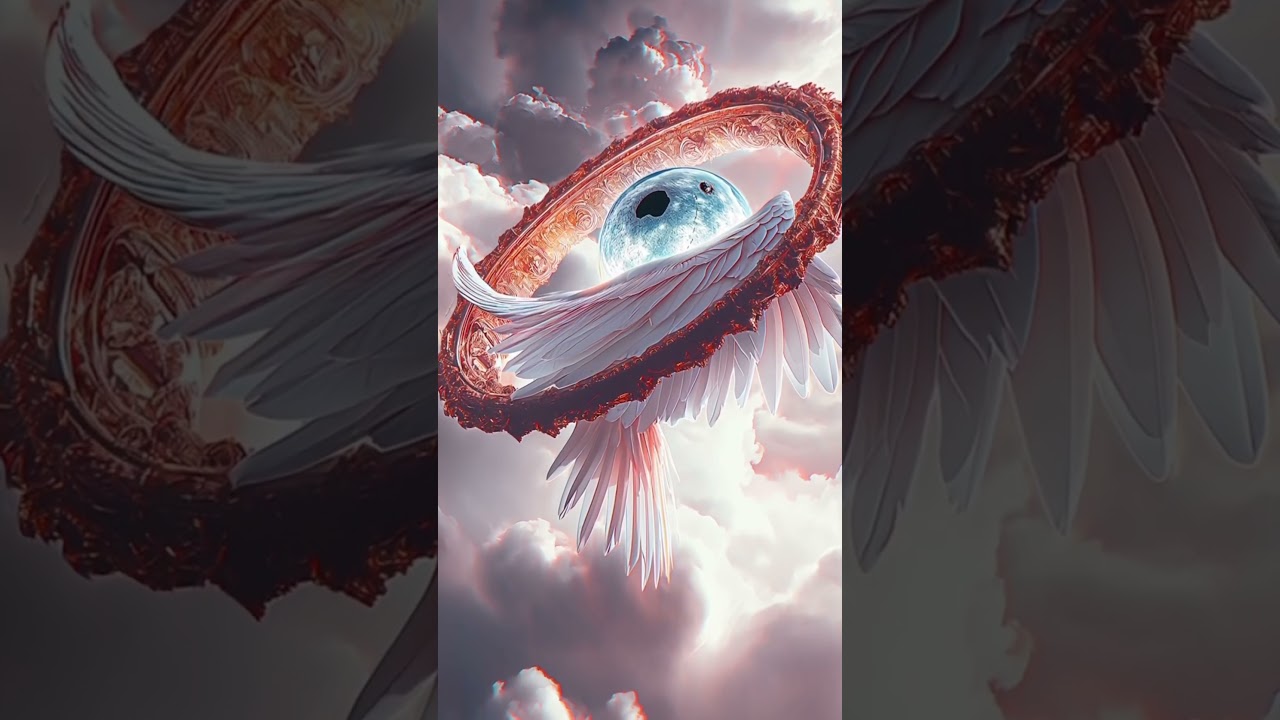
What Do Angels Look Like?
In the realm of spirituality and religion, angels often serve as symbols of guidance, protection, and divine messages. But have you ever paused to wonder, what do angels really look like? 😊 Despite their ethereal nature, different texts, art forms, and personal accounts paint vivid images of these celestial beings.
The Biblical Description of Angels
Often depicted as glamorous figures, angels in the Bible have various classifications, primarily cherubim and seraphim. Traditional portrayals show them as humans with wings, but the Bible suggests a more diverse imagery.
- Cherubim: Described as having four wings and multiple faces (Ezekiel 1:5-11), they convey a sense of mystery and power.
- Seraphim: Located in Isaiah 6:2, these beings are shown with six wings and are positioned around God’s throne, reflecting a fierce devotion.
Artistic Representations Throughout History
Since ancient times, artists have portrayed angels in myriad ways. The Renaissance, for instance, popularized the angelic image of gentle, winged humans adorned in flowing robes. Artists like Botticelli depicted angels with beautiful features, emphasizing their divine elegance.
In contrast, contemporary depictions often lean towards a more abstract representation, embodying the concept of angelic presence rather than specific features. These artistic interpretations enhance our understanding of the question, what do angels look like, revealing cultural and temporal variations.


Angelic Features: Wings and Light
Wings and light are the two most common elements associated with angels. Wings symbolize the celestial aspect of angels, enabling them to traverse between the divine and earthly realms. They are often depicted with feathers that glimmer and shine.
Likewise, the aura of light surrounding angels underscores their divine nature. Descriptions often depict them radiating an intense brilliance, symbolizing purity and goodness. This leads us to wonder how we can visualize these concepts in modern life.
Modern Interpretations and Personal Experiences
In today’s world, many claim to have encountered angels, describing them in terms that incorporate familiar human traits with otherworldly features. These accounts often capture the essence of comfort and protection that these beings embody.
- Human-Like Appearance: Many describe them as familiar faces, often friends or family members, appearing in times of distress.
- Unworldly Glow: Witnesses frequently report an ethereal glow that envelops these figures, adding to their divine aura.
These testimonials further enrich the dialogue about what do angels look like, bridging ancient descriptions with contemporary beliefs.
Engagement with Cultural Representations
Angels have also found their way into popular culture, often diverging from traditional representations. In movies, books, and graphic novels, angels appear in various forms, showcasing either their benevolent nature or a more mysterious side.
For instance, in the movie “The Prophecy”, angels are portrayed with a darker twist, intertwining themes of conflict between good and evil. Such representations spark interest and curiosity about what do angels look like, emphasizing their duality.
Complementary Tools to Enhance Understanding
To better understand and explore the visual aspects of angels, consider using complementary tools that can deepen your knowledge and appreciation of these celestial beings. Below are ideas that effectively combine what do angels look like with additional resources.
- Angel Art Websites: Explore various Etsy shops that sell angel art to experience diverse interpretations and styles.
- Angelic Meditation Apps: Applications like Insight Timer can help you meditate and connect with your perceptions of angels.
- Angel Card Decks: Using decks such as Doreen Virtue’s Angel Oracle Cards allows individuals to reflect on their beliefs about angels.
- Social Media Platforms: Follow angel-related pages on Instagram and Pinterest to receive daily inspiration and visual representations.
- Documentaries: Watch documentaries focused on angel mythology, available on streaming platforms, for a deeper exploration of their representations.
Detailed Look at Select Complementary Tools
1. Angel Art Websites
- Diverse Artistic Styles: Discover interpretations from various artists, enhancing your visual understanding of what angels look like.
- Buy or Download Digital Art: Support artists by purchasing prints or downloading artwork to display.
- Unique Gifts: Find meaningful gifts for those interested in spiritual themes.
- Support Local Artists: Many shops emphasize local talents, instilling community values.
2. Angel Card Decks
- Personal Reflection: Use the cards for self-exploration, inviting signs and messages from angels.
- Guidance: Engage with them when seeking clarity during difficult times.
- Group Activities: Host sessions with friends to share interpretations and experiences.
- Connect with Others: Join online communities that discuss angel cards and their meanings.
Insights on Angel Interpretation
The interpretation of what do angels look like extends beyond mere visual traits. Cultural backgrounds significantly influence how individuals perceive these celestial beings. For instance, some Eastern philosophies describe angels in ways that blend human attributes with animalistic features, highlighting their connection to nature.
Readers may be interested in how adaptations of angel portrayals impact personal spiritual practices. By examining these perspectives, one can better appreciate the varying representations of angels across cultures, thus enriching their understanding of angelic beings.
Creating Your Visuals of Angels
Embracing the task of creating your vision of angels can be an empowering experience. Through sketching, painting, or digital art, individuals can channel their interpretations of angelic appearances.
Online resources and tutorials are available for those interested in honing their artistic skills, enabling you to express what angels look like uniquely. Websites like Skillshare offer various classes focusing on watercolor or digital illustration techniques, perfect for aspiring artists showcasing their interpretations of angels.
Exploring Angelic Symbolism
Engaging with the symbolism of angels can provide additional insights into their representations. Each feature, from wings to halos, carries significant meaning, often symbolizing protection, freedom, and divine connection.
For example, wings suggest the ability to rise above challenges, while light signifies hope and purity. Understanding these symbols can enhance the image individuals hold in their minds about what do angels look like, creating a richer spiritual experience.
Connecting with the Angelic Realm
To foster a deeper connection with angels, individuals may consider journaling their thoughts and feelings related to angels. Documenting dreams or signs perceived as angelic symbols could deepen one’s relationship with these celestial beings.
Incorporating mindful practices into daily life can also enhance this connection. Meditation, yoga, and affirmations geared towards inviting angelic presence can transform how one perceives and interacts with these beings.
A Personal Touch to Your Angelic Journey
Ultimately, the notion of what do angels look like varies for each person. Embracing your perception through personal storytelling can be a creative venture. Share your experiences or artworks in forums dedicated to spiritual growth and angel conversations, allowing a community to beautifully grow together.
This sharing allows individuals to reinforce connections that foster a deeper understanding of celestial beings’ appearances and roles in daily life, inviting a supportive network of like-minded individuals committed to exploring the divine.
So, what do angels look like? Your journey through exploration, interpretation, and creativity is bound to reveal a unique answer.
Historical Representations of Angels
What Do Angels Look Like?
What do angels look like? An intriguing question that fascinates millions across cultures and religions. 🌟 While various traditions depict angels in different ways, they all share the essence of being celestial beings associated with goodness, guidance, and protection.
The Traditional Image of Angels
Traditionally, angels are envisioned as ethereal beings with human-like features. Common characteristics include:
- Wings: Most depictions include large, majestic wings, symbolizing freedom and a connection to the divine.
- Radiant Light: They often emanate a glow or aura, representing purity and celestial origin.
- Robes: Angels are typically adorned in flowing robes, which vary in color and style based on the culture or specific lore.
- Genderless Appearance: While often depicted as male or female, many interpretations suggest that angels transcend human gender.
Symbolic Features of Angels
Angels serve various symbolic roles beyond mere aesthetics. Their portrayal often reflects deeper meanings:
- Wings: Represent spiritual elevation and the ability to transcend physical limitations.
- Colors: Specific colors in their representations can signify different virtues, such as blue for protection or gold for divinity.
- Expressions: Angels typically exhibit calm, serene expressions, evoking a sense of peace and divine comfort.
Comparative Perspectives on Angelic Appearance
Across different religions and cultures, representations of angels can drastically differ:
- Christianity: Angels are divine messengers, often portrayed with wings and halos.
- Islam: Angels (Malaikah) are considered formless beings of light without physical characteristics.
- Judaism: Angels often appear as messengers and are frequently associated with specific tasks assigned by God.
Angels in Art and Literature
What do angels look like in art? Artists have depicted angels throughout history, capturing their essence in various forms. The Renaissance era, for instance, saw a surge in ethereal representations, as seen in the works of painters like Raphael and Michelangelo.
Famous Artistic Depictions
Some notable examples include:
- Raphael’s “The Sistine Madonna”: Displays angels as adorable children, enhancing their friendly and protective aspects.
- Michelangelo’s “The Creation of Adam”: Features dynamic, muscular angels that convey divine strength.
Angels in Popular Culture
Angels have also found their place in contemporary media. From movies like “City of Angels” to TV series like “Supernatural,” they are often portrayed in multifaceted roles, sparking both fascination and intrigue. 📺
What Do Angels Look Like: Artistic Styles
The style in which angels are represented can offer further insight into cultural attitudes:
- Baroque Style: Emphasizes dramatic lighting and intricate details, portraying angels with grandiosity.
- Impressionism: Focuses on the emotional resonance, depicting angels through blurred lines and vibrant colors.
Understanding Angelic Forms Through Mythology
Various mythologies portray angels differently, yet they all carry similar celestial traits. Let’s explore some mythological perspectives:
Mesopotamian Angels
In ancient Mesopotamian culture, beings resembling angels were called ‘malik.’ They served as messengers between gods and humans. They displayed physical forms but were often depicted alongside divine artifacts.
Hindu Deities and Their Angelic Attributes
In Hinduism, deities like Devas share similarities with angels, embodying the divine and serving protector roles. Their manifestations often include wings and glowing auras.
Complementary Tools to Enhance the Understanding of Angels
While much can be explored through textual descriptions, various resources can enhance one’s understanding of what do angels look like. Here are some complementary tools:
1. Interactive Digital Art Platforms
Using platforms like ArtStation can spark creativity and provide visual representations of angels tailored by artists worldwide. By exploring these artworks, users can gain different perspectives on angelic appearances.
2. Augmented Reality (AR) Applications
AR applications such as Google Arts & Culture allow users to view 3D models of angel figures using smartphones or tablets, bringing angelic features to life in real-time. It enhances comprehension through visual interaction.
- Interactive Learning: Users can manipulate angel models to examine details closely.
- Rich Resources: Access to a wide array of artworks and historical contexts.
- Engagement: Helps retain interest through immersive experiences.
- Accessibility: Instant access from various devices makes learning about angels easy and convenient.
3. Educational Video Documentaries
Documentaries on platforms like Netflix delve into the historical and cultural significance of angels, providing compelling visuals and narratives that enhance understanding.
4. Podcasts on Mythology and Theology
Podcasts that discuss angelology create a platform for deeper conversations about what do angels look like. Engaging with these can broaden perspectives on angelic lore.
5. Artistic Workshops
Participating in workshops on angelic art can help individuals create their interpretations, providing a hands-on approach to understanding angelic aesthetics.
6. Online Forum Groups
Engaging in discussion forums can be a useful way to share insights and interpretations related to angel depictions. Another layer of community understanding offers deeper comprehension.
7. Reading Classical Literature
Exploring classical texts, such as Dante’s “Divine Comedy,” allows readers to understand the portrayal of angels in religious literature and philosophy.
8. Virtual Reality Experiences
Immersive experiences through VR headsets transport users to environments depicting angelic themes, allowing exploration of diverse interpretations in a fully engaging manner.
- Immersive Storytelling: Transport users into vivid narratives featuring angels.
- Exploration: Interactive environments create detailed scopes for learning.
- Cinematic Quality: Engage users with high-quality visuals of angelic representations.
- Active Participation: Encourages individuals to actively engage with the concepts.
9. Online Courses
Websites like Coursera offer courses focused on religious studies that include segments on angelology, providing structured learning much more comprehensive than casual browsing.
10. Social Media Platforms
Social media is a treasure trove of images and discussions around angels. Following artists and religious scholars on platforms like Instagram can keep the fascination alive while examining different interpretations.
The Evolution of Angelic Imagery
What do angels look like has also evolved in modern contexts, influenced by culture and society. The portrayal of angels can vary widely in popular media, from simple silhouettes to complex designs that often reflect contemporary values. 📖
Historical Shifts in Angel Representation
Shifts in artistic representation can show how perceptions of angels are changing, influenced by historical events, technological advancements, and cultural shifts:
- Victorian Era: Angels depicted with romantic ideals and emotional depth.
- Modern Minimalism: Reduced symbols, focusing more on preferences for minimalistic designs.
Current Trends in Angel Imagery
Now, more than ever, angels are depicted within the contexts of compassion and social issues. Artists often fuse traditional angelic features with contemporary themes, emphasizing their role as messengers of hope and change.
The Spiritual Significance of Angelic Appearance
Understanding how angels are visualized contributes to grasping their spiritual significance. They are often seen as intermediaries between the divine and humanity, providing guidance and protection in times of need.
Symbolism of Features
Each feature associated with angels is steeped in meaning. For instance, wings are not simply a representation of flight but a symbol of protection and divine presence. As you explore angelic depictions, consider what each element signifies in your personal spiritual journey.
Connecting with Angelic Imagery
To enhance your experience of what do angels look like, create personal rituals or practices involving angelic symbols. Such connections can foster a greater appreciation for angelic representations and their meanings.
Bridging Ancient and Modern Depictions
The connection between historical and contemporary angelic imagery illustrates a continuity of meaning throughout the centuries. Through exploration, one can appreciate how both ancient and modern views depict these celestial beings as guardians of the human experience.
Conclusion
What do angels look like has been shaped by various factors, including religion, culture, and artistic expression. Their appearances reflect deeper meanings and serve significant roles in our collective spirituality. Engaging with different resources enhances our understanding and appreciation of angels, reinforcing their enduring presence in human society.
Modern Perspectives and Artistic Interpretations
What Do Angels Look Like? 👼
The question of what do angels look like has intrigued humanity for centuries. From religious texts to modern pop culture, angels are often depicted in various forms. But what are the common threads across these depictions? This article explores the fascinating visuals of angels, unpacking their described appearances, and providing comparisons to various interpretations in different cultures. So, let’s embark on this celestial journey together!
Traditional Biblical Descriptions of Angels
In the Bible, the appearances of angels vary significantly. Often, they are described as majestic beings radiating light and possessing wings. For instance, the cherubim in the Book of Ezekiel are described as having four faces and four wings, which contrasts with the more familiar images of winged figures we see in art today. This diversity in the portrayal leads to the question: what do angels look like according to religious texts?
Winged Beings of Light
One popular depiction of angels is that they are winged beings of light, symbolizing their role as messengers between God and humanity. They often appear adorned in white robes, representing purity. This is a significant theme across many religions, including Christianity and Islam, where angels are seen as intermediaries.
Angels in Art and Culture
Art has played a pivotal role in shaping the public perception of what angels look like. From Renaissance paintings to modern illustrations, angels are depicted in a range of styles that emphasize their ethereal qualities.
Renaissance Influence
During the Renaissance period, artists like Raphael and Michelangelo created iconic angelic figures that are still referenced today. Their works often highlight the classical beauty and other-worldliness of angels. For example, Raphael’s “The Sistine Madonna” showcases angels with cherubic features that captivate the viewer.
Angels in Different Cultures
Cultures around the world offer unique perspectives on angels, which can alter perceptions of their appearance. In Hinduism, for instance, celestial beings called “Devas” are described similarly but possess distinct characteristics tied to their cultural roots.
Eastern Interpretations
In Asian traditions, angels may be depicted not as winged figures but as beings that embody virtue or positive energies. These interpretations reveal a shift from the Western notion of angels as literal messengers.
Symbolic Representations of Angels
Outside of literal interpretations, angels often symbolize hope, guidance, and protection. This symbolic nature leads to various artistic and literary representations that focus less on physical appearance and more on the feelings they evoke.
Angels as Guiding Lights
In literature, angels are often portrayed as figures who guide protagonists during their journeys. This allegorical representation emphasizes their role beyond physical appearance, inviting readers to consider what they symbolize in everyday life.
Contemporary Visualizations of Angels
Today, media portrayals of angels range from the traditional to the modern. Television shows and movies have added layers of complexity to the typical angelic representation. Characters in these media often combine classic angelic traits with unique attributes that resonate with current audiences.
Angels in Film and Television
Films like “City of Angels” or series such as “Supernatural” depict angels with human-like features while maintaining their celestial qualities. These portrayals often focus on the personal struggles and ethical dilemmas faced by angels, presenting them as relatable figures.
Comparing Traditional and Modern Views
When comparing traditional images with modern interpretations, we see a fascinating evolution. Traditional depictions emphasize divinity and other-worldliness, whereas contemporary portrayals often humanize angels, making them more accessible to audiences.
Contrast in Characteristics
While classic angels are depicted with a divine and majestic aura, modern interpretations include a range of relatable traits, from vulnerability to humor. This shift invites dialogue about the role of angels in our lives as protectors and guides, rather than just messengers.
Complementary Tools for Enhancing Angel Representations
Engaging with the concept of what do angels look like can also be enhanced through various tools and resources. Below are some suggestions on how to complement your exploration with additional tools:
1. Art Reference Books
Books that detail the history and interpretations of angel depictions can provide deeper understanding. Check out Amazon to find art-reference books on religious iconography.
2. Digital Art Software
Utilizing digital art software such as Adobe Photoshop can help in creating dynamic representations of angels. Here are four benefits:
- Wide range of tools for detailed artwork.
- User-friendly interface suitable for beginners and professionals alike.
- Access to numerous tutorials to refine your skills.
- Ability to share art directly through social media platforms.
3. Online Art Courses
Websites offering online art courses can elevate your skills in angel representation and other heavenly themes. Sites like Skillshare offer various classes on digital and traditional art forms.
4. Photography Tools
Utilizing photography to capture angelic representations in nature can be enlightening. Use high-quality cameras or mobile apps like Filmora for editing the visuals.
5. Writing Workshops
If you’re looking to write about angels, joining a workshop can help hone your narrative skills. Organizations like Writing Classes offer specialized courses.
6. Meditation Apps
Meditation apps such as Headspace can enhance your focus and clarity when contemplating spiritual themes including angels.
7. Creative Sharing Platforms
Share your artistic representations through social platforms like Instagram, where you can receive feedback and inspiration from a community of artists.
8. Augmented Reality Applications
Using augmented reality apps can give life to angelic representations through 3D models. Tools such as Uizard offer functionalities that transform static images into interactive experiences. Here are a few benefits:
- Engage audiences in a visually captivating manner.
- Visualize angel depictions in real-world environments.
- Foster innovative storytelling through interactive experiences.
- Bring traditional art forms into contemporary contexts.
9. Community Forums
Joining forums and discussion groups online can offer new insights into angel representations, allowing you to interact with those who share the same interests.
10. Museums and Exhibitions
Visit local galleries or museums that offer exhibits focused on angelic themes. This first-hand experience can enrich your perception of their representations.
The Impact of Cultural Context on Angel Appearances
Understanding what do angels look like is heavily influenced by cultural context. Each society employs its own imagery to express spirituality and moral ideals.
Religious Versus Secular Angles
While religious contexts typically adhere to canonical descriptions, secular interpretations draw from creative license, often personifying angels in relatable, human forms. This distinction highlights how cultural interpretations can shift perceptions.
Final Thoughts on Angelic Depictions
The exploration of what angels look like reveals a tapestry of beliefs and artistic endeavors. Whether through religious texts, artistic interpretations, or modern media, the images of angels continue to evolve. As you reflect on their appearances, consider how these figures impact your life, perhaps serving as symbols of hope, guidance, and protection.
