What Does INRI Mean on the Cross? 5 Fascinating Facts
What Does INRI Mean on the Cross?
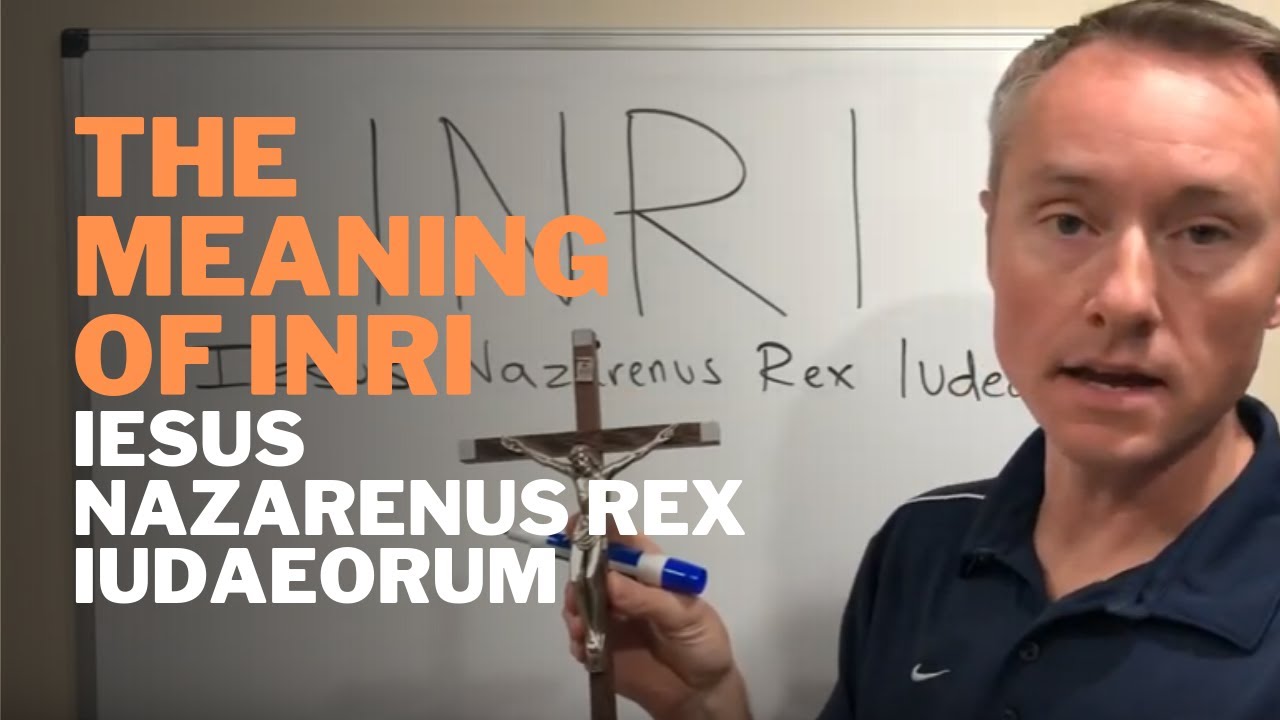
When gazing upon the crucifix, one might notice the inscription INRI above Jesus Christ’s head. This abbreviation stands for the Latin phrase Iesus Nazarenus Rex Iudaeorum, which translates to “Jesus of Nazareth, King of the Jews.” 📜 This statement carries profound theological significance, reflecting both the identity of Jesus and the reasons behind his crucifixion. Let us delve deeper into what this abbreviation embodies and its importance in Christian doctrine.
The Historical Context of INRI
During the time of Jesus, it was common for Roman authorities to inscribe the crime of the condemned on their crosses. This provided a clear statement to the public regarding why the individual was being executed. In the case of Jesus, the inscription served not just as an identification but as a proclamation of his royal status, which the Jewish authorities viewed as blasphemous. Wikipedia elaborates on the various interpretations this title has undergone through centuries.
Significance in Christian Theology
The phrase Iesus Nazarenus Rex Iudaeorum serves to affirm key aspects of Christian belief. First, it recognizes Jesus as the Messiah, expected by the Jewish people. Second, it highlights the profound irony in Jesus’s representation as King—one who was mocked and crucified rather than reigning in glory. This paradox adds a layer of depth to the Christian message, emphasizing humility and sacrifice over earthly power.
Exploring Similar Acronyms and Their Meanings
While INRI is perhaps the most renowned acronym associated with the crucifixion, other acronyms in Christianity also bear significance. For example, ICHTHUS (the Greek word for fish) symbolizes Jesus Christ, Son of God, Savior. Understanding these acronyms can enhance our comprehension of early Christian symbolism and the contexts in which they were used.


Connection to the Passion Narrative
INRI appears at a pivotal moment in the Passion narrative. Its presence on the cross serves as an ironic title, as Jesus’s crucifixion was intended to humiliate rather than honor him. This narrative is crucial for understanding the suffering that Jesus endured, and subsequently, the salvation he brings to humanity.
Complementary Tools and Resources
Using a deeper understanding of what INRI means can be enhanced with various complementary tools. Here are some methods and resources that can help deepen your study or appreciation of this inscription:
- Biblical Text Analysis Software: Utilize tools like Logos Bible Software for in-depth scripture analysis.
- Documentaries on Biblical History: Watch informative documentaries focusing on the life of Jesus, which often cover themes related to the crucifixion.
- Online Religious Studies Courses: Enroll in courses that provide insights into Christian symbols and their meanings.
- Discussion Groups on Religious Topics: Join forums or church groups where biblical meanings are discussed.
- Virtual Museums: Explore online resources that allow for a virtual tour of museums with relevant artifacts.
- Apps for Daily Scriptures: Leverage applications that send daily scripture readings with reflections on terms like INRI.
- Religious Podcasts: Listen to episodes that dissect theological implications about the crucifixion.
- Interactive Bible Apps: Use apps that provide annotations and commentary on biblical verses where INRI appears.
- Online Encyclopedias: Reference trusted encyclopedias for comprehensive explanations of religious terms.
Highlighting Key Tools
Let’s take a closer look at some of these tools and how they can enhance your understanding of INRI:
Biblical Text Analysis Software
- In-depth Scripture Analysis: Tools like Logos Bible Software allow you to explore original texts in their historical context.
- Scholarly Resources: Access a range of commentaries and biblical dictionaries for a deeper understanding of terms.
- Note-Taking Features: Make personal annotations while studying scripture to reflect on insights about INRI.
- Cross-Reference Capabilities: Easily find verses related to the crucifixion and the title of Jesus in broader scripture.
Online Religious Studies Courses
- Structured Learning: Courses typically offer a systematic approach to studying Christian theology.
- Access to Expert Knowledge: Learn from theologians and scholars who specialize in Christian history.
- Community Engagement: Interact with fellow students, enhancing discussions about terms like INRI.
- Self-Paced Learning: Flexibility to study at your own pace allows for deeper exploration of complex themes.
Understanding the Broader Implications of INRI
INRI is not merely an abbreviation—it encapsulates the heart of the Gospel message. The acknowledgement of Jesus as a king, despite his crucifixion, reflects the paradox of suffering leading to redemption. Understanding this context encourages believers to reflect on the deeper meanings of their faith. This can lead to a profound personal connection with the tenets of Christianity.
Prayer and Reflection Practices
Incorporating prayer and reflection practices that focus on the crucifixion can provide additional insights into the meaning of INRI. Here are a few practices to consider:
- Reflect on personal experiences of sacrifice and humility, drawing parallels to Christ’s own journey.
- Engage in meditative prayer, focusing on the words of the inscription to ponder its significance.
- Write a personal journal entry exploring what Jesus’s kingship means in your life.
- Participate in communal worship that reiterates the message behind the crucifixion and its implications for believers today.
Conclusion
The abbreviation INRI, representing the phrase Iesus Nazarenus Rex Iudaeorum, serves as a profound symbol on the cross, offering insights into the identity and mission of Jesus. This encapsulation of Jesus’s kingship amidst suffering brings depth to understanding the Christian faith. By exploring this in greater context with various tools and practices, individuals can enhance their spiritual journey and appreciation for the significance of Christ’s crucifixion.
Exploring more about INRI can unlock new dimensions in your understanding of Christianity. Embrace this journey, and discover ways to deepen your faith through tools, reflections, and community.
The Biblical Context of INRI
To understand what INRI means on the cross, we first need to delve into its historical and biblical context. The acronym INRI stands for the Latin phrase “Iesus Nazarenus, Rex Iudaeorum,” which translates to “Jesus of Nazareth, King of the Jews.” This inscription was ordered by Pontius Pilate during the crucifixion of Jesus Christ. It was placed above Jesus on the cross as a way to publicly display the charges against him.
This phrase not only identifies Jesus but also highlights the claims against him, showing how the Roman authorities viewed his supposed threat to their rule. The significance of INRI stretches beyond mere identification; it serves as a powerful symbol for Christians and is an integral part of the Passion narrative.
The Significance of Each Component
Breaking down the acronym, each word carries significant weight:
- Iesus: Referring to Jesus, whose life and teachings are central to Christianity.
- Nazarenus: Denoting Jesus’ origins from Nazareth, connecting him to a specific place and fulfilling prophecies.
- Rex: Meaning ‘King,’ this part of the inscription points to Jesus’ role in Christian belief as the spiritual King.
- Iudaeorum: Referring to the Jews, emphasizing the socio-political tensions of that era.
The Role of INRI in Religious Symbolism
What does INRI mean on the cross extends to its role in religious symbolism as well. For many Christians, INRI is not simply a historical note; it’s a testament to their faith. The inscription symbolizes Jesus’s sacrifice and serves as a reminder of his kingship over all believers.
Moreover, INRI is frequently depicted in religious art and iconography. It’s often found in Catholic churches and on crucifixes, serving as a visual proclamation of Jesus’ identity and mission. This brings a deeper understanding and connection to the narrative of Jesus’ life, death, and resurrection.
Visual Representation in Churches
In many religious artworks, INRI appears prominently in scenes of the crucifixion. This consistent representation reinforces traditional beliefs and helps congregants reflect on the deeper meanings behind the sacrifice of Jesus. Understanding what INRI means on the cross allows individuals to engage more deeply with their faith.
Historical Interpretations of INRI
Throughout history, various interpretations of INRI have emerged. Some view it solely as a declaration of Jesus’ identity during a politically charged moment, while others see it as an affirmation of Jesus’ divine kingship, even in suffering. Historical theologians have argued that the use of Latin reflects the Roman power that crucified Jesus, emphasizing the clash between earthly authority and divine sovereignty.
Theological Reflections on INRI
The theological implications of INRI are profound. In many Christian teachings, it affirms the concept of the Kingdom of God—where Jesus is King, not just in death, but in life and resurrection. Thus, for believers, the inscription represents hope and redemption. This idea is particularly relevant in liturgical practices where the crucifixion is commemorated, such as during Lent and Good Friday services.
Modern-Day Representations of INRI
In modern Christianity, the significance of INRI has not diminished. It remains a subject of reverence in religious discussions and teachings. Many church leaders and catechisms incorporate INRI into their teachings about sacrifice and leadership.
Additionally, the symbol has permeated popular culture in various forms, including music, literature, and cinema. Many artists reference INRI to evoke themes of struggle, sacrifice, and redemption, demonstrating its continuing relevance.
Works of Art Featuring INRI
Various artists have depicted INRI in masterpieces. For example, Raphael’s paintings frequently emphasize this inscription as a focal point. In these artworks, INRI acts as a bridge connecting the historical figure of Jesus with theological discussions in art, encouraging viewers to contemplate the complexities of faith.
Complementary Tools to Enhance Your Understanding of INRI
Understanding what INRI means on the cross can be further enriched by utilizing complementary tools that enhance your learning experience. Here are some suggestions:
- Bible Study Apps: To delve deeper into the scriptures that discuss Jesus’ crucifixion, consider using Bible study applications like YouVersion Bible App. This tool offers a wide range of translations and commentaries to facilitate a deeper understanding of context.
- Documentaries and Films: Watch documentaries about the crucifixion and its historical context to visualize the events surrounding INRI. Platforms like Netflix often feature insightful documentaries that can enhance your understanding.
- Online Courses: Engage with online theological or history courses from sites like Coursera or Udemy, providing a structured approach to exploring the significance of INRI within a larger framework of Christian theology and history.
- Art Collections: Explore virtual museum tours or art collections that showcase crucifixion scenes with INRI featured prominently. Websites like MoMA often provide digital collections for study.
- Discussion Forums: Interact with communities discussing theological interpretations of INRI on platforms like Reddit.
- Books and Resources: Choose books specifically addressing the crucifixion, such as those in your local library or bookstores. This literature often contains detailed analyses of what INRI means contextually.
- Documented Sermons: Listen to recorded sermons that discuss the significance of INRI, available on church websites or platforms like SoundCloud.
- Community Workshops: Participate in workshops at local churches to further explore the meaning of INRI and its implications in contemporary faith.
- Faith Journals: Keep a faith journal where you document your reflections on INRI and how it impacts your personal spiritual journey.
- Theological Blogs: Read blogs from theologians discussing recent developments or interpretations regarding INRI to stay updated and informed.
Diving Deeper with Online Courses
Taking online courses related to the crucifixion adds another layer to understanding what INRI means on the cross. Here are four specific benefits:
- Structured Learning: Courses provide a well-organized framework that guides learners through theological concepts over time.
- Access to Experts: Engaging with knowledgeable instructors promotes in-depth discussions and clarifications of complex topics.
- Community Engagement: Many courses have forums or communities where participants can share insights and support each other’s learning.
- Flexible Options: The ability to learn at your own pace offers a personalized experience tailored to your understanding of INRI.
Exploring Related Topics: The Passion Narrative
The Passion narrative details the events leading up to and including Jesus’ crucifixion. It’s important to understand how INRI fits into this greater storyline. The Passion not only narrates suffering and sacrifice but also the profound themes of divine love and redemption.
In many Christian teachings, the Passion is closely linked to INRI, emphasizing that Jesus’s kingship was paradoxically established through his suffering. This notion of a suffering king resonates with many believers, reinforcing the idea that Jesus’ reign is characterized by compassion and humility.
The Passion’s Impact on Christian Worship
Christian worship services during Lent and Easter prominently feature the Passion narrative, serving as a reminder of Jesus’ sacrifice and the meaning behind INRI. These times offer congregations opportunities for reflection, penance, and increased faith.
During these services, church leaders often incorporate teachings about INRI to highlight its significance in reminding believers of Jesus’s ultimate sacrifice for humanity. This approach offers an opportunity for deeper engagement during worship and helps connect ancient texts to current faith practices.
Conclusion
In conclusion, understanding what INRI means on the cross not only enriches one’s knowledge of biblical history but also provides profound insights into the faith and sacrifice of Jesus Christ. It serves as a cornerstone for discussions surrounding identity, authority, and redemption in Christianity. The various ways to engage with this topic—from historical explorations to art forms and modern-day interpretations—help believers connect deeply with their faith and reflect on its significance in their lives today. Encouraging further exploration through complementary tools can enhance this understanding. By embracing INRI as both a symbol of Christ’s suffering and a testament to His kingship, believers can fully appreciate its weight and continue to reflect on its relevance in their spiritual journey.
What Does INRI Mean on the Cross? 🔍
The Latin acronym INRI, displayed on the top of the crucifix, is not merely decorative; it carries profound meaning and historical significance. But what exactly does INRI mean on the cross? Let’s explore!
Theological Significance of INRI
INRI stands for “Iesus Nazarenus, Rex Iudaeorum,” meaning “Jesus of Nazareth, King of the Jews.” This inscription was placed on the cross as a charge against Jesus during His crucifixion, highlighting the reason for His execution. It serves as a powerful reminder of both His identity and the mockery of His kingship.
Historical Context of INRI
The inscription INRI was ordered by Pontius Pilate, the Roman governor, during the trial of Jesus. The Gospels of John 19:19-22 detail how Pilate wrote this title and affixed it to the cross, which acted both as a public statement and a symbol of the ridicule directed towards Jesus as He faced His punishment.
Symbolism of the INRI Sign
The letters INRI are also symbolic, representing not just Jesus’s kingship but also His mission and the fulfillment of prophecy regarding the Messiah. By declaring Him the King of the Jews, it brought to light the clash between earthly kingdoms and divine purpose. This pivotal moment in Christian theology encapsulates deep meanings, including sacrifice and redemption.
Theological Reflections on INRI
Many theologians and religious scholars have reflected upon the INRI inscription and its implications. It reminds Christian believers of Jesus’s suffering for humanity’s sins and His role as the true King and Savior. Engaging with this logo prompts believers to reflect upon their faith, inviting contemplation on the themes of suffering, sacrifice, and redemption.
Comparative Context: Understanding Jesus’s Kingship
Unlike other leaders of the time who sought power and wealth, Jesus’s kingship is rooted in selflessness and love. In contrast to earthly rulers, who reign through coercion, Jesus demonstrates His authority through compassion and sacrifice. This aspect deepens the meaning behind the letters INRI, encouraging followers to explore the narratives surrounding notions of power and kingship.
Complementary Practices to Enhance Understanding of INRI
Understanding what does INRI mean on the cross can be enhanced through various spiritual practices and tools. Below are some applicable ideas that can deepen one’s reflection on this significant inscription:
1. Prayer and Meditation
Incorporating prayer or meditation focused on INRI can create a deeper personal connection to the meaning of the cross. By reflecting on specific scriptures tied to this inscription, believers can invite a profound spiritual experience.
2. Religious Artwork
Engaging with religious art depicting the crucifixion and the INRI sign enhances understanding. This visual representation can serve as a profound reminder of Jesus’s passion.
- Captures emotions through visual storytelling.
- Provides a silent reflection space.
- Encourages emotional connection to the narrative.
- Fosters community discussion about interpretations.
3. Attending Religious Services
Participating in services during Lent or Holy Week can enhance understanding of the INRI inscription through collective worship and teachings.
4. Biblical Studies
Engaging in group or personal studies of the Gospels, focusing on passion narratives, familiarizes oneself with the context of Jesus’s crucifixion.
5. Online Resources and Discussions
Exploring forums or online classes dedicated to theological discussions about INRI encourages a diverse perspective and strengthens individual faith.
6. Christian Literature
Reading books focused on the life of Jesus and His crucifixion can also provide interpretations and insights related to the INRI significance. A few well-recommended books include “The Purpose Driven Life” by Rick Warren and “Jesus: Passion, Death, and Resurrection” by Tony Jones.
7. Songs and Hymns
Listening to hymns that speak about Jesus’s sacrifice and the cross can evoke thoughtful reflection on INRI and its significance.
8. History Tours of Significant Sites
Visiting relevant historical sites associated with Jesus’s life, crucifixion, and resurrection stimulates reflection and a deeper understanding. Consider joining guided tours that focus on these themes to connect physical locations with theological knowledge.
- Brings a tactile element to historical events.
- Encourages group reflection and discussion.
- Enhances learning through engaging narratives from guides.
- Creates memorable experiences that anchor learning.
9. Experiment with Digital Platforms
Many digital platforms offer engaging content to explore theological discussions and deepen understanding of INRI. Consider subscribing to podcasts like “Unorthodox” which often reflect on religious themes. Doing so allows for flexible learning while on the go!
10. Engage with Community Groups
Joining a community group or Bible study can provide a platform for discussion and deeper comprehension of INRI’s context in Christian faith. It fosters interaction among believers, enhancing the learning experience.
Conclusion
The inscription INRI on the cross stands as a significant theological and historical element in understanding Jesus’s crucifixion. Engaging deeply with its meaning invites believers to reflect on faith, sacrifice, and the essence of Christ’s mission. By using complementary tools and practices, the understanding of what does INRI mean on the cross can be enriched, leading to a more profound spiritual journey.
