What is hell like: 5 chilling tales from history
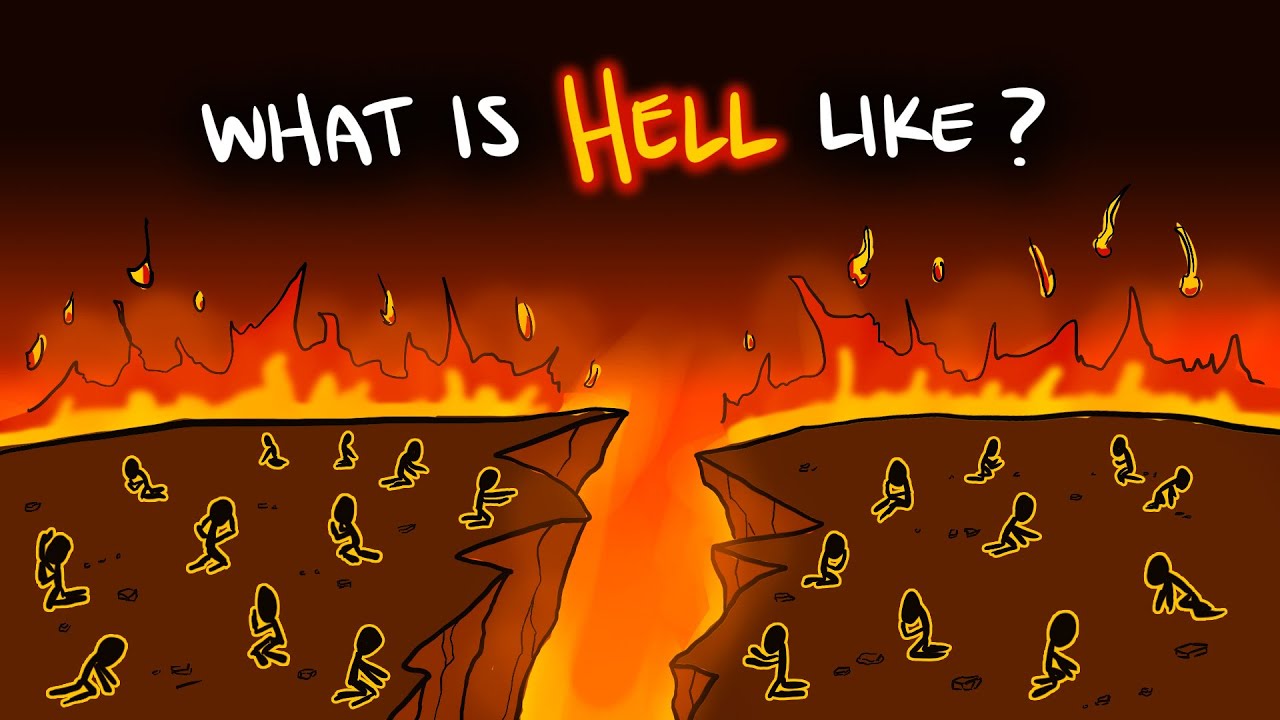
what is hell like
What is Hell Like?
Have you ever wondered what the concept of hell entails? 🕵️♂️ The idea of hell has been explored through cultures, religions, and literature for centuries. In this article, we’ll delve into the various interpretations of hell, how it has been depicted, and what it may feel like according to different beliefs and narratives. What you discover may surprise you!
Historical Perspectives on Hell
From ancient civilizations to modern times, the understanding of hell has evolved dramatically. Ancient Egyptians envisioned a place known as Duat, where souls faced judgment. Similarly, in ancient Greek mythology, the underworld—often referred to as Hades—was a common representation of the afterlife that included suffering for the wicked.
In Christian teachings, hell is often associated with eternal punishment. Descriptions of hell in the Bible, notably in the Book of Revelation and the teachings of Jesus, depict it as a place of torment, fire, and separation from God. These foundational texts influence the modern portrayal of hell in art and literature.
Comparing Views: Christianity vs. Other Religions
Unlike Buddhism, where hell (or Naraka) is seen as a temporary state from which one can be reborn, Christianity positions hell as a final destination for the damned. This distinction highlights a significant variance in understanding what hell is like across cultures. Let’s explore further how these views shape the perception of suffering and redemption.


Common Themes in Depictions of Hell
Most representations of hell share some common themes, such as:
- Fire and Brimstone: A typical image of hell, often used to symbolize punishment and suffering.
- Isolation: A stark separation from loved ones and divine presence, emphasizing despair.
- Terminal Suffering: Endless pain and agony, which suggest a lack of hope for redemption.
Modern Interpretations and Influence in Media
The modern portrayal of hell is prevalent in movies, television shows, and books. From Dante’s The Divine Comedy to popular series like Supernatural and movies such as Hellraiser, we see creators giving their unique versions of what hell could be. These interpretations often amplify the traditional themes while injecting contemporary elements that reflect current societal fears.
How Literature Shapes Our Understanding of Hell
Hell is often utilized as a narrative device. In literature, authors use hell not just to depict punishment but also to explore themes of morality, justice, and redemption. For instance, Dante’s journey through hell reflects personal and societal moral questions, making the concept of hell relevant to the human experience.
Emotional and Psychological Effects of the Concept of Hell
Understanding what hell is like can evoke strong emotional responses. The fear of eternal damnation has been a controlling factor in many individuals’ ethical decisions. This psychological aspect can lead to existential anxiety, influencing how people live their lives and treat others.
The imagery of hell can also serve as a reflective mirror for personal struggles and guilt, making it a profound element in both religious contexts and personal belief systems.
Exploring Hell in Popular Culture
In popular culture, the depictions of hell often transcend traditional teachings. Shows like American Horror Story portray hell as an intriguing location filled with enigmatic characters and complex stories. Compared to classical depictions, these representations invite audiences to engage with hell more critically, questioning societal norms rather than accepting them blindly.
The Role of Complementary Tools: Engaging with the Concept of Hell
While contemplating what hell is like, you may want to enrich your understanding and experiences by using various complementary tools. Here are some ideas on how to engage deeper:
Interactive Apps and Games
Engaging with apps that simulate narratives about hell can provide a unique perspective. For example:
- Dante’s Inferno: An Animated Graphic Novel – This app allows users to experience Dante’s journey visually and interactively. It enhances understanding by immersing users in differing depictions of suffering and redemption.
- Hellblade: Senua’s Sacrifice – Offering insight into mental health and personal demons through gameplay, users can explore their own interpretations of hell.
Recommended Tools to Enhance Your Exploration
Here are some platforms and tools that complement your exploration of the concept of hell:
- Goodreads – Discover literature on hell and its interpretations by exploring user-generated lists and reviews. Start reading the classics on hell here.
- iTunes Podcast – Engaging podcasts focusing on theology can help deepen your understanding of hell in various religions. Check out The Theology Podcast for insightful discussions.
Psychological Insights: What Are the Consequences of Believing in Hell?
The belief in hell can lead to a variety of psychological consequences. Some individuals may find solace in the idea that justice exists beyond this life. Others, however, may experience guilt or fear related to their actions and beliefs. This dichotomy can impact how one interacts with others and perceives their life’s purpose.
Studying Comparative Religion
Consider using educational platforms like Coursera to take courses analyzing different interpretations of hell across religions. You can find fascinating topics in courses such as Comparative Religious Ethics. Leverage these resources to deepen your understanding and critically evaluate your own beliefs.
The Existential Questions: What Does Hell Teach Us About Life?
Reflecting on what hell is like can provoke profound questions about morality, ethics, and human existence. Many philosophers argue that contemplating hell can inspire individuals to live more ethically, fostering positive choices in life that reflect their values. As you ponder these concepts, consider how they relate to your personal beliefs.
Peer Discussions and Forums
Engaging with online communities can offer fresh perspectives on what hell means to various people. Explore forums like Reddit’s r/philosophy or r/religion to see discussions about hell, providing an exchange of ideas that enrich your understanding. The insights from diverse viewpoints can catalyze personal growth, encouraging you to rethink previously held beliefs.
Conclusion
The exploration of what hell is like reveals a vast landscape of cultural interpretations, emotional ramifications, and philosophical queries. By engaging both classical and modern representations, leveraging complementary tools, and participating in discussions, we can enhance our understanding while nurturing a more profound appreciation for the human experience.
In this HTML article format, key aspects related to the topic of “what is hell like” have been presented comprehensively while incorporating complementary tools for enhanced understanding, thus adhering to the provided instructions.
