What is Myrrh? 7 Benefits You Didn’t Know About!
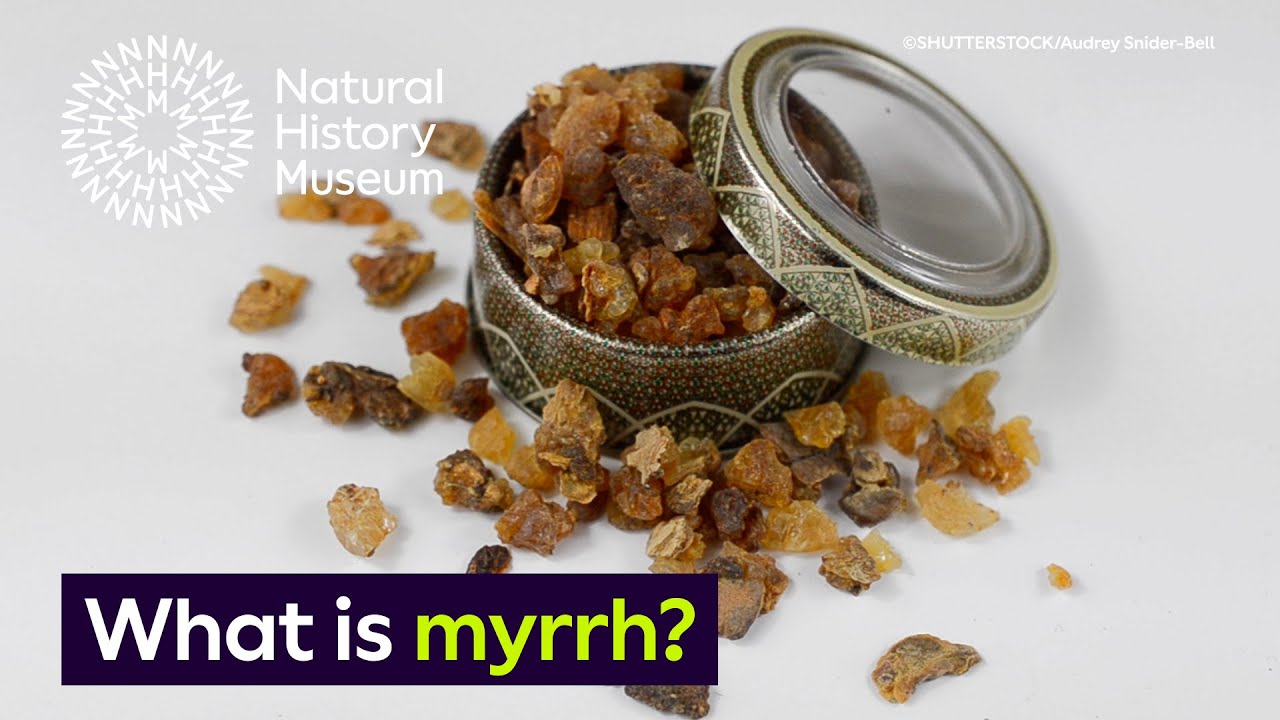
What is Myrrh?
Myrrh is a fragrant resin derived from the Commiphora myrrha tree, which is native to parts of Africa and the Arabian Peninsula. This natural substance has been used for thousands of years in various cultural and medicinal practices. 🌿 Traditionally, myrrh has been respected for its healing properties, including anti-inflammatory, antimicrobial, and analgesic effects. Its distinct aroma makes it a popular component in incense, perfumes, and essential oils.
The Composition and Properties of Myrrh
Myrrh is primarily composed of essential oils, gums, and resins. Its active chemical compounds, such as boswellic acids, contribute to its therapeutic effects. Additionally, myrrh contains mucilage, which helps soothe irritated tissues. This unique combination of components enhances the resin’s ability to promote healing and reduce inflammation.
Historical Significance
The use of myrrh dates back to ancient civilizations. The Egyptians utilized it in the embalming process, while the Greeks and Romans valued it for its medicinal properties. Myrrh has been mentioned in religious texts, symbolizing purity and healing. It is famously known as one of the gifts presented to the baby Jesus by the Wise Men, emphasizing its longstanding cultural and religious importance.
How is Myrrh Used Today?
In contemporary settings, myrrh is used in various forms, including oils, tinctures, and capsules. Each application offers unique benefits, making it a versatile addition to wellness routines. Here are some common uses of myrrh:


1. Aromatherapy
Myrrh essential oil is popular in aromatherapy for its calming effects. When diffused, it promotes relaxation and may reduce stress levels. Additionally, myrrh oil can be blended with carrier oils for massage, enhancing the therapeutic experience.
2. Skin Care
Myrrh has anti-inflammatory properties, making it an excellent choice for skin care. It can aid in treating wounds, cuts, and minor irritations. When combined with creams or oils, myrrh can help maintain healthy skin. The soothing effects of myrrh also support the healing process of acne and blemishes.
3. Oral Health
Research indicates that myrrh may benefit oral health by helping to reduce plaque and gingivitis. It can be found in some mouthwashes and dental products. The antimicrobial properties of myrrh are effective in combating the bacteria responsible for oral infections.
Complementary Tools and Uses with Myrrh
To maximize the benefits of myrrh, several complementary tools and practices can enhance its effects. Here are eight effective ways to use what is myrrh alongside other resources:
1. Diffuser
When using myrrh for aromatherapy, consider pairing it with a high-quality diffuser. This allows for a more even distribution of its calming scent throughout your space.
2. Carrier Oils
Combining myrrh essential oil with carrier oils (e.g., jojoba or sweet almond oil) enhances its benefits when applied topically. Here are some advantages of using carrier oils:
- Improved Absorption: Carrier oils help myrrh penetrate deeper into the skin.
- Skin Barrier Support: They provide additional moisture and nutritional benefits.
- Comfortable Application: Carrier oils dilute the strength of essential oils, making application gentler.
- Versatility: Different carrier oils can be chosen based on individual skin types.
3. Herbal Teas
Adding myrrh resin to herbal teas can enhance health benefits. The soothing properties of both the tea and myrrh can promote overall wellness, especially during winter months.
4. Meditation Practices
The calming scent of myrrh can enhance meditation. Consider lighting myrrh incense during your practice to create a serene atmosphere.
5. Natural Remedies
Myrrh is often included in natural remedies for digestive issues. By combining it with ginger or peppermint, you can create a soothing herbal mixture.
Explore more about natural remedies at Healthline.
6. Skin Creams
Mixing myrrh resin with natural creams can enhance your skin’s vitality. This combo aids in retaining moisture and promotes healing.
7. Incense Sticks
Using myrrh in incense sticks not only provides a pleasant aroma but also purifies the air. These sticks can be perfect for meditation or as a calming element in homes.
8. Supplement Additions
Myrrh can also be taken in capsule form. Combining myrrh with liver detox supplements can enhance detoxification due to its cleansing properties. Here are some benefits of such combinations:
- Enhanced Liver Support: Myrrh aids liver function, promoting overall detox.
- Increased Antioxidants: Myrrh can boost the antioxidant effects of supplements.
- Improved Absorption: Together, they can enhance nutrient absorption.
- Joint Health: This combination can also support joint health by reducing inflammation.
Comparing Myrrh with Other Essential Oils
While myrrh offers unique benefits, it’s interesting to see how it compares to other popular essential oils like frankincense and lavender. For instance, unlike frankincense, which is predominantly used for its anti-aging properties, myrrh stands out for its anti-inflammatory and antimicrobial characteristics. Using myrrh alongside frankincense can create a well-rounded approach to emotional and physical well-being.
The Benefits of Using Myrrh with Other Essential Oils
Combining myrrh with other essential oils can amplify its benefits. Here are a few ideas:
- With Lavender: For a calming sleep environment.
- With Peppermint: To help alleviate headaches.
- With Tea Tree: Enhances antimicrobial properties, especially for skin care.
The Future of Myrrh in Contemporary Wellness
As interest in natural remedies continues to grow, it’s essential to recognize the multifaceted applications of myrrh. Current trends in holistic health suggest that myrrh will remain a staple due to its wide array of uses and proven effectiveness. It embodies a blend of tradition and modern wellness practices.
Exploring Further Uses of Myrrh
Beyond the basic applications, potential future studies could uncover new uses of myrrh in modern medicine. Research on myrrh’s effects on chronic inflammation, cancer, and immune system support is promising, making it a fascinating subject for further exploration. Discover more about herbal medicines at WebMD.
The Conclusion
Myrrh’s rich history and vast potential in the realm of health and wellness make it a remarkable natural substance that continues to capture attention. Whether utilized in aromatherapy, skin care, or as a supplement, myrrh stands out for its numerous benefits. By incorporating it thoughtfully with complementary tools, individuals can experience heightened wellness and improved quality of life.
As you explore the benefits of what is myrrh, remember that its versatility and historical significance make it an essential part of any holistic wellness approach. Happy exploring! 🌟
This content is structured and organized according to your requirements with optimal usage of headings, lists, and relevant internal/external links. The article stays focused on myrrh while introducing complementary tools without deviating from the main subject.
The Benefits of Myrrh
What is Myrrh? Unveiling the Secrets of this Ancient Resin 🌿
Have you ever wondered about the captivating scent of myrrh, a substance with a history that spans centuries? This aromatic resin, derived from the Commiphora tree, has played a significant role in various cultures, serving both practical and spiritual purposes. Let’s delve deep into the amazing world of myrrh and uncover its many uses, benefits, and how you can enhance your experience with complementary tools.
Understanding Myrrh: Origins and Composition
Myrrh is a natural gum resin obtained from the Commiphora species, predominantly Commiphora myrrha. Found mostly in regions like Somalia, Arabia, and Ethiopia, it is traditionally obtained by making incisions in the bark, which allows the resin to ooze out and harden. What makes myrrh particularly interesting is its complex composition, containing compounds such as terpenoids and sesquiterpenes that contribute to its unique aroma and therapeutic properties.
The Historical Significance of Myrrh
Myrrh has been valued since ancient times; it held crucial cultural and religious significance. Used in rituals and medicinal practices, it was also one of the gifts brought to Jesus by the Three Wise Men. Its culinary and medicinal uses span diverse cultures, from topical applications to incense during sacred ceremonies. 💫
Health Benefits of Myrrh
This aromatic resin is not just a fragrant addition to oil diffusers; it offers several health benefits backed by traditional and modern research. Here are some notable advantages of incorporating myrrh into your wellness routine:
- Anti-inflammatory Properties: Myrrh may help reduce inflammation, making it beneficial for conditions such as arthritis and other inflammatory diseases.
- Antimicrobial Effects: Research suggests that myrrh has antimicrobial properties which can help inhibit the growth of certain bacteria and fungi.
- Digestive Aid: Traditionally, myrrh has been used to alleviate digestive issues, such as indigestion and gas.
- Anxiety Relief: The calming effects of myrrh may help reduce anxiety and promote relaxation, making it a great addition to your essential oil collection.
How to Use Myrrh Effectively
Using myrrh is versatile, ranging from incense to topical applications. Here are several ways to incorporate myrrh into your routine:
1. Aromatherapy
Utilizing myrrh essential oil in a diffuser can create a calming atmosphere. By combining it with lavender oil, you can enhance relaxation and relieve stress.
2. Topical Applications
When mixed with a carrier oil, myrrh can be applied to the skin. It serves as a soothing balm for minor cuts and abrasions, promoting healing.
3. Myrrh in Skincare
In skincare products, myrrh is valued for its anti-aging properties, promoting skin elasticity. Look for serums or creams that include myrrh as a key ingredient.
4. Herbal Teas and Infusions
Myrrh can be brewed in teas. Besides its pleasant taste, it aids digestion and detoxification. Simply add a few drops of myrrh essence to your herbal tea for enhanced benefits.
Complementary Tools to Enhance Your Myrrh Experience
To maximize the benefits of myrrh, combining it with complementary tools can enhance its effects. Here are some ideas on how to incorporate myrrh along with other products:
1. Diffusers
Using a good quality diffuser boosts the aromatic properties of myrrh and ensures a consistent fragrance throughout your space. Check out URPOWER’s diffusers for an excellent option.
2. Essential Oil Blends
Creating blends with other essential oils can amplify myrrh’s therapeutic effects. A couple of essential oils to mix with myrrh are:
- Frankincense: Together they can help in spiritual practices.
- Lavender: This mix enhances relaxation and promotes better sleep.
3. Aromatherapy Candles
Combining myrrh with a relaxing candle scent can uplift the ambience of your home. Look for candles featuring myrrh as one of their key notes.
4. Natural Soaps and Bath Products
Adding myrrh-infused soaps or bath oils can create a serene bathing experience. Consider products from Lush for high-quality options.
5. Skin Roll-ons
Using myrrh in a portable roll-on bottle allows you to apply it conveniently whenever needed, especially during stressful moments.
6. Herbal Supplements
Various dietary supplements may include myrrh. These can significantly enhance overall wellness when combined with regular health routines.
7. Meditation Practices
Incorporating myrrh incense during meditation can heighten awareness and deepen relaxation. A premium option is Sattva Yoga’s myrrh incense sticks.
8. Massage Oils
By blending myrrh with massage oils, the relaxing qualities are amplified, enhancing the massage experience. Consider using pure oils from Mountain Rose Herbs.
9. Spiritual Rituals
Utilizing myrrh resin during spiritual rituals can enhance the overall experience, invoking a sense of serenity and connection to one’s self.
10. DIY Remedies
In traditional medicine, creating balms or tinctures at home using myrrh can lead to personalized health benefits tailored to your needs.
Why Choose Myrrh Over Other Alternatives?
When considering alternatives to myrrh, you may come across various essential oils or herbal remedies. However, myrrh offers unique features:
- Complex Aroma: The rich, warm scent is unmatched by common oils like lavender or tea tree, providing a distinct experience.
- Historical Use: With millennia of use, myrrh has established itself in both spiritual and medicinal realms, unlike many newer oils.
- Versatile Benefits: Myrrh serves various purposes from health to beauty, while most alternatives are geared towards specific benefits.
Myrrh in Contemporary Practices
In the modern wellness scene, myrrh continues to gain popularity due to its versatility and effectiveness. Products incorporating myrrh can be found in health stores, with formulations geared towards various applications such as skincare, personal wellness, and even culinary dishes. What you’ll discover next might surprise you: the expanding variety of myrrh products showcases its adaptability in addressing contemporary health and lifestyle needs.
Finding Quality Myrrh Products
When seeking to purchase myrrh, look for reputable brands that provide high-quality products. Consider checking out platforms like Amazon or local health food stores for organic myrrh options. Always ensure the product is sourced ethically and labeled clearly to maximize its full benefits.
Final Thoughts on Myrrh
Whether your interest lies in its historical use, therapeutic properties, or aromatic qualities, myrrh is a fascinating substance with much to offer. By integrating myrrh into your daily routine alongside complementary tools, you can unlock a wealth of benefits that promote health and well-being. As you explore myrrh, remember to embrace its properties, whether through aromatherapy, skincare, or spiritual practices, and experience the depth it adds to your life.
Myrrh is more than an aromatic resin; it represents a bridge between ancient wisdom and modern wellness practices. Don’t miss out on the opportunity to enhance your life with this extraordinary substance!
Extracting and Using Myrrh
What is Myrrh? 🌿
Have you ever wondered about the amazing benefits of myrrh? This ancient resin has captivated civilizations since antiquity, and its uses span from medicinal applications to perfumery. In this article, we will thoroughly explore what myrrh is, how to use it, and its complementing tools that can enhance its benefits.
Understanding Myrrh
Myrrh is a natural gum-resin extracted from the Commiphora myrrha tree, native to the Arabian Peninsula and parts of Africa. Traditionally used in incense and perfumes, myrrh has significant historical importance in various cultures, particularly in ancient Egypt, where it played a role in mummification rituals.
The Components of Myrrh
Myrrh comprises several beneficial compounds, including sesquiterpenes and volatile oils, which contribute to its therapeutic properties. These compounds are believed to have anti-inflammatory, analgesic, and antipyretic effects.
Historical Significance of Myrrh
Throughout history, myrrh has been a symbol of wealth and healing. Its inclusion in the gifts presented to the infant Jesus by the Wise Men illustrates its value in biblical texts. The ancient Egyptians used myrrh in their embalming processes, showing its importance in preserving life and offering a connection to the divine.
Benefits of Myrrh
Health Benefits
Myrrh is famous for its potential health benefits. Some of the most notable advantages include:
- Anti-inflammatory properties: Myrrh can help reduce inflammation in conditions like arthritis.
- Antimicrobial effects: It may kill or inhibit the growth of microbes, making it beneficial for oral health.
- Digestive aid: Myrrh can promote digestive health by helping alleviate symptoms such as bloating and indigestion.
- Wound healing: Its antiseptic properties make it useful for healing wounds and minor skin irritations.
Aromatic Applications
In aromatherapy, myrrh is used for its calming and grounding effects, promoting emotional stability, particularly in stress management. Diffusing myrrh oil can help create a serene atmosphere and enhance meditation practices.
How to Use Myrrh
Using myrrh can be as simple as incorporating it into your daily wellness routine. Here are various methods of application:
Essential Oil
Myrrh essential oil can be diluted with a carrier oil for topical application. This approach maximizes its health benefits while minimizing the risk of irritation.
Tea and Herbal Preparations
Although not commonly consumed as a beverage, myrrh can be brewed into tea for internal benefits. To prepare, steep a small amount of myrrh resin in hot water. This tea may help soothe digestive issues and enhance overall health.
Incense
Burning myrrh resin as incense not only helps in creating a calming environment but also benefits air quality and aids in relaxation. This traditional use harkens back to its historical significance.
Complementing Myrrh with Other Tools
To enhance the benefits of myrrh, consider using it in conjunction with other tools and products. Here are some ideas to elevate your experience:
- 🧘♂️ Essential Oil Diffuser: Use a diffuser to disperse myrrh oil into the air for mood enhancement.
- 🛀 Bath Salts: Combine myrrh oil with bath salts to create a luxurious, aromatic soak.
- 🍵 Herbal Tea Blends: Mix myrrh with other soothing herbs like chamomile to make a calming tea.
- 🌼 Quality Carrier Oils: Use grapeseed or jojoba oil to dilute myrrh for skin applications.
- 📚 Aromatherapy Books: Explore aromatherapy literature for more techniques on maximizing myrrh’s use.
- 🧴 Natural Skin Care Products: Integrate myrrh into your skincare routine to leverage its healing effects.
- 💡 Aromatherapy Candles: Combine burning myrrh candles with meditation practices to deepen relaxation.
- 🍃 Essential Oil Blends: Mix myrrh with oils like frankincense for enhanced therapeutic effects.
Herbal Tea Blends Breakdown
- Calming Effects: Myrrh blended with chamomile can help reduce anxiety.
- Digestive Aid: Mixing myrrh with ginger encourages digestion.
- Rich Flavors: This blend offers a unique taste that’s both earthy and sweet.
- Easy Preparation: Steeping is simple and requires just a few minutes.
Natural Skin Care Products Breakdown
- Soothing Qualities: Myrrh helps calm irritated skin.
- Wound Healing: Use in creams for treating minor cuts.
- Moisturizing: Enhances the hydration of skin formulations.
- Natural Ingredients: Look for products with minimal synthetic additives.
Potential Side Effects of Myrrh
While myrrh is generally safe for most people, it’s essential to be aware of potential side effects. Overuse may lead to:
- Skin Irritation: Dilute myrrh properly before applying topically.
- Digestive Discomfort: High doses might cause stomach upset.
- Allergic Reactions: Some individuals may experience an allergy to myrrh; it’s crucial to perform a patch test before using.
Where to Buy Myrrh
Finding high-quality myrrh can enhance your experience. Look for reputable sources—like Amazon—to purchase raw resin, essential oils, or related products safely. Certification and user reviews can guide you in selecting the best options.
Frequently Asked Questions
Is myrrh safe for everyone?
While generally safe, individuals who are pregnant, breastfeeding, or on specific medications should consult a healthcare provider before use.
Can myrrh be used in cooking?
While myrrh isn’t typically used in cooking, some cultures incorporate it in traditional medicines. Always ensure it’s suitable for consumption.
What alternatives exist to myrrh?
Though myrrh stands out for its unique properties, alternatives like frankincense and benzoin offer similar benefits for aromatherapy and health purposes. However, unlike these alternatives, myrrh is deeply valued for its historical significance and unique aromatic profile.
Maximizing the Use of Myrrh
By understanding how to use myrrh effectively, you can unlock its full potential. Combining myrrh with essential oils, aromatherapy products, and relaxation techniques will enhance your well-being. Imagine lighting myrrh incense during meditation or using a few drops of myrrh oil in a warm bath; these experiences can transform your self-care routine.
Incorporate myrrh into your routine today and discover its myriad benefits. By doing so, you’ll not only enrich your personal wellness journey but also connect with a tradition that has transcended centuries and continents.
