Consecration prayer to the virgin mary: 5 key, practical steps
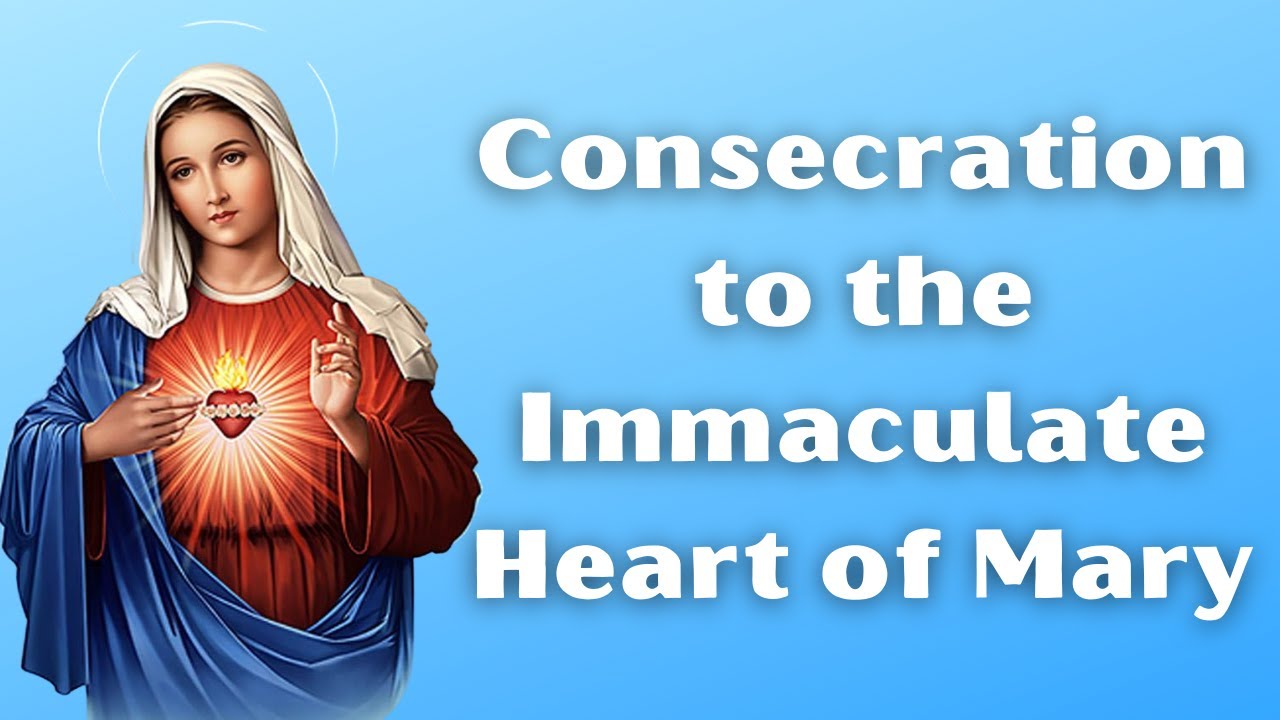
consecration prayer to the virgin mary
A consecration prayer to the virgin mary is a personal act of dedication in which a Christian entrusts their life, intentions, and spiritual growth to Mary, the mother of Jesus, asking her to lead them more surely to Christ. For many, this is not about replacing trust in God but deepening it by receiving Mary’s help as a model disciple and intercessor. Whether you are new to Marian devotion or revisiting a tradition you grew up with, this guide offers a clear, balanced introduction to what consecration means, why people make it, and how to pray it thoughtfully and well.
In what follows, we look at the biblical and historical roots of Marian consecration, practical steps for preparing and praying, examples of widely used texts, and common misunderstandings. You will also find reliable resources to explore further, along with brief answers to frequently asked questions.
What is a consecration prayer to the virgin mary?
A consecration prayer to the virgin mary is an intentional offering of yourself—mind, heart, and will—to God through Mary’s guidance. Often called “Marian consecration,” it is better understood as a wholehearted commitment to live as Mary did: open to God, attentive to Jesus, and ready to serve others. In Catholic and some Anglican contexts, this act is sometimes called an “entrustment” or “Act of Consecration to the Blessed Virgin Mary.”
At its core, consecration is about relationship. Just as Christians ask one another to pray for them, they also seek the prayers of the saints. In this case, the focus is on Mary because of her unique role in salvation history and her closeness to Christ. Many find that turning to her as a spiritual mother helps them follow Jesus with greater humility, courage, and consistency.


Biblical and historical roots
While the Bible does not use the precise term “consecration to Mary,” the foundations for this devotion are found in Scripture and the living tradition of the Church. Key texts include Luke 1:26–56 (the Annunciation and Magnificat), where Mary’s “yes” to God exemplifies perfect discipleship, and John 19:26–27, where Jesus entrusts the beloved disciple to his mother. Early Christian reflection saw in these passages a picture of Mary’s spiritual motherhood of all believers.
Historically, forms of Marian consecration developed over centuries. St Louis de Montfort (1673–1716) greatly shaped the practice with his “Total Consecration to Jesus through Mary.” His central idea is simple: Mary leads us to Jesus and helps us live our baptismal promises more fully. This approach remains influential worldwide; a helpful overview can be found in resources such as Wikipedia’s article on consecration and entrustment to Mary, which summarises both history and contemporary practice. Pope St John Paul II adopted “Totus Tuus” (“Totally Yours”) as his motto, inspired by de Montfort’s spirituality.
Marian consecration also intersects with approved apparitions, notably Fatima, where devotion to the Immaculate Heart of Mary and prayer for peace were emphasised. For historical context and official teaching moments, you can read the Vatican’s official pages, including documents about acts of consecration to Mary made by recent popes.
Why people make a consecration prayer to the virgin mary today
People choose a consecration prayer to the virgin mary for many reasons:
- To renew and deepen their baptismal commitment to Christ.
- To ask Mary’s intercession during times of change—marriage, parenthood, vocation decisions, or recovery after loss.
- To cultivate a more consistent prayer life through daily habits such as the Rosary.
- To seek peace, purity of heart, and courage in living the Gospel in ordinary life.
- To join a centuries-old stream of Christian devotion with a community of believers worldwide.
Ultimately, a consecration is not an end in itself; it is a starting point for daily discipleship. Many testify that Marian consecration helps them focus more directly on Jesus, increases their desire for Scripture and the sacraments, and inspires practical charity.
Key ideas behind Marian consecration
1) To Jesus through Mary
The classic phrase “to Jesus through Mary” captures the heart of the consecration. We do not consecrate ourselves to Mary as a replacement for God but entrust ourselves to her maternal care so that she may form us into more faithful followers of her Son. As de Montfort emphasised, the goal is Jesus Christ—Mary simply helps us get there.
2) Imitation and intercession
Consecration blends imitation (learning Mary’s virtues) with intercession (asking for her prayers). Imitation fosters humility, trust in God, and openness to the Holy Spirit. Intercession expresses the biblical conviction that the prayers of the righteous are powerful and effective.
3) Renewal of baptismal promises
Many consecration formulas explicitly invite you to renew your baptismal promises: to reject sin and profess faith in the Triune God. The consecration prayer to the virgin mary becomes a personal “yes” that echoes Mary’s “yes” at the Annunciation.
How to pray a consecration prayer to the virgin mary: a simple path
There are various methods—some lasting 33 days (inspired by de Montfort), others shorter or tailored to particular seasons. If you are new to this devotion, consider the following simple approach.
- Choose your date. Many people end a preparation on a Marian feast (for example, the Immaculate Conception or Our Lady of the Rosary). But any day is suitable, especially one with personal meaning.
- Set a modest daily plan. For two to four weeks, spend 10–15 minutes a day with Scripture, a short reflection on Mary’s virtues, and a brief prayer. This steady rhythm matters more than length.
- Pray with the Bible. Read Luke 1–2 and John 2 (the wedding at Cana), then John 19:25–27. Ask: what does Mary show me about trusting Jesus and serving others?
- Learn a time-tested formula. Consider the Act of Consecration by St Louis de Montfort or St Maximilian Kolbe’s prayer to the Immaculata. Reading an introduction or commentary can be helpful; for instance, the USCCB’s overview of Marian devotions offers context for American Catholics that is broadly useful.
- Make your consecration. On your chosen day, go to church if possible (Mass or a simple visit). Pray your chosen text slowly and mean what you say. If you cannot travel, pray at home with attention and reverence.
- Live it daily. After the act, keep your devotion alive with small habits: a morning offering, a decade of the Rosary, a brief evening examen, an act of kindness inspired by Mary’s example.
Popular forms of the consecration prayer to the virgin mary
St Louis de Montfort’s Total Consecration
De Montfort recommends 33 days of preparation focusing on turning away from sin, growing in knowledge of Jesus and Mary, and practising humility and charity. The consecration text addresses Mary as a mother and queen whose role is to form Christ in us. A concise historical overview is available in Wikipedia’s article on St Louis de Montfort, including his Marian spirituality and writings.
St Maximilian Kolbe and the Immaculata
Kolbe’s approach is simpler and mission-oriented: entrusting yourself to the Immaculate Virgin to belong totally to Jesus and to be available for God’s work in the world. Many appreciate its brevity and focus on evangelising charity.
Fatima and the Immaculate Heart
Consecration to Mary’s Immaculate Heart is linked with prayers for conversion, peace, and reparation. The Sanctuary of Fatima provides official materials that many find spiritually fruitful; see the Sanctuary of Fatima’s official site for context and resources.
A short example of a consecration prayer to the virgin mary
Here is a brief, traditional-style text you can use or adapt. Speak it slowly, with attention.
“O Mary, my mother, I offer and consecrate myself, all that I am and all that I have, to Jesus your Son through your loving hands. Obtain for me a faithful heart, a humble spirit, and a generous love, that I may follow Christ each day. I renew my baptismal promises, and I entrust my family, my work, and my intentions to your care. Lead me always to your Son, now and at the hour of my death. Amen.”
If you already have a favourite text, use that. The key is sincerity over perfection of words. A consecration prayer to the virgin mary is meaningful when it reflects your real desire to love God and serve others.
Common misunderstandings and gentle clarifications
- “Is consecration worship of Mary?” No. Christian worship (adoration) belongs to God alone. A consecration prayer to the virgin mary asks for her maternal help and intercession; it is a way of following Jesus more closely, not of replacing him.
- “Will this distance me from Scripture or my church community?” Properly understood, Marian consecration strengthens love for the Bible and sacramental life, and encourages you to serve in your local parish or community.
- “Do I need special feelings?” No. Fidelity matters more than emotion. Keep the practice simple and consistent.
- “Is it only for Catholics?” The classic forms come from Catholic spirituality, but some Anglicans and other Christians find value in a Christ-centred entrustment that honours Mary’s example. If you belong to a different tradition, speak with your pastor for guidance.
How to live your consecration day by day
A one-time consecration gains depth through daily habits. Consider these simple practices:
- Morning offering. Begin the day: “Mary, help me to follow Jesus today.”
- Scripture with Mary. Read a Gospel scene and imagine how Mary would respond.
- The Rosary (even a decade). A steady, modest practice often proves more sustainable.
- Acts of service. Like Mary at the Visitation, look for quiet, practical ways to help.
- Monthly renewal. On the same day each month, re-pray your consecration prayer to the virgin mary.
Choosing the right time and place
Many choose a liturgical feast of Mary or a significant family date. A quiet church or a peaceful corner at home helps you focus. Some ask a priest or deacon to bless a rosary or medal on the day as a simple, tangible reminder of their commitment. Families might consecrate their home together, placing a picture or icon of Mary in a visible spot.
Ecumenical notes and diverse traditions
Marian devotion varies across Christian communities. In the East, devotion often centres on the Theotokos (God-bearer), with a rich icon tradition and hymns. While the phrase “Marian consecration” is more common in the West, Eastern Christians strongly honour Mary’s role in the mystery of Christ. To learn more about the breadth of Christian tradition, see this concise overview of the Eastern Orthodox Church, which outlines history and worship in Eastern Christianity.
Planning a group consecration
Many parishes or small groups undertake a joint preparation, meeting weekly to share Scripture, reflect on Mary’s virtues, and encourage practical charity. If organising one:
- Pick a clear start and end date, perhaps leading up to a Marian feast.
- Provide a short reading plan and a simple consecration text.
- Include time for questions and pastoral sensitivity to those who are new to Marian devotion.
- Conclude with a communal act of consecration and a small celebration.
Measuring spiritual fruit
How do you know if a consecration prayer to the virgin mary is “working”? Look for quiet, steady fruit: more patience, increased love for Jesus and neighbour, renewed interest in Scripture, and a desire to receive the sacraments with devotion. If you become more generous, more forgiving, and more prayerful, the consecration is bearing fruit.
Further reading and official examples
For background on how the Church has used this devotion at significant moments, explore official texts such as papal consecrations published on the Vatican website, including recent acts entrusting the world to Mary’s care. To understand modern Catholic guidance on devotions in general, the USCCB’s page on Marian devotion offers helpful pastoral principles. Historical context and diverse practices are also summarised at Wikipedia’s consecration and entrustment to Mary article, which links to primary sources and classic prayers.
For global context about Christianity and its many traditions in which Marian devotion is found to varying degrees, you may find this summary helpful: how many Christians are there worldwide.
Recommended external resources
- Vatican: official texts and papal acts of Marian consecration
- USCCB: pastoral guidance on Marian prayers and devotions
- Sanctuary of Fatima: background on the Immaculate Heart and prayers for peace
- Encyclopaedic overview of Marian consecration and entrustment
Related articles
Frequently asked questions about consecration prayer to the virgin mary
Is a consecration prayer to the virgin mary a one-time event or should I repeat it?
Many people make a formal consecration once and then renew it periodically—monthly, on a Marian feast, or annually. Renewal is not “starting over” but deepening your commitment. Brief monthly renewals, even a few sentences, help you stay focused on Christ through Mary’s guidance.
Do I have to use a specific text when I make my consecration?
No. Time-tested prayers by St Louis de Montfort or St Maximilian Kolbe are widely used because they are theologically rich and pastorally balanced. However, you can use a shorter text or adapt a traditional formula so long as the heart of the act remains: giving yourself to Jesus through Mary and renewing your discipleship.
Can I make a consecration prayer to the virgin mary at home?
Yes. A church setting is beautiful but not required. Create a quiet space at home—perhaps with a Bible and an image of Mary—and pray with attention and reverence. If possible, mark the day by attending church near your consecration, but the essence lies in the sincerity of your prayer.
Will consecration change my daily life?
It should, gently and steadily. Expect subtle shifts: greater patience, more frequent prayer, and a stronger desire to serve others. These are signs that your entrustment is helping you imitate Mary’s discipleship and follow Jesus more closely.
Is a consecration appropriate if I struggle with faith?
It can be. A consecration prayer to the virgin mary is a way of saying, “Help me say yes to God.” If you are unsure, speak with a trusted pastor or spiritual friend. Start simply, without pressure, and let the practice grow naturally.
What if I miss days during the preparation?
Do not be discouraged. If you miss a day, pick up where you left off. The goal is steady friendship with God, not strict perfection. Keep your focus on Jesus, ask Mary’s help, and carry on.
Conclusion on consecration prayer to the virgin mary
A consecration prayer to the virgin mary is a time-honoured, Christ-centred commitment to grow as a disciple with Mary’s guidance. Rooted in Scripture and developed through centuries of Christian practice, it invites you to say a renewed “yes” to God, to seek Mary’s intercession, and to imitate her trust, humility, and courage.
Whether you follow a 33-day preparation or a shorter path, the most important thing is sincerity. Choose a simple text, make your offering to Jesus through Mary, and then live your consecration through daily prayer, Scripture, and tangible acts of love. Over time, you will likely notice a deeper peace and a clearer focus on Christ.
If you are ready, set a date, prepare with a few minutes of prayer each day, and make your consecration prayer to the virgin mary with confidence. Mary’s role is always to lead you to her Son; allow her maternal help to shape your ordinary life into a steady, joyful “yes” to God.
