Earliest recorded prayer to mary: essential guide with 3 key insights
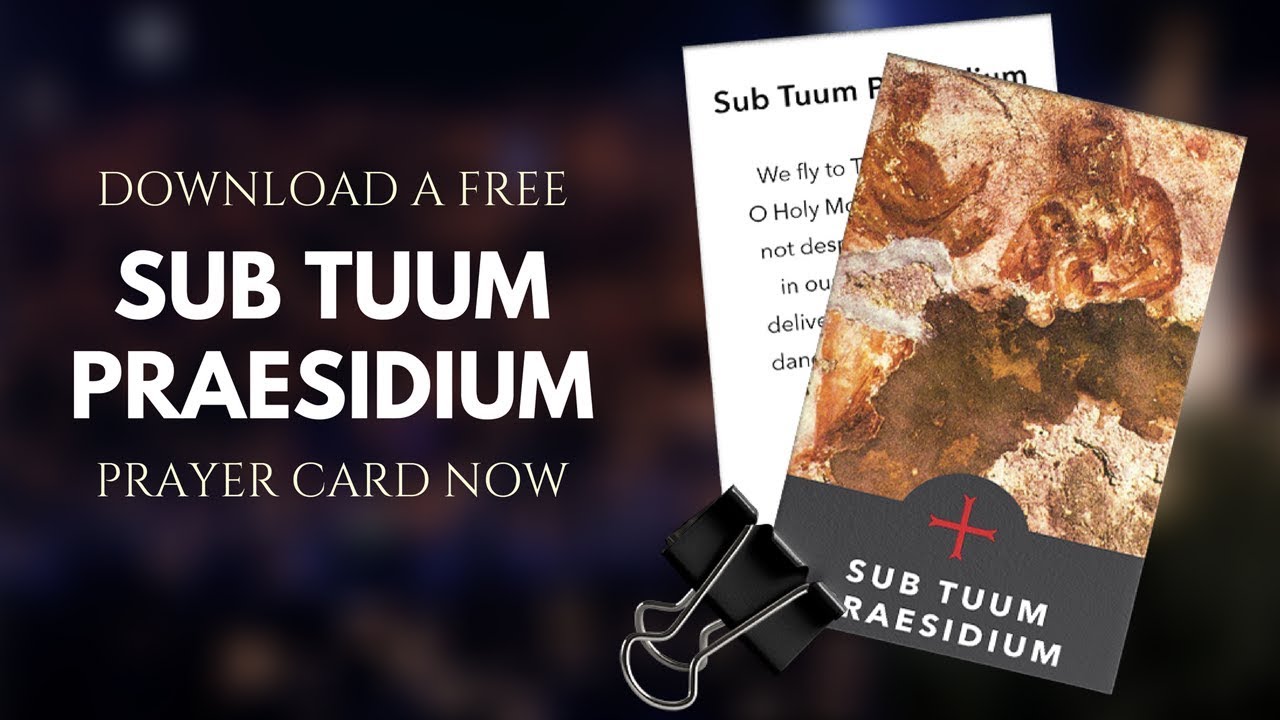
earliest recorded prayer to mary: origins, text, and meaning
The earliest recorded prayer to mary is a small but remarkable window into the devotional life of the earliest Christians. Preserved on an ancient papyrus and known by its opening line, Sub tuum praesidium (“Under your protection”), this short invocation tells us when, how, and why early believers sought Mary’s intercession. In this article, we explore its discovery, wording, historical context, and continuing significance across Christian traditions.
Far from being an obscure footnote, the earliest recorded prayer to mary helps us understand the growth of Marian devotion, the development of Christian language about Jesus and his mother, and the human need for protection and hope in times of danger. Whether you are curious about church history or looking for a simple prayer that has stood the test of time, there is much to discover here.
What is the earliest recorded prayer to Mary?
The term earliest recorded prayer to mary refers to a short, structured plea for help addressed to Mary, the mother of Jesus, found on a fragmentary papyrus dated to the late third or early fourth century. In English it is typically titled “Under your protection” (Latin: Sub tuum praesidium), and it asks Mary for help in times of need. Importantly, it does not worship Mary as divine but seeks her intercession—asking her to pray and act as a caring mother for those in distress.
Scholars date the papyrus to around AD 250–300. It is written in Greek (the lingua franca of much of the early Church) and was likely used in Egypt. That makes the earliest recorded prayer to mary significantly older than many later Marian texts and hymns commonly used in Western Europe during the Middle Ages.

Historical context of the earliest recorded prayer to Mary
To appreciate the earliest recorded prayer to mary, it helps to understand its setting. In the third century, many Christians lived with uncertainty—from sporadic persecution to local crises such as famine, disease, or unrest. Prayer was immediate and practical, and Christians often turned to trusted figures in the faith for help.
The papyrus uses the title Theotokos (“God-bearer” or “Mother of God”) for Mary. This shows that language later affirmed at the Council of Ephesus (AD 431) was already familiar in Christian piety earlier on. The earliest recorded prayer to mary therefore offers evidence that early Christians instinctively linked their trust in Jesus Christ with reverence for his mother as a powerful intercessor, especially in danger.
Text and translation of the earliest recorded prayer to Mary
Although the papyrus is fragmentary, the text of the earliest recorded prayer to mary is well known in Latin and Greek. A widely used English rendering (reflecting the core of the Greek) reads:
“Under your protection we take refuge, O Mother of God; do not despise our petitions in time of trouble, but deliver us from danger, only pure, only blessed.”
The Latin version, used in many Western liturgies, is commonly given as: “Sub tuum praesidium confugimus, sancta Dei Genetrix; nostras deprecationes ne despicias in necessitatibus, sed a periculis cunctis libera nos semper, Virgo gloriosa et benedicta.”
Two details stand out. First, the verb “we take refuge” signals urgency and trust—people run to shelter when storms come. Secondly, the repeated acclamation of Mary’s purity and blessedness recognises her unique role in salvation history, while keeping the focus on deliverance through God’s grace. In short, the earliest recorded prayer to mary asks a mother’s help in a crisis while situating that help within Christian faith in Christ.
Why the earliest recorded prayer to Mary matters
The earliest recorded prayer to mary matters for at least three reasons.
- It gives us a firm historical anchor. We can point to a real artefact showing that Christians were praying to Mary for help by the third century.
- It illuminates theology in everyday practice. The prayer uses titles that affirm who Jesus is (true God and true man) by naming Mary Theotokos.
- It bridges traditions. Both Eastern and Western Christians have preserved and used this same prayer, making it an ecumenical touchpoint.
There is also a pastoral side. The earliest recorded prayer to mary is brief, easy to memorise, and deeply consoling—ideal in moments when words are hard to find. It reminds believers that they are not alone, and that Mary’s maternal care reflects God’s own compassion.
How the earliest recorded prayer to Mary spread in Christian worship
Over time, the earliest recorded prayer to mary entered both private devotion and community worship. In the East, it appears in Greek and Coptic traditions; in the West, in Latin-speaking communities and later medieval prayer books. By the time European Christianity flowered in the Middle Ages, the prayer had a settled place in many rites and customs.
In the Eastern Christian traditions
Among Eastern Christians—Byzantine, Coptic, and others—the wording and melodies vary slightly, but the central plea remains: “Under your mercy we take refuge.” The prayer is often linked with evening worship or times of special need. As Marian devotion matured, the earliest recorded prayer to mary sat alongside other hymns like the Akathist, showing a spectrum of praise, supplication, and trust.
In the Western Christian traditions
In the Latin West, the prayer became known through the phrase Sub tuum praesidium and was adopted into various liturgical hours and seasonal practices. It stands with beloved Western prayers such as the Salve Regina and Alma Redemptoris Mater. Because it is short, the earliest recorded prayer to mary also found a natural home in family prayer and bedside devotion.
Manuscript, language, and scholarship on the earliest recorded prayer to Mary
The fragment that preserves the earliest recorded prayer to mary is dated by palaeography—the study of ancient handwriting. Scholars examine letter forms, ink, and material to suggest a date window. Most agree on the late third or early fourth century, placing the text among the earliest Marian invocations we possess in written form.
Linguistically, the Greek original carries a tenderness sometimes rendered “Under your mercy” rather than simply “Under your protection.” This nuance underscores the maternal warmth associated with Mary. Meanwhile, the Latin praesidium adds the sense of a fortress or citadel—shelter in a storm. Both flavours capture what the earliest recorded prayer to mary was always about: refuge, help, and hope.
Scholars also note that the papyrus’ use of Theotokos predates Ephesus (431). While doctrinal definitions came later, the popular and prayerful address to Mary as Mother of God was already familiar. Thus the earliest recorded prayer to mary contributes a small but meaningful piece to the historical puzzle of how Christian doctrine and devotion grew side by side.
Meaning and theology in the earliest recorded prayer to Mary
Four theological themes emerge from the earliest recorded prayer to mary:
- Intercession: The prayer assumes Mary hears and helps by bringing our needs to God. It is a humble request, not a demand.
- Christology: Calling Mary Theotokos affirms Jesus’ divinity and humanity—Mary is Mother of God because the one she bore is truly God the Son incarnate.
- Protection: The language of refuge, mercy, and deliverance shows that Christians are meant to seek help in real-life crises, not just spiritual ones.
- Holiness: The acclamations “only pure, only blessed” honour Mary’s unique sanctity without eclipsing the primacy of Christ.
Put simply, the earliest recorded prayer to mary is a doorway into lived theology—how believers express core Christian truths when they are anxious, in danger, or in need of courage.
How to pray the earliest recorded prayer to Mary today
While centuries old, the earliest recorded prayer to mary is strikingly accessible. Here are simple ways to use it:
- Memorise the short English text or the Latin Sub tuum praesidium if you prefer traditional phrasing.
- Pray it at the close of the day, after the evening meal, or whenever you feel anxious.
- Use it for others: replace “we” with “they” or name a specific person in need.
- Combine it with a moment of silence, allowing the imagery of refuge and protection to settle your heart.
- During difficult seasons, make it part of a daily routine—just a minute or two each day can create steady calm.
For churches and small groups, the earliest recorded prayer to mary can be a gentle bridge between traditions. Its simplicity makes it approachable for newcomers and long-time believers alike.
Common misconceptions about the earliest recorded prayer to Mary
“Isn’t it worship of Mary?”
No. The earliest recorded prayer to mary is a request for intercession, much like asking a respected elder in the community to pray for you. In Christian theology, worship (latria) is due to God alone. Honour (hyperdulia) offered to Mary acknowledges her special role in salvation history without making her divine.
“If it’s so early, does that mean everything about Marian devotion was already settled?”
Not necessarily. The earliest recorded prayer to mary shows that asking Mary’s help was already part of Christian life by the third century, and that titles like Theotokos were in use. But formal definitions and fuller devotional practices developed gradually. History is usually a mosaic, not a switch flipped overnight.
“Is the exact wording fixed?”
There are small variations in language over the centuries and across translations. The heart of the earliest recorded prayer to mary remains the same: seeking Mary’s maternal protection and asking deliverance from danger.
Recommended external resources
- Detailed historical overview of Sub tuum praesidium (Wikipedia)
- Background and text in the Catholic Encyclopedia (New Advent)
- Explanation of the title “Theotokos” in the Orthodox tradition (Greek Orthodox Archdiocese of America)
Related articles
Frequently asked questions about earliest recorded prayer to mary
What is the oldest known Marian prayer?
The oldest widely accepted Marian prayer is Sub tuum praesidium, preserved on a Greek papyrus from around the late third century. When people ask about the earliest recorded prayer to mary, this is the text they mean.
Where was the earliest recorded prayer to Mary found?
The papyrus was found in Egypt, a centre of early Christianity. Its Greek text points to a community rooted in the wider Mediterranean church. This Egyptian provenance helps explain why the earliest recorded prayer to mary circulated in both Greek and later Latin traditions.
Why does the prayer call Mary “Mother of God”?
Because the child she bore is Jesus Christ, who is true God and true man. The title Theotokos defends the full divinity of Christ. The earliest recorded prayer to mary uses this title to honour Mary’s role while implicitly affirming who Jesus is.
Is the prayer used today?
Yes. The Sub tuum praesidium is still prayed in both Eastern and Western churches, at home and in liturgy. Many believers include the earliest recorded prayer to mary in their night prayers or turn to it during times of stress.
Can non-Catholic Christians use this prayer?
Many do. Because it is so early and Christ-centred, some Anglican, Lutheran, and Orthodox Christians are comfortable with it. Others may prefer to reserve prayer to God alone. If you are exploring the earliest recorded prayer to mary, you might read it devotionally while discerning your own tradition’s teaching on intercession.
Conclusion on earliest recorded prayer to mary
The earliest recorded prayer to mary—known as Sub tuum praesidium—gives us a rare glimpse into the heart of third-century Christian faith. Short, direct, and full of trust, it shows believers turning to Mary for help while anchoring that trust in Jesus Christ, the one she bore as Theotokos.
Historically, it proves that Marian intercession is not a late medieval invention but part of the Church’s life from a very early date. Theologically, it weaves together Christology and compassion; pastorally, it offers comfort to anyone who needs refuge. That is why the earliest recorded prayer to mary remains beloved across traditions and languages.
Whether you pray it daily, keep it for hard moments, or study it to understand Christian history, the earliest recorded prayer to mary continues to speak with the same gentle urgency it had 1,700 years ago: under your protection, we take refuge.
