Glory be to god rosary prayer: essential guide with 5 steps
glory be to god rosary prayer
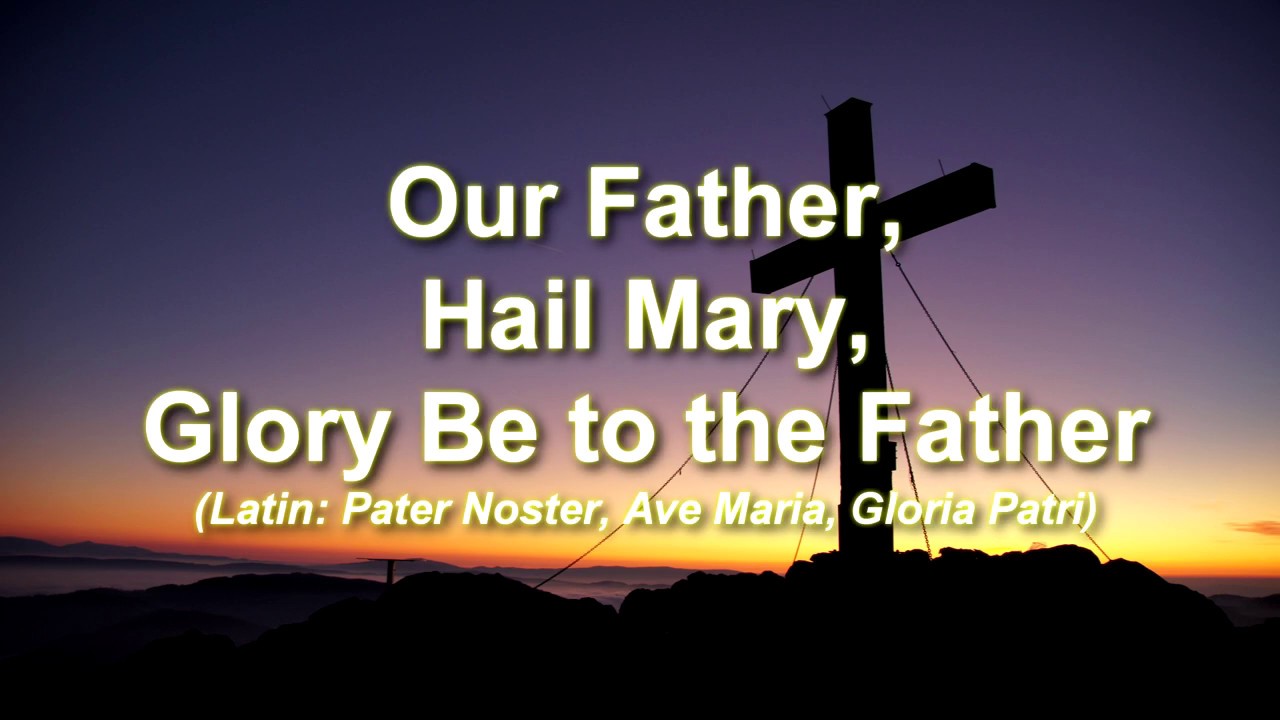
The glory be to god rosary prayer is one of the shortest yet most profound prayers in Christian devotion. Often called the “Glory Be” or by its Latin title “Gloria Patri”, it is a doxology—a concise statement of praise to the Holy Trinity. In the Rosary, this prayer is recited repeatedly to punctuate each decade and to gather up our intentions into a humble act of praise. Whether you are new to the Rosary or simply refreshing your understanding, exploring the glory be to god rosary prayer can deepen both your appreciation and your practice.
In this guide, we will explain what the glory be to god rosary prayer is, where it comes from, how to say it with attention and reverence, and how it enriches the rhythm of the Rosary. We will also note common mistakes to avoid, respectful variations across traditions, and tips for daily use. By the end, you will be confident in praying and teaching this timeless doxology.
What is the glory be to god rosary prayer?
At its core, the glory be to god rosary prayer is a succinct expression of worship that honours the Father, the Son, and the Holy Spirit. Its familiar text in English runs:
“Glory be to the Father, and to the Son, and to the Holy Spirit; as it was in the beginning, is now, and ever shall be, world without end. Amen.”

In the context of the Rosary, this doxology follows each decade (ten Hail Marys) and closes the set of prayers with a focused act of adoration. In many communities, the Fatima Prayer follows immediately after, but the Glory Be itself remains the anchor of praise within each cycle of the Rosary.
Text, meaning, and the heart of doxology
The glory be to god rosary prayer is carefully balanced. The first half praises the Trinity, naming the Father, Son, and Holy Spirit. The second half acknowledges God’s unchanging nature across time: “as it was in the beginning, is now, and ever shall be.” The phrase “world without end” expresses the eternity of God, and in some translations it appears as “for ever and ever”. Whichever approved wording you use, the meaning remains the same: God’s glory is constant, timeless, and universal.
A short history: from early Church to the Rosary
The “Gloria Patri” has roots in the early centuries of the Church, shaped in liturgical prayer and the Psalms. Over time, as the Rosary developed as a meditative cycle on the life of Christ through Mary, the Glory Be became the natural conclusion to each decade. For a concise historical overview of the doxology’s origins and forms, the Wikipedia overview of the Gloria Patri is helpful, while St John Paul II’s apostolic letter Rosarium Virginis Mariae situates the Rosary’s structure and spirituality in the life of the Church.
Where the glory be to god rosary prayer sits in the Rosary
Understanding the Rosary’s flow helps you place the glory be to god rosary prayer without effort. Each Rosary begins with introductory prayers, moves through five decades (each with a mystery to contemplate), and concludes with closing prayers. Within each decade, the Glory Be comes after the ten Hail Marys—either before or after the so-called Fatima Prayer, depending on custom.
The sequence at a glance
- Begin with the Sign of the Cross.
- Opening prayers (Apostles’ Creed, Our Father, three Hail Marys, and sometimes an introductory Glory Be).
- For each of the five decades:
- Announce and briefly meditate on the Mystery.
- Pray the Our Father.
- Pray ten Hail Marys.
- Say the glory be to god rosary prayer.
- Optionally add the Fatima Prayer (“O my Jesus…”).
- Concluding prayers (for example, Hail Holy Queen, and any additional devotions).
For a friendly, step-by-step overview, the USCCB guide on how to pray the Rosary outlines the basic sequence; though American, its method is widely recognisable and matches many British prayer books.
When exactly is the Glory Be said?
In most traditions, you say the Glory Be immediately after the tenth Hail Mary in each decade. Some parish groups include it after the Fatima Prayer; others before. What matters is consistency and mindfulness. If you are praying with a group, simply follow the local custom. When praying alone, choose a consistent form that helps your meditation remain calm and focused.
How to pray the glory be to god rosary prayer with attention
Because the glory be to god rosary prayer is short and familiar, it is easy to rush. A few simple practices can slow the pace and deepen your prayer.
Steps for a focused recitation
- Pause for one breath before you begin. Let the end of the Hail Mary settle.
- As you say “Glory be to the Father”, incline your heart towards gratitude—thank God for one concrete grace in your life today.
- As you say “and to the Son”, remember that the Mystery you have just contemplated is part of Christ’s saving work. Offer Him your intentions simply.
- As you say “and to the Holy Spirit”, ask for a quiet mind and a steadfast will.
- Slow the second half—“as it was in the beginning, is now, and ever shall be”—to one phrase per breath. This anchors your attention in God’s eternal constancy.
- Finish “world without end. Amen.” with calm clarity, then pause before any additional prayer.
Your voice, posture, and pace
- Voice: If praying in a group, speak in a gentle, steady voice. If alone, you can whisper or pray silently; the key is intention.
- Posture: Sit upright or kneel if comfortable. A grounded posture helps the mind to remain present.
- Pace: Aim for about six to eight seconds for the glory be to god rosary prayer—unhurried but natural.
Why mindfulness matters
The Rosary is not a race. The Glory Be acts as a hinge between the Hail Marys you have just offered and the next step in your meditation. When you linger on the doxology, you give the heart a moment to align praise with contemplation. Over time, this strengthens both devotion and understanding.
Theological depth held in a few words
Though brief, the glory be to god rosary prayer carries rich theological meaning.
Trinitarian praise
By naming Father, Son, and Holy Spirit, the prayer confesses the Trinity, the central mystery of Christian faith. It keeps the Rosary firmly Christ-centred and God-oriented—Mary’s role in the Rosary is always to lead us to her Son and, through Him, into the life of the Trinity.
Time and eternity
“As it was in the beginning, is now, and ever shall be” places our present moment into the flow of salvation history. You are not merely reciting words; you are joining the continuous worship of the Church across centuries. The phrase “world without end” reminds us that God’s glory is not diminished by changes in our lives; He remains faithful.
Unity with the Church’s prayer
Because the Glory Be appears in the Divine Office and countless liturgical settings, the glory be to god rosary prayer connects your personal devotion with the public worship of the Church. With each recitation, you echo a prayer said by Christians in monasteries, parishes, and homes across the world.
Practical tips, common mistakes, and respectful variations
Making small adjustments can turn routine recitation into a richer encounter.
Common mistakes to avoid
- Rushing: Speed clouds attention. Let the prayer breathe.
- Mumbling: Clarity aids devotion. Even quietly, shape each word.
- Skipping the pause: A short pause before and after the glory be to god rosary prayer helps the mind to reset.
- Confusing the wording: If your book says “for ever and ever” instead of “world without end”, that is fine—just stay with one approved form to avoid distraction.
Variations across traditions
In Anglican or Protestant settings, the wording of the Glory Be may slightly differ but carries the same meaning. In the Eastern Churches, the doxology is often phrased as “Glory to the Father, and to the Son, and to the Holy Spirit; now and ever, and unto ages of ages. Amen.” For a broader look at Eastern Christian practice, see this overview of Eastern Orthodox Church traditions. While the Rosary is characteristically Western and Catholic, different Christian families share the habit of frequent doxology as a way of punctuating prayer with praise.
The Fatima Prayer and the Glory Be
Some groups add the Fatima Prayer after the Glory Be (“O my Jesus, forgive us our sins…”). This is a devotional custom, not a requirement. If you are praying with others, follow the group’s lead; if alone, you may include it or not. The glory be to god rosary prayer remains the constant conclusion to each decade.
Using the glory be to god rosary prayer in daily life
While it belongs to each Rosary decade, the Glory Be is also a helpful stand-alone prayer for ordinary moments.
Moments to use it
- After receiving good news: offer praise with the glory be to god rosary prayer.
- When anxious: repeat it slowly to bring your thoughts back to God’s constancy.
- At the day’s end: close night prayer with a simple doxology.
- With children: teach it as a first prayer, because its brevity helps memorisation.
In group settings
When leading the Rosary in a parish or home, offer a calm example: keep a steady pace, announce each Mystery clearly, and maintain the same form of the Glory Be throughout. Group leaders sometimes add a brief moment of silence after the glory be to god rosary prayer so participants can complete their thoughts before moving on.
After the Rosary
Some Catholics like to add extra prayers at the end, such as the Litany of Loreto or the Prayer to Saint Michael. If you are interested in this cherished devotion, you can read more about the archangel’s role and the background to the prayer here: Prayer to Saint Michael and the figure of the Archangel. These additions are optional but can help round out your prayer time.
Examples and short reflections for meditation
One of the simplest ways to deepen the meaning of the glory be to god rosary prayer is to link each phrase to a thought or image connected with the Mystery you are contemplating.
- “Glory be to the Father” — In the Joyful Mysteries, picture the Father sending the angel to Mary with good news.
- “and to the Son” — In the Sorrowful Mysteries, hold the image of Christ in Gethsemane, obedient to the Father’s will.
- “and to the Holy Spirit” — In the Glorious Mysteries, remember Pentecost and ask for renewed courage.
- “as it was in the beginning” — God’s plan began before time; trust that He is at work now.
- “is now” — Offer the present moment, especially any difficulty or joy, to God’s glory.
- “and ever shall be, world without end” — Rest in the assurance that God remains faithful, even beyond your understanding.
Learning and teaching the Rosary: reliable references
If you are learning the Rosary from scratch, a structured outline can reinforce your practice. The USCCB’s step-by-step Rosary guide includes the text of each prayer, including the Glory Be, and a simple plan for the Mysteries through the week. For a theological deepening, St John Paul II’s Rosarium Virginis Mariae explains how the Rosary leads us to contemplate Christ with Mary. A brief survey of the doxology’s history appears on the Gloria Patri page, which also notes wording variants you may encounter.
Recommended external resources
- How to Pray the Rosary (USCCB official guide) — clear steps, texts, and tips for beginners.
- Rosarium Virginis Mariae (St John Paul II) — theological and pastoral insights on the Rosary.
- Gloria Patri (Wikipedia) — historical notes and wording variations of the doxology.
