Glory prayer: the essential, definitive guide with 5 keys

Glory prayer: meaning, origins, and how to pray it today
A glory prayer is a concise way of giving praise to God, focusing our attention on who He is rather than on what we need. Whether you know it as a doxology, the “Glory Be”, or a short prayer of praise, a glory prayer helps us recognise God’s greatness and re-centre our day. In this guide, we’ll explore what a glory prayer is, where it comes from, and how to make it a natural part of your life, with examples you can use at home, in church, or on the move.
Unlike longer prayers of intercession or confession, a glory prayer is brief and direct. It can be spoken alone or together, in formal worship or in everyday moments, and is appreciated across many Christian traditions. Keep reading to discover how a glory prayer can deepen your faith and bring clarity to your prayer rhythm.
What is a glory prayer?
At its heart, a glory prayer is a short, focused declaration that gives honour, praise, and thanksgiving to God. It is sometimes called a doxology—a term from Greek meaning “word of glory”—and appears in many Christian services as well as in personal devotions.
Short definition and examples
A straightforward definition might be: a glory prayer is a brief prayer that glorifies God for His character, His works, and His presence. It usually addresses God directly and avoids lengthy requests, instead lifting praise and reverence.

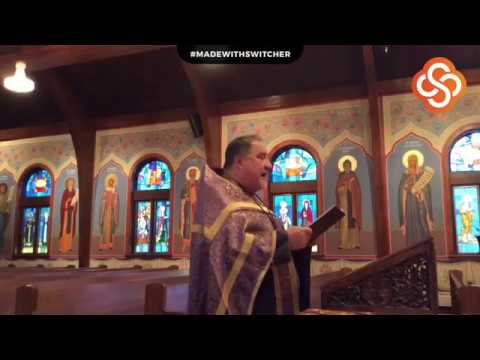
Examples include spontaneous one-sentence praises such as, “Lord, to you alone be glory for your goodness today,” or classic liturgical forms used by churches worldwide.
Common forms: the Gloria Patri (“Glory Be”)
The most well-known form is the Gloria Patri, often called the “Glory Be”. Many Christians recite it daily or weekly: “Glory be to the Father, and to the Son, and to the Holy Spirit; as it was in the beginning, is now and ever shall be, world without end. Amen.” For background on how this doxology developed and how it is used, see the article on the Gloria Patri.
Why glory prayer matters in everyday life
We often approach prayer with lists of needs. A glory prayer shifts our focus from problems to the One who holds all things together. This realignment can steady our emotions, nurture gratitude, and strengthen faith.
- It reframes your day: opening or closing with a glory prayer anchors your thoughts in God’s character before tasks and headlines take over.
- It deepens worship: praise can warm the heart, making subsequent prayer—confession, intercession, or lament—more honest and hopeful.
- It unites across traditions: praise is a shared language; a glory prayer can be prayed by Christians of different backgrounds, providing common ground.
- It is accessible: even on the busiest days, a one-sentence doxology keeps prayer alive.
Origins and history of the glory prayer tradition
The roots of the doxology are ancient. Early Jewish worship included short praises and blessings; the early Church adopted and reshaped this pattern to express faith in the triune God. Over the centuries, short formulas of glory became threaded through liturgy—after psalms, at the end of hymns, and during the Eucharist. For a concise, neutral overview of doxology as a concept, the Encyclopaedia Britannica entry on doxology is helpful.
By the fourth century, Christians were widely using recognisable praise formulas. The Gloria Patri emphasised praise to the Father, Son, and Holy Spirit, while other doxologies expressed joy at Christ’s saving work. Today, both ancient and contemporary churches continue to include glory prayers in worship resources and hymnody.
How to pray a glory prayer: step-by-step
If you are new to this style, start small. A glory prayer is not complicated; it is purposeful. Here is a simple way to begin, whether you prefer spontaneous words or a set form.
Simple structure you can follow
- Pause and become aware of God’s presence. A single deep breath can help you focus.
- Name one attribute of God you want to praise (e.g., goodness, mercy, holiness, faithfulness).
- Declare glory to God for that attribute (e.g., “Glory to you, Lord, for your faithfulness that never fails”).
- Optionally, add a short reason (e.g., “You sustained me through today’s meeting”).
- End with “Amen”—or continue in silence for a moment of worship.
A short example you can use
Classic: “Glory be to the Father, and to the Son, and to the Holy Spirit; as it was in the beginning, is now and ever shall be, world without end. Amen.”
Personal: “Lord Jesus Christ, to you be glory—yesterday, today and forever—for your kindness and truth.”
Group-friendly: “To our God be glory and honour; we praise your holy name now and always. Amen.”
Once you’re comfortable, craft a one-line glory prayer for each day’s theme—Monday for mercy, Tuesday for truth, Wednesday for wisdom, and so on.
Using glory prayer across Christian traditions
Practices vary, but the heart of a glory prayer—praise to God—remains shared. In ancient liturgies, the Gloria Patri typically follows psalms and canticles. Many Protestant services end hymns with a doxological stanza, while charismatic worship often includes free-form “glory” prayers sung or spoken between songs.
Some traditions emphasise set texts; others encourage spontaneous praise. For an accessible overview of liturgy and heritage in Eastern Christianity, see this overview of the Eastern Orthodox Church. In Reformed contexts, praise focuses strongly on God’s sovereignty and glory; if you are exploring that perspective, this guide to Calvinism outlines the theological backdrop that shapes worship and doxology in those churches.
When and where to include a glory prayer
A glory prayer is versatile. You can weave it into daily routines or church gatherings without fuss. Consider these moments:
- At waking: before checking your phone, speak a one-line praise—“Glory to you, Lord, for the gift of this new day.”
- Commute or walk: use your steps to rhythm your praise—“Glory to the Father for his guidance.”
- Before meals: add a short glory prayer after thanksgiving.
- During worship: pray a Gloria Patri after reading a psalm.
- In small groups: open or close with a simple doxology—a uniting moment across ages and personalities.
- At day’s end: let a final glory prayer calm the heart before sleep.
Common mistakes with glory prayer and how to avoid them
- Turning praise into performance: keep your tone honest and unforced. A glory prayer does not need poetic flair—sincerity matters more than style.
- Forgetting the Trinity: when using classic forms, remember a doxology often addresses Father, Son, and Holy Spirit. This keeps praise anchored in core Christian belief.
- Letting it become routine without engagement: familiar words can drift into autopilot. Pause briefly before praying to refocus.
- Making it only a “church thing”: try it at home, outdoors, or at work. Praise belongs everywhere.
- Overloading with requests: a glory prayer centres on God’s glory. Save petitions for another moment, or keep them clearly distinct.
Integrating glory prayer into home and group settings
If you have family devotions or a small group, a simple pattern helps. Try this rhythm: scripture, silence, short reflection, glory prayer, and then intercessions. Encourage each person to craft a one-sentence praise; over time, confidence grows and participation widens.
Ideas for families
- “Glory jar”: keep paper slips nearby. Each evening, write what you want to glorify God for, and read a few aloud with a brief prayer of praise.
- Praise prompts: choose a weekly attribute (e.g., “God is faithful”). Each family member prays a one-line doxology linked to that theme.
Ideas for small groups
- Rotating doxology: each week, a different person introduces a short glory prayer inspired by a verse.
- Music and silence: alternate a sung doxology with half a minute of silence, then a spoken “Glory Be”.
Biblical foundations for glory prayer
Scripture repeatedly calls God’s people to give Him glory. The Psalms are full of it (e.g., Psalm 29:2; Psalm 115:1), and the New Testament echoes the same heartbeat. Paul writes, “For from him and through him and for him are all things. To him be the glory for ever! Amen.” You can read the verse here: Romans 11:36 on Bible Gateway. Other key passages include Jude 24–25 and Revelation’s soaring doxologies (Revelation 4–5), which give a glimpse of eternal worship.
In short, a glory prayer is not a modern invention; it is woven into the biblical story. When we join in, we echo the praise of God’s people across time and place.
Recommended external resources
- Common Worship resources from the Church of England – official liturgical texts that often include or reference doxologies.
- OrthodoxWiki: Doxology – a helpful orientation to doxology in the Eastern Christian tradition.
Related articles
Frequently asked questions about glory prayer
Is a glory prayer the same as the “Glory Be”?
Not always. The “Glory Be” (Gloria Patri) is a specific text many Christians use. A glory prayer is a broader term for any short prayer that gives praise to God. The “Gl
