Glory to god in the highest mass prayer: complete, essential guide
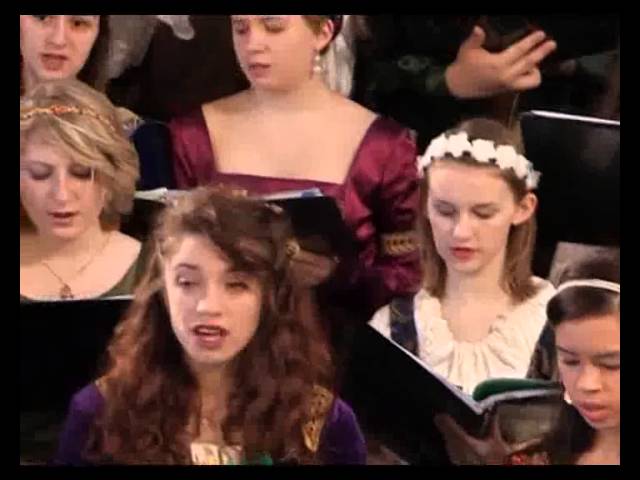
glory to god in the highest mass prayer
The glory to god in the highest mass prayer is one of the most recognisable hymns of praise in Christian worship. Whether you know it by its Latin title, Gloria in excelsis Deo, or simply as the “Gloria”, this ancient prayer gathers the whole congregation into a joyful proclamation of who God is and what He has done. In this guide, we will explore what the glory to god in the highest mass prayer is, why it matters, when it is used, and how to participate in it with understanding and devotion.
More than just a song, the glory to god in the highest mass prayer is a structured act of praise that expresses the Church’s faith in the Father, the Son, and the Holy Spirit. It brings together Scripture, early Christian tradition, and the living voice of the community. If you have ever wondered why we sing it, where it comes from, or how to enter into it more deeply, this article will give you a clear and friendly overview.
What is the glory to god in the highest mass prayer?
The glory to god in the highest mass prayer is a doxology—a prayer that glorifies God. Heard especially in the Roman Catholic Mass and many Anglican and Lutheran liturgies, it follows the introductory rites and moves the assembly from penitence to praise. It begins with the angels’ words in Luke 2:14—“Glory to God in the highest”—and quickly unfolds into a sweeping hymn that acclaims God’s holiness, mercy, and saving work in Christ.
In everyday terms, think of it as the congregation’s standing ovation for God. It states, out loud, what Christians believe: that the Father is worthy of glory, the Son is the Lamb who takes away the sins of the world, and the Holy Spirit is the giver of life. The glory to god in the highest mass prayer sets a tone of joy and reverence before the readings of Scripture begin.

Origins and meaning
Scriptural roots
The opening line comes straight from the Gospel of Luke (2:14), where angels announce the birth of Jesus to shepherds: “Glory to God in the highest, and on earth peace to people of good will.” This scriptural refrain anchors the glory to god in the highest mass prayer in the Christmas story, but its message is timeless: God’s glory and human peace meet in Christ.
From early Church hymn to set prayer
By the second and third centuries, Christians were singing and praying hymns modelled on the angelic proclamation. Over time, a fuller text emerged that names the Father, acclaims Jesus Christ as Lord and Lamb of God, and invokes the Holy Spirit. The “Gloria” became fixed in Western liturgy during the first millennium and remains a staple of the Mass today. For an accessible historical overview, you may find Encyclopaedia Britannica’s entry on the Gloria in Christian liturgy helpful.
When the Gloria is used in the Mass
Sundays and feast days
In the Roman Rite, the glory to god in the highest mass prayer is used on most Sundays outside Advent and Lent, and on solemnities and feasts throughout the year. It is also included in special celebrations such as nuptial Masses and ordinations when the liturgical day calls for it. The general principle is straightforward: on days of particular joy or significance, the Church sings the Gloria.
Seasons when it is omitted
Traditionally, the Gloria is not used during Advent (a season of reflective preparation) and Lent (a time of penitence and renewal), except on certain solemnities. Its absence helps mark the distinct spiritual character of these seasons and builds anticipation for its joyful return at Christmas and Easter. The General Instruction of the Roman Missal explains this pattern and the Gloria’s place immediately after the Kyrie on days when it is appointed.
Anglican, Orthodox, and other traditions
Anglicans commonly include the “Gloria in Excelsis” in services of Holy Communion, following authorised texts such as those in Common Worship. You can read the text and rubrics on the Church of England’s Common Worship: Gloria in Excelsis page. In the Eastern Christian world, a related hymn known as the “Great Doxology” appears in the Divine Liturgy and daily offices, showing a shared instinct to praise God with the angels. For an at-a-glance introduction to that heritage, see this overview of the Eastern Orthodox Church.
The text and structure of the Gloria
Although melodies vary, the structure of the glory to god in the highest mass prayer is notably consistent:
- Opening acclamation: “Glory to God in the highest…” recognises God’s glory and proclaims peace.
- Extended praise of the Father: acknowledging His majesty, worship, and thanksgiving.
- Christological centre: addressing Jesus Christ as the Only Begotten Son, Lord, Lamb of God, and Saviour who takes away the sins of the world and who is seated at the right hand of the Father.
- Concluding doxology: affirming the Holy Spirit’s role and the Trinity’s unity—often phrased as “For you alone are the Holy One… with the Holy Spirit, in the glory of God the Father.”
The heart of the glory to god in the highest mass prayer is Christ’s saving work—mercy, forgiveness, and intercession—held within the praise of the Father and sealed by the Holy Spirit. It is unabashedly Trinitarian: every stanza either names or implies the persons of the Trinity.
Why the glory to god in the highest mass prayer matters
First, it teaches faith. The Gloria is a concentrated summary of who Christians believe God is. As you sing or say it, you learn the Church’s language of worship: reverent, joyful, and grounded in Scripture.
Secondly, it forms community. Standing together to sing the glory to god in the highest mass prayer unites the assembly in a shared act of love and thanksgiving. Around the world, millions of Christians speak or sing it week after week. For a sense of the global scale of Christian worshippers who share prayers like this, see this overview of how many Christians there are in the world.
Thirdly, it sets the tone for hearing Scripture. By praising God first, we become ready to receive His word with open hearts and attentive minds.
How to participate prayerfully
Posture, timing, and attitude
When the glory to god in the highest mass prayer begins, the congregation stands. Whether it is sung or recited, allow the words to come from your heart. This is not a performance but a prayer for the whole people of God. Focus on the meaning of each line: God’s glory, Christ’s mercy, the Spirit’s holiness.
Singing or saying the Gloria
On most days, the Gloria is sung. If you are unfamiliar with a particular musical setting, listen the first time, then join in as you are able. If it is recited, pronounce the words clearly and at a steady pace with the rest of the congregation. Either way, remember that the glory to god in the highest mass prayer is praise first, music second.
Three simple tips for deeper engagement
- Read the text beforehand. Notice the movement from praise to petition and back to praise.
- Emphasise key titles of Christ—“Lamb of God”, “Only Begotten Son”—to centre your devotion.
- Offer a personal intention. For example, when the prayer mentions “peace”, briefly pray for someone who needs it.
Guidance for choirs, musicians, and leaders
Choosing a musical setting
Select a setting that the assembly can learn and sing confidently across seasons. In parishes where congregations change frequently, choose simpler, memorable melodies. On high feasts, a more elaborate setting can be used, provided it still supports congregational participation. The glory to god in the highest mass prayer is a common text, so once a community learns one or two settings well, participation rises sharply.
Balancing beauty and clarity
Because the Gloria carries crucial doctrinal content, textual clarity matters. Avoid musical arrangements that obscure the words or over-embellish the central lines about Christ’s mercy. The aim is never to display virtuosity but to carry the whole assembly into praise of God. If you are choosing between two equally beautiful settings, prefer the one that the congregation can sing without strain.
Introducing or reintroducing the Gloria
When reintroducing the glory to god in the highest mass prayer after Advent or Lent, rehearse the chosen setting briefly with the congregation just before Mass. A 30-second reminder of the refrain can make a noticeable difference. For catechists, a short note in the parish bulletin explaining the Gloria’s seasonal pattern helps people reconnect with its purpose.
Common misunderstandings and easy corrections
- Confusing the Gloria with the “Glory be” (Gloria Patri). These are different prayers. The latter is a short doxology often used in psalmody; the glory to god in the highest mass prayer is a full hymn used on Sundays outside penitential seasons and on feasts.
- Thinking it is optional on ordinary Sundays outside Advent and Lent. Where the liturgy appoints it, it should be included.
- Altering the text. Approved liturgical texts should be used as given; changes may compromise unity and meaning. For official guidance, consult documents such as the General Instruction of the Roman Missal.
- Treating it as a “choir number”. The congregation’s participation is central. Consider repeating a simple refrain to encourage full singing.
- Overlooking its Trinitarian structure. Highlight the movement: praise of the Father, acclamation of the Son, and conclusion “with the Holy Spirit.”
The Gloria across Christian traditions
Although the form and translation vary, many Christians know some version of the Gloria. Roman Catholics use an authorised translation in the vernacular or Latin; Anglicans have multiple settings in Common Worship and earlier prayer books; Lutherans include it in their divine services; Eastern Christians use the Great Doxology in their liturgical prayer. This breadth shows that the glory to god in the highest mass prayer is part of a wider Christian instinct to answer God’s gift with sung praise.
Praying the Gloria at home
The Gloria is primarily a liturgical prayer, but it can also inspire personal devotion. Consider reading or singing it as part of family prayer on Sundays and feasts, especially at Christmas and during the Easter season. If you use it privately, keep its character as praise: do not shorten it to a single line; pray it as a whole. The value of the glory to god in the highest mass prayer at home lies in forming hearts to worship as the Church does together.
How the Gloria prepares us for the Liturgy of the Word
After the penitential act and the Kyrie, the glory to god in the highest mass prayer raises our eyes to God, so that when the readings begin, our minds are attuned to His goodness and mercy. Having proclaimed who God is, we are ready to hear what He says. That is why the Gloria stands at the hinge between entering God’s presence and listening to His word.
Recommended external resources
- Church of England: Gloria in Excelsis (Common Worship text and notes)
- Encyclopaedia Britannica: Gloria in Christian liturgy (history and context)
- Vatican: General Instruction of the Roman Missal (placement and use of the Gloria)
- USCCB: Order of Mass – Gloria (approved English text and guidance)
Practical ways to teach the Gloria in a parish
For parish priests and deacons
Offer a brief catechesis over two or three Sundays. In week one, explain where the glory to god in the highest mass prayer comes from. In week two, walk through the lines about Christ as Lamb of God. In week three, highlight the Trinitarian conclusion. Keep each explanation to one minute, just before the start of Mass, to avoid changing the liturgy itself.
For music coordinators
Choose a well-crafted setting in a comfortable vocal range. Provide a simple worship aid with the refrain and one or two memorable musical cues. If your parish observes major feast days with larger musical forces, ensure the congregation still has a clear role.
For catechists and parents
Teach children the first and last lines by heart and explain the meaning of “peace to people of good will” in age-appropriate language. Encourage families to listen to the Gloria at home and to notice when it returns after Advent and Lent.
The Gloria’s language: a quick guide
Many English-language texts now say “peace to people of good will,” a direct echo of Luke 2:14 in Greek and Latin. Terms such as “Only Begotten Son” and “Lord God, Lamb of God” come from the early Church’s effort to confess Jesus as truly God and truly man. The language may feel formal, but its purpose is precision about who Christ is and what God has done—perfect for a hymn of praise. If a particular phrase puzzles you, take it slowly; the glory to god in the highest mass prayer rewards reflection.
Key takeaways for newcomers
- The glory to god in the highest mass prayer is a hymn of praise used on Sundays outside Advent and Lent, and on feasts and solemnities.
- It begins with the angels’ words from Luke 2:14 and unfolds into praise of the Father, acclamation of the Son, and a Trinitarian conclusion.
- It is usually sung; the whole congregation should participate.
- It teaches the faith in concise, beautiful language and prepares us to hear Scripture.
Frequently asked questions about glory to god in the highest mass prayer
Is the Gloria the same as the “Glory be” (Gloria Patri)?
No. The “Glory be” is a short doxology used with psalms and prayers. The glory to god in the highest mass prayer is a much longer hymn placed near the start of the Mass on appointed days.
Why is the Gloria not used in Advent and Lent?
These are seasons of preparation (Advent) and repentance (Lent). Omitting the Gloria underscores their character and heightens the joy when it returns at Christmas and during the Easter season.
Must the Gloria always be sung?
It is preferable to sing it, but it may be recited. What matters is that the congregation participates and the words are clear and prayerful.
Can a parish write its own version of the Gloria?
No. In liturgy, approved texts should be used to preserve unity and doctrinal accuracy. Musical settings may vary, but the authorised wording of the glory to god in the highest mass prayer should remain intact.
Is it appropriate to use the Gloria at home?
Yes, as part of private or family prayer on Sundays and feasts. While the Gloria is designed for the Mass, praying it at home can help you enter the liturgy more fully.
Do all Christian denominations use the Gloria?
Many do, including Roman Catholics, Anglicans, and Lutherans, with variations in text and placement. Eastern Christians use a related hymn called the Great Doxology in their worship.
Conclusion on glory to god in the highest mass prayer
The glory to god in the highest mass prayer is far more than a familiar tune. Rooted in Scripture and honed by centuries of worship, it invites the whole assembly to turn from self to God and to proclaim His mercy and majesty together. As a concise confession of faith in the Father, the Son, and the Holy Spirit, it teaches even as it praises.
When you stand to sing the glory to god in the highest mass prayer, you join Christians across time and cultures in a single act of joyful homage. You acknowledge God’s glory, ask for Christ’s mercy, and rest in the Spirit’s holiness. Learning its meaning and rhythm can transform the start of every festal Mass from routine to renewal.
Whether you are a newcomer or a lifelong worshipper, let the glory to god in the highest mass prayer become your own. Sing it clearly, pray it attentively, and allow its words to shape your faith and your life.
