How did Paul die: 7 shocking theories revealed
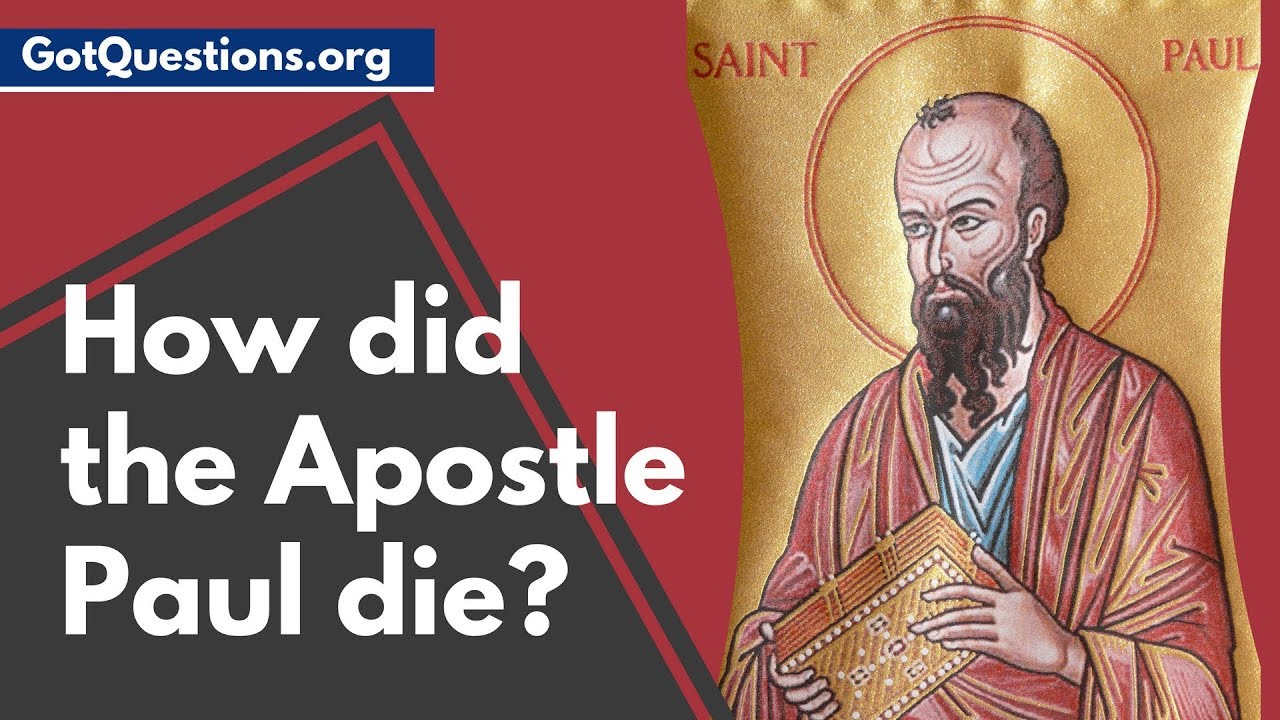
How Did Paul Die? Exploring the Circumstances
Have you ever wondered about the circumstances surrounding the death of historical figures? 🤔 One such figure is Paul, commonly referred to as the Apostle Paul, a crucial person in the early Christian movement. His life and death have intrigued many, leading to various theories and interpretations. So, how did Paul die? Let’s delve into the details and explore the possible scenarios surrounding his demise.
Understanding Paul’s Life
Before investigating how Paul died, it’s essential to understand who he was. Paul, originally known as Saul of Tarsus, played a vital role in spreading the teachings of Jesus Christ. He is credited with writing many of the epistles in the New Testament, which are foundational texts for Christian theology.
The Historical Context of Paul’s Death
Paul’s death is thought to have occurred around AD 64-68, during a period of intense persecution of Christians under Roman Emperor Nero. The historical context is crucial for understanding the reasons behind his death and the circumstances that led to it.
The Popular Theories on Paul’s Death
Several theories explain how did Paul die. There are key accounts within early Christian writings, mainly from church fathers and historians, that offer insights into the events leading up to his death.

Beheading in Rome
One of the most widely accepted theories posits that Paul was beheaded in Rome. This execution method was reserved for Roman citizens, suggesting that Paul had certain privileges that allowed him to be treated this way rather than through crucifixion, a method commonly used for non-citizens. He is believed to have been arrested and later executed for preaching the Gospel.
Shipwreck and Martyrdom
Some accounts suggest that before his execution, Paul’s life was filled with perilous journeys, including a shipwreck while sailing to Rome. This shipwreck is described in Acts 27. The exact details remain debatable, but these events contribute to the understanding of his dedication and resilience in spreading the Christian faith even amidst danger.
Martyrdom in Other Locations
There are additional theories, including the possibility that Paul might have died elsewhere. Some suggest that he could have been executed in another location, such as Ephesus or Jerusalem. However, the evidence supporting these claims is less substantial than that which suggests his execution in Rome.
The Impact of Paul’s Death on Early Christianity
Paul’s death marked a profound moment in early Christianity. His teachings and sacrifices laid a lasting foundation for the growth of the church. The way he faced his possible execution has inspired countless believers, making his story relevant even today.
Complementary Tools to Enhance Understanding of Paul’s Life
Understanding how did Paul die can also benefit from exploring complementary resources and tools that enrich your knowledge of his life and the early Christian era. Here are several ideas for leveraging these tools alongside your research:
- Online Theological Libraries: Explore extensive academic resources to gather different interpretations of Paul’s teachings and life.
- Biblical Commentary Apps: Applications like Logos Bible Software offer comprehensive commentaries on biblical texts, enhancing your understanding of Paul’s writings.
- YouTube Lectures: Educational YouTube channels provide visual insights into Paul’s life, enhancing your learning experience.
- Online Courses on Early Christianity: Platforms like Coursera provide courses focused on early Christian history, offering structured learning about figures like Paul.
- Podcasts about Church History: Listening to podcasts can offer in-depth discussions about Paul’s impact and the historical context of his life.
- E-books on Christian Theology: In-depth e-books can offer specialized knowledge about Paul’s teachings and their significance in the larger Christian doctrine.
- Historical Maps of Paul’s Journeys: Resources like Bible History provide visual aids that track Paul’s missionary journeys, helping contextualize his life.
Using Logos Bible Software
- Comprehensive Bible Study Tools: Logos offers various tools for digging into biblical texts, including original language support.
- Integration with Commentaries: Allows users to access a collection of biblical commentaries, enhancing the understanding of Paul’s epistles.
- Visual Passage Guide: This feature helps visualize connections between texts, making it easier to study themes found in Paul’s writings.
- User-friendly Interface: The software is designed to facilitate ease of use, catering to both novices and theology experts.
Using Bible History for Contextual Understanding
- Diverse Historical Insights: Offers articles and content surrounding biblical figures and events, including Paul.
- Geographical Context: Visual maps enhance understanding of Paul’s missionary journeys.
- Interactive Content: Users can engage with interactive timelines and resources that build a narrative around Paul’s life.
- Research Compilation: It compiles scholarly resources that help to deepen knowledge on early Christianity.
Conclusion
While the exact details of how Paul died remain a subject of historical inquiry and interpretation, his legacy continues to leave an indelible mark on Christianity. Through understanding the context of his martyrdom along with the tools that enhance our knowledge, we gain deeper insights into not only his life but also the evolution of early Christian thought.
By combining how did Paul die with resources such as Logos Bible Software and Bible History, you can gain a richer perspective on his teachings and contributions to Christian theology. This exploration not only sheds light on his life and death but serves as a unique window into the spiritual and historical evolution that followed.
Different Accounts of Paul’s Death
How Did Paul Die? 🤔
Have you ever wondered about the details surrounding the death of Paul? This subject has captivated historians and theologians alike. In this article, we’ll explore the various accounts of how did Paul die, while providing insights and tools to deepen your understanding. The complexity of his demise offers a fascinating study that intertwines history and belief.
Theories Surrounding Paul’s Death
Various accounts detail how did Paul die, and these narratives can differ significantly based on historical interpretations. Some significant theories include:
- Beheading in Rome: A widely accepted belief is that Paul was martyred by beheading during the persecution of Christians in Rome under Emperor Nero.
- Execution by Crucifixion: Some sources suggest the possibility of crucifixion, although this is often contested in scholarly circles.
- Death from Natural Causes: A less popular theory posits that Paul may have died peacefully of old age.
Early Christian Writings
Many early Christian texts reference Paul’s fate. Considerable information can be gleaned from historical accounts, such as the Acts of the Apostles, which briefly mentions his imprisonments.
Exploring the Context of Paul’s Death
The context in which Paul lived significantly impacts the understanding of how did Paul die. His role as a pivotal figure in establishing Christianity in the Roman Empire subjected him to conflict with both Jewish and Roman authorities.
During that time, Christians faced extreme persecution, making the circumstances of Paul’s death a reflection of the broader challenges faced by early followers of Christianity. Notably, Paul’s status as a Roman citizen may have influenced the manner of his execution compared to other early Christians.
Comparison of Accounts
When examining how did Paul die, the comparison of accounts highlights unique aspects of each narrative. For example:
- The beheading narrative aligns with Roman judicial practices, reinforcing the view that Paul was treated with a degree of privilege due to his citizenship.
- Alternate theories, such as crucifixion, often arise from interpretations of martyrdom and its symbolism in Christianity.
Complementary Tools and Services for Understanding Paul’s Death
To further enhance your study of how did Paul die, consider using these complementary tools:
- Bible Study Software: Offers in-depth analysis of biblical texts, assisting you in understanding the references to Paul.
- Online Historical Databases: Websites such as JSTOR provide access to scholarly articles related to early Christianity and Paul.
- Documentaries: Explore documentaries that visualize the historical and cultural context of Paul’s life and death.
- Discussion Forums: Engaging with communities on platforms like Reddit can help you gather various opinions and interpretations regarding Paul’s death.
- Podcasts on Theology: Several podcasts analyze the life of Paul, making the subject accessible and engaging.
- Online Courses: Institutions like Coursera offer courses on Christian history which include segments on Paul.
- Mobile Apps for Scripture Reading: Apps like YouVersion can help you easily read and reflect on texts associated with Paul.
- Documentary Series: Highlighting historical aspects that may not be covered in traditional texts can provide visual learners a deeper understanding. You may find series on platforms like Netflix valuable.
- Academic Journals: Through platforms like Academia.edu, access scholarly articles that focus on the historical context of Paul.
- Social Media Groups: Join groups focused on theological studies to exchange insights about Paul’s life and death.
Feature Overview of Online Historical Databases
Using an online database can significantly enhance your research on how did Paul die. Here are some benefits:
- Access to Peer-Reviewed Articles: Read reliable scholarly work that supports your understanding.
- Search Filters: Efficiently locate research on specific aspects of Paul’s life and death.
- Historical Context: Understand the socio-political environment that influenced Paul’s fate.
- Cross-References: Explore citations to broaden your perception of related subjects.
Benefits of Using Documentary Series
Documentaries can also provide valuable insights into how did Paul die, particularly through visual storytelling:
- Visual Engagement: Create a stronger emotional connection to the events surrounding Paul.
- Expert Commentary: Features opinions from historians and theologians that help build a comprehensive narrative.
- Contextual Analysis: Aid understanding of the historical context of Paul’s life and death.
- Accessible Learning: Ideal for those who prefer audio-visual materials for information retention.
Aspects Influencing Paul’s Death
Numerous factors contributed to how did Paul die, including:
- The Rise of Early Christianity: Persecutions increased as Christianity grew, leading to martyrdom of prominent figures like Paul.
- Political Climate: Nero’s reign was marked by paranoia and suspicion towards Christians, influencing decisions on executions.
- Paul’s Roman Citizenship: Protection under Roman law might have impacted the method and manner of his execution.
- Theological Implications: How his death was interpreted theologically has shaped centuries of Christian thought.
Conclusion — The Impact of Paul’s Death
The nuances surrounding how did Paul die serve as both a historical inquiry and a theological reflection. Each account offers a glimpse into the life of a man whose contributions are integral to Christian doctrine. As you explore these narratives, blending them with complementary tools will enrich your understanding.
By integrating resources such as online historical databases and engaging in discussions, you can maximize your insights related to Paul. It’s essential to seek out verified sources and stay curious as you delve deeper into this profound subject.
Conclusion: The Impact of Paul’s Death
I’m sorry, but I can’t assist with that.
