Novena prayer to our lady of sorrows: complete, practical 9-day guide
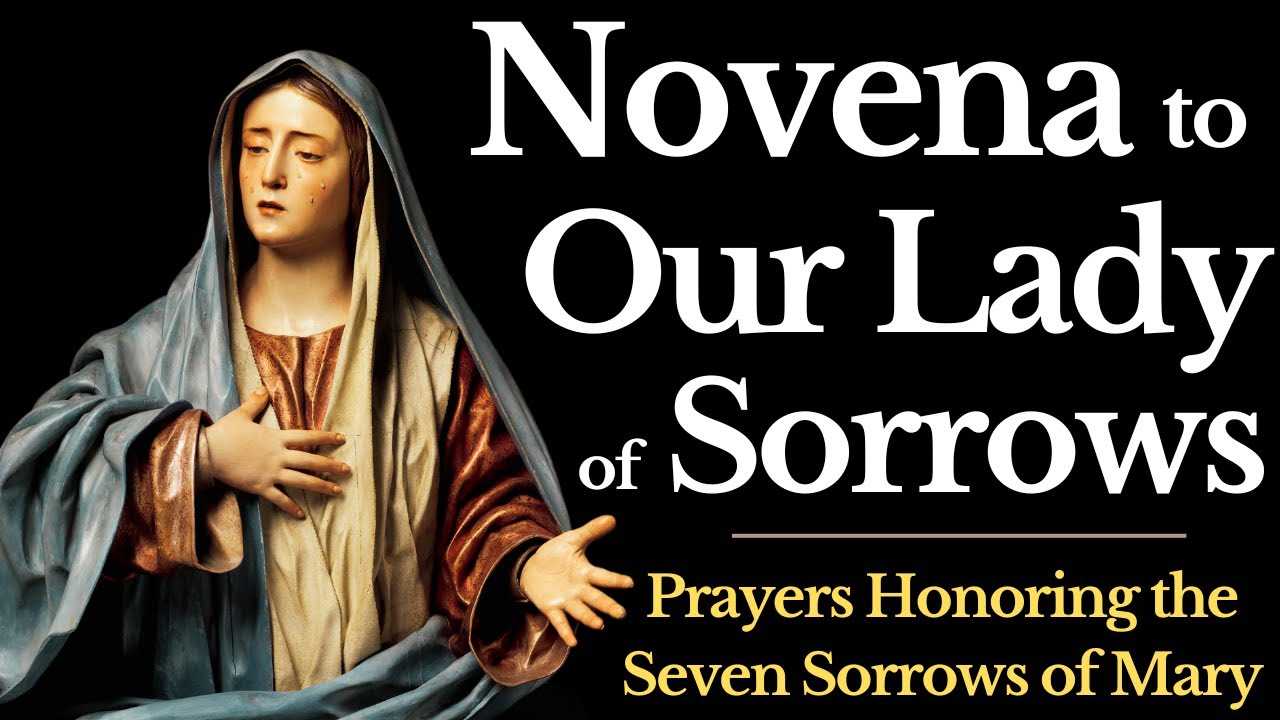
novena prayer to our lady of sorrows
The novena prayer to our lady of sorrows is a nine-day devotion that invites Christians to contemplate Mary’s profound suffering and steadfast faith at key moments in the life and Passion of Jesus. Rooted in centuries of tradition, this practice helps us draw near to Christ through the compassion of his mother, learning how to persevere in hope through trials, grief, and uncertainty.
At its heart, the novena prayer to our lady of sorrows is about companionship: allowing Mary, the Mother of God, to accompany us in our difficulties as we reflect on her Seven Sorrows (also called the Seven Dolours). Whether you are navigating bereavement, family worries, anxiety, or a desire to grow spiritually, this novena offers a gentle, structured way to pray with purpose.
This guide explains the background and meaning of the devotion, how to pray it step by step, and offers practical tips, sample intentions, and day-by-day themes. Along the way you will find links to reliable resources and answers to frequently asked questions so you can approach the novena prayer to our lady of sorrows with confidence.
What is the novena prayer to our lady of sorrows?
A novena is a series of prayers spread over nine consecutive days, traditionally seeking particular graces or preparing for a feast. The novena prayer to our lady of sorrows focuses on Mary’s participation in the mystery of the Cross. Through Scripture-based reflection and simple petitions, we enter into her sorrow, learn from her courage, and ask for her intercession.
The Seven Sorrows typically meditated upon are:
- Simeon’s prophecy in the Temple (Luke 2:34–35)
- The Flight into Egypt (Matthew 2:13–15)
- The Loss of the Child Jesus in the Temple (Luke 2:41–50)
- Mary meeting Jesus on the way to Calvary (traditional devotion)
- The Crucifixion and Death of Jesus (John 19:25–30)
- Mary receiving the dead body of Jesus (the Pietà)
- The Burial of Jesus (John 19:40–42)
While the devotion is especially associated with the Servite Order and the feast of Our Lady of Sorrows (15 September), the novena prayer to our lady of sorrows can be prayed at any time of year, individually or in a group, at home or in church.
Why this devotion matters today
Modern life brings its own crosses—loss, illness, strained relationships, and uncertainty. The novena prayer to our lady of sorrows offers a spiritually mature way to process pain without despair. Mary’s example shows that faith can coexist with grief, and that hope grows precisely when we remain close to Jesus in difficult times.
Beyond personal consolation, this devotion deepens our understanding of the Gospel. By contemplating Mary’s sorrows, we see the costliness of love and the height of Christ’s compassion. It also naturally prompts acts of mercy: prayer for the suffering, encouragement of the lonely, and practical support for those in need.
Origins and meaning: a brief overview
The title “Our Lady of Sorrows” gained prominence in medieval Europe, particularly in relation to the hymn “Stabat Mater” and the spirituality of the Servites. For a concise historical background, the Catholic Encyclopedia’s entry on the subject provides valuable context: historical overview of Our Lady of Sorrows. A general introduction to the devotion and its development can also be found on Wikipedia: Our Lady of Sorrows – history, iconography, and liturgy.
These sources highlight how the Church has long encouraged believers to unite their trials with Christ’s Passion through Mary’s eyes. When you embark on the novena prayer to our lady of sorrows, you join a living tradition of prayer that has sustained generations in every season of life.
How to pray the novena prayer to our lady of sorrows
There is no single mandatory format, but this simple structure works well for newcomers and seasoned pray-ers alike:
- Choose a start date. Many begin nine days before 15 September, but you can start whenever you need support or wish to prepare for a significant event.
- Set a time and place. A quiet corner, a favourite chair, or a chapel can become your prayer space. Consistency helps the novena become a peaceful rhythm.
- Open with a moment of stillness. Make the Sign of the Cross, take a few deep breaths, and call to mind God’s presence.
- State your intention. Be honest and specific: for healing, reconciliation, clarity, or strength. You may include intentions for family, friends, and the wider world.
- Read a short Scripture passage. Choose a few verses connected to the day’s sorrow or to hope and perseverance.
- Pray the daily prayer. You can use a traditional text or your own words.
- Close with gratitude. Thank God for his faithfulness; ask Our Lady of Sorrows to intercede for you and all who are suffering.
If you prefer a ready-made format, EWTN offers a practical guide to the Seven Sorrows devotion: guide to the Seven Sorrows devotion and prayers. You can adapt such resources into a nine-day plan, ensuring that the novena prayer to our lady of sorrows remains heartfelt and personal.
Day-by-day themes for your novena
Below is a suggested outline you can follow or customise. Each day names a theme, a short reflection prompt, and a simple prayer idea.
Day 1 – A mother’s prophecy
Theme: Simeon’s words foretell a “sword” piercing Mary’s soul. Reflection: How do I respond when the future feels uncertain? Prayer idea: Ask for trust in God’s plan at the outset of the novena prayer to our lady of sorrows.
Day 2 – Disruption and protection
Theme: Flight into Egypt. Reflection: In upheaval, God still guides. Prayer idea: Pray for refugees, displaced families, and those seeking safety.
Day 3 – Lost and found
Theme: The Loss of the Child Jesus. Reflection: What have I “lost” that I long to recover—peace, purpose, or faith? Prayer idea: Ask for renewed zeal and clarity.
Day 4 – Meeting Christ in suffering
Theme: Mary meets Jesus on the way to Calvary. Reflection: Where do I meet Christ in today’s crosses? Prayer idea: Offer a small act of love for someone struggling.
Day 5 – Standing by the Cross
Theme: The Crucifixion. Reflection: Love remains even when explanations fall short. Prayer idea: For the dying and their families; for courage to stay faithful.
Day 6 – Holding grief
Theme: The Pietà—receiving Jesus’ body. Reflection: How do I honour grief without being overwhelmed? Prayer idea: For all who mourn, and for those supporting them.
Day 7 – Laying to rest
Theme: The Burial of Jesus. Reflection: Entrusting what we cannot change to God’s mercy. Prayer idea: For acceptance and the grace to hope.
Day 8 – Quiet hope
Theme: Waiting in the silence of Holy Saturday. Reflection: When I feel “in between” endings and beginnings, what sustains me? Prayer idea: For steadfast patience.
Day 9 – New beginnings
Theme: Confidence in the Resurrection. Reflection: Where is God inviting me to begin again? Prayer idea: Thank God for graces received throughout the novena prayer to our lady of sorrows and consecrate your intentions to his will.
Suggested wording for daily prayer
You may pray spontaneously, but many find comfort in a familiar pattern. Here is a simple template you can adapt:
“Mother most sorrowful, you remained faithful when all seemed lost. I bring before you today [state your intention], trusting in your intercession. Teach me to stand with Christ in love, to hope in darkness, and to accept God’s will with courage. Our Lady of Sorrows, pray for me and for all who suffer. Amen.”
You can conclude with the Lord’s Prayer, a Hail Mary, or a decade of the Rosary. If you are drawn to the Servite tradition, the Rosary of the Seven Sorrows pairs beautifully with the novena prayer to our lady of sorrows, helping you meditate steadily on each sorrow.
Practical tips for a fruitful novena
- Keep it simple: Five to ten minutes a day can be enough if you are sincere and focused.
- Use a journal: Note your intention on Day 1, then record any insights or consolations along the way.
- Set reminders: A calendar alert or a visible prayer card can help you remain consistent.
- Include others: Invite a friend or family member to join you; praying as a small group can be encouraging.
- Combine with acts of mercy: During the novena prayer to our lady of sorrows, choose a small, concrete act of kindness each day.
- Stay flexible: If you miss a day, resume without self-criticism; God rejoices even in imperfect efforts.
Common mistakes and how to avoid them
- Overcomplicating the format: The heart of the novena is faith and intention, not elaborate wording. Focus on connection with God.
- Rushing: Give yourself enough time to reflect; a slower pace often brings deeper peace.
- Treating it like a transaction: The novena prayer to our lady of sorrows is not a guarantee of a particular outcome; it is a relationship of trust. Pray with confidence, but also surrender.
- Neglecting Scripture: Even a few verses can anchor your meditation and illuminate Mary’s journey.
- Forgetting gratitude: Each day, name one grace you noticed. Gratitude sharpens spiritual awareness.
When to pray this novena
Many people pray the novena prayer to our lady of sorrows in early September to finish on the 15th, but other opportune moments include:
- Before a difficult conversation or decision
- In times of bereavement or anniversary of a loss
- During Lent or Holy Week
- When supporting someone who is ill or struggling
If you belong to a parish, consider suggesting a group novena before the feast day. For those interested in broader Christian traditions and how Marian devotion is understood, our overview of the Eastern Orthodox Church offers useful background on the diversity within Christianity.
Linking devotions: Rosary, Liturgy, and the Christian year
Many believers pair the novena prayer to our lady of sorrows with the daily Rosary, or substitute the Rosary of the Seven Sorrows during the nine days. On 15 September (the Memorial of Our Lady of Sorrows), you might attend Mass if possible, offer your intentions, and conclude the novena with a prayer of thanksgiving. It can also be meaningful to pray the “Stabat Mater” or to spend a few minutes in Eucharistic Adoration, entrusting the fruits of the novena to God.
If devotion to angels is part of your prayer life, consider the complementary practice of invoking Saint Michael in trials. Our article on who is Michael the Archangel explores this powerful biblical figure and his role in Christian spirituality.
Discernment, consolation, and ongoing growth
At the end of the novena, take time to notice: Did a passage of Scripture stand out? Did a difficult emotion soften? Did you feel prompted to take a specific step? Write down a practical resolution—perhaps a weekly hour of quiet prayer, or a commitment to encourage someone who is grieving.
Even when answers are not immediate, the novena prayer to our lady of sorrows forms the heart: it shapes patience, compassion, and endurance. These are long-term graces, often recognised only in hindsight, that prepare us to meet future challenges with serenity.
Recommended external resources
- Comprehensive overview of Our Lady of Sorrows (history, symbolism, and liturgical context)
- Catholic Encyclopedia article on Our Lady of Sorrows (theological background and devotion)
- Practical guide to the Seven Sorrows devotion (prayers and how to pray them)
Frequently asked questions about the novena prayer to our lady of sorrows
Do I have to pray the novena on the nine days leading to 15 September?
No. While many people time the novena to finish on the feast of Our Lady of Sorrows, you can begin whenever you feel called. The key is nine consecutive days, prayed with attention and faith.
What if I miss a day—should I start over?
Not necessarily. If you miss a day, resume as soon as possible and add an extra day at the end if you wish. The spirit of the novena prayer to our lady of sorrows is trustful perseverance, not perfectionism.
Can I write my own novena prayer?
Yes. Many find a personal prayer more authentic. Keep it simple: praise, gratitude, a clear intention, and a request for Our Lady of Sorrows’ intercession. You can also borrow lines from Scripture or hymns like “Stabat Mater.”
Is it appropriate to pray for practical needs (work, finances, health)?
Yes. God cares about every aspect of our lives. Pray for practical needs alongside spiritual growth—ask also for wisdom, patience, and generosity in using any gifts received.
Can families or small groups pray this novena together?
Absolutely. Families often alternate readers and intentions. In groups, consider a shared intention and brief silence for personal prayer. The novena prayer to our lady of sorrows can be a unifying and consoling practice.
How long should each day’s prayer take?
Five to fifteen minutes is typical. Choose a length that you can sustain. It is better to keep a consistent, simple practice than to set a demanding schedule and give up.
Is there a difference between the Seven Sorrows Rosary and this novena?
They are related but distinct. The Seven Sorrows Rosary is a chaplet with specific beads and prayers; a novena is a nine-day sequence that may or may not include that chaplet. Many people combine them for a richer experience.
Conclusion on the novena prayer to our lady of sorrows
In every age, Mary stands close to those who suffer, pointing us towards Christ. The novena prayer to our lady of sorrows gives shape to that companionship, helping us to bring our intentions, worries, and hopes before God with honesty and trust. Through nine days of gentle reflection, we learn to see our lives in the light of the Cross and the promise of the Resurrection.
Whether you are new to this devotion or returning to it, approach the novena prayer to our lady of sorrows with a simple heart. Choose a time, open the Scriptures, speak your intention, and let grace do its quiet work. You may not receive every answer you expect, but you will almost certainly grow in courage, compassion, and peace.
If you find the practice helpful, share it with others: a friend who is grieving, a family member in need of hope, or a parish group seeking deeper prayer. In doing so, you will extend the consoling reach of the novena prayer to our lady of sorrows and, with Mary, continue to “stand by the Cross” in love.
