Our Lady of Sorrows prayer in Latin: complete and essential guide
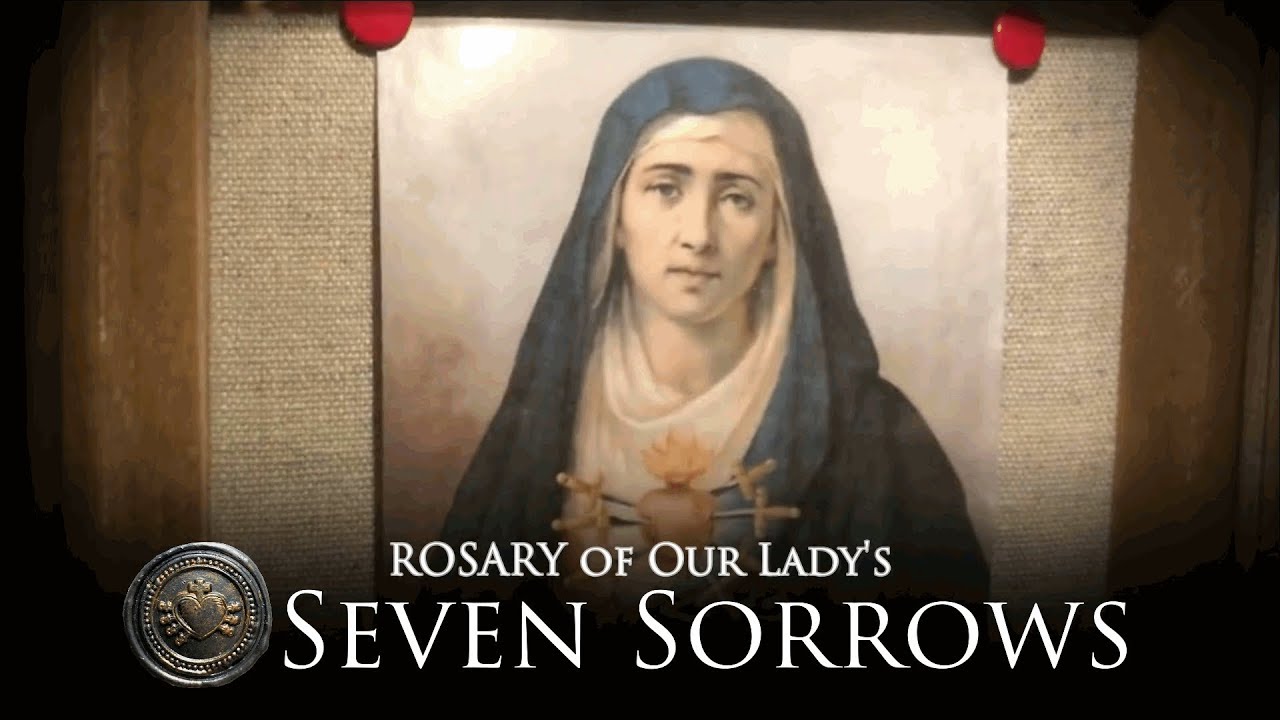
our lady of sorrows prayer in latin
The phrase our lady of sorrows prayer in latin refers to a family of Catholic devotions addressed to the Blessed Virgin Mary under the title “Our Lady of Sorrows” (Mater Dolorosa), focusing on her compassion and suffering united with the Passion of Christ. For many adults seeking a deeper, contemplative rhythm of prayer, praying in Latin brings a sense of continuity with centuries of Christian worship. Whether you are just beginning or returning after a long break, this guide explains what our lady of sorrows prayer in latin is, how it is used, and how you can pray it with understanding and confidence.
Below you will find a plain explanation of the devotion, brief Latin texts with accurate, readable translations, practical steps for daily use, pronunciation tips, common pitfalls to avoid, and trustworthy resources. By the end, you will be able to choose the form of our lady of sorrows prayer in latin that best fits your day and your spiritual aims, from a one-minute invocation to a longer, reflective hymn or chaplet.
What do we mean by our lady of sorrows prayer in latin?
In practice, our lady of sorrows prayer in latin can mean several related things:
- A short invocation such as “Mater Dolorosa, ora pro nobis” (Sorrowful Mother, pray for us).
- The longer medieval hymn Stabat Mater, traditionally sung or recited during Lent and on the memorial of Our Lady of Sorrows.
- The Seven Sorrows Chaplet, which uses familiar Latin prayers (especially the Ave Maria) while meditating on seven episodes of Mary’s sorrow.
- Other classical collects and traditional prayers that honour Mary as Queen of Martyrs.
All of these are ways of entering into Mary’s compassion for Christ and for the world. Because the Church has prayed these texts for centuries, our lady of sorrows prayer in latin places you in a living tradition: a shared language of faith across countries and generations. It is not a “magic formula”, but a way to contemplate Jesus’ Passion with Mary, to find comfort in grief, and to grow in hope.


Scriptural roots and historical background
The title “Our Lady of Sorrows” arises from Scripture and Christian reflection on Mary’s union with her Son’s suffering. Simeon’s prophecy speaks of a sword piercing Mary’s soul (Luke 2:35), and the Gospels show Mary at the foot of the Cross (John 19:25–27). From these moments grew the meditation on Seven Sorrows—events that highlight Mary’s compassion and steadfast faith. A useful historical overview of the devotion’s feast and imagery is provided in this encyclopaedic article: background on Our Lady of Sorrows and her feast (15 September).
The best-known Latin hymn associated with this devotion is the Stabat Mater, which likely dates from the 13th century. It is a powerful, poetic meditation on Mary standing by the Cross. For context and a scholarly introduction, see the Stabat Mater explained and translated. In parish life, our lady of sorrows prayer in latin often appears during Stations of the Cross, in Lenten devotions, at Requiem services, and on Marian feast days.
Core Latin texts for our lady of sorrows prayer in latin
You can pray our lady of sorrows prayer in latin in short or extended forms. The selections below balance accuracy with readability, followed by straightforward English translations so you understand what you are saying.
Brief invocations (easy to memorise)
Latin:
- Mater Dolorosa, ora pro nobis.
- Beata Maria Virgo Perdolens, intercede pro nobis.
- Regina Martyrum, ora pro nobis.
English:
- Sorrowful Mother, pray for us.
- Blessed Mary, Virgin full of sorrows, intercede for us.
- Queen of Martyrs, pray for us.
These simple lines let you integrate our lady of sorrows prayer in latin into everyday moments—while commuting, before a difficult conversation, or when remembering loved ones who have died.
Excerpt from the Stabat Mater (with translation)
The full hymn is long; below are the opening stanzas that many people learn first. For a complete text and musical settings, see the Stabat Mater explained and translated.
Latin:
Stabat Mater dolorosa,
iuxta Crucem lacrimosa,
dum pendebat Filius.
Cuius animam gementem,
contristatam et dolentem
pertransivit gladius.
O quam tristis et afflicta
fuit illa benedicta
Mater Unigeniti!
English (plain sense):
The sorrowful Mother stood,
weeping beside the Cross,
while her Son hung there.
A sword passed through her soul,
sighing, saddened and in pain.
O how sad and afflicted
was that blessed Mother
of the Only-Begotten!
As a gentle practice, read these lines slowly once or twice a week. Over a month, you will notice how our lady of sorrows prayer in latin trains your attention to remain with Christ in suffering, and with Mary who never left his side.
A traditional-style prayer to Our Lady of Sorrows (Latin and English)
Latin:
Domina Nostra Dolorosa, Regina Martyrum, quae sub Cruce Filii tui fideliter stetisti: suscipe preces nostras, et doce nos dolores vitae cum spe sustinere. Fac ut in Passionis meditatione corda nostra purificentur, et ad amorem Christi ardeant. Per eundem Christum Dominum nostrum. Amen.
English (plain sense):
Our Lady of Sorrows, Queen of Martyrs, who stood faithfully beneath the Cross of your Son: receive our prayers, and teach us to bear the pains of life with hope. May our hearts be purified in the meditation of the Passion and burn with love for Christ. Through the same Christ our Lord. Amen.
You can use this as a daily or weekly prayer, perhaps before bed or after a time of personal reflection. Many people integrate this with a candle-lighting ritual or a brief silence for intentions.
How to pray our lady of sorrows prayer in latin: a step-by-step approach
Start simply. It is easy to feel overwhelmed by new vocabulary or unfamiliar sounds. The steps below keep our lady of sorrows prayer in latin approachable for beginners while remaining meaningful.
- Choose a quiet time and space. Morning or evening is ideal, with your phone silenced.
- Begin with the Sign of the Cross in Latin: “In nomine Patris, et Filii, et Spiritus Sancti. Amen.”
- Say one short invocation (for example, “Mater Dolorosa, ora pro nobis”), then pause in silence for 20–30 seconds.
- If you wish, add the brief Latin prayer above, or recite a stanza of the Stabat Mater.
- Conclude with an Our Father or Hail Mary in Latin (texts below), offering your intentions for the suffering of the world.
- Finish with the Sign of the Cross again.
As your familiarity grows, you can extend our lady of sorrows prayer in latin by adding an extra stanza each week, or moving to the Seven Sorrows Chaplet on Fridays.
Praying the Seven Sorrows Chaplet (Latin-friendly outline)
The chaplet is a structured way to pray our lady of sorrows prayer in latin. It meditates on seven events traditionally called the Seven Sorrows:
- Prophetia Simeonis (The Prophecy of Simeon)
- Fuga in Aegyptum (The Flight into Egypt)
- Amissio Iesu in templo (The Loss of the Child Jesus in the Temple)
- Occursus in Via Crucis (Mary meets Jesus on the Way of the Cross)
- Crucifixio et mors Iesu (The Crucifixion and death of Jesus)
- Depositio de Cruce (Jesus is taken down from the Cross)
- Sepultura Christi (The Burial of Christ)
A simple way to adapt the chaplet for our lady of sorrows prayer in latin is to announce each sorrow in your native language, then say the Ave Maria (Hail Mary) in Latin seven times, with a short refrain such as “Mater Dolorosa, ora pro nobis.” A reliable, practical outline of the chaplet and its meditations can be found here: how to pray the Seven Sorrows Rosary (EWTN guide).
Text of the Hail Mary in Latin (for the chaplet)
Ave Maria, gratia plena, Dominus tecum; benedicta tu in mulieribus, et benedictus fructus ventris tui, Iesus. Sancta Maria, Mater Dei, ora pro nobis peccatoribus, nunc et in hora mortis nostrae. Amen.
Pronunciation tips for ecclesiastical Latin
Good pronunciation helps our lady of sorrows prayer in latin feel natural. You do not need perfection. Aim for clear, steady speech at a calm pace.
- Vowels: A (ah), E (eh), I (ee), O (aw), U (oo). “Ae” sounds like “eh” (as in “etna”).
- Consonants: C before e, i, ae, oe is “ch” (e.g., “Crucem” = “KROO-chem”). G before e or i is a soft “j” (e.g., “virginis” ≈ “VEER-jih-nees”).
- V is pronounced like English “v” (not “w” in ecclesiastical Latin).
- Accent usually falls on the second-to-last syllable, unless it is short; then on the third-to-last. For example: “Ma-ter Do-lo-ro-sa.”
- Breathe naturally; short pauses at commas help the meaning settle.
If you want audio models, many choral renditions of the Stabat Mater are available; while they are musical rather than spoken, they attune the ear to how our lady of sorrows prayer in latin sounds at a dignified pace.
Why pray in Latin? Benefits and spiritual fruits
People are often surprised at how grounding our lady of sorrows prayer in latin becomes after a few weeks. Common benefits include:
- Continuity with tradition: You share in a prayer language used by saints, monks, and ordinary believers for centuries.
- Focus and stillness: The unfamiliar cadence of Latin encourages slower, more mindful prayer.
- Depth of meaning: Familiar passages gain new colour when heard in another language, prompting fresh reflection.
- Shared worship: If you travel or visit a different parish, Latin texts remain recognisable and unifying.
Importantly, our lady of sorrows prayer in latin is always a path to Christ: Mary leads us to love him more, to trust him in sorrow, and to serve others with compassion.
Common mistakes to avoid when learning our lady of sorrows prayer in latin
- Thinking you must learn everything at once: Start with one invocation. Add more lines only when you are comfortable.
- Rushing the words: Slow, clear Latin is better than fast, muddled recitation. Meaning matters.
- Ignoring the translation: Keep a side-by-side English version so your heart follows the sense, not just the sound.
- Confusing different texts: The Stabat Mater is a hymn; the chaplet uses the Ave Maria; and brief invocations are stand-alone lines. All are forms of our lady of sorrows prayer in latin, but they are used differently.
- Treating prayer as a task: The goal is loving attention to Christ with Mary, not ticking a box.
Broader Christian context and helpful comparisons
While our lady of sorrows prayer in latin is strongly associated with Roman Catholic tradition, appreciation of Mary’s faith and sorrow exists across wider Christian communities. For background on riches and differences within Eastern Christianity, see this approachable overview of the Eastern Orthodox Church. Although devotional forms differ, reflecting on Mary’s steadfast discipleship is a point of shared respect.
Many believers also find it helpful to balance Marian devotion with other time-honoured prayers, such as those to the angels. If you are building a simple weekly rhythm alongside our lady of sorrows prayer in latin, you could add a short prayer on another day—for instance, a traditional invocation to the Archangel Michael. For context and a starter overview, read this short introduction to devotion to Saint Michael the Archangel.
Further texts and trustworthy resources
When you are ready to go deeper with our lady of sorrows prayer in latin, it helps to have clear references for the feast, the hymn, and the chaplet. For the feast and its readings, the diocesan resources gathered here are helpful:
