Our lady of sorrows rosary prayer: essential complete guide in 7 steps
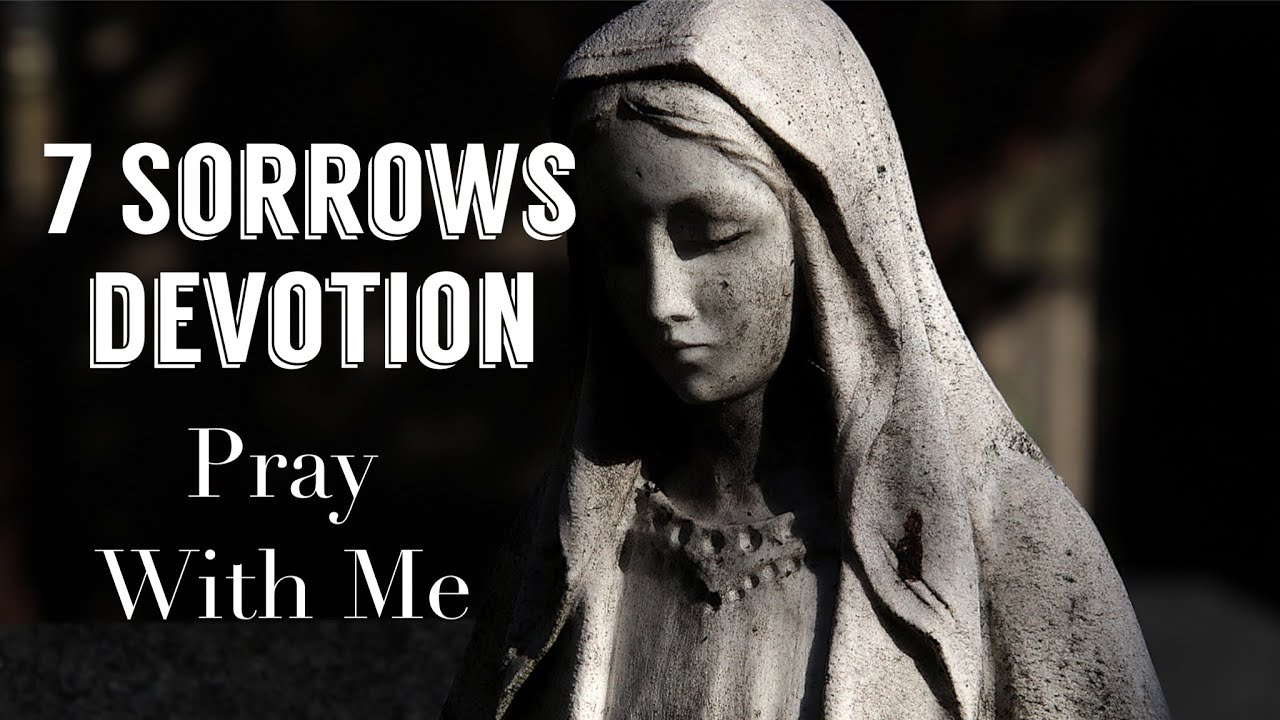
our lady of sorrows rosary prayer
The our lady of sorrows rosary prayer is a cherished Catholic devotion that helps believers accompany Mary, the Mother of Jesus, through the seven key moments of sorrow in her life. Sometimes called the Chaplet (or Rosary) of the Seven Sorrows, it invites us to meditate on biblical events from Simeon’s prophecy in the Temple to the burial of Christ. Whether you are grieving, seeking deeper compassion, or looking for a focused Lenten practice, the our lady of sorrows rosary prayer offers a gentle, structured way to pray with Scripture and grow in empathy and hope.
This guide explains what the our lady of sorrows rosary prayer is, where it comes from, how to pray it step by step, and how to avoid common mistakes. You will also find concise meditations for each sorrow, practical tips, and recommended resources for further reading.
What is the our lady of sorrows rosary prayer?
The our lady of sorrows rosary prayer is a meditative chaplet centred on seven moments of sorrow in Mary’s life, known as the Seven Sorrows or Seven Dolours. Unlike the standard five-decade Rosary, this devotion uses seven groups (often called “decades” even though each has seven bead prayers) to reflect on the following events:
- The Prophecy of Simeon (Luke 2:25–35)
- The Flight into Egypt (Matthew 2:13–15)
- The Loss of the Child Jesus in the Temple (Luke 2:41–50)
- Mary Meets Jesus on the Way to Calvary (traditional meditation)
- The Crucifixion and Death of Jesus (John 19:25–30)
- Jesus Is Taken Down from the Cross (Mark 15:42–46)
- The Burial of Jesus (John 19:40–42)
By praying the our lady of sorrows rosary prayer, you enter into Mary’s experience of suffering and learn to unite your own pain with the compassion of Christ. This devotion is also closely connected with the Feast of Our Lady of Sorrows on 15 September.


Origins behind the our lady of sorrows rosary prayer
The Seven Sorrows devotion matured in the medieval period and was especially promoted by the Servite Order (Order of the Servants of Mary) from the 13th century onwards. Over time, the Church encouraged veneration of Our Lady under her title “Mater Dolorosa” (Mother of Sorrows), culminating in liturgical commemorations and a rich tradition of art and prayer. For a concise historical overview of the sorrows themselves, see this accessible summary on the Seven Sorrows in the Catholic tradition: background on the Seven Sorrows of Mary. You can also explore how the memorial developed in Catholic practice via the classic Catholic Encyclopedia article on the Feast of the Seven Dolours.
While many people use a dedicated Seven Sorrows chaplet, you can also follow the structure using a standard rosary, substituting counts as needed. The form used today generally reflects centuries of popular piety refined into a simple, repeatable pattern focused on Scripture and contemplation.
How to pray the our lady of sorrows rosary prayer: step-by-step
You can pray the our lady of sorrows rosary prayer alone or with others. The following method is widely used; you may adjust small details to suit your prayer style, while keeping the essence of meditation on each sorrow.
- Begin with the Sign of the Cross.
- Introductory prayer (optional): You may offer an Act of Contrition or a brief prayer asking for the grace to accompany Mary with compassion.
- Announce the First Sorrow: “The Prophecy of Simeon.” Read or recall Luke 2:25–35. Then pray one Our Father and seven Hail Marys, reflecting on this sorrow.
- Repeat for each sorrow: Announce the sorrow, pray one Our Father and seven Hail Marys while meditating, then move to the next sorrow.
- Concluding prayers: Commonly, after the seven groups, pray three Hail Marys in honour of Mary’s tears or her virtues, followed by a closing prayer such as “Virgin Most Sorrowful, pray for us,” and end with the Sign of the Cross.
Many chaplets include a short aspiration after each Hail Mary, such as “O Mother of Sorrows, pray for us,” though this is optional. For an approved devotional outline, this EWTN guide gives a clear structure and wording: EWTN: Chaplet of the Seven Dolors of the Blessed Virgin Mary.
Short meditations for each sorrow
These brief reflections can help you focus as you pray the our lady of sorrows rosary prayer. Feel free to adapt them to your own experience and needs.
1) The Prophecy of Simeon (Luke 2:25–35)
Mary hears that a sword will pierce her soul. Ask for trust when facing unknown grief and for the grace to unite your fears to God’s plan.
2) The Flight into Egypt (Matthew 2:13–15)
Mary and Joseph protect the Child Jesus by fleeing at night. Pray for families uprooted by danger, and for courage to act promptly when love requires sacrifice.
3) The Loss of the Child Jesus in the Temple (Luke 2:41–50)
Mary searches anxiously for three days. Intercede for those who feel lost—physically, emotionally, or spiritually—and for patience while seeking Christ.
4) Mary Meets Jesus on the Way to Calvary (traditional)
Mary’s silent presence strengthens Jesus amid suffering. Ask for the gift of compassionate presence for people carrying heavy crosses today.
5) The Crucifixion and Death of Jesus (John 19:25–30)
Mary stands by the Cross as Jesus entrusts her to John. Pray for steadfast faith and for all who keep vigil with the dying and the bereaved.
6) Jesus Is Taken Down from the Cross (Mark 15:42–46)
Mary receives her Son’s lifeless body. Intercede for parents who have lost children and for healing of grief that words cannot express.
7) The Burial of Jesus (John 19:40–42)
Mary surrenders to the stillness of the tomb, trusting in God beyond all understanding. Pray for hope in dark times and confidence in the Resurrection.
Prayers used in the our lady of sorrows rosary prayer
You will normally use the Our Father and the Hail Mary during each sorrow, and may add the Glory Be. A common concluding invocation is: “Virgin Most Sorrowful, pray for us.” Some people also add, “May the tears of Our Lady of Sorrows bring us to the love of Christ.” The essential element is the mindful meditation on each sorrow as you recite the prayers.
Chaplet, beads and practical variations
A dedicated Seven Sorrows chaplet typically has a medal of Our Lady of Sorrows and seven groups of seven beads (with separators), plus a few introductory beads. If you do not have a chaplet, you can still pray the our lady of sorrows rosary prayer with an ordinary rosary by counting seven Hail Marys per sorrow and keeping your place mentally. What matters most is the intention and meditation, not the exact configuration of beads.
Why pray the our lady of sorrows rosary prayer?
- Compassion and empathy: By contemplating Mary’s maternal sorrows, you learn to stand with others in their suffering.
- Union with Christ: Mary’s grief flows from her participation in Christ’s Passion, drawing you closer to the mystery of the Cross.
- Healing of memory: Naming and praying through painful moments can bring peace and perspective.
- Scriptural focus: The sorrows are rooted in the Gospels; this grounds prayer in the Word of God.
- Liturgical connection: The memorial on 15 September and Fridays in Lent are particularly appropriate times, though you can pray this chaplet any day.
Pope Saint John Paul II often highlighted Mary’s role at the foot of the Cross; you may appreciate this short reflection from his Angelus on the memorial: John Paul II on Our Lady of Sorrows (Vatican).
Common mistakes to avoid with the our lady of sorrows rosary prayer
- Rushing the meditations: The heart of the our lady of sorrows rosary prayer is thoughtful contemplation. If pressed for time, choose one or two sorrows to meditate on more deeply rather than hurrying through all seven.
- Focusing only on numbers: Counting beads helps, but let the Scripture shape your prayer. A single slow Hail Mary said with attention can be worth more than seven said hurriedly.
- Forgetting the Gospel context: Glance at the biblical passages (cited above) before each sorrow. Even a brief reading can enrich your prayer.
- Neglecting intention: Offer each sorrow for a person or situation in need—this keeps the devotion outward-looking and compassionate.
Simple schedule suggestions
Many people pray the our lady of sorrows rosary prayer on Fridays, during Lent, or leading up to the 15 September memorial. Others use it in times of loss, illness, or anxiety. You might adopt a gentle pattern such as one sorrow each day, all seven on Fridays, or the full chaplet on Sundays with a family member or friend.
Linking this devotion with wider Christian practice
Catholics commonly honour saints and angels as friends and intercessors while keeping Christ at the centre. If you are curious about another popular devotion, this overview can help: who is Michael the Archangel. Appreciating the breadth of Christian traditions can also be fruitful; for context on Christianity’s rich liturgical families beyond Rome, see this overview of the Eastern Orthodox Church. While practices differ, compassion for human suffering and reverence for Scripture unite Christians across traditions.
Scripture passages to keep at hand
- Luke 2:25–35 (Simeon’s prophecy)
- Matthew 2:13–15 (Flight into Egypt)
- Luke 2:41–50 (Loss in the Temple)
- Luke 23:26; traditional devotion (Mary meets Jesus)
- John 19:25–30 (Crucifixion)
- Mark 15:42–46 (Descent from the Cross)
- John 19:40–42 (Burial)
If you would like a structured devotional text with the prayers and sorrow announcements, see EWTN’s guide here: clear instructions for the Chaplet of the Seven Dolors. For historical and theological background, the Catholic Encyclopedia entry on the Seven Dolours and the summary of the Seven Sorrows provide helpful context.
Recommended external resources
- EWTN: Chaplet of the Seven Dolors (text and structure)
- New Advent: Feast and history of the Seven Dolours
- Wikipedia: Overview of the Seven Sorrows of Mary
- Vatican: John Paul II’s Angelus on Our Lady of Sorrows
Related articles
Frequently asked questions about our lady of sorrows rosary prayer
Is the our lady of sorrows rosary prayer officially recognised by the Church?
Yes. This longstanding devotion has been encouraged in Catholic tradition, especially by the Servite Order. It harmonises with Scripture and the Church’s veneration of Mary as Mother of Sorrows, particularly on 15 September.
Do I need a special chaplet to pray it?
No. While a dedicated Seven Sorrows chaplet is helpful, you can pray the our lady of sorrows rosary prayer using an ordinary rosary by counting seven Hail Marys for each sorrow. The meditations are more important than the beads.
What is the difference between the Seven Sorrows and the usual Rosary?
The usual Rosary has five decades of ten Hail Marys each, focused on Joyful, Luminous, Sorrowful and Glorious Mysteries. The our lady of sorrows rosary prayer has seven groups, each with one Our Father and seven Hail Marys, focused specifically on Mary’s seven sorrows.
How long does it take?
Prayed at a measured pace with short meditations, the our lady of sorrows rosary prayer typically takes 15–25 minutes. If you prefer to linger over the Scripture passages, it may take a little longer.
Can non-Catholics pray this chaplet?
Yes. Anyone can meditate on Mary’s experience of suffering and draw closer to Christ through compassion and Scripture. The our lady of sorrows rosary prayer is a gentle, accessible form of contemplative prayer.
Are there promises attached to this devotion?
Popular tradition speaks of graces associated with devotion to Mary’s sorrows. Rather than focusing on specific promises, the Church emphasises the spiritual fruits that naturally arise: deeper compassion, trust, and union with Christ’s Passion.
What if I forget which sorrow comes next?
Keep a small card or note on your phone listing the sorrows. If you lose your place, simply continue with the next sorrow you remember; the our lady of sorrows rosary prayer is a tool for contemplation, not a test.
Conclusion on our lady of sorrows rosary prayer
The our lady of sorrows rosary prayer offers a simple, profound way to accompany Mary through the Gospel scenes of grief and hope. By pausing with each sorrow—Simeon’s prophecy, the Flight into Egypt, the Loss in the Temple, the Way of the Cross, the Crucifixion, the Descent, and the Burial—we draw closer to Christ and learn the art of compassionate presence.
Whether you use a dedicated chaplet or a standard rosary, the heart of the our lady of sorrows rosary prayer is unhurried meditation on Scripture joined to humble, repeated prayer. It is especially meaningful on Fridays, in Lent, or on 15 September, but can be prayed whenever you or someone you love needs courage, comfort or clarity.
As you continue, let the our lady of sorrows rosary prayer shape your daily life: become attentive to those who suffer, patient with your own trials, and confident in God’s faithfulness. Mary’s path through sorrow leads to the dawn of the Resurrection—and she walks that path at your side.
