Pray to Virgin Mary: Essential, Practical Guide in 7 Steps
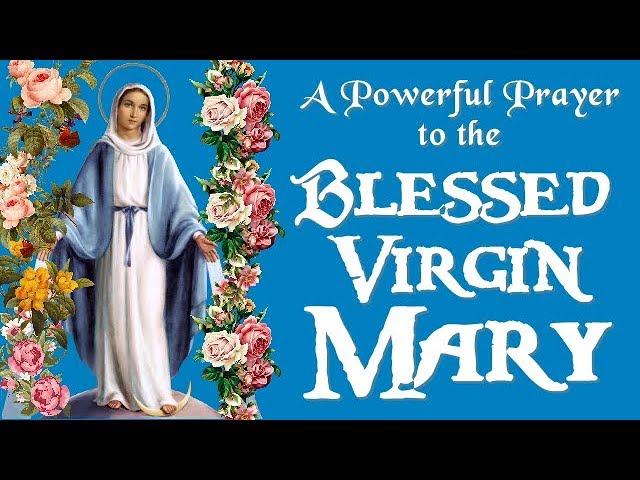
Pray to virgin mary: meaning, history, and how to begin
Many Christians around the world choose to pray to virgin mary as a way of deepening their relationship with God, seeking her intercession, and learning from her example of faith and humility. Whether you are just curious or you would like to begin to pray to virgin mary yourself, this guide offers clear explanations, gentle practical steps, and helpful resources so you can approach Marian prayer with confidence and understanding.
In what follows, we will look at what it means to pray to virgin mary, why this practice has been meaningful for centuries, the differences between traditions, and simple ways to get started. We will also address common questions and misconceptions, provide example prayers, and point you to reliable sources if you wish to explore further.
What Christians mean when they pray to virgin mary
For Catholics and many Orthodox and some Anglican Christians, to pray to virgin mary is to ask the mother of Jesus to pray for us and with us. It is not the same as worship. In Christian theology, worship is due to God alone. When people pray to virgin mary, they are honouring her unique role in salvation history and requesting her intercession—much as you might ask a trusted friend to keep you in their prayers.
This distinction—between worshipping God and honouring the saints—has been emphasised in Christian teaching for centuries. The idea is grounded in the belief that those who have gone before us in faith are alive in Christ and can intercede for us. Mary, as the mother of Jesus, is considered the foremost among the saints, a model disciple whose “yes” to God inspires believers today.


It is also worth noting that even those who do not personally pray to virgin mary can still respect the intention behind the practice: a focus on Jesus, a desire for holiness, and a wish to grow in trust, courage and love.
A brief history: how devotion to Mary developed
From the earliest centuries, Christians honoured Mary as the mother of the Lord. The Council of Ephesus (AD 431) declared Mary Theotokos, meaning “God-bearer” or “Mother of God,” to safeguard the truth that Jesus is truly divine and human. Over time, Christians developed rich ways to pray to virgin mary across different cultures.
In the West, the Rosary emerged as a beloved devotion, meditating on key moments in the life of Christ through the eyes of his mother. In the East, hymns such as the Akathist and Paraklesis celebrate Mary’s role and seek her protection. Art, music, and liturgical feasts also shaped the Christian imagination, highlighting virtues associated with Mary: humility, courage, obedience to God’s call, and compassionate care for others.
These developments were not about placing Mary above Jesus but about deepening the contemplation of Christ by remembering the person who first received him in faith, carried him in her body, and persevered at the foot of the Cross. For more on Mary’s place in Christian doctrine and history, see the accessible overview in Encyclopaedia Britannica’s article on Mary, mother of Jesus.
Why people pray to virgin mary today
Modern believers continue to pray to virgin mary for many reasons:
- To seek her intercession in times of difficulty, illness, grief or uncertainty.
- To learn to trust God as she did, especially when life feels confusing or overwhelming.
- To find comfort in her maternal care and companionship.
- To meditate more deeply on the life of Christ through devotions such as the Rosary.
- To connect with a living Christian tradition that spans centuries and cultures.
When people pray to virgin mary, they often describe a renewed focus on Jesus. Mary’s words at the wedding at Cana—“Do whatever he tells you”—remain a simple summary of Marian spirituality.
How to pray to virgin mary: a gentle, step-by-step guide
If you are beginning to pray to virgin mary, start simply. The most important thing is sincerity and attentiveness to God.
1) Find a quiet moment
Choose a place where you can pause. If you wish, place an image of Mary holding the Christ Child, light a candle, or sit in a comfortable chair. Silence helps you listen to God.
2) Set your intention
Tell God what is on your heart. Then, in your own words, ask Mary to pray for you. For example: “Holy Mary, mother of Jesus, please pray for me as I face this challenge. Help me to trust your Son.” When you pray to virgin mary, be as honest and specific as you would be with a dear friend.
3) Use a traditional prayer (optional)
Time-tested prayers can focus the mind. The Hail Mary is central for many Christians:
“Hail Mary, full of grace, the Lord is with thee; blessed art thou among women, and blessed is the fruit of thy womb, Jesus. Holy Mary, Mother of God, pray for us sinners, now and at the hour of our death. Amen.”
Another well-loved prayer is the Memorare: “Remember, O most gracious Virgin Mary, that never was it known that anyone who fled to thy protection…” You can find step-by-step help for the Rosary on the USCCB’s guide on how to pray the Rosary, which includes each prayer and the mysteries to reflect on.
4) Reflect on Scripture
Choose a short Gospel passage connected to Mary—the Annunciation (Luke 1:26–38), the Visitation (Luke 1:39–56), the Nativity (Luke 2:1–20), or Cana (John 2:1–11). Read slowly, notice a word or phrase, and speak to God about what it stirs in you. To pray to virgin mary in a scriptural way is to let the Word shape your heart.
5) Be still
After speaking, rest in silence. Ask Mary to help you listen. End by thanking God, perhaps with a brief final Hail Mary or a simple “Glory be to the Father…”
Traditional ways to pray to virgin mary
The Rosary
The Rosary combines vocal prayer and meditation. As you pray to virgin mary through the Rosary, you reflect on mysteries in the lives of Jesus and Mary: Joyful, Luminous, Sorrowful and Glorious. The rhythm of the prayers calms the mind and draws attention to Christ. A thoughtful introduction to the Rosary’s purpose and value is offered in Saint John Paul II’s apostolic letter, Rosarium Virginis Mariae.
The Angelus
The Angelus is a brief prayer marking morning, noon and evening, recalling the Annunciation and Mary’s “yes.” It only takes a few minutes and helps bring your day back to God.
Eastern Christian hymns
In Orthodox traditions, the Akathist Hymn and the Paraklesis honour Mary as Theotokos. These services are poetic, rich in theology, and often sung during Lent or times of need. To pray to virgin mary in this way is to enter a deep, communal contemplation of God’s saving work.
Core principles for balanced Marian devotion
Healthy Marian prayer is Christ-centred. Here are guiding principles to keep in mind as you pray to virgin mary:
- Christ at the centre: Mary always points to Jesus. Her role is to lead us to him.
- Scripture as foundation: Let the Bible shape your understanding of Mary and her mission.
- Intercession, not worship: We venerate Mary; we worship God alone.
- Charity and humility: Marian devotion should bear fruit in love for others.
- Unity with the Church: Learn from the wisdom of the wider Christian family and its traditions.
Examples of how to pray to virgin mary in daily life
- Before work: “Mary, mother of Jesus, pray for me to serve with kindness today.”
- During stress: Slowly pray three Hail Marys, asking for peace.
- For someone ill: “Our Lady, please pray for [Name] to receive strength and hope.”
- Evening reflection: Pray the Magnificat (Luke 1:46–55) and thank God for the day’s gifts.
- Family prayer: A decade of the Rosary after dinner, with intentions for your loved ones.
Common misconceptions about praying to Mary
“If I pray to virgin mary, am I worshipping her?”
No. In Christian teaching, worship belongs to God alone. To pray to virgin mary is to ask for her prayers and to honour her as the mother of Jesus. The distinction is essential: veneration (showing honour) is different from adoration (worship).
“Is it biblical?”
While the Bible does not record people saying “pray to virgin mary” in those exact words, it presents Mary as a model disciple, highly favoured by God (Luke 1), and praises the prayer of the righteous (James 5:16). The practice of asking saints to intercede developed in the early Church and remains part of many Christian traditions. For a broad overview of the history and practices, see Wikipedia’s article on Marian devotions.
“Will Marian prayer distract me from Jesus?”
Authentic Marian devotion leads to Jesus. If you find yourself focusing less on Christ, gently re-centre your prayer by reading a Gospel passage or repeating Mary’s words: “My soul magnifies the Lord.”
Mistakes to avoid when you pray to virgin mary
- Thinking quantity equals quality: Saying many prayers quickly can be less fruitful than one prayer said slowly with attention.
- Neglecting Scripture: Marian prayer is strongest when rooted in the Gospels.
- Forgetting gratitude: Always thank God for prayers answered, even quietly and gradually.
- Comparing devotions: Choose practices that sincerely help you love God and neighbour; do not worry about doing “everything.”
- Overcomplicating: To pray to virgin mary can be as simple as one heartfelt sentence.
When and where to pray to virgin mary
You can pray to virgin mary anywhere: at home, in a quiet church, on a walk, or during a commute. Many like to mark May (traditionally dedicated to Mary) and October (the month of the Rosary) with special devotions. Feasts such as the Annunciation (25 March), the Assumption (15 August), and the Immaculate Conception (8 December) are natural moments to renew your Marian prayer.
How different traditions approach Marian prayer
Catholic and Orthodox Christians have rich Marian theologies and devotions, while Anglicans hold a spectrum of views. Some Protestant communities emphasise honouring Mary through Scripture and imitation rather than intercessory prayer. Dialogue between traditions has helped clarify misunderstandings and highlight shared beliefs about Christ and the call to holiness. For context on the heritage and worship practices of the East, see this overview of the Eastern Orthodox Church.
Christians also learn from the witness of angels and saints who point towards God’s majesty. For example, reflecting on Saint Michael’s role as a protector can enrich our sense of spiritual companionship among God’s servants; you may enjoy this short introduction to Michael the Archangel.
Deepening your practice as you pray to virgin mary
Let Mary teach you to listen
Mary’s strength lies in her listening heart. As you pray to virgin mary, ask for a patient, receptive spirit. Try a brief daily examen: Where did I sense God today? Where did I struggle? How can I respond tomorrow?
Bring specific intentions
Pray for concrete needs: family members, work challenges, a strained friendship, courage to forgive, or wisdom in a decision. Trust that, as Mary intercedes, God will give you what you truly need.
Combine prayer with action
Let your prayer bear fruit. If you ask Mary to help you be generous, follow up with a small act of service. If you seek peace, try to speak gently in a tense conversation. To pray to virgin mary is to be inspired to live as she did: attentive, brave, and compassionate.
Learning the Rosary: a simple outline
Many who pray to virgin mary find the Rosary especially helpful. A basic pattern looks like this:
- Begin with the Sign of the Cross and the Apostles’ Creed.
- Pray one Our Father, three Hail Marys (for faith, hope and charity), and a Glory Be.
- Announce the first mystery, then pray one Our Father, ten Hail Marys, and a Glory Be. Consider adding the Fatima Prayer if you wish.
- Repeat for the five mysteries, then end with the Hail Holy Queen and concluding prayers.
You can learn the mysteries and their days of the week through the USCCB’s Rosary guide. Over time, as you pray to virgin mary using the Rosary, you will find your attention drawn ever more to the light of Christ’s life, death and resurrection.
Recommended external resources
- Mary, mother of Jesus (Encyclopaedia Britannica) for a reliable historical overview.
- Rosarium Virginis Mariae (Vatican) for a theological and pastoral introduction to the Rosary.
- Marian devotions (Wikipedia) for a general survey of practices across traditions.
Frequently asked questions about pray to virgin mary
Is it necessary to pray to virgin mary to be a good Christian?
No. Marian devotion is encouraged in some traditions but not required for salvation. It is a gift many find helpful. If it draws you closer to Christ and inspires charity, it can be a fruitful part of your spiritual life. If not, you can still honour Mary through Scripture and by imitating her virtues.
How often should I pray to virgin mary?
There is no fixed rule. Some pray the Rosary daily; others pray an occasional Hail Mary or the Angelus. Start small—perhaps one decade of the Rosary or a brief prayer in the evening—and see what helps you focus on God with peace and consistency.
What if I feel nothing when I pray to virgin mary?
Feelings come and go. Faith grows through steady, gentle practice. Keep your prayer simple, persevere, and let Scripture guide you. The fruits—patience, kindness, trust—often appear gradually in daily life rather than as sudden emotions.
Can I write my own prayer to Mary?
Yes. Speak from the heart. You might thank her for her example, ask her to pray for someone you love, or request courage to obey God’s will. Personal words can sit alongside traditional prayers like the Hail Mary.
How do I explain why I pray to virgin mary to friends who are unsure?
Emphasise that you worship God alone, and you ask Mary to pray for you—just as you would ask a friend to pray. Share how this practice helps you follow Jesus more closely, and be respectful of different convictions.
What if my background is Protestant—can I still explore this?
Yes, gently and freely. You might begin simply with the Magnificat (Luke 1:46–55), reflecting on Mary’s humility and strength. If you feel drawn, add a short request for her prayers. Always keep Christ at the centre.
Conclusion on pray to virgin mary
To pray to virgin mary is to step into a long, living tradition that helps countless believers turn more fully towards Jesus. Through her intercession, Scripture-rooted reflection, and quiet example of courage and humility, Mary continues to guide Christians in every age towards deeper faith, hope and love.
Whether you use the Rosary, the Angelus, or a single heartfelt sentence, approaching Marian prayer with simplicity will keep your focus where it belongs—on God’s presence and action in your life. As you pray to virgin mary, let her words be yours: “Let it be to me according to your word.”
Above all, be patient with yourself. If you choose to pray to virgin mary, let that choice open your heart to the compassion she shows and the Christ she magnifies. May your prayer, day by day, bear the quiet fruits of peace, trust and generous love.
