Prayer for family and health: 7 essential, practical prayers
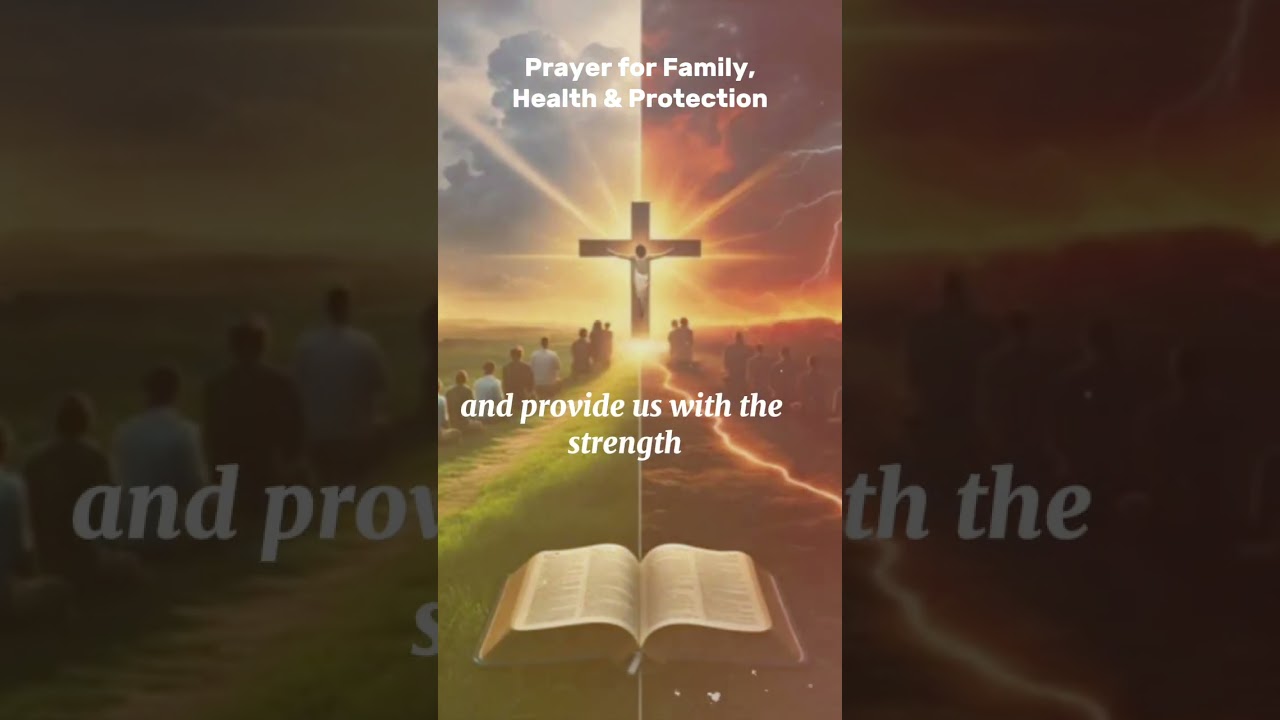
Prayer for family and health: a practical, compassionate guide
In times of uncertainty, many of us turn to prayer for family and health, seeking calm, courage and connection. Whether you come from a long tradition of faith or you are exploring spirituality for the first time, the desire to protect loved ones and nurture wellbeing is universal. A simple prayer for family and health can help you focus your thoughts, express gratitude, and find hope when life feels heavy.
This guide explains what prayer for family and health is, why it matters, and how to make it a meaningful part of everyday life. You will find practical steps, sample prayers, common mistakes to avoid, and thoughtful answers to frequently asked questions. The aim is not to prescribe a single “right” way to pray, but to offer a clear, friendly framework you can adapt to your own beliefs and circumstances.
Importantly, prayer belongs alongside good self-care and appropriate medical support. If you or a family member are unwell or distressed, professional advice remains essential. Many people discover that a balanced approach—where prayer supports family life and health routines—brings the greatest peace and resilience.
What is prayer for family and health?
At its simplest, prayer for family and health is intentional time set aside to speak from the heart about the wellbeing of those you love and your own physical, emotional and spiritual needs. It may include praise, gratitude, requests for help, and moments of silent reflection. For some, prayer is addressed to God; for others, it is a meditative practice that fosters compassion, clarity and courage.


Families often use prayer to mark transitions—mealtimes, bedtimes, the start of a school term, a medical appointment, a birth or a bereavement. Over time, these moments can shape shared values: tenderness, patience, forgiveness and mutual support. In that sense, prayer for family and health is both an inner practice and a communal habit that strengthens relationships.
Benefits of prayer for family and health
People pray for many reasons, and the benefits can be both spiritual and practical. Although experiences vary, those who regularly practise prayer for family and health often report:
- Reduced stress and a steadier mood, especially when prayer includes gratitude and slow, focused breathing.
- Stronger family bonds, because praying together encourages listening, empathy and shared hope.
- Greater clarity for decision-making, by creating space to reflect on priorities, boundaries and next steps.
- Encouragement to pair faith with action, prompting healthier routines and timely medical check-ups.
Used wisely, prayer is a companion to everyday wellbeing, not a replacement for treatment. Many find it easier to follow healthy advice when they frame those habits—sleep, movement, nutrition, rest—as part of a caring response to prayer.
Foundations of a meaningful practice
Before you craft words, consider the qualities that give prayer for family and health depth and traction:
- Clarity of intention: Be specific about whom you’re praying for and what kind of help you’re seeking.
- Compassion: Approach yourself and others with kindness, especially during illness or conflict.
- Gratitude: Thankfulness balances requests, reminding us of what is still good and possible.
- Honesty: Speak plainly about fears, doubts and limitations; authenticity strengthens trust.
- Humility: Remain open to outcomes you might not expect, and to wisdom from others.
- Consistency: Small, regular moments of prayer build steadier habits than occasional long sessions.
- Action: Let prayer inspire real steps—booking the GP, checking in on a relative, cooking a nourishing meal.
How to write your own prayer for family and health
Think of your prayer as a gentle conversation. The following steps offer a simple structure. Adapt or shorten as needed:
- Pause and breathe: Settle your body and mind. A minute of slow breathing helps you focus.
- Open with gratitude: Name a few specific blessings—people, moments, or small improvements.
- Name your loved ones: Mention individuals (or the whole family) with care and respect.
- State your requests: Be clear and realistic—comfort, courage for treatment, patience in recovery, wisdom for carers.
- Include yourself: Your wellbeing matters. Ask for strength, rest and clarity.
- Commit to an action: One practical step you will take today to support health or harmony.
- Close with trust: End with words that express hope, even if you do not feel it fully yet.
A simple template you can personalise:
“Loving God, thank you for the gift of this day and the people who share it with me. I bring before you [names/family], asking for protection, healing and peace. Give us wisdom for decisions, patience with one another, and courage for the steps ahead. Help me to [practical step]. Hold us together in hope. Amen.”
Sample prayers
A short daily prayer for family and health
“God of kindness, guard our home today. Keep us safe in body, steady in mind and gentle in speech. Bless our work, our rest and our care for one another. May this prayer for family and health guide our choices and our words. Amen.”
A prayer for family and health during illness
“Compassionate Healer, see our worry and our weariness. Bring relief to pain, calm to fear and wisdom to clinicians. Strengthen us as we wait, and help us to take each step faithfully—medication, therapy, rest and support. Surround our family with the quiet assurance that we are not alone. Amen.”
A prayer for family and health for carers
“Lord of mercy, bless those who care—parents, partners, relatives, friends and neighbours. Give them patience when days are long, strength when sleep is thin, and a circle of help when they cannot carry more. Remind them to rest and receive as well as to give. Amen.”
A parent’s blessing for children
“Creator of all, watch over our children—at school, at home and at play. Protect their bodies, nurture their minds and guard their hearts. Teach them kindness, courage and wonder. Help us to guide them with wisdom and tenderness. Amen.”
For reconciliation and emotional healing
“God of peace, where words have wounded, sow gentleness. Where distance has grown, build a bridge. Give us the courage to apologise, the humility to forgive and the patience to rebuild trust. Heal what is broken in our family. Amen.”
Thanksgiving after recovery
“Faithful God, thank you for signs of healing—the energy returning, the appetite renewed, the laughter we missed. Bless the hands that helped us: doctors, nurses, counsellors, friends. Keep us watchful and grateful, and teach us to care for others as we were cared for. Amen.”
Practical ways to share prayer for family and health at home
Prayer grows when folded into ordinary routines. Here are simple, low-pressure ideas that help prayer for family and health become part of daily life:
- Mealtime moments: One sentence of thanks before eating, naming something specific from the day.
- Bedtime blessings: A short blessing or a gentle sign of care, especially for children or relatives who need reassurance.
- Doorway pause: Before leaving the house, a few seconds to breathe and ask for safety and kindness in the day’s interactions.
- Walk-and-pray: Combine gentle movement with prayer outdoors; notice nature as a prompt for gratitude.
- Calendar cues: Set a weekly reminder for a slightly longer time of reflection, perhaps on a quiet evening.
- Keep it honest: Allow silence, sadness or doubt. Real feeling builds real connection.
If you enjoy mindful prompts for specific days, you might appreciate ideas like spiritual inspiration and Thursday blessings to bring a gentle rhythm to the week.
Praying with Scripture and tradition
Many find comfort in longstanding prayers and sacred texts. The Psalms, for instance, give words for fear, gratitude and hope. If you prefer printed or online resources, the Church of England’s topical prayers include themes such as illness, peace in the home and care for others. Learning how different communities pray can also widen your perspective and deepen respect for diverse practices. If you are curious about ancient Christian customs and how they shape family life, see our overview of Eastern Orthodox Church traditions.
Whether you draw on a traditional liturgy or speak spontaneously, the heart of prayer for family and health is the same: a steady, sincere request for safeguarding, healing and grace in everyday life.
When prayer feels hard
There will be days when words falter and prayer seems thin. Grief, exhaustion or uncertainty can make concentration difficult. You might worry that your prayer for family and health is not “strong enough”, especially if recovery is slow. Be gentle with yourself. Short prayers, silence, or even letting others pray on your behalf are all valid ways to keep going.
Alongside prayer, it helps to lean on sound wellbeing advice—sleep, nutrition, movement and social support. For practical guidance, consider the NHS guidance on self-help for mental health and Mind’s tips on self‑care. These resources sit comfortably alongside a faith practice and can make it easier to sustain hope and healthy routines.
Recommended external resources
- Topical prayers from the Church of England for illness, family life and daily concerns.
- NHS self‑help resources to complement prayer with practical wellbeing steps.
- World Health Organization: Health promotion for evidence‑based approaches to healthy living.
Frequently asked questions about prayer for family and health
How long should I spend on prayer each day?
There is no fixed rule. Many people find two or three minutes, several times a day, more realistic than one long session. Short, consistent moments—before meals, at bedtime or during a walk—can make prayer for family and health a natural habit rather than a chore.
What if my family members have different beliefs?
Focus on shared values—care, gratitude, respect and hope. Keep language inclusive, avoid pressuring anyone, and invite participation rather than expecting it. You can pray privately while also honouring others’ choices. A gentle, respectful approach allows prayer for family and health to coexist with diversity at home.
Can prayer replace medical treatment?
No. Prayer and medicine are partners, not rivals. If you or a loved one is unwell, seek professional advice and follow recommended treatment. Many families find that praying for guidance, courage and peace helps them follow through with appointments, medication and therapy.
How can I help children engage with prayer?
Keep it short and concrete. Use simple words, name real people and specific worries, and include gratitude. A regular bedtime blessing and a chance to share one “good thing” from the day make prayer approachable and meaningful.
What should I do when my prayers seem unanswered?
It is natural to feel disheartened. Try to notice small improvements and moments of support that might be easy to miss. Speak honestly about disappointment, and consider asking others to pray for you when it’s difficult to find your own words. Continuing practical care and connection remains vital while you wait.
Conclusion on prayer for family and health
At its heart, prayer for family and health is a steady practice of care: pausing to notice, giving thanks, naming needs and choosing the next kind step. It strengthens relationships, supports wellbeing and helps us face uncertainty with a calmer spirit. Whether spoken in a whisper at bedtime or shared around the table, it is a simple way to keep love and hope at the centre of home life.
You do not need perfect words to begin. Start small, stay honest and keep it consistent. Let your prayer for family and health sit alongside sound medical advice, healthy routines and the practical help of friends and professionals. Over time, these threads—faith, wisdom and action—can weave a durable fabric of resilience for you and your loved ones.
As you explore and adapt the ideas here, may your home become a place of peace where bodies mend, minds find rest and hearts grow kinder. And may every prayer for family and health, however brief, draw you towards the compassion and courage needed for the days ahead.
