Prayer for family rosary: essential, practical guide in 7 steps
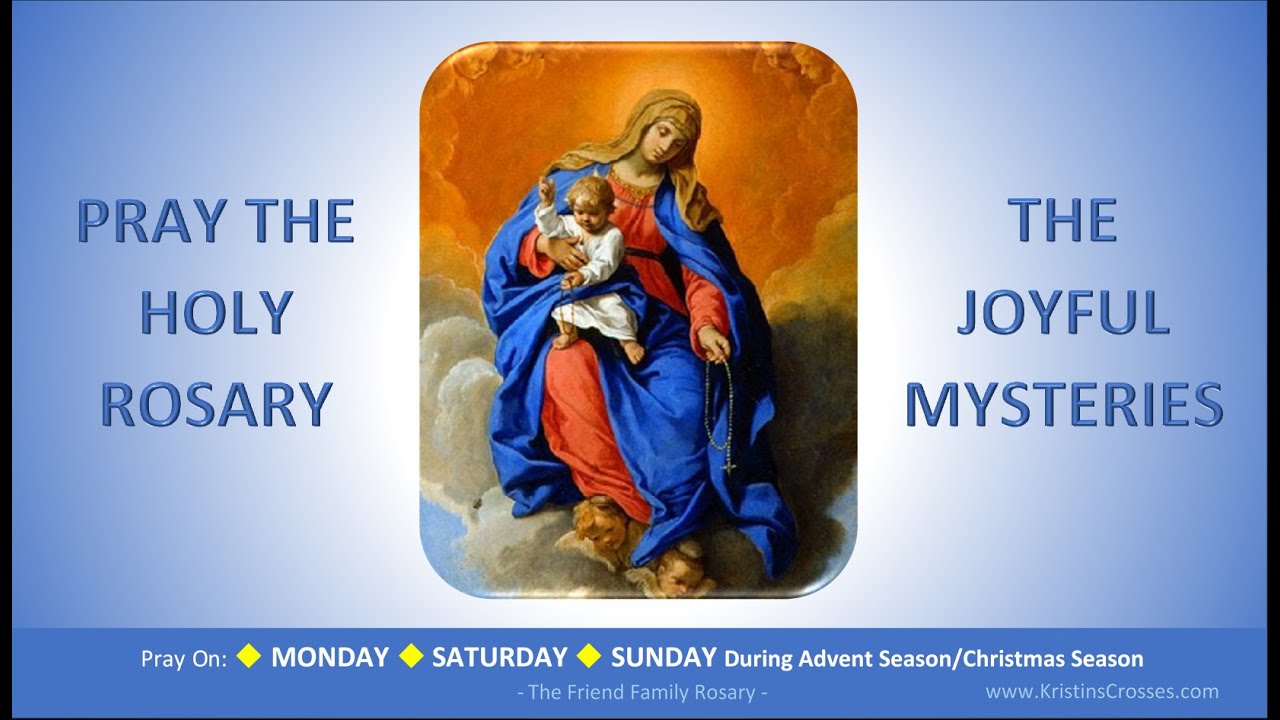
prayer for family rosary
If you are looking for a gentle, reliable way to deepen your household’s faith life, a prayer for family rosary is one of the simplest and most time-tested practices. Rooted in Scripture and Christian tradition, the rosary invites parents, children, grandparents, and even visiting friends to meditate on the life of Jesus with Mary. Whether you are starting from scratch or restarting after a long pause, this guide will help you understand what it is, why it matters, and how to make it part of your week.
At heart, a prayer for family rosary is not about getting every word perfect; it is about showing up together, settling the home, and letting God’s peace shape your relationships. With a few practical tips, even busy families and those with small children can find a rhythm that works.
What prayer for family rosary means today
In today’s fast-paced world, many families crave a moment of calm and meaning at the end of the day. A prayer for family rosary provides exactly this: a structured, peaceful devotion that blends vocal prayer with quiet reflection. Traditionally associated with Catholic households, the rosary is a contemplative pathway through the main events of Jesus’ life—called the Mysteries—prayed with simple, repeated prayers. Its beauty for families is that everyone can participate: little ones can lead a “Hail Mary,” older children can read a brief Scripture verse, and adults can offer intentions and short reflections.
Although traditions can vary by culture, this devotion has a reassuringly familiar pattern: introductory prayers (such as the Apostles’ Creed and the Our Father), five decades (each decade includes one Our Father, ten Hail Marys, and a Glory Be, focused on one Mystery), and closing prayers. Many conclude with a brief “Hail, Holy Queen” and, in some homes, the Prayer to St Michael.


Benefits of praying the family rosary together
Families who adopt a regular practice of the rosary often notice increased patience, better communication, and a more hopeful outlook. Here are the most common benefits of keeping a prayer for family rosary on the calendar:
- Shared calm: The gentle rhythm of repeated prayers helps settle the room, especially helpful for children before bedtime.
- Deeper Scripture sense: Each Mystery is rooted in the Bible, so your family gradually absorbs the story of Jesus’ life.
- Unites generations: Grandparents, parents, and children can all join at their own level, building a shared faith language.
- Builds a habit of intercession: Everyone learns to bring daily needs, joys, and worries to God.
- Strengthens identity: Over time, a regular prayer for family rosary becomes a tradition children remember as part of home.
Basic structure and key elements
The Mysteries
The rosary’s meditations are grouped into four sets of Mysteries. Many families assign one set to each day they pray to keep things simple:
- Joyful Mysteries: Focus on Christ’s early life (e.g., Annunciation, Nativity).
- Luminous Mysteries: Scenes from Jesus’ public ministry (e.g., Baptism in the Jordan, Institution of the Eucharist).
- Sorrowful Mysteries: The Passion (e.g., Agony in the Garden, Crucifixion).
- Glorious Mysteries: The Resurrection and glory to come (e.g., Resurrection, Pentecost).
Saint John Paul II’s apostolic letter “Rosarium Virginis Mariae” offers a profound overview of these meditations and why they enrich personal and family prayer. See the official text: Apostolic Letter Rosarium Virginis Mariae.
The prayers
A standard family rosary includes: the Sign of the Cross, Apostles’ Creed, Our Father, Hail Mary, and Glory Be. Many also add the Fatima Prayer (“O my Jesus…”) after each decade. To keep it accessible, you can provide a printed card or a small booklet for new participants. For a clear step-by-step guide, see the USCCB’s guide to praying the rosary.
Timeframe
Praying five decades takes around 15–25 minutes, depending on pace. For families with young children, beginning with one decade (5–7 minutes) and building up can make the prayer for family rosary more sustainable.
How to lead a prayer for family rosary at home
Leading your first prayer for family rosary can feel daunting, but a little preparation goes a long way. Think of yourself as a host setting the table for conversation with God: you make space, invite everyone to contribute, and guide gently.
Before you begin
- Choose a calm time: After dinner or near bedtime often works best.
- Pick a place: A sofa, family table, or a small prayer corner with a candle can set the tone.
- Gather simple aids: Beads for each person if possible, a list of intentions, and a short printout of the Mysteries.
- Assign roles: Leader, intention reader, Scripture reader, and decade leaders (even small children can lead a “Hail Mary”).
A simple flow you can follow
- Begin with the Sign of the Cross.
- State your intention for this prayer for family rosary: for peace in the home, a sick friend, gratitude for blessings, and so on.
- Pray the Apostles’ Creed together.
- Pray one Our Father, three Hail Marys (for faith, hope, and charity), and one Glory Be.
- Announce the first Mystery and, if you wish, read a single verse of Scripture to set the scene.
- Pray the decade: one Our Father, ten Hail Marys, one Glory Be (and the Fatima Prayer if you use it).
- Repeat for all five Mysteries, giving different family members a turn at leading.
- Conclude with the Hail, Holy Queen and your customary closing prayers.
- Optionally add the Prayer to St Michael, which many families recite after the rosary. For background on this devotion, see a brief guide to St Michael the Archangel.
- End with a short blessing or a moment of quiet.
When you first begin, do not worry about doing the full five decades every time. One or two decades still “count,” and it is better to form a habit you can sustain than to burn out early. Over time, your prayer for family rosary can become a treasured daily or weekly anchor.
Making prayer for family rosary engaging for children and teens
Families often ask how to keep younger participants interested. The key is to prioritise participation and variety over perfection. Consider these ideas to make your prayer for family rosary inviting for all ages:
- Let children lead a bead: Even a very young child can say “Hail Mary” clearly and proudly.
- Use one-sentence meditations: Before each decade, read a short line such as, “Jesus, help us to be generous like at the Wedding at Cana.”
- Add sacred music occasionally: A brief hymn or refrain before you start can signal “prayer time.”
- Visual aids: Keep a small image or icon for the Mystery of the day to hold attention.
- Intentions jar: Each person writes a name or situation; you draw a few to pray for each time.
- Time-box wisely: If attention spans are short, agree you’ll do one or two decades and finish cheerfully.
Older children and teenagers respond well to responsibility. Invite them to prepare a one-minute introduction to a Mystery, to choose a related Scripture verse, or to lead the closing prayer. Gradually, this makes the prayer for family rosary feel like “our thing” rather than “Mum and Dad’s idea.”
Troubleshooting and common mistakes with prayer for family rosary
Most families encounter a few bumps at first. Here are common issues and gentle solutions to keep your prayer for family rosary peaceful and consistent.
“We start well, then drift away.”
Set a minimum: even one decade together counts. Consistency beats intensity. If you miss a day, simply begin again without guilt.
“The children fidget.”
Give roles and rotate them. A small task—holding a candle (safely), choosing intentions, leading the Glory Be—can focus attention. For very young children, a comfy cushion and a soft toy beside them can help.
“It feels rushed or mechanical.”
Slow the first Hail Mary of each decade. Add a one-line intention, such as, “For peace in our family today.” A thoughtful pace makes the prayer for family rosary more meaningful than racing to finish.
“We’re unsure which prayers to include.”
Keep it simple: the basic rosary prayers are enough. Add extras like the Fatima Prayer and the Prayer to St Michael as your family becomes familiar.
“We’re not sure how this fits with wider Christian traditions.”
While the rosary is closely associated with Catholic spirituality, many Christians value structured, meditative prayer. For comparison with other ancient traditions—such as Jesus Prayer practices—see this overview of the Eastern Orthodox Church.
Weekly and seasonal plans for prayer for family rosary
Linking your prayer for family rosary to a weekly or seasonal rhythm can make it easier to remember and richer to pray.
A simple weekly pattern
- Monday: Joyful Mysteries
- Thursday: Luminous Mysteries
- Tuesday and Friday: Sorrowful Mysteries
- Wednesday, Saturday, Sunday: Glorious Mysteries
Choose two or three evenings that fit your schedule and start there. If you want to keep things short, select one or two decades that best match the day’s events and pray those together.
Seasons of the Church year
- Advent and Christmas: Emphasise the Joyful Mysteries to contemplate Christ’s coming.
- Lent: Focus on the Sorrowful Mysteries to accompany Jesus’ Passion.
- Eastertide: Celebrate the Glorious Mysteries to rejoice in the Resurrection.
- Ordinary Time: Keep the full weekly cycle or highlight the Luminous Mysteries to linger on Jesus’ ministry.
Special family intentions
Birthdays, exams, new jobs, illness, travel—bring it all into your prayer. Encourage each member to voice an intention. Over time, your prayer for family rosary becomes a living diary of your household’s hopes and challenges.
Short, family-friendly meditations you can use
If you would like to add a sentence before each decade, here are examples. Keep them brief and concrete:
- Annunciation (Joyful): “Jesus, give us ready hearts to say yes to God, like Mary.”
- Visitation (Joyful): “Teach us to notice who needs help and to bring joy.”
- Nativity (Joyful): “May our home be a place where you are welcome.”
- Baptism in the Jordan (Luminous): “Renew the grace of our baptism and help us live as your children.”
- Transfiguration (Luminous): “Open our eyes to your glory in everyday life.”
- Agony in the Garden (Sorrowful): “Be near us when we are afraid, and help us trust you.”
- Carrying of the Cross (Sorrowful): “Give us strength to carry our daily crosses with love.”
- Resurrection (Glorious): “Fill us with hope that your life is stronger than death.”
- Pentecost (Glorious): “Send your Holy Spirit to guide our words and choices.”
Etiquette and flexibility for guests
When visitors are present, keep the prayer warm and welcoming. Briefly explain the pattern, offer a printed card, and invite them to join only if they wish. If guests are unfamiliar with Marian devotion, choose one or two decades and focus on the biblical scene. This approach keeps your prayer for family rosary hospitable and focused on Christ.
Choosing rosaries and resources
Rosaries can be as simple or as ornate as you like. Children often enjoy brightly coloured beads; adults might prefer wood or metal. What matters is usability and comfort in the hand. Over time, a household basket of spare rosaries near your prayer corner helps the practice feel natural. To deepen your understanding of the devotion, you might appreciate a detailed history and overview here: Rosary – background and structure. And for an approachable devotional companion, see EWTN’s Holy Rosary resources.
Involving the wider parish and special intentions
Some families link their home practice to a parish rosary group or a monthly intention (for example, peace in the community, families in difficulty, or the sick). You can dedicate your prayer for family rosary to that intention and let children write names or draw symbols to add to a small intentions basket.
Recommended external resources
- How to Pray the Rosary (USCCB official guide) – step-by-step prayers and Mysteries.
- Rosarium Virginis Mariae (St John Paul II) – theological depth and the Luminous Mysteries.
- EWTN: The Holy Rosary – printable guides and meditations.
- Rosary – encyclopaedic background – history, structure, and variations.
Frequently asked questions about prayer for family rosary
How long should a family rosary take?
Five decades typically take 15–25 minutes at a calm pace. If you are just starting, begin with one or two decades and increase as attention allows. A short, peaceful prayer for family rosary is better than a long, stressful one.
Do we need physical rosary beads?
Beads are helpful for keeping rhythm, especially for children, but they are not strictly necessary. You can count on your fingers or use a simple counter app if you prefer. Over time, most families find that holding a rosary supports focus.
Can non-Catholic family members join in?
Yes. The rosary’s core prayers (like the Our Father) and scriptural Mysteries are Christian at heart. If Marian devotion is unfamiliar, keep explanations simple, focus on Jesus’ life, and invite participation without pressure. The goal of a prayer for family rosary is peace, not debate.
Is it acceptable to break the rosary into parts throughout the day?
Certainly. You might pray a decade in the morning school run, another after dinner, and a final one before bed. Families often stitch together a complete prayer for family rosary across the day when schedules are tight.
Should we always use the same Mysteries on the same days?
The traditional weekly pattern is helpful, but not mandatory. Choose Mysteries that best match your family’s season or needs. Many find that tailoring the prayer for family rosary keeps it engaging and relevant.
What if young children disrupt the prayer?
Expect some movement and noise; it is all right. Keep a gentle pace, assign small roles, and praise participation. If a child needs a short break, pause briefly, then continue. The long-term fruit of a patient prayer for family rosary outweighs early wobbles.
Conclusion on prayer for family rosary
A prayer for family rosary is a humble but powerful habit: it stills the room, draws hearts together, and keeps Christ’s life at the centre of the home. By giving each person a simple role and keeping the structure clear, you create a space where faith can grow naturally across generations.
Start small, be consistent, and allow the practice to fit your real life. One decade on a busy night and five on a quiet Sunday both “count.” Over weeks and months, a regular prayer for family rosary will shape your household culture, teaching everyone to entrust joys and worries to God.
Above all, remember that prayer is a relationship. Your family rosary is not a performance but a conversation with the Lord, guided by Mary, and anchored in Scripture. If you keep showing up, the grace will too—quietly, steadily, transforming home into a place of hope.
