Prayer for family safety: 5 essential, practical prayers

Prayer for family safety: a practical guide to protection, peace and togetherness
For many households, a prayer for family safety is both a habit and a heartfelt plea: a way to ask God for protection, peace and wisdom in uncertain times. Whether your family is small or sprawling, nearby or spread around the world, praying for their wellbeing can become a steady anchor in daily life. This article offers a clear, friendly guide to understanding, composing and practising a prayer for family safety, with examples, helpful tips and answers to common questions.
Rather than a magical formula, such prayer is an expression of faith and responsibility. It reminds us to be attentive to one another’s needs, to make sensible decisions, and to cultivate a home atmosphere of trust and care. Used well, a prayer for family safety supports both spiritual growth and practical family safety, encouraging calm, resilience and mutual support.
Below you will find core principles, simple patterns that fit busy schedules, Bible passages many people draw on, sample texts you can adapt, and advice for specific situations such as travel, illness or online risks. You will also discover how different Christian traditions approach protection prayers, and where to find further resources should you wish to explore more deeply.
What do we mean by prayer for family safety?
At its simplest, a prayer for family safety is a spoken or silent conversation with God that asks for protection from harm, guidance in decisions, and peace in the midst of uncertainty. It can be said alone or together, in church, at the kitchen table, or while commuting. Some people use traditional texts; others extemporise in their own words. The heart of the practice is a regular, sincere turning to God on behalf of those we love most.
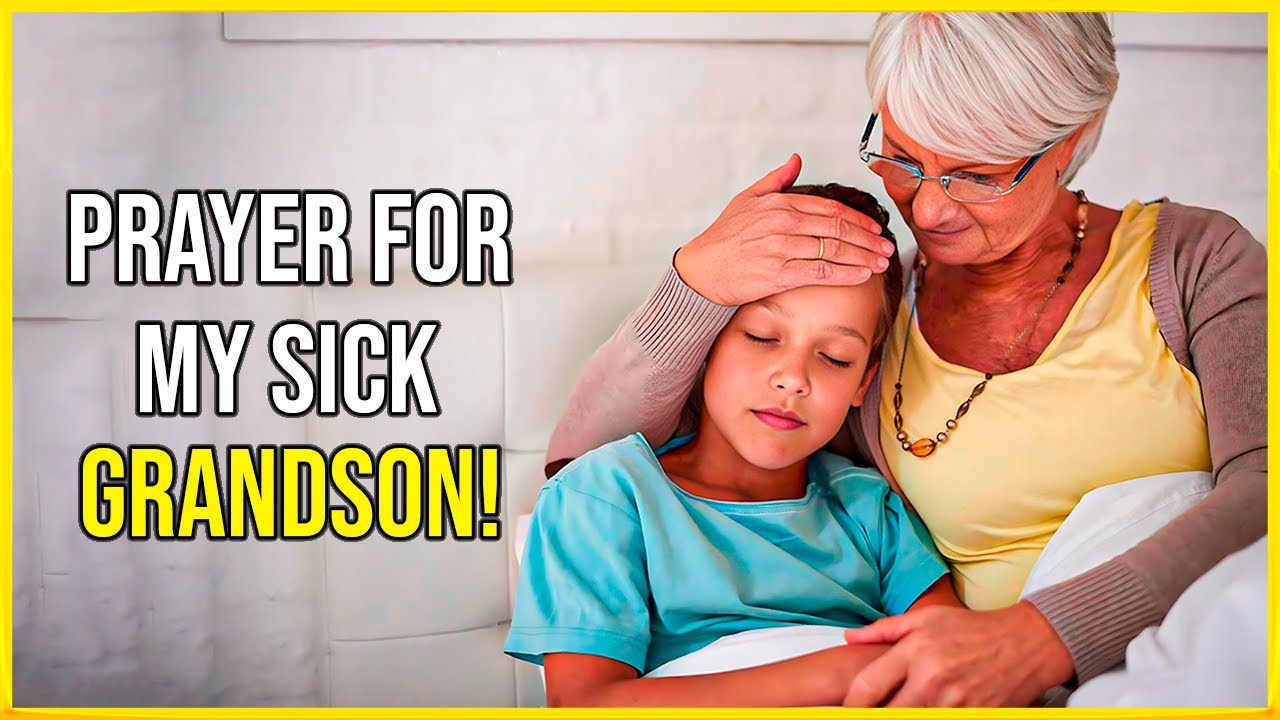

While the content varies, most prayers for protection include three elements:
- Recognition of God’s care and authority over our lives.
- A clear request for safeguarding of body, mind and spirit.
- A commitment to live wisely, kindly and responsibly as a family.
Why prayer for family safety matters in everyday life
Life brings many ordinary risks—journeys, illnesses, misunderstandings, financial pressure, and the digital world’s complexities. A regular prayer for family safety helps re-centre the household, reminding everyone of what truly matters and inviting God’s presence into daily decisions. It encourages careful choices, mutual accountability and a calmer response when challenges arise.
There is also a relational benefit. Families who pray together often report improved communication, a sense of shared purpose, and greater empathy. These qualities directly support family safety by reducing conflict, heightening awareness of each other’s needs and fostering confident, prudent habits.
Core principles of a meaningful prayer for family safety
As you shape your own pattern, consider the following foundations:
- Clarity: Be specific. Name the people and situations you have in mind (for example, “protect Emma on her school trip” or “guide us in our house move”). Specificity keeps the prayer grounded in real life.
- Consistency: A brief daily prayer for family safety, repeated over weeks and months, nurtures peace and attentiveness more than occasional long sessions.
- Balance: Combine requests (protection, wisdom) with gratitude (answered prayers, small blessings) and openness to God’s will.
- Scripture: Many find strength by weaving in Bible verses that speak of refuge, guidance and peace.
- Responsibility: Prayer complements practical steps. Good routines, safe technology use and sensible planning all reinforce family safety.
How to build a daily prayer for family safety routine
A small daily habit is often easier to sustain than a long, irregular one. Here are practical patterns you can adapt:
Morning and evening patterns
Morning: Keep your prayer for family safety simple and focused—ask for protection over the day’s journeys, meetings and interactions. Name individuals’ plans and requests. End with a brief moment of quiet, asking for patience and kindness in every encounter.
Evening: Review the day. Give thanks for visible protection and lessons learned. Pray for restful sleep, the safety of your home, and peace for those who are anxious. If tensions arose, include a short prayer for reconciliation and soft hearts.
Weekly or monthly rhythms
Set aside one evening each week for a slightly longer family time. You might light a candle, read a short passage and then share a prayer for family safety for the coming week—upcoming exams, work deadlines, trips or medical appointments. Each month, consider a review: What prayers were answered? Where do we still need guidance?
Praying with children and teens
Keep language age-appropriate and concrete. Younger children can thank God for specific people and ask protection for school, friends and pets. Teenagers often appreciate a chance to voice concerns about online life, friendships and future choices. Invite them to contribute to the prayer for family safety with their own words, and affirm their wisdom and courage.
Scriptural foundations often used in prayer for family safety
Many Christians draw on the Psalms for their imagery of shelter, refuge and steadfast love. Psalm 91, often called the “protection psalm,” is a frequent choice; Psalm 121 (“I lift up my eyes to the hills…”) is another. In the New Testament, themes of peace, courage and love—embodied in the life of Jesus—guide families towards trust and wise action.
You can read Psalm 91 in a British-English translation such as the NIVUK at Bible Gateway’s Psalm 91 (NIVUK). If you prefer a structured liturgical approach, the Church of England offers topical prayers that include family-focused intercessions, such as the Church of England topical prayers for family life.
Old Testament passages
- Psalm 91: God as refuge and fortress. Helpful for a nightly prayer for family safety.
- Psalm 121: Assurance that God watches over our coming and going.
- Proverbs 3:5–6: Trusting in the Lord for guidance in decision-making.
New Testament themes
- Philippians 4:6–7: Prayer and thanksgiving leading to peace that guards hearts and minds.
- John 14:27: Jesus’ promise of peace amid fear.
- James 1:5: Asking for wisdom generously given by God.
Sample texts: short and extended versions of prayer for family safety
Use these as starting points and revise to reflect your family’s situation and tradition.
A short daily prayer
“Loving God, watch over our home today. Keep each of us safe in body, mind and spirit. Give us wisdom in our choices, kindness in our words, and courage in our challenges. Surround our family with your protection and peace. Amen.”
A prayer for travel
“Heavenly Father, as we set out, protect our journeys by road, rail, sea or air. Guard those who share the routes with us. Guide us to be alert, considerate and calm. Bring us safely to our destination and back to those we love. Amen.”
An evening prayer for family safety
“God of peace, thank you for the care you have shown us today. We entrust our home to you tonight. Guard our sleep, strengthen our bodies and quiet our minds. Watch over our children, our friends and our neighbours. Keep us from fear and fill this house with your peace. Amen.”
A longer family liturgy (adaptable)
Leader: “Lord, you are our refuge and strength.”
All: “Be our help in trouble and our peace in fear.”
Leader: “We ask your protection for [names], for our home, our work and our journeys.”
All: “Guide our steps, guard our hearts, and keep us from harm.”
Leader: “Give us wisdom for decisions, gentleness in conflict and joy in one another.”
All: “Let your love be our shelter and our song. Amen.”
Praying for specific situations
Here are focused ways to shape a prayer for family safety around common needs. Pair these prayers with practical steps—checking smoke alarms, planning budgets, setting parental controls and seeking qualified advice when necessary.
Travel and commuting
Ask for calm and attentive driving, considerate behaviour on public transport, and protection on busy roads. Pray for those who commute at night or in adverse weather. A brief morning prayer for family safety before leaving the house can become a reassuring routine.
Health and illness
Pray for resilience, good medical care and healing. Include carers, clinicians and support networks. Acknowledge uncertainty and ask for patience. Family safety includes mental health; pray for peace in anxiety and clarity about seeking professional help when needed.
Digital and online safety
Alongside sensible guidelines and open conversations, pray for discernment online: wisdom to recognise scams, kindness in communication, and courage to set boundaries. A specific prayer for family safety in the digital sphere can help make rules feel collaborative rather than punitive.
Financial stability and home security
Ask for prudence with money, fair opportunities and protection from fraud. Pray for safe homes and neighbourhoods, for good relationships with neighbours and confidence in local services. Pair these prayers with practical steps such as budgeting, secure passwords and home safety checks.
Common mistakes and how to avoid them
- Thinking prayer replaces action: Prayer is not a substitute for sensible planning. Integrate your prayer for family safety with practical routines and professional advice when appropriate.
- Overloading the prayer: Keep it focused. If a list becomes overwhelming, choose one or two priorities each day and rotate.
- Neglecting gratitude: Thankfulness builds faith and reduces anxiety. Notice small answers to prayer and progress over time.
- Using only one voice: Invite different family members to lead or contribute. Shared ownership deepens meaning.
- Forgetting follow-up: If you prayed for a decision, revisit it. Record outcomes and adjust your routines as you learn.
Bringing tradition and community into your prayer for family safety
Across Christian traditions, prayers for protection have long been part of daily life. Some families incorporate a brief collect or a saint’s intercession. For example, many Christians ask for the protection of St Michael in times of danger; you can learn more about his role as a guardian in this overview of Michael the Archangel. Others draw on liturgical patterns—morning and night prayers, or seasonal intercessions—to structure their practice. If you are exploring how different churches pray, this introduction to the Eastern Orthodox Church offers historical context and distinctive emphases on prayer, icons and community life.
You may also consider praying with your local church small group, godparents or grandparents, or inviting friends to a quarterly “family blessing” evening. The fellowship of a wider community helps sustain the habit and shares wisdom across generations.
Integrating Scripture and tradition with modern life
It can be helpful to combine ancient prayers with contemporary concerns. For instance, after reading a psalm about shelter, you might add a specific prayer for family safety online, for clear communication in messaging apps, and for integrity in posting and sharing. This approach honours tradition while recognising today’s realities.
Some families make a “protection board” or journal with verses, answered prayers and practical reminders (check smoke alarm batteries; review privacy settings; plan emergency contact lists). Linking prayer with practical checklists keeps family safety tangible and collaborative.
Recommended external resources
- Church of England topical prayers for family life – ready-to-use prayers that can complement your own words.
- Psalm 91 (NIVUK) at Bible Gateway – a classic passage often used in a prayer for family safety.
- Prayer to St Michael the Archangel (USCCB) – a traditional protection prayer recognised across many communities.
- NSPCC guidance on keeping children safe – practical, up-to-date advice to pair with your prayers.
Frequently asked questions about prayer for family safety
How long should a daily prayer for family safety be?
There’s no fixed length. A sincere 30–60 seconds each morning and evening can be more effective than occasional long sessions. The key is consistency, clarity and a calm pace that allows everyone to participate.
Is it better to use traditional prayers or my own words?
Both can be helpful. Traditional prayers offer tested language and structure; your own words make the prayer for family safety personal and specific. Many families blend the two: a short set text followed by free prayer naming particular needs.
How can we include children without making it feel forced?
Keep it short, concrete and interactive. Ask children what they’re grateful for and what they’d like to pray about. Let them contribute a sentence to the prayer for family safety and affirm their ideas. Visual cues—a candle, a small card with a verse—can help focus attention.
What if some family members are hesitant or of different beliefs?
Be respectful and gentle. Offer an open invitation rather than a requirement, and avoid pressuring anyone. You can still pray privately or with those who are willing. When praying aloud, choose inclusive language and keep the prayer for family safety centred on shared concerns: wellbeing, peace, wise choices.
Does prayer replace practical safety measures?
No. Prayer complements good planning and responsible behaviour. Combine your prayer for family safety with concrete steps: health check-ups, safe driving, secure passwords, and appropriate advice from professionals when needed.
Which Bible verses are best for protection prayers?
Psalm 91 and Psalm 121 are classic choices, along with Philippians 4:6–7 and John 14:27. Select passages that resonate with your circumstances and weave them naturally into your prayer for family safety.
How do we keep the habit going when life is busy?
Make it small, regular and visible: attach the prayer to existing routines (breakfast, school run, bedtime). Use a reminder card or phone alarm. If you miss a day, simply start again; consistency matters more than perfection.
Conclusion on prayer for family safety
A prayer for family safety is a practical, compassionate rhythm that brings protection, peace and purpose into everyday life. It is not a substitute for wise choices, but a companion to them—a daily reorientation that strengthens trust, reduces anxiety and draws families closer.
By keeping your words clear and specific, rooting them in Scripture, and pairing prayer with sensible action, you create a steady pattern that serves everyone in the household. Whether whispered at the door, shared around the table, or offered at night, a prayer for family safety can become a quiet source of resilience.
As you experiment with times, texts and traditions, keep it simple and sincere. Invite participation, celebrate small answers, and keep learning from your community. In doing so, your prayer for family safety will evolve into a living habit—one that protects, unites and blesses your home for the long term.
