Prayer for Our Lady of Sorrows: Essential Practical Guide in 7 Steps
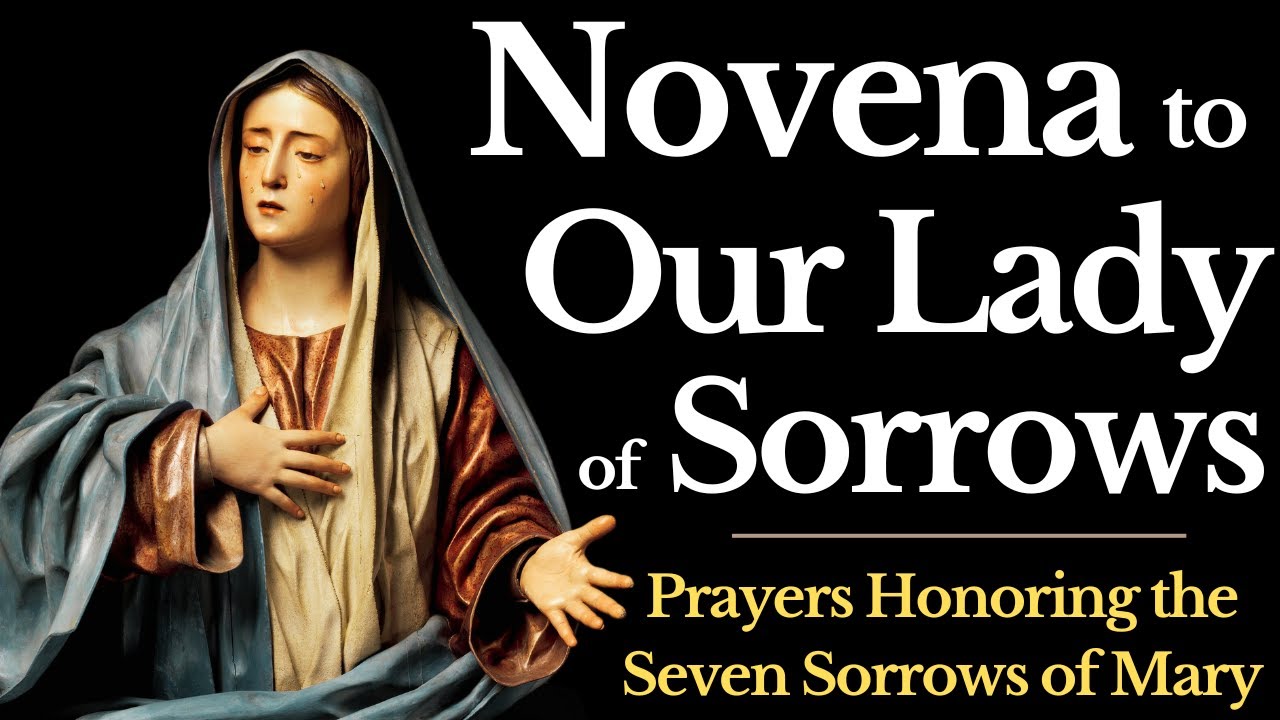
Prayer for our lady of sorrows: meaning, devotions, and how to pray
For centuries, prayer for our lady of sorrows has helped Christians draw close to Mary as she shares in the Passion of Christ. This gentle devotion invites us to reflect on her seven sorrows, to grow in compassion, and to bring our own grief, worry, and hope to God through the Sorrowful Mother. Whether you are hurting, supporting someone in pain, or simply seeking a deeper spiritual life, prayer for our lady of sorrows can be a steady, consoling path.
At the heart of this practice is the belief that Mary understands human suffering. The Gospel records Simeon’s prophecy that a sword would pierce her soul (Luke 2:35), and the Church meditates on this maternal sorrow as a God-given school of empathy. Through prayer, we learn to stand with others in their hardship and to entrust our burdens to Christ.
This guide explains what prayer for our lady of sorrows is, where it comes from, how to pray it at home or in church, and how to avoid common mistakes. You will also find step-by-step helps, simple sample prayers, and links to reliable resources should you wish to go further.
What is prayer for our lady of sorrows?
Prayer for our lady of sorrows is a set of devotional practices that honour Mary under the title “Our Lady of Sorrows” (also called the Sorrowful Mother or Mater Dolorosa). It centres on the seven Gospel events traditionally called the Seven Sorrows. By pondering these moments, we ask Mary to help us bear our own crosses and to lead us more closely to Jesus.

This devotion is not about dwelling morbidly on sadness; rather, it recognises that the Christian path includes suffering and that Mary—who stood at the foot of the Cross—shows us how to trust God in the darkest hours. In daily life it becomes a prayer of compassion, patience, and perseverance.
When and why to say prayer for our lady of sorrows
Many people pray this devotion throughout the year, but it is especially fitting during Lent, on Fridays, and on the Memorial of Our Lady of Sorrows (15 September). Some use prayer for our lady of sorrows when facing illness, bereavement, anxiety about family, or conflict at work. By reflecting on Mary’s fidelity amid trials, we find courage to remain faithful in our own circumstances.
The devotion is also a practical way to keep the Passion of Jesus before us. As we unite our wounds with his, we ask the Sorrowful Mother to show us how to endure with love, to forgive, and to hope even when results come slowly.
The Seven Sorrows: a quick guide
The Seven Sorrows are biblical moments that reveal Mary’s share in her Son’s suffering. They are often meditated in order:
- Simeon’s prophecy in the Temple (Luke 2:34–35).
- The flight into Egypt (Matthew 2:13–15).
- The loss of the Child Jesus in the Temple (Luke 2:41–50).
- Mary meets Jesus on the way to Calvary (traditional meditation linked to Luke 23:27–31).
- The Crucifixion and Death of Jesus (John 19:25–30).
- Mary receives the body of Jesus (the Pietà; see John 19:38–40).
- The burial of Jesus (Luke 23:50–56; John 19:41–42).
By lingering with these scenes, we learn to enter prayerfully into our own “sorrows” with faith. That is the heart of prayer for our lady of sorrows.
Forms of prayer for our lady of sorrows
There are several traditional and flexible ways to practise prayer for our lady of sorrows. Choose the one that suits your time, temperament, and needs.
The Chaplet (Rosary) of the Seven Sorrows
The Chaplet—sometimes called the Rosary of the Seven Sorrows—is a structured way to meditate on each sorrow. Here is a simple way to pray it:
- Begin with the Sign of the Cross. Offer the chaplet for a particular intention (for example, for a grieving friend, for reconciliation in your family, or for courage in illness). This intention-focused start gives clarity to your prayer for our lady of sorrows.
- Announce the First Sorrow. Read a brief verse or simply name the event (e.g., “Simeon’s prophecy”).
- Pray one Our Father and seven Hail Marys, quietly picturing Mary’s experience and speaking to her about your situation.
- Repeat for all seven sorrows.
- Finish with a short prayer such as “Virgin most sorrowful, pray for us,” and the Sign of the Cross.
You can pray the whole chaplet (it takes about 15–20 minutes), or focus on one sorrow daily across the week.
The Stabat Mater hymn
The medieval hymn Stabat Mater (“At the cross her station keeping”) beautifully expresses Mary’s sorrow and the disciple’s desire to share Christ’s love. You can meditate on its verses during Lent or before a crucifix. For historical context and text, see background on the Stabat Mater hymn, and many church choirs sing it on the Feast of Our Lady of Sorrows.
Novena and personal intercessions
A novena is nine days of prayer on a single theme. For a simple novena, choose one sorrow each day, reflect for a few minutes, and offer a short intercession. For instance: “Mother of Sorrows, you fled into Egypt to protect your Child; guide all refugees and protect my family from harm.” This is an uncomplicated yet powerful way to keep prayer for our lady of sorrows grounded in real needs.
A simple daily prayer to the Sorrowful Mother
If you are short on time, use a brief, heartfelt prayer you can remember. For example:
“Our Lady of Sorrows, faithful at the foot of the Cross, be near me today. Teach me to trust Jesus in my fears, to love in my struggles, and to hope beyond what I can see. Mother, share with me your courage and pray for those I carry in my heart. Amen.”
How to pray prayer for our lady of sorrows step by step
If you are new to this devotion, these steps can help you begin, alone or with others:
- Set a time and place. A quiet chair, a candle, and a crucifix are helpful but not essential.
- Start slowly. Choose one sorrow and reflect for three to five minutes. Let a short phrase guide you, such as “Mary, stay with me.”
- Connect sorrow to life. Ask: “What does this scene say to my situation?” Apply it to your relationships, work, or anxieties.
- Speak simply. Good prayer for our lady of sorrows is sincere, not complicated. Use your own words.
- Close with trust. End by asking Mary to lead you to Jesus and to a practical next step—making a call, seeking help, forgiving someone, or resting well.
Praying with Scripture and silence
Although formal texts help, the devotion comes alive when you let Scripture and silence do their work. Read one relevant verse (for example, John 19:25: “Standing by the cross of Jesus were his mother…”). Then sit quietly for a minute or two. Let the scene unfold in your imagination. If emotions stir—sadness, gratitude, confusion—offer them to God. This simple pattern makes prayer for our lady of sorrows personal and fruitful.
Common mistakes to avoid with prayer for our lady of sorrows
These gentle correctives will keep your prayer balanced and hopeful:
- Focusing only on pain. The point is not to stay in sorrow, but to find Christ in it. Always end prayer for our lady of sorrows by renewing trust and asking for grace to love.
- Rushing the images. Give each sorrow a moment to breathe. A slower pace often helps more than more words.
- Trying to “feel” something on cue. Deep prayer is faithful rather than emotional. God works in quiet and consistency.
- Praying without a concrete intention. Offering each time of prayer for a person or situation gives it focus.
- Skipping Scripture entirely. Even one verse anchors your meditation in God’s word and guards against vague sentimentality.
Who can benefit? Individuals, families, and communities
Prayer for our lady of sorrows is for everyone. Individuals find courage to carry personal crosses. Couples and families discover patience in daily struggles, and parishes can use the chaplet before Mass in Lent or on Fridays. Devotion to the Sorrowful Mother also speaks strongly to those who are grieving or supporting the sick, offering a companion who understands pain without despair.
Because devotion to Mary spans global Christianity, it helps to notice the wider context. For a sense of the Church’s worldwide family, see this overview of how many Christians in the world there are today. Traditions differ in emphasis: Catholics strongly focus on Our Lady of Sorrows; many Anglicans and Lutherans honour Mary through Scripture and hymnody; and Eastern Christians venerate the Mother of God with profound reverence. For background on the East, explore this overview of the Eastern Orthodox Church.
Bringing the devotion into everyday life
Here are simple, sustainable ways to weave the Sorrowful Mother into your routine:
- Choose a weekly rhythm. For example, meditate one sorrow each day Monday to Sunday, or pray the chaplet every Friday.
- Mark the calendar. Keep 15 September (Our Lady of Sorrows) and Fridays in Lent for special intentions.
- Create a small prayer space. A crucifix and an image of Mary can gently refocus attention.
- Pray for others. Keep a small list of names. Offering prayer for our lady of sorrows with these intentions builds a habit of intercession.
- Use music. Listening to a setting of the Stabat Mater can deepen meditation. Sacred music often helps when words are hard to find.
Examples of intentions you can bring
Prayer is more concrete when attached to real needs. You might pray for:
- Parents carrying hidden worries for their children.
- Refugees and all who must leave home in fear.
- Those suffering from anxiety, depression, or loneliness.
- Neighbours grieving miscarriage, divorce, or bereavement.
- Healthcare workers, chaplains, and carers.
- Reconciliation in families and communities divided by resentment.
Link each intention to a sorrow. For instance, the Flight into Egypt can guide prayer for displaced people, while the Crucifixion can inspire prayer for the dying and their families. This keeps prayer for our lady of sorrows grounded and compassionate.
Short, original prayers you can use
Feel free to adapt these to your situation:
- For courage in illness: “Mother of Sorrows, you stood strong beneath the Cross; stand by me in weakness. Help me to trust Christ’s healing grace today. Amen.”
- For a grieving friend: “Sorrowful Mother, you held your Son at the Pietà; hold N. in your heart and comfort N.’s family. Show us how to be present with love. Amen.”
- For family peace: “Our Lady of Sorrows, gentle and steadfast, bring patience to our home. Teach us to forgive and start again. Amen.”
Recommended external resources
- Overview of Our Lady of Sorrows and the Seven Sorrows (history, iconography, and feast day).
- USCCB guide to the devotion of the Seven Sorrows (structure and prayers to get started).
- Encyclopaedia Britannica article on Our Lady of Sorrows (concise background and significance).
Frequently asked questions about prayer for our lady of sorrows
Is prayer for our lady of sorrows only for Catholics?
No. While it is a distinctly Catholic devotion, any Christian can reflect on Mary’s faith at the Cross and ask for her intercession. The themes—trust in suffering, compassion, perseverance—are universal, and many find these meditations deepen their love for Christ.
How long does it take to pray the Seven Sorrows chaplet?
About 15–20 minutes at an unhurried pace. If that feels long, choose one sorrow a day and take three to five minutes with it. Consistency matters more than length in prayer for our lady of sorrows.
Do I need a special set of beads?
Special “Seven Sorrows” beads can help, but they are not essential. You can count on your fingers, use a standard rosary (adapting the decades to sevens), or simply focus on the scenes without counting at all.
What if I feel nothing when I pray?
That is normal. Fruit often appears quietly over time—more patience, gentleness, courage. In prayer for our lady of sorrows, aim for fidelity rather than intense feelings. Let Scripture, silence, and small acts of love carry you.
Can I pray this devotion with children or in a group?
Yes. Keep it simple—one sorrow, one verse, and a short prayer. Visual aids (an icon or a crucifix) help. In groups, invite brief intentions and leave moments of silence for reflection.
How does this devotion relate to the Passion of Christ?
It is a doorway into the Passion. By contemplating Mary’s sorrow, we learn to stand with Jesus in his suffering and to recognise his love for the world. In practice, prayer for our lady of sorrows prepares the heart to celebrate Holy Week with deeper understanding.
