Prayer for the family of a deceased person: 5 essential practical tips
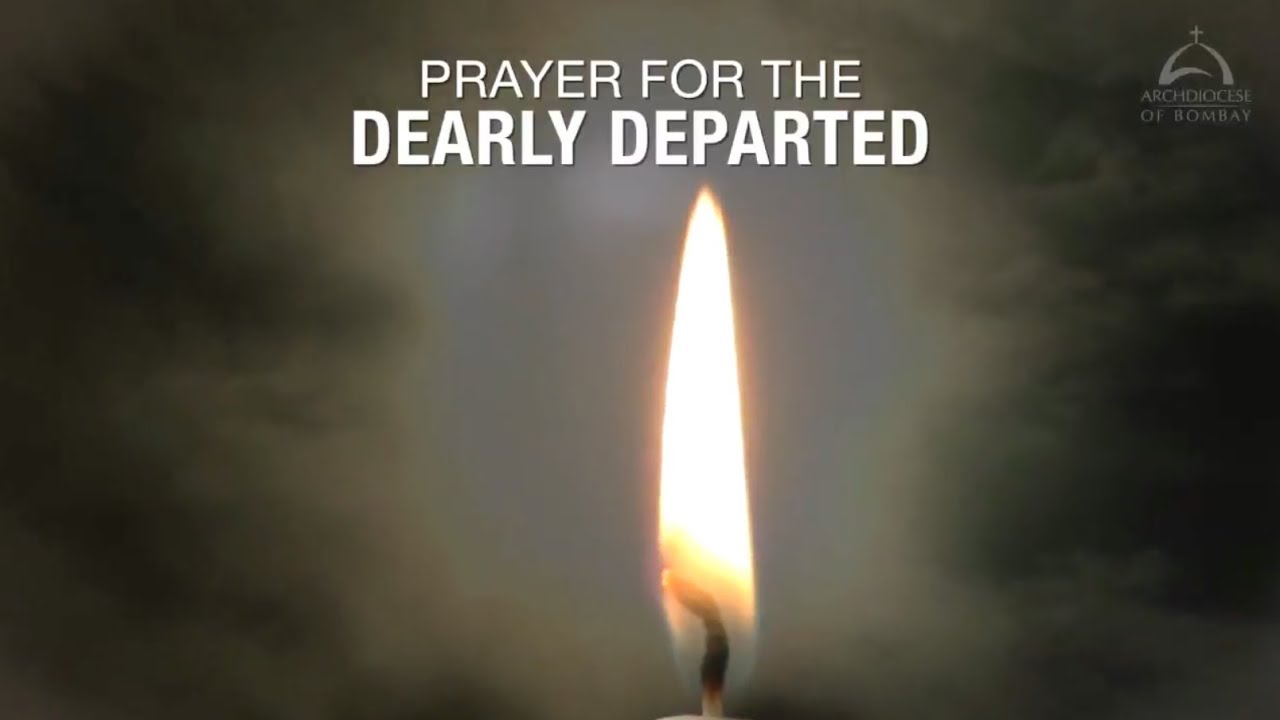
prayer for the family of a deceased person
Losing a loved one shakes the ground beneath us. In those tender days and weeks, a prayer for the family of a deceased person can bring steadying comfort: words that honour the life lost, hold space for grief, and offer hope when emotions feel overwhelming. Whether you are religious, spiritual, or simply wish to share heartfelt sympathy, carefully chosen words can soothe, strengthen and unite a family in mourning.
This guide explains what a prayer for the family of a deceased person is, why it matters, and how to shape one that feels authentic. You will find practical steps, example prayers from different traditions (including non-religious options), etiquette tips for services and home gatherings, common mistakes to avoid, and answers to frequently asked questions.
What do we mean by a prayer for the family of a deceased person?
At its simplest, a prayer for the family of a deceased person is a spoken or written appeal for comfort, peace and support for those grieving. It can be addressed to God, voiced as a spiritual intention, or framed as a reflective reading for people who do not identify with a faith tradition. Its purpose is not to “fix” grief but to give language to love, sorrow and remembrance.
Prayers for bereaved families typically contain a few core elements: acknowledging the loss, naming the person who has died, asking for strength and unity, expressing gratitude for the life shared, and pointing towards hope, however small. In many cultures, such prayers are integral to the funeral, wake or memorial, and they often continue in the days and months that follow.


Why prayer matters when someone dies
Grief is not only emotional; it affects the body, mind and spirit. A prayer for the family of a deceased person can help to calm the nervous system (through gentle breathing and speaking), structure communal support (by bringing people together around shared words), and give permission for tears and silence. It also acts as a bridge: between shock and acceptance, between the past and a reshaped future, and between individuals who may grieve in different ways or at different paces.
For religious families, prayer affirms enduring beliefs about God’s presence in suffering and the hope of eternal life. For those who are not religious, a thoughtful reading or blessing offers meaning, connection and compassion at a time when many feel at a loss for what to say.
Core elements of a compassionate prayer
Tone and intent
Choose a tone of warmth, humility and care. Avoid trying to explain the loss or rushing the family towards “closure”. Good prayers for bereavement hold space for complex emotions, honour the mystery of death, and focus on the needs of the family.
Names and memories
Use the person’s name. Refer to a characteristic or memory the family cherishes. This makes the prayer particular and personal, rather than generic.
Comfort, courage and community
Ask for specific qualities—comfort, rest, patience, courage. Mention the wider circle—friends, colleagues, neighbours—who can support the family with practical help and companionship.
Gentle hope
Offer hope with sensitivity. For some, this may be rooted in faith; for others, in the enduring power of love and shared memories. Hope does not deny pain; it shines quietly within it.
How to write your own prayer for the family of a deceased person
If you are crafting a prayer for the family of a deceased person—perhaps as a eulogy contribution, a card, or something to say at home—these steps can guide you:
- Begin with the family’s need. Ask yourself: what would truly help them to hear right now—peace, reassurance, gratitude, permission to grieve?
- Name the person who has died. If appropriate, include a phrase that reflects who they were: “a gentle friend”, “a devoted father”, “a gifted listener”.
- Keep sentences short. In emotional settings, simplicity and clarity make words easier to receive.
- Balance sorrow and thanksgiving. Acknowledge the depth of loss and, where fitting, give thanks for the life shared.
- Include a line for the future. Ask for strength for the coming days, wisdom for decisions, and unity for the family.
- End with a phrase of release and peace. In religious prayers, this may be “Amen”. In secular readings, consider “May it be so”, “We remember with love”, or a moment of silence.
Read your draft aloud. Adjust any phrases that feel heavy or complicated. Ensure your language reflects the family’s beliefs and preferences; where in doubt, ask a close relative or the officiant.
Example prayers you can adapt
Below are short examples you can use as they are, or adapt. They include religious and non-religious forms to suit different families. Each one is designed to work at a funeral, memorial, wake, or within the home.
Short non-religious reading
We gather with love for this family as they say farewell to [Name]. In the quiet of our hearts, may they find rest for today and courage for tomorrow. May memories bring warmth, tears bring healing, and the care of friends carry them gently. We give thanks for the life shared and hold this family in compassion and peace.
Christian interdenominational prayer
God of all comfort, we lift before you this family grieving the loss of [Name]. Hold them in your tenderness. Give them strength when mornings feel heavy, and light for each step ahead. We thank you for every gift of [Name]’s life. Surround this family with love, unite them in hope, and grant them your peace, through Jesus Christ our Lord. Amen.
Catholic-inspired prayer
Merciful Father, look kindly upon this family mourning [Name]. May your Mother’s gentle care and the communion of saints uphold them. In their sorrow, grant patience; in their nights, grant rest; and in your mercy, grant [Name] eternal light and peace. Through Christ our Lord. Amen.
Eastern Orthodox-inspired prayer
O Lord of life and death, remember your servant [Name] in your kingdom. Console this family with your compassion; heal their sorrow and strengthen their faith. Give them the peace that passes understanding, and unite them in love as they remember [Name]. Memory eternal. Amen.
Jewish-inspired blessing
Source of life, we remember [Name] with love. We ask for comfort for this family in their mourning. May the One who makes peace in the heights bring peace to them and to all who grieve. May memory be a blessing today and always.
Muslim du’a-inspired prayer
O Allah, have mercy on [Name] and grant them Jannah. Ease the grief of this family; replace their sorrow with patience and their pain with your peace. Bless those who gather around them with kindness and strength, and unite their hearts in remembrance.
For children or teens
Dear God, please be close to this family as they miss [Name]. When they feel sad, bring comfort. When they feel scared, bring courage. Help them remember the fun times, and surround them with friends who care. Keep them together in love. Amen.
Using scripture, poetry and song
Many families find comfort in short passages of scripture, poems or lyrics that express grief and hope. Choose texts that match the family’s beliefs and the tone of the service. For example, Psalm 23 (“The Lord is my shepherd”) is widely used in Christian funerals; non-religious options include poems such as “Do Not Stand at My Grave and Weep” or “Farewell My Friends”. For Orthodox families, you may appreciate an overview of the Eastern Orthodox Church to understand the significance of memorial prayers and the phrase “Memory eternal”.
If you would like regular prompts to uplift loved ones in the weeks after the funeral, consider simple weekly blessings or messages you can share; these can be inspired by gentle reflections such as spiritual inspiration for Thursday blessings.
Praying together at home and at the service
Different settings call for different styles. A prayer for the family of a deceased person at a funeral often needs to be brief, inclusive, and easy to follow, especially if people attend from varied backgrounds. At home, there is more room for storytelling, silence and candles or photographs. Consider these suggestions:
- Before the service: share the text with the officiant and confirm where it fits (welcome, tribute, committal, or closing).
- At home: gather around a photo or a favourite object, light a candle, and invite each person to add a word or memory after the prayer.
- Online: if some relatives can only join by video, print or share the words in advance so all can participate.
- With children: explain the words simply and invite them to draw a memory to place beside the candle.
Practical etiquette and inclusive language
Be attentive to the family’s wishes. If the family prefers a secular ceremony, frame your words as a “reading” or “blessing”. If multiple faiths are represented, avoid exclusive language; use “we” and “us” rather than “they”. Speak clearly, at a gentle pace, and pause. Emotional moments are not a problem; they are part of honest remembrance.
Common mistakes to avoid
- Explaining the loss. Avoid phrases that try to justify or rationalise death (“Everything happens for a reason”).
- Making it generic. Personal details—names, qualities, a small story—make a prayer for the family of a deceased person heartfelt and memorable.
- Overpromising. Do not imply that pain will quickly pass. Instead, ask for strength and support.
- Lengthy language. Keep sentences short and approachable, especially when emotions are raw.
- Ignoring the wider circle. Include friends, carers, colleagues and neighbours who will support the family.
When prayer is difficult
Sometimes grief leaves people without words or without faith. That is understandable. In such moments, silence can be its own prayer. Light a candle. Sit together. Read a short poem. A prayer for the family of a deceased person can be as simple as “We are here with you. We remember with love.” If you are supporting someone of another faith, offer your presence and ask how they would like their traditions honoured.
Looking after the family beyond the funeral
Prayers, readings and blessings can continue in the weeks and months after the loss. Mark meaningful dates—a birthday, an anniversary—with a brief moment of remembrance. Encourage the family to accept practical help, and signpost professional support if needed. Compassion includes both words and actions.
Recommended external resources
- Church of England funeral prayers and guidance – a selection of prayers and practical advice for services.
- Cruse Bereavement Support – UK national charity offering grief support, helplines and resources for families.
- NHS guidance on bereavement and grief – clear information and links to further help.
- Wikipedia: Prayer for the dead – an overview of practices across different religions.
Each of the above can complement a prayer for the family of a deceased person by offering structured words, pastoral care and practical steps.
Frequently asked questions about prayer for the family of a deceased person
How long should a prayer for a family be at a funeral?
Two to three minutes is usually ideal—around 120–200 words. This length respects the schedule, allows space for emotion, and keeps the focus clear. At home gatherings, you can use a slightly longer prayer or add a period of silence afterwards.
What if the family is not religious?
Offer a non-religious reading or blessing that expresses care, remembrance and hope. Focus on shared values such as love, gratitude and solidarity. You can still call it a “prayer for the family of a deceased person” if the family is comfortable with the term; otherwise, say “reading” or “reflection”.
Can I include humour or lightness?
Yes—gently. A brief, kind-hearted memory can lift spirits and reflect the person’s character, especially if they were known for warmth or wit. Keep the tone respectful, and avoid jokes that could be misunderstood in grief.
Should I write my own words or use traditional prayers?
Either is fine. Traditional prayers connect you to a wider community and to long-held faith. Personal words can be deeply meaningful, especially when tailored to the family. Many people combine both: a short traditional prayer and a few personal lines.
How can I involve children in the prayer?
Invite a child to read a short line or place a flower or drawing while the prayer is said. Keep language simple and reassuring. You can use an adapted version of the children’s example above and include their favourite memory of the person who has died.
Is it appropriate to send a prayer by message or email?
Yes. A brief, sincere message can be comforting, especially in the days after the funeral when the house grows quieter. Keep it short, compassionate and free from platitudes. Consider offering a specific act of help alongside your words.
What if members of the family follow different faiths?
Choose inclusive language or offer separate moments within the service for different traditions. An inclusive prayer can emphasise compassion, gratitude and shared humanity without assuming a single belief system.
Conclusion on prayer for the family of a deceased person
A prayer for the family of a deceased person gives voice to love in a season of loss. It does not solve grief, but it steadies the heart and draws people together. Whether expressed as a religious prayer or a secular reflection, the most helpful words are simple, personal and compassionate.
When you prepare a prayer for the family of a deceased person, name the person who has died, honour shared memories, ask for strength and unity, and leave room for silence. Adapt the form to the family’s beliefs, and remember that kindness in action—meals, practical help, regular check-ins—makes your words even more powerful.
Grief unfolds over time. Keep supporting the family with presence, patience and gentle remembrance. In every setting—from a church or crematorium to a quiet living room—carefully chosen words can carry light. May every prayer for the family of a deceased person become a shelter, a blessing and a step towards healing.
