Prayer for the family of the sick: an essential, practical guide
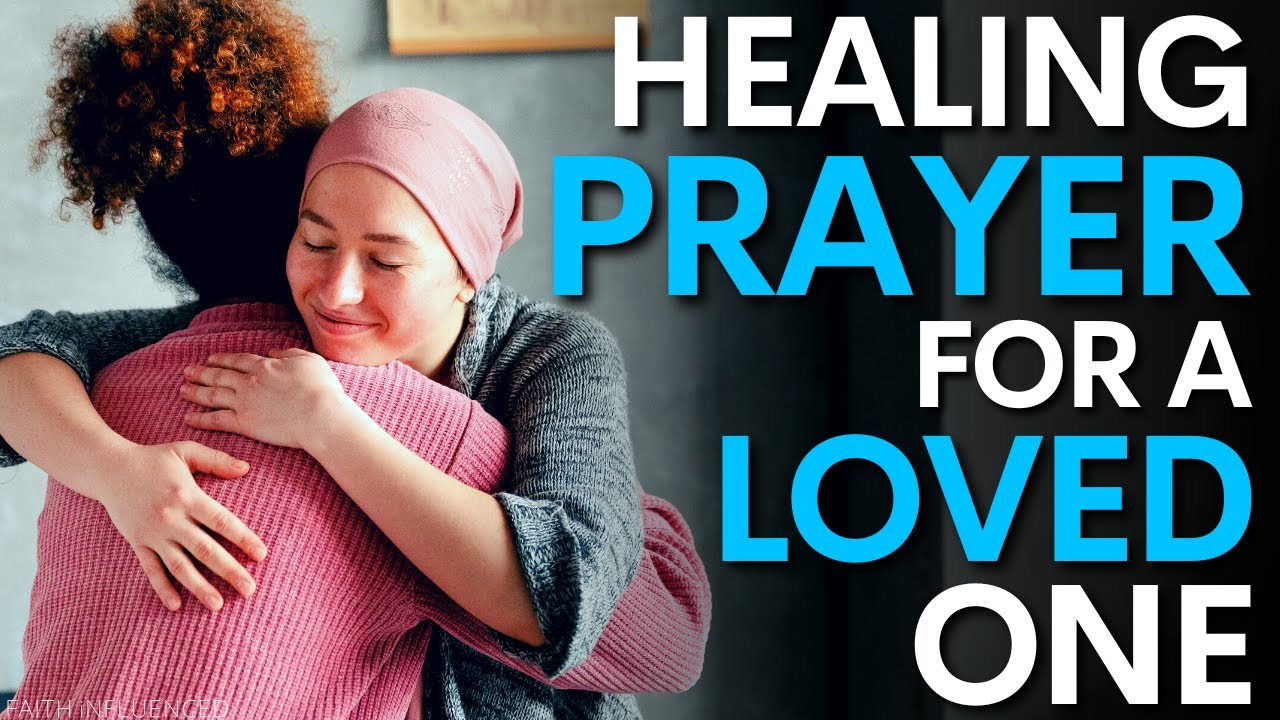
Prayer for the family of the sick
When someone we love is unwell, words can feel small. Yet a simple, sincere prayer for the family of the sick can bring comfort, clarity and connection at a time when life feels uncertain. Whether you follow a particular faith, draw on a broad spiritual sense, or simply want to speak hope into a hard moment, this guide offers practical steps, gentle examples and thoughtful advice to help you find the right words.
Below you’ll find what a prayer for the family of the sick aims to do, how to shape it with care, how to lead it at home or in hospital, and sample prayers tailored to different situations. You’ll also find links to reputable support and pastoral care resources, a short FAQ, and a calm conclusion to hold onto.
What is prayer for the family of the sick?
In its simplest form, prayer for the family of the sick is a heartfelt conversation addressed to God (or, for those who prefer, a moment of mindful intention) focused not only on the patient but on their loved ones: partners, parents, children, siblings, friends and carers. It asks for strength, peace, patience, unity, wisdom and hope for the people who are supporting the person who is ill. It recognises that illness affects more than one person; it touches a whole circle of care.
Across different traditions—Christian, Jewish, Muslim, Hindu, Buddhist and others—prayers for families often include themes of compassion, courage, healing, forgiveness and perseverance. In Christian contexts, people might draw on the Psalms, the Lord’s Prayer or the language of blessing and intercession. In other settings, silent meditation, collective intention or spoken words of encouragement serve a similar purpose. However it is phrased, a prayer for the family of the sick aims to steady hearts and keep love at the centre.


Why prayer matters during illness
Serious illness introduces uncertainty, practical strain and emotional fatigue. Families often juggle information, appointments and care, while trying to maintain daily life. Prayer offers a pause: a moment to breathe, reorient and draw courage. It is not a substitute for medical care or practical help, but it complements them by supporting the inner life of those who carry the load.
People who pray or welcome prayer commonly report a sense of calm, the feeling of being held by community, a renewed focus on what matters day by day, and a way to express gratitude even in hardship. This can reduce isolation, foster resilience and encourage kinder conversations in the family. A prayer for the family of the sick can also make space for honesty—naming fear, uncertainty and grief—while keeping hope alive.
Key principles for crafting a meaningful prayer for the family of the sick
There is no single “right” wording. The heart behind the words matters more than poetic polish. These principles can help you shape a gentle, respectful prayer for the family of the sick:
- Keep it sincere and simple: plain, everyday language is often best.
- Be specific about the family’s needs: strength for long days, wisdom for decisions, rest for carers, and patience for strained moments.
- Balance honesty with hope: name the difficulty without losing sight of courage and compassion.
- Be inclusive: if not everyone shares the same beliefs, use wording that welcomes all.
- Invite gratitude: even small signs of care, progress or kindness are worth noticing.
- Respect privacy: avoid sharing details the family would not want spoken aloud.
- Keep it proportionate: a short, thoughtful prayer may serve better than a long one, especially in hospital settings.
Honesty and tenderness
Give permission, implicitly or explicitly, for the family to feel what they feel. Despair, frustration, tiredness and even anger are common responses to illness. A compassionate prayer acknowledges this truth and asks for gentle renewal rather than impossible perfection.
Hope with realism
Holding hope does not deny reality. You can pray for healing, comfort and guidance while also asking for resilience if the journey is long. In this way, a prayer for the family of the sick helps the family live one day at a time.
Scripture, wisdom and silence
Some will find strength in sacred texts; others in a brief silence. Consider including a short verse, a familiar blessing, or a moment of quiet to breathe. If you are unsure of the family’s preferences, ask sensitively or choose inclusive language.
Words to avoid in a prayer for the family of the sick
Avoid language that blames the family or the patient, or that promises outcomes no one can guarantee. Steer clear of clichés that can feel hollow (“everything happens for a reason”) and instead affirm presence, care and accompaniment.
How to lead a prayer for the family of the sick at home or hospital
Leading a short prayer can feel daunting, but it needn’t be. Here is a simple, practical approach that you can adapt to your setting and beliefs.
- Prepare quietly: take a breath, choose a few core themes (strength, peace, unity) and keep the wording short.
- Ask consent: check the family is comfortable with prayer. If not, offer a moment of silence or a positive message.
- Set the tone: a calm voice, a relaxed posture, and an invitation to breathe together create safety.
- Name the people: if appropriate, mention loved ones by name, or say “the whole family and all who care.”
- Be specific but brief: “Grant rest to tired hands,” “Guide the medical team,” “Hold us together.”
- Pause for silence: a few seconds of quiet helps everyone receive the words.
- Close gently: end with “Amen,” “In peace we pray,” or a phrase natural to your tradition.
If you are in a hospital, remember there may be chaplaincy and pastoral support available for people of any or no faith. You can read more about how chaplains support families in hospitals via the NHS guidance on chaplaincy and spiritual care. Families may also need practical help alongside prayer; organisations like Carers UK offer clear advice on rights, respite and support for carers.
Sample texts: gentle prayer for the family of the sick
Use, adapt or shorten these examples as needed. Each prayer is short enough to speak at a bedside or over the phone, and broad enough to include people with different beliefs.
A short, inclusive prayer for strength
God of comfort, be close to this family today. Give strength for what must be done, rest when they are weary, and kindness for each other when nerves are thin. Guide the hands that care and the minds that decide. Hold them in hope and peace. Amen.
When time is short: one-minute prayer for the family of the sick
In this moment of quiet, surround this family with your love. Calm their fears, steady their steps, and keep them united. Bring healing where it is possible, courage where it is needed, and gentle patience for the hours ahead. Amen.
For carers and close relatives
Faithful God, bless all who watch and wait, who lift, wash, cook and comfort. Renew their bodies, clear their minds and strengthen their hearts. Let them know they are not alone. Give them wisdom, resilience and good rest tonight. Amen.
For children in the family
Loving God, hold the children close. Help them feel safe and listened to. Give them words for their worries, friends who understand, and adults who are kind and patient. Keep their home a place of warmth and care. Amen.
For family unity
God of peace, gather this family into understanding. Where there is tension, sow patience; where there is confusion, bring clarity; where there is grief, bring gentle comfort. Help them to carry one another with grace. Amen.
Interfaith or secular-friendly wording
May love steady this family. May they find strength in one another, clarity for decisions, and rest when they need it most. May those who care do so with wisdom and kindness, and may hope be renewed each day.
Christian wording with scripture echo
Lord, be their refuge and strength, a very present help in trouble. Lift this family when they are weary; give wisdom to those who treat, and keep their hearts in the peace that passes understanding. Through Christ our Lord, Amen.
Adapting a prayer for the family of the sick to different stages
Families’ needs change as illness progresses. Tailoring your words helps the prayer meet the moment.
- Early diagnosis: ask for calm, clear information, and wisdom for choices.
- During treatment: pray for endurance, minimal side-effects, and steady support networks.
- Setbacks or complications: name courage, compassion, and resilience in uncertainty.
- Recovery and rehabilitation: give thanks for progress, pray for patience and protection from discouragement.
- End of life: focus on comfort, dignity, reconciliation, and peace for the whole family.
Including the wider circle in prayer
A prayer for the family of the sick can also name friends, neighbours, colleagues and faith communities. Consider asking others to join at a set time each week, lighting a candle at home or sharing a short text of encouragement. In Christian contexts, you might also draw inspiration from traditions described in a concise overview of the Eastern Orthodox Church, such as communal intercession, anointing and blessing, to inform how your community prays and supports.
Common mistakes to avoid when offering prayer for the family of the sick
- Overpromising: avoid implying guaranteed outcomes; focus on presence and care.
- Making it about you: keep the family’s needs central; use “we” and “they,” not “I.”
- Lengthy or complex language: shorter, simpler wording is usually kinder and more accessible.
- Unwanted advice: prayer is not the place for medical opinions or treatment suggestions.
- Ignoring practical help: offer a meal, a lift or childcare alongside your prayer.
Combining prayer with practical support
Prayer and action go hand in hand. Consider organising a rota for meals, transport or visits, and ask the family what would truly help. If stress or anxiety feels overwhelming, signpost to credible support. Mind’s guidance for carers is a good place to start: support for people caring for someone. For families facing serious illness, the charity Marie Curie’s support services can offer practical and emotional help.
If the family appreciates reflective content and blessings that lift the spirit, you might also enjoy curated weekly reflections such as spiritual inspiration and Thursday blessings, which can complement your own words with gentle prompts for gratitude and hope.
Creating your own prayer for the family of the sick: a simple template
Use this outline to write something personal and appropriate. You can keep it as short as three or four sentences.
- Address: Loving God / God of compassion / Source of hope / In this moment of quiet…
- Situation: We hold before you this family as they face [illness/treatment/uncertainty].
- Petitions: Grant them [strength/rest/unity/wisdom/peace]. Guide [doctors/nurses/carers].
- Honesty: When they are afraid or tired, remind them they are not alone.
- Closing: Keep them in your love, today and each day. Amen.
When prayer feels difficult
Sometimes words fail. That is normal. A silent minute, a hand held, a candle lit, or simply saying, “I’m here,” can communicate the heart of a prayer for the family of the sick without any special language. If you wish, you can use a written prayer from a trusted source, such as the Church of England’s topical prayers, adapting them to your context and the family’s preferences.
Recommended external resources
- NHS information on hospital chaplains and pastoral care – how chaplaincy supports patients and families of all faiths and none.
- Carers UK official guidance – practical advice and rights for those caring for loved ones.
- Marie Curie: support for families – emotional and practical help, including helplines and bereavement support.
- Mind: being a carer – mental health guidance for carers and families.
Frequently asked questions about prayer for the family of the sick
How long should a prayer for the family of the sick be?
Often, shorter is kinder—especially in clinical settings or when emotions are raw. A minute or two is plenty. Focus on one or two themes (strength and peace, for example), and leave space for silence. You can always pray again another time.
What if not everyone in the family shares the same faith?
Use inclusive language that highlights care, courage and unity. Offer a moment of silence for those who prefer it. You can say, “I’ll pray in my way; please feel free to join in or hold your own thoughts.” A respectful, gentle tone makes most people feel included.
Can I pray for healing and still be realistic?
Yes. You can ask for healing while also praying for wisdom for medical teams, resilience for the family, and peace whatever the outcome. A balanced prayer for the family of the sick holds hope without making promises no one can guarantee.
Is it appropriate to pray by phone or video?
Absolutely. Distance does not diminish care. Keep it short, speak clearly, and check that the timing is suitable. A short message afterwards with a sentence from your prayer can be a meaningful reminder.
What if I become emotional while praying?
It’s normal. Pause, breathe, and continue if you can. Emotion can even help the family feel seen and supported. If you need to stop, you might say, “Let’s hold a moment of quiet together,” and close simply with a brief blessing.
Should I include specific medical details in the prayer?
Only if the family is comfortable and such details are already known. It’s safer to focus on the family’s wellbeing—rest, unity, guidance—than on clinical specifics. Privacy and sensitivity are essential.
How often should we pray as a family?
There is no rule. Some families find a daily moment at the same time grounding; others prefer once or twice a week. Let the rhythm serve the family’s energy and needs. A consistent, gentle practice can be more helpful than a long session once in a while.
Conclusion on prayer for the family of the sick
Illness places a strain on every part of family life, but it can also reveal the quiet strength of love. A carefully shaped prayer for the family of the sick offers steadiness: honest words that make room for fear and hope, practical kindness that accompanies faith, and a reminder that no one must carry the burden alone.
Keep your wording simple, your tone gentle, and your focus on what families most need—rest for tired bodies, clarity for decisions, unity in tension and courage for each new day. Whether you borrow a few lines, use a template, or speak in silence, your intention matters more than perfect phrasing. A small, sincere prayer for the family of the sick, offered with respect and compassion, can be a real source of comfort and resilience.
As you accompany loved ones, remember you can draw on community, pastoral care and practical support. And whenever words run out, a shared moment of quiet can carry the same heart as any prayer for the family of the sick: presence, love and hope, held together.
