Prayer for the sick boy: an essential, effective guide with 7 prayers
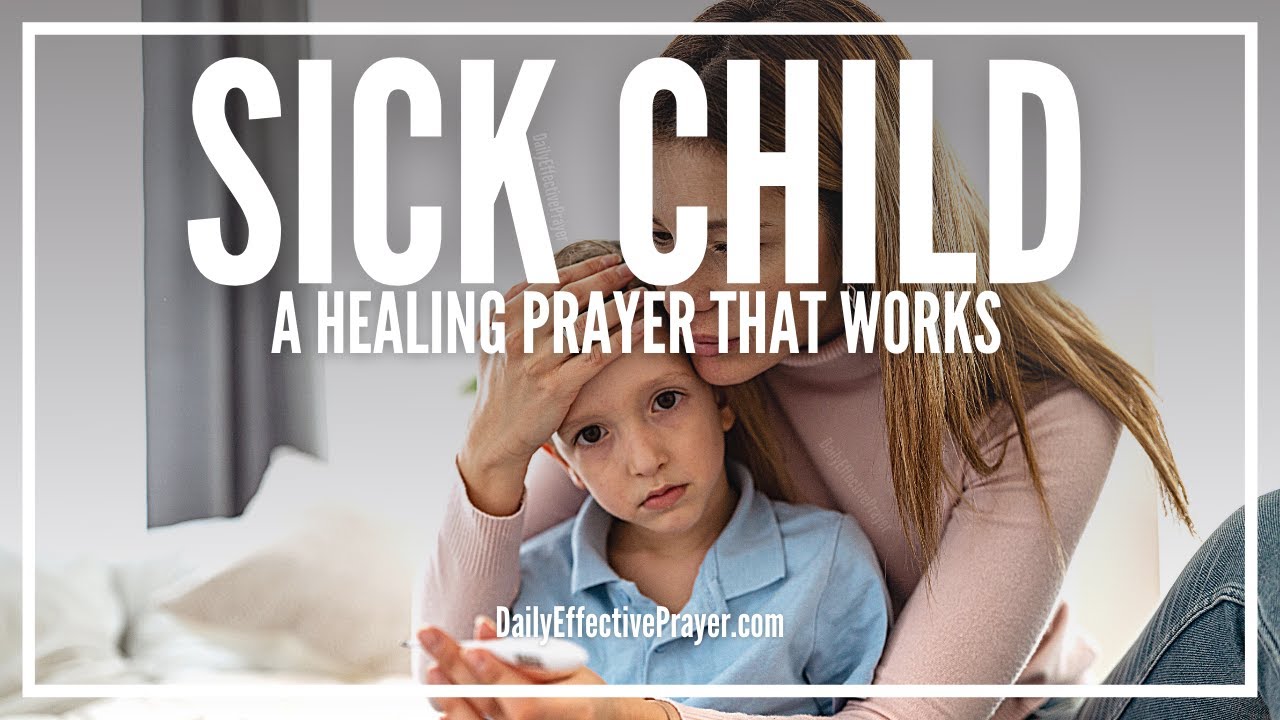
Prayer for the sick boy: meaning, examples, and gentle guidance
When someone you love is unwell, it is natural to look for words that carry comfort, courage, and hope. A prayer for the sick boy can help parents, relatives, friends, and faith communities express care at a difficult time, bringing a sense of calm and connection. Whether you are deeply religious, quietly spiritual, or simply searching for compassionate language to say “we are with you”, this guide offers practical steps, thoughtful examples, and inclusive ideas you can adapt to your own tradition and voice.
Below, you will find what a prayer for the sick boy usually includes, why it matters, and how to write one that is sincere and respectful. You will also discover short model prayers for different situations—from hospital stays to bedtime, from text messages to moments of uncertainty—along with common pitfalls to avoid and gentle ways to support the whole family alongside your words.
Please remember: no prayer for the sick boy replaces medical care. If you have any concerns about a child’s health, follow the advice of qualified clinicians and seek help promptly. Prayer and practical help work best together.
What is prayer for the sick boy?
At its heart, a prayer for the sick boy is a spoken or silent expression that holds a child before God—asking for healing, peace, protection, and strength. In many traditions it is a form of intercession, where we ask on behalf of someone else. For some, it is addressed explicitly to God; for others, it may be a quiet blessing or a mindful intention directed towards the boy, his body’s healing, and his carers.


Across Christian denominations, a prayer for the sick boy often includes four elements: naming the child; asking for comfort and restoration; seeking wisdom and steadiness for medical staff; and remembering the needs of parents, siblings, and loved ones. In other faiths and spiritual paths, similar themes arise—compassion, courage, patience, and trust—woven through different words and practices. The aim is not to say the “perfect” sentence, but to speak truthfully and lovingly from the heart.
Why prayer for the sick boy matters
In times of illness, uncertainty and anxiety can feel overwhelming. A well-chosen prayer for the sick boy offers steadiness. It gives structure to our concern, allowing us to name what is hard while holding onto hope. For families, it can become a daily ritual—a rhythm that makes room for tears, gratitude, and resilience.
Prayer also fosters connection. It links family, friends, and faith communities in a shared purpose—a tapestry of support around the boy and his carers. Even for those who are unsure about faith, a short, loving blessing or quiet moment of reflection can ease stress and strengthen resolve. When paired with evidence-based care, a prayer for the sick boy can encourage rest, focus, and solidarity.
How to shape a heartfelt prayer for the sick boy
You do not need special training to craft a meaningful prayer for the sick boy. Use this simple framework and adjust it to your tradition, your tone, and the child’s situation.
- Prepare and pause. Breathe slowly. Picture the boy held in safety. If it helps, light a candle or sit quietly for a moment.
- Name the child. Use his name and, if appropriate, a brief description of what he is facing. Keep medical details private unless you have permission to share.
- Ask clearly and kindly. Voice your hope for healing, rest, and relief. Include practical requests—for strong treatment, steady progress, and skilled clinicians.
- Include the family. Hold parents, carers, and siblings in your words. Ask for calm, stamina, and wise decisions.
- Add gratitude. Thank God (or express appreciation) for moments of improvement, caring staff, and any kindness shown.
- Close in your tradition. End with “Amen”, a blessing, or a simple pause of silence. Keep your prayer for the sick boy short enough to be repeatable.
Examples of prayer for the sick boy
Use these models as starting points. You can adapt them freely—change names, details, or endings to fit your voice and setting. Each example is designed to be gentle, brief, and sincere.
A short Christian prayer for healing
Merciful God, hold [Name] close. Grant him healing in body and peace in mind. Strengthen those who care for him, guide his doctors and nurses, and keep fear far away. Bring rest tonight and new strength tomorrow. In Jesus’ name, Amen.
An interfaith-friendly blessing
Source of life and love, surround [Name] with protection and calm. May his body mend, his courage rise, and his caregivers have wisdom. May this family feel supported and never alone. Let hope take root and grow. Amen.
A bedside prayer with a sibling
Dear God, please help my brother [Name] feel better. Help him be brave and help us be kind. Thank you for the nurses, and for all the people helping him get well. Amen.
A prayer during medical procedures
Compassionate God, as [Name] undergoes treatment, steady every hand and sharpen every mind. Ease his pain and calm his heart. Bring good results and safe recovery. Be near to his family as they wait. Amen.
A text-message prayer to send quickly
Holding [Name] in prayer today—asking for relief, steady progress, and courage for you all. Here for anything you need. Amen.
A thanksgiving after improvement
Gracious God, thank you for good news for [Name]. For rest, for caring staff, for each small step forward—we are grateful. Please continue to heal and protect him. Amen.
An Orthodox-flavoured intercession
Lord Jesus Christ, Physician of our souls and bodies, visit and heal your servant [Name]. Grant him strength and peace, and guard his family with your mercy. Amen.
Feel free to introduce any of these as a prayer for the sick boy in your home, at church, by a hospital bed, or shared in a message. If you are unsure about the family’s beliefs, choose a simple, inclusive blessing.
Bible verses and traditions that support prayer for the sick boy
Many Christians find comfort in brief Scripture verses woven into a prayer for the sick boy. For instance, James 5:14–15 encourages the church to pray for the sick; Psalm 23 speaks of God’s presence “in the valley”; and in John 4:46–54, Jesus heals an official’s son from a distance—an image of hope when we cannot be physically present. You might also think of Mark 10:14, where Jesus welcomes children.
Some families draw on the centuries-old practice of anointing the sick. To understand how the Catholic Church teaches about this sacrament, see the Catechism on the Anointing of the Sick. In Anglican settings, ministers may offer similar prayers and anointing; the Church of England provides helpful texts in its collection of prayers for the sick and those who care for them. Within the Eastern tradition, icons, litanies, and the Jesus Prayer are often used to accompany petitions for healing; for an accessible introduction to background and practice, see this overview of the Eastern Orthodox Church.
Some people also invoke the help of saints and angels during a prayer for the sick boy. For those interested in the Christian tradition of angelic protection, learn more in this brief guide to Michael the Archangel, often invoked for strength and safeguarding.
Common mistakes to avoid when crafting a prayer for the sick boy
- Overpromising outcomes. Avoid language that guarantees specific results. It is kinder to ask boldly and trustingly, while acknowledging uncertainty.
- Making the child feel responsible. Do not suggest that stronger faith will ensure healing. Keep your prayer for the sick boy focused on compassion, not pressure.
- Sharing private details. Unless the family has given permission, keep medical information minimal and general.
- Using harsh or blaming language. Illness is not a moral failure. Keep your tone gentle and non-judgemental.
- Praying so long that it exhausts people. Short, repeatable words can be more sustainable under stress.
- Forgetting practical support. A kind message, a cooked meal, or help with errands can embody your prayer.
Supporting the family alongside prayer for the sick boy
Words are powerful, but they are even more meaningful when paired with steady, practical care. Consider these supportive actions while you continue your prayer for the sick boy:
- Offer specific help. Rather than “Let me know if you need anything,” try “I can cook on Tuesday or do the school run on Friday. What helps more?”
- Keep communication easy. A short, regular message—“Thinking of you. No need to reply.”—can reduce pressure.
- Respect boundaries. Ask before visiting or sharing updates. Follow the family’s lead on what they want public.
- Support siblings. Small treats, one-to-one time, or help with homework can ease strain.
- Care for carers. Remind parents to eat, rest, and accept help. If appropriate, connect them with pastoral care.
And always remember: when in doubt about a symptom or change in the boy’s condition, defer to clinical guidance. For straightforward health information for parents and carers, the NHS provides clear advice—for example, its page on fever in children explains when to seek urgent help.
Adapting prayer to different settings
Illness can stretch over hours, days, or weeks, and your words can flex with the moment. For a hospital bedside, a few quiet lines repeated softly may be most comforting. For a school community, a collective intercession or minute’s silence can show solidarity without intruding on privacy. For extended family and friends, a daily shared prayer at a set time can unite people across distances.
When interfaith or mixed-belief groups gather, offer a brief invitation: “I will say a short prayer for [Name]. Please join in your own way—by saying Amen, holding a silent intention, or simply listening.” This approach respects diversity while keeping the focus on care for the child.
Writing your own words: a template you can customise
Here is a simple, adaptable template. Fill in the blanks and adjust the lines to suit your context.
“Loving God, we hold [Name] in your gentle care today. Bring healing to his body, calm to his heart, and rest to his mind. Guide his doctors and nurses with wisdom and skill. Strengthen [parents/carers’ names] and surround this family with kindness. Thank you for every sign of progress and for those who help. Keep fear far, and let hope grow. Amen.”
Even if you only use one or two sentences from this, it can serve as a dependable core for your daily prayer for the sick boy, especially when you feel too tired to find new words.
When prayers feel unanswered
There are days when progress stalls or bad news comes. It is natural to feel confused, angry, or numb. In such times, focus your prayer for the sick boy on presence rather than outcomes: “Be near,” “Hold us,” “Do not let us be alone.” Borrow words from your tradition or lean on the short prayers above. If faith feels fragile, that is not failure. It is part of being human under strain.
Consider reaching out to a trusted friend, faith leader, or counsellor. Honest conversation can sit alongside quiet prayer. Many churches and chaplaincy teams are experienced in supporting families in hospital, and can join you in simple, steady practices of hope.
Recommended external resources
- Church of England: Prayers for the sick and those who care for them – pastoral prayers you can use or adapt.
- Catechism of the Catholic Church: Anointing of the Sick – background on a longstanding healing practice.
- NHS: Fever in children – clear guidance on symptoms, red flags, and when to seek help.
- Great Ormond Street Hospital: Helping your child cope with hospital – practical advice for families during admissions.
Related articles
Frequently asked questions about prayer for the sick boy
How long should a prayer be?
Short is often best. A few sincere lines you can repeat daily will serve you better than a long speech. Aim for 30–90 seconds. In hospital or before procedures, even a single sentence or a moment of silence can be enough.
What if I do not know the family’s beliefs?
Keep your words inclusive and gentle. Use language like “May you feel held, may healing come, may you have strength.” You can offer: “I would like to share a short prayer or blessing for [Name]. Is that okay?” If they decline, respect their choice and support them practically.
Can we pray as a group from different faiths?
Yes. Invite each person to participate in their own way—spoken prayer, silence, or a simple “Amen.” Keep the focus on care for the child and unity of purpose. Avoid presuming shared beliefs; instead, name shared values: compassion, courage, hope.
How do I include medical staff in the prayer?
Ask for wisdom, steadiness, and skill for doctors, nurses, and therapists. You might say, “Guide every hand and mind caring for [Name].” This honours their work and recognises that healing is usually a team effort.
What if I feel angry or afraid when I pray?
Bring those feelings honestly. Prayer is a place for truth, not performance. You can say, “This is hard. Be near us.” If words fail, sit quietly and breathe. Let others hold the words for you when you cannot.
May I share the prayer online to gather support?
Only with permission from the family, and without private medical details. A simple post—“Please join me in praying for [Name]”—can gather care while protecting privacy.
How often should we pray?
There is no rule. Many families choose a brief morning and evening practice, or gather words before treatments, meals, or bedtime. Consistency can be soothing in uncertain times.
Conclusion on prayer for the sick boy
In illness, we search for steady ground. A prayer for the sick boy offers that steadiness: honest words that hold pain and hope together, spoken in love. Whether explicitly religious or gently inclusive, prayer can comfort the child, sustain the family, and strengthen the wider circle of friends and carers.
As you shape your own prayer for the sick boy, keep it simple: name the child, ask for healing and wisdom, include the family, and close with trust. Pair your words with practical kindness and good clinical care. Borrow the examples in this guide, adapt them, and repeat them as often as needed.
Above all, remember that no one needs perfect language to do this well. Compassion is the heart of every prayer for the sick boy—and compassion, spoken faithfully and lived out in action, can carry a family through even the hardest days.
