Prayer of our lady of sorrows: essential, practical guide in 7 steps
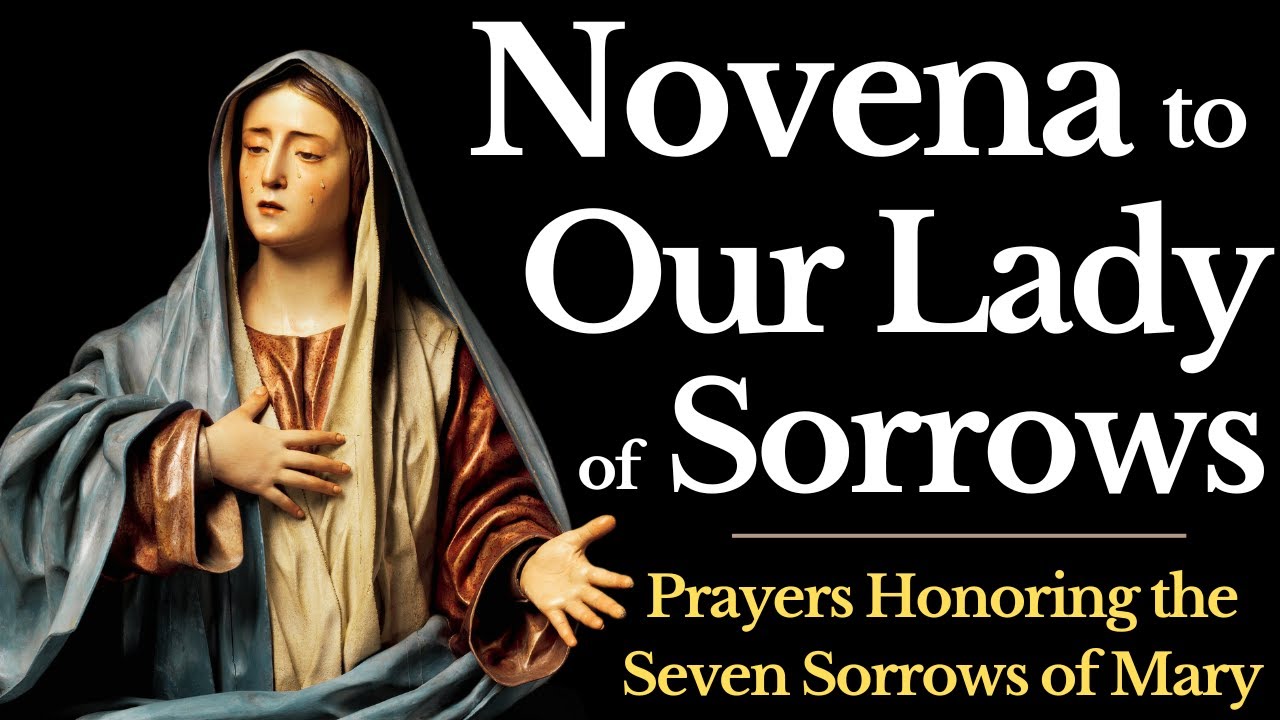
Prayer of Our Lady of Sorrows: meaning, history and how to pray
The prayer of our lady of sorrows is a heartfelt Christian devotion that reflects on Mary’s suffering as the mother of Jesus, especially during his Passion. Rooted in Scripture and tradition, it helps believers connect their own griefs and challenges to the compassion of Mary and the saving love of Christ. Whether you are new to Marian prayer or rediscovering it, the prayer of our lady of sorrows offers a gentle, structured way to bring pain, loss, and hope before God.
In this guide, you will learn what the devotion is, where it comes from, how to pray it step-by-step, and how to avoid common mistakes. You will also find short examples, practical tips, recommended resources, and answers to frequently asked questions—so you can pray with confidence and peace.
What is the prayer of our lady of sorrows?
At its heart, the prayer of our lady of sorrows is a meditation on seven major moments of suffering in Mary’s life, often called the Seven Sorrows or Seven Dolours. These biblical scenes invite us to contemplate how Mary stood near the Cross, persevered in faith amid anguish, and remained open to God’s will. The devotion aims to foster compassion, perseverance, and trust in God during difficult times. Many people find it particularly helpful when facing grief, anxiety, illness, conflict in family life, or the challenges of caring for others.
There are several forms the prayer can take. Some pray the Seven Sorrows Chaplet (a set of prayers on beads), others use the Stabat Mater hymn, and many choose a daily short prayer of our lady of sorrows to keep Mary’s faith-filled endurance close to heart. All these expressions share one goal: to unite our own suffering with Christ through the companionship and example of his mother.


Origins and significance of the devotion
The devotion is ancient. Over centuries, Christians contemplated Mary’s suffering through liturgy, hymnody, and art. The Servite Order (Order of Servants of Mary), founded in the 13th century, helped to spread formal devotions to the Sorrows. The liturgical Memorial of Our Lady of Sorrows falls on 15 September, the day after the Feast of the Exaltation of the Holy Cross. The prayer of our lady of sorrows connects the believer’s life to this sacred rhythm, reminding us that sorrow and love often meet at the Cross—and that hope rises from faithful endurance.
Meditating on Mary’s Seven Sorrows also encourages empathy. As we consider her fidelity, we learn to accompany others with patience and compassion. The devotion is not about dwelling morbidly on pain; rather, it helps us face suffering honestly, with grace and purpose, imitating Mary’s courage and trust.
The Seven Sorrows: a guide to meditation
Traditionally, the Seven Sorrows are:
- The Prophecy of Simeon (Luke 2:25–35)
- The Flight into Egypt (Matthew 2:13–15)
- The Loss of the Child Jesus in the Temple (Luke 2:41–52)
- Mary Meets Jesus on the Way to Calvary (traditional station)
- The Crucifixion and Death of Jesus (John 19:25–30)
- Mary Receives the Body of Jesus (Pietà) (Based on John 19:38–40)
- The Burial of Jesus (Luke 23:50–56)
Reflecting on these scenes during the prayer of our lady of sorrows helps us follow Mary’s journey—from prophetic warning to maternal heartbreak—while keeping our eyes on Christ. Each sorrow can be paired with a short reflection or Scripture verse. It is not necessary to be perfect or scholarly: the aim is an honest, attentive heart, willing to sit with Mary in her sorrows and let the Holy Spirit console and transform us.
How to pray the prayer of our lady of sorrows
You can pray this devotion in more than one way. Below are two common and accessible methods: the Seven Sorrows Chaplet (a longer, structured form) and a brief daily prayer of our lady of sorrows for those who are short on time.
Step-by-step for the Seven Sorrows Chaplet
If you have a specific Seven Sorrows chaplet, you will find groups of seven beads between medals or knots marking each sorrow. If not, you can still follow these steps using a regular rosary or simply counting on your fingers:
- Begin with the Sign of the Cross. Offer your intention—for example, for someone who is ill, for families in distress, for healing from grief, or for growth in compassion.
- Announce the First Sorrow (The Prophecy of Simeon). Spend a moment picturing the scene. Read or recall Luke 2:34–35, if you wish.
- Pray one Our Father and seven Hail Marys, slowly, while reflecting on that sorrow. At the end, you may add a short aspiration, such as, “O Mary, Mother of Sorrows, pray for us.”
- Repeat the pattern for each of the remaining sorrows: announce, meditate briefly, pray one Our Father and seven Hail Marys. Allow the rhythm of prayer to slow you down.
- Conclude with a closing prayer, such as: “O Mother of Sorrows, by your holy tears and steadfast love, lead us to your Son and strengthen our hope. Amen.” Finish with the Sign of the Cross.
Do not worry if your mind wanders. Gently return to the mystery. Over time, the prayer of our lady of sorrows deepens as you become more familiar with the scenes and the graces associated with them.
Short daily prayer of our lady of sorrows
On busy days, a short prayer can keep the devotion alive. Here is a simple example you can adapt:
“Mother of Sorrows, faithful at the Cross, be with me in my trials today. Teach me to trust God’s will and to love as Jesus loves. May your compassion guide my steps and bring healing where there is hurt. Amen.”
Prayed sincerely, even a brief daily prayer of our lady of sorrows can shape our reactions, soften resentments, and open us to God’s consolation.
When and why to use the prayer of our lady of sorrows
The devotion is appropriate whenever you seek comfort, courage, or clarity, but some moments are especially fitting:
- During illness or recovery, for yourself or a loved one.
- When supporting someone in grief, or when remembering a loved one who has died.
- In times of family stress, conflict, or separation.
- During Lent or on Fridays, as you reflect on the Passion.
- On or around 15 September, the Memorial of Our Lady of Sorrows.
Unlike purely private coping strategies, the prayer of our lady of sorrows is relational and Christ-centred. It invites you to share your pain with a mother who understands sorrow intimately, and to let her lead you to Jesus. Many people testify that this prayer brings a new steadiness to their hearts—less panic, more patience—especially when they persevere with it over time.
Basic concepts: key themes in the devotion
Several themes run through the devotion and shape how we pray:
- Compassion: The word literally means “to suffer with”. By praying the prayer of our lady of sorrows, we learn to be present to others in their pain without trying to control or fix everything.
- Perseverance: Mary did not run from the Cross. This devotion strengthens courageous endurance grounded in faith.
- Hope: Sorrow is real, but it does not have the last word. The Cross leads to the Resurrection; prayer nurtures hope that God is at work.
- Union with Christ: Mary’s sufferings are always united to Jesus. The prayer is not about Mary instead of Jesus but Mary with Jesus.
Examples you can use or adapt
While there is no single official text for the prayer of our lady of sorrows, these examples may help you get started:
A brief intercessory prayer
“Mother most sorrowful, stand beside all who mourn today. Console the sick, guard the lonely, and strengthen all caregivers. Teach us to love as you loved beneath the Cross. Amen.”
A reflection line for each sorrow
- After the Prophecy of Simeon: “Mary, help me receive difficult news with trust.”
- After the Flight into Egypt: “Mary, protect those forced to flee their homes.”
- After Finding in the Temple: “Mary, guide parents and children who feel lost or misunderstood.”
- On the Way of the Cross: “Mary, give courage to those walking hard paths today.”
- At the Crucifixion: “Mary, be near to all who suffer unjustly.”
- At the Pietà: “Mary, comfort those who cradle grief.”
- At the Burial: “Mary, grant us hope beyond the grave.”
Common mistakes and helpful tips
- Mistake: Treating the devotion as a box-ticking exercise. Tip: Slow down and choose quality over quantity. If pressed for time, say a short prayer of our lady of sorrows and return to the chaplet when you can.
- Mistake: Focusing only on sadness. Tip: Keep your gaze on Christ’s love and Mary’s courage. Sorrow is the doorway, not the destination.
- Mistake: Overcomplicating the method. Tip: The structure serves your heart, not vice versa. Use what helps and leave what distracts.
- Mistake: Praying alone only. Tip: Consider praying with a family member or a small group occasionally. Shared prayer can be very consoling.
- Mistake: Ignoring Scripture. Tip: Add a verse for each sorrow. God’s word deepens meditation and anchors your prayer.
Context across Christian traditions
While this devotion is especially prominent in the Catholic tradition, many Christians appreciate its scriptural focus on Mary’s participation in the mystery of the Cross. Understanding the variety within Christianity can also enrich your perspective; for a broader context on belief and practice, see this concise overview of the Eastern Orthodox Church, which also venerates Mary as Theotokos (God-bearer) and reflects deeply on the Cross and Resurrection.
If you are exploring angels and saints as companions in prayer, you may also be interested in this introductory article on who is Michael the Archangel. Seeing how Christians draw strength from the communion of saints can encourage a balanced and hopeful approach to devotions like the prayer of our lady of sorrows.
Recommended external resources
- Vatican Directory on Popular Piety and the Liturgy – official guidance on integrating devotions, including Marian practices, with the Church’s worship.
- New Advent: Our Lady of Sorrows – historical background and theological insights into the title and devotion.
- Wikipedia: Our Lady of Sorrows – a useful overview of history, feast day, and iconography connected to the devotion.
- EWTN: Seven Sorrows Rosary – practical steps and prayers for the chaplet.
Frequently asked questions about prayer of our lady of sorrows
Is the prayer of our lady of sorrows only for people who are grieving?
No. Although it is very consoling in times of grief, the devotion is for anyone seeking to grow in compassion, perseverance, and hope. Many pray it for family harmony, during illness, or simply to deepen their relationship with Christ and his mother.
How often should I pray the prayer of our lady of sorrows?
There is no strict rule. Some people pray the Seven Sorrows Chaplet weekly, others daily during a season such as Lent, and many keep a short daily prayer. Consistency matters more than frequency. Start small and build a rhythm you can sustain.
Do I need a special chaplet to pray the devotion?
A dedicated Seven Sorrows chaplet can be helpful but is not required. You can use a regular rosary or simply count on your fingers. The essential part of the prayer of our lady of sorrows is the meditation on the sorrows themselves, not the beads.
What if I struggle to feel anything while praying?
Feelings vary and are not a measure of the value of your prayer. Be patient, keep your focus on Christ and Mary, and gently bring your mind back when it wanders. Over time, the practice of the prayer of our lady of sorrows can still bear fruit—even if you feel dry.
Can I combine this devotion with other prayers?
Yes. Many combine it with Scripture reading, the Rosary, or a brief examen at the end of the day. If you pray the Liturgy of the Hours or attend Mass regularly, the devotion can harmonise with your existing spiritual routine.
Is there a best time of day for the prayer of our lady of sorrows?
Choose a time when you are least likely to be interrupted and can be attentive, even if only for a few minutes. Some prefer mornings for clarity, others evenings for reflection. Consistency will help you go deeper.
What makes this devotion different from the regular Rosary?
The regular Rosary focuses on twenty Gospel mysteries across Joyful, Luminous, Sorrowful, and Glorious sets. The prayer of our lady of sorrows narrows the focus to seven events highlighting Mary’s participation in Christ’s Passion. Both are complementary and can enrich each other.
Conclusion on prayer of our lady of sorrows
The prayer of our lady of sorrows is a gentle, steady path for anyone seeking deeper compassion, resilience, and hope in Christ. By meditating on Mary’s Seven Sorrows, we learn to face our own trials honestly, yet without despair. This devotion brings us alongside a mother who knows suffering and who never lost sight of God’s promise.
Whether you choose the full chaplet or a short daily prayer of our lady of sorrows, the key is a calm, faithful heart. Start simply, keep Scripture close, and let the rhythm of prayer form you over time. You may be surprised by the calm it brings—and by how it equips you to comfort others.
In the end, the prayer of our lady of sorrows is about love: Mary’s love for her Son, Christ’s love for the world, and the love that grows in us as we pray. If you are ready to carry your cross with greater courage, this devotion can be a trusted companion on the journey.
