Prayer to Cajetan: 7 essential keys in a practical, complete guide
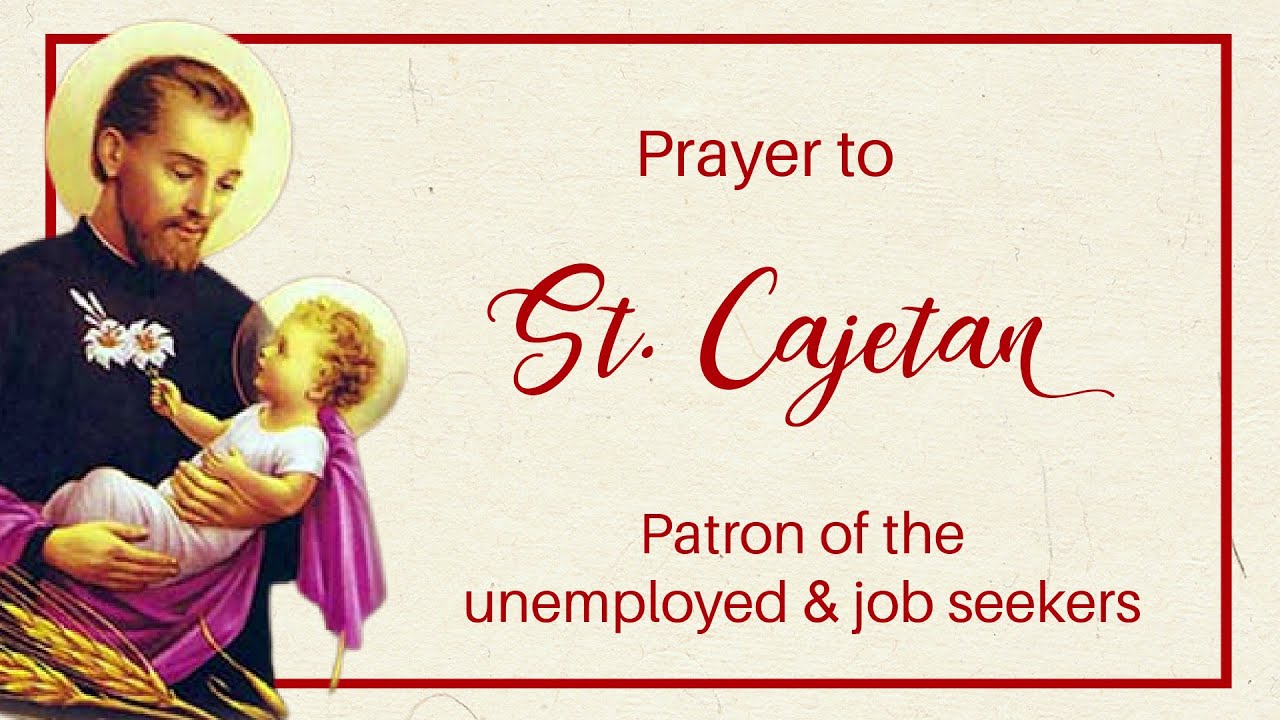
prayer to cajetan: meaning, history and how to pray
If you are navigating a job search, financial uncertainty, or simply longing for steadiness in your daily work, the prayer to cajetan can be a steady way to focus your heart and ask for help. Rooted in a long Christian tradition of intercession, this devotion invites you to seek the prayers of Saint Cajetan—patron saint of job seekers, the unemployed, and those in financial need—while also encouraging practical steps and renewed hope.
This guide explains what the prayer to cajetan is, why Saint Cajetan has become a companion for people seeking work and provision, and how to integrate this devotion into your life. You will find background, step-by-step ideas, sample texts to adapt, a novena structure, and common mistakes to avoid, all presented in clear, friendly language for adults who may be new to this form of prayer.
What is the prayer to cajetan?
At its simplest, the prayer to cajetan is an intercessory prayer—one in which you ask Saint Cajetan to join his prayers to yours before God. Many people use it when they are searching for employment, facing financial hardship, launching a small business, choosing a profession, or supporting loved ones in similar circumstances. Others pray it as a daily practice to keep work, money, and vocation in a healthy spiritual perspective.
Cajetan—known in Italian as Gaetano dei Conti di Thiene—was a Catholic priest and reformer who co-founded the Theatine Order, encouraging trust in Divine Providence and ethical renewal in church life. He became associated with practical charity and wise stewardship. Over time, believers recognised him as a helpful intercessor in matters of livelihood and stability. You can read a concise background in the biography of Saint Cajetan on Wikipedia, and explore the order he founded in the history of the Theatine Order.


Who was Saint Cajetan?
Saint Cajetan of Thiene (1480–1547) was born in Vicenza, in northern Italy. Trained in law, he worked in papal administration before discerning a call to the priesthood. Ordained in 1516, he later co-founded the Congregation of Clerics Regular—the Theatines—in 1524 with Gian Pietro Carafa (who later became Pope Paul IV). The Theatines emphasised personal holiness, reform, and service, encouraging priests and lay people to trust God’s care without becoming careless about responsibility.
Cajetan’s life combined deep prayer with practical compassion; he supported hospitals and works of mercy, and he promoted integrity in finances and work. He died in Naples in 1547, and his feast day is celebrated on 7 August. Over the centuries, devotion to him grew among workers, job seekers, and anyone seeking to align their livelihood with their faith. These roots explain why the prayer to cajetan feels both grounded and hopeful: it calls on a saint who held together spiritual trust and real-world action.
When might the prayer to cajetan be right for you?
People turn to this devotion in many situations. You might find the prayer to cajetan especially helpful if you are:
- Looking for a job, promotion, or a change of career path.
- Preparing for interviews or trial shifts and feeling anxious.
- Facing financial stress, debt, or irregular income.
- Launching a business or trade and needing prudence and courage.
- Discerning studies, training, or a vocational direction.
- Supporting a partner, friend, or adult child who is unemployed.
- Wanting to place your work life under God’s care and seek balance.
Because it is short, focused, and flexible, the prayer to cajetan can be offered daily, used during a novena (nine days of focused prayer), or said at moments of particular need—before a job interview, when paying bills, or when making a difficult work decision.
How to pray the prayer to cajetan step by step
There is no single “official” way to pray this devotion. The outline below offers a clear and respectful approach that many adults find practical. You can adapt it to your tradition and comfort level.
- Settle yourself. Find a quiet moment, sit comfortably, and breathe slowly. Bring your attention into the present.
- Begin with reverence. You might start with the Sign of the Cross (if that is your custom) or a brief moment of silence, acknowledging God’s presence.
- State your intention. Name your need honestly: “I am seeking steady work,” “I need wisdom for a financial decision,” or “Help me to interview with clarity and calm.”
- Ask Saint Cajetan’s intercession. This is the heart of the prayer to cajetan: “Saint Cajetan, please pray for me.” Remember, this is a request for his prayers—not worship of him.
- Use a set prayer or your own words. Read one of the sample prayers below, or speak from the heart. Keep it simple and sincere.
- Commit to action. Offer a practical promise: “Tomorrow I will update my CV,” “I will contact two recruiters,” or “I will draw up a budget tonight.”
- Close with gratitude. Thank God for listening and Saint Cajetan for his intercession. Many end with the Our Father, Hail Mary, or Glory Be.
- Keep a record. Note your intention and any steps taken. This helps you see progress and stay consistent.
A simple daily prayer to cajetan
“God of providence, you care for every person and provide what we truly need. Through the prayers of Saint Cajetan, help me to trust you in my work and finances. Guide my choices, calm my fears, and open the right doors at the right time. Saint Cajetan, patron of job seekers, please pray for me today. Amen.”
Use this brief prayer to cajetan at the start of your morning or before key tasks. Adjust the words to fit your situation and tradition.
A prayer to cajetan for work and provision
“Lord, you know my skills, hopes, and responsibilities. In your goodness, provide honest work that suits my abilities and serves others. Through the intercession of Saint Cajetan, grant clarity for applications, favour in interviews, and perseverance in setbacks. Help me to act wisely, live gratefully, and use any income for good. Saint Cajetan, pray for me and for all who are seeking employment. Amen.”
The novena: a structured prayer to cajetan over nine days
A novena is a focused prayer offered for nine consecutive days. Many people find a novena helpful because it gives shape, steadiness, and accountability to their devotion. You can learn more about the tradition in this overview of the novena practice. A novena-style prayer to cajetan might look like this:
- Choose your start date (for example, nine days before 7 August, Cajetan’s feast day, or simply the next available day).
- Set a daily time you can keep consistently—morning or evening.
- Begin with silence, state your intention clearly, and pray one of the sample prayers above.
- Add a brief reading (such as a psalm about trust, e.g., Psalm 23 or Psalm 37) and a moment of reflection.
- Close with a traditional prayer (Our Father, Hail Mary, Glory Be) and a practical commitment for the next day (e.g., submit two applications, call one mentor).
- On the final day, include a short thanksgiving for graces received, even if the specific outcome is still pending.
To focus each day, you could adopt themes. For example: Day 1—Trust in Providence; Day 2—Clarity of direction; Day 3—Courage to apply; Day 4—Favour in interviews; Day 5—Right employer fit; Day 6—Financial prudence; Day 7—Patience in waiting; Day 8—Perseverance; Day 9—Gratitude and generosity. This makes the prayer to cajetan concrete and balanced—spiritual, practical, and reflective.
Combining the prayer to cajetan with practical action
Devotion and effort belong together. Saint Cajetan’s example suggests trusting God while acting responsibly. Consider pairing your prayer to cajetan with steps like these:
- Refresh your CV or portfolio and tailor it to each role.
- Contact recruiters, mentors, or former colleagues to let them know you are seeking work.
- Review your budget; reduce non-essentials for a season and prioritise necessary costs.
- Consider short courses or certifications that sharpen your skills.
- Volunteer strategically to keep skills active and expand your network.
- Use a simple weekly plan: three job applications, two follow-ups, one new contact.
If you are exploring the wider Christian landscape of devotion and intercession, you may find it helpful to read about devotion to Michael the Archangel, another beloved intercessor for protection and courage. And while veneration of Saint Cajetan belongs chiefly to Catholic tradition, many Christian communities honour saints; for perspective on this, see an introduction to veneration in the Eastern Orthodox Church, where saints are also respected as companions in prayer.
For those who enjoy learning about the people behind devotions, the Catholic Online profile of St. Cajetan offers a readable overview of his life, his reforming work, and why he is called upon in matters of work and financial need.
Realistic expectations and the prayer to cajetan
It is important to approach this devotion with hope, humility, and realism. Prayer is not a transaction or a guarantee of a particular outcome by a specific date. Rather, the prayer to cajetan invites you into a relationship of trust with God, supported by the saint’s intercession, while you continue to take sensible steps. Many people find that their anxiety eases, their focus improves, and unexpected openings appear—even if the path is not linear.
Sometimes the answer comes as a clear “yes” to a role. At other times, it looks like a closed door that saves you from a poor fit, or it invites you to broaden your search. Remember to notice small graces: a helpful conversation, an encouraging email, a new idea, or a quiet sense of peace. These are signs that your efforts and your prayer are moving together.
Common mistakes to avoid with the prayer to cajetan
- Treating prayer as a quick fix. Devotion is not magic; it makes you receptive to grace and more attentive to wise opportunities.
- Keeping intentions vague. Name your needs specifically: type of work, schedule, location, income range, or training goal.
- Neglecting action. Don’t stop at asking; pair the prayer to cajetan with applications, networking, and financial prudence.
- Forgetting gratitude. Even before the outcome, thank God and Saint Cajetan for help already received.
- Isolating yourself. Share your intention with a trusted friend, mentor, or community who can encourage you.
- Over-optimising the words. The effectiveness of prayer does not depend on perfect phrasing; sincerity matters more than style.
Recommended external resources
- Biography of Saint Cajetan (Wikipedia) – concise background and historical context.
- Catholic Online profile of St. Cajetan – accessible overview, prayers, and patronage.
- History of the Theatine Order – learn about the congregation Cajetan co-founded.
- What is a novena? – background on nine-day prayer practices across Christian traditions.
Related articles
- Who Michael the Archangel is and why people pray for protection
- How the Eastern Orthodox Church understands saints and devotion
Frequently asked questions about prayer to cajetan
Is it appropriate for non-Catholics to use this devotion?
Yes. Anyone can respectfully ask for a saint’s prayers if they find it helpful. The prayer to cajetan is a request for intercession before God, not an act of worship directed to the saint. If you are not comfortable addressing a saint directly, you could simply ask God to grant you the graces associated with Saint Cajetan’s patronage and to guide your work and decisions.
Is praying to a saint idolatry?
No. In Christian teaching (especially within Catholic and many historic traditions), worship is due to God alone. Asking a saint to “pray for us” is akin to asking a friend to pray—except that saints are seen as already living in God’s presence. The prayer to cajetan is therefore understood as intercession, not worship. If you prefer, you can phrase your prayer as “Lord, through the prayers of Saint Cajetan, help me…”
When is the best time to pray this devotion?
Any time is suitable. Some people like to begin a nine-day novena ahead of 7 August (Saint Cajetan’s feast day), while others use the prayer to cajetan each morning as part of their routine, or just before job-related tasks such as applications and interviews. Consistency is more important than timing. Choose a time you can keep and let the practice settle your heart.
