Prayer to holy mary mother of god: essential, practical guide – 3 keys

prayer to holy mary mother of god
The prayer to holy mary mother of god, widely known as the Hail Mary, is one of the most familiar Christian prayers in the world. Whether prayed on its own, within the Rosary, or quietly in moments of need, it connects believers to the life of Christ through his mother, Mary. For centuries, the prayer to holy mary mother of god has anchored personal devotion and community worship, guiding people to ask for help, to give thanks, and to dwell on the mysteries of faith with a calm and trusting heart.
This article explains what the prayer is, where it comes from, why it matters, and how to pray it meaningfully today. We will look at its words and variations, the theology behind them, practical steps for daily life, and common mistakes to avoid—so you can approach this cherished prayer with confidence and understanding.
What is the prayer to holy mary mother of god?
At its simplest, the prayer to holy mary mother of god is a way of asking Mary—the mother of Jesus, honoured as Theotokos (“God-bearer”)—to intercede for us. While the words vary slightly across Christian traditions, the heart of the prayer is constant: it greets Mary with biblical language from Luke’s Gospel (“Hail, full of grace” and “Blessed are you among women”) and then asks for her prayers “now and at the hour of our death”. This is not worship of Mary; rather, it is veneration and a request for her to pray with and for us as a trusted spiritual mother, always pointing us to her Son.
In many churches, especially Catholic and Eastern Orthodox communities, the prayer is used daily and woven into meditative practices like the Rosary. It is also common in personal prayer at home, during hospital visits, at funerals, and in quiet moments when we need words that steady us. Because it is simple to remember, deeply scriptural, and rich in meaning, it remains a faithful companion throughout life’s joys and sorrows.
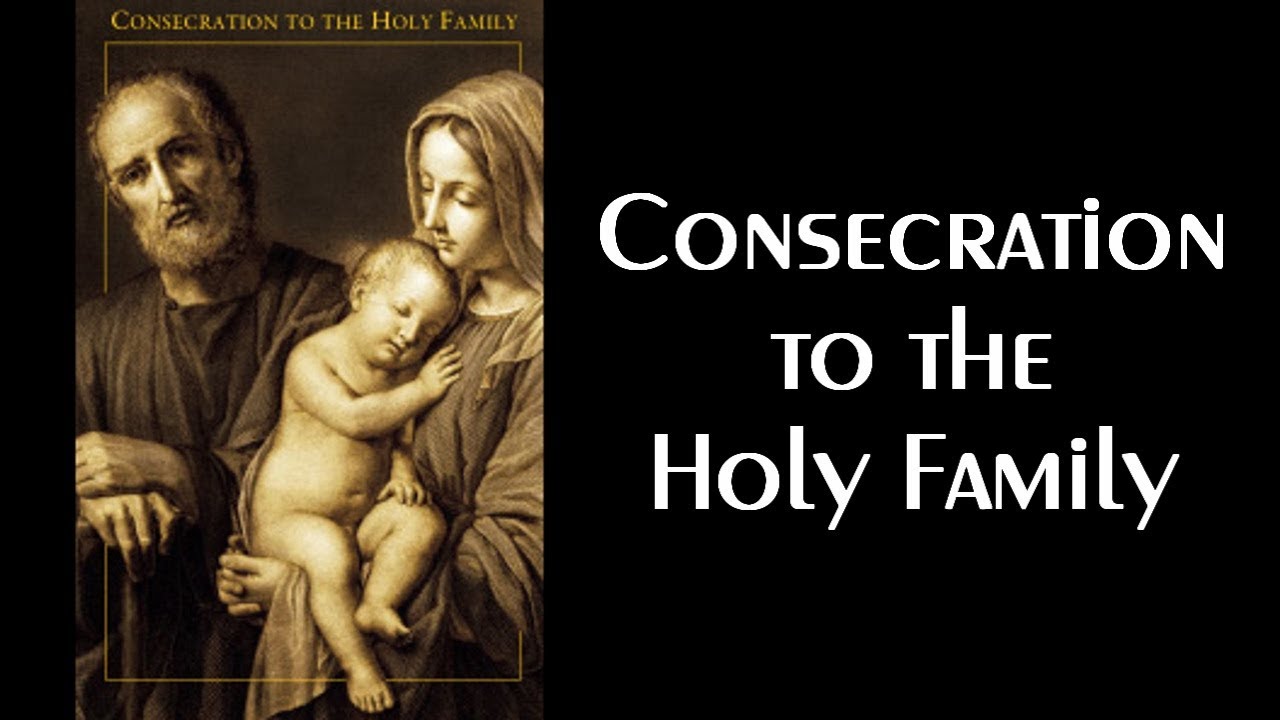
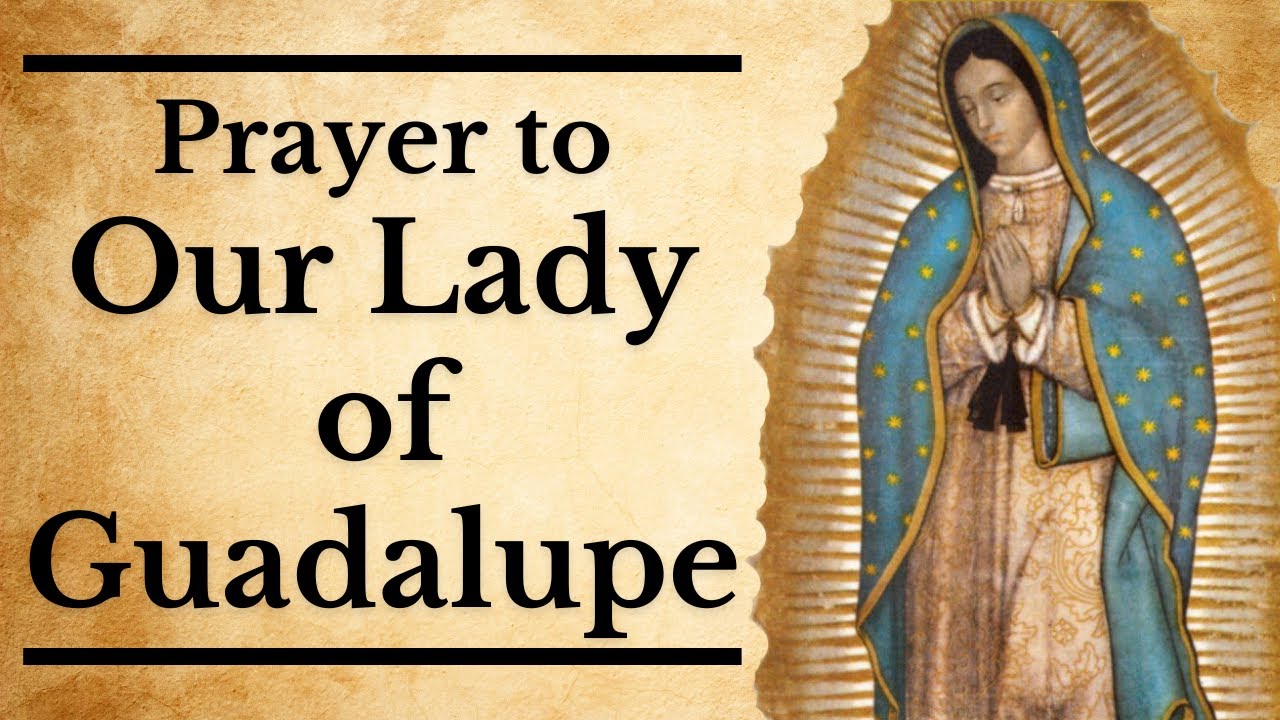
Why people turn to this prayer today
People find strength in the prayer to holy mary mother of god because it is both tender and robust. It holds together themes of comfort, humility, and hope, while keeping Christ at the centre. In our hurried and often anxious age, its steady rhythm can be a welcome antidote: a short, clear way to re-focus on God’s presence and to ask for help with life’s real pressures—family needs, health concerns, work stress, grief, and moral struggles. For many, it also offers a sense of belonging to something larger—rooted in Scripture, carried by saints across centuries, and prayed by millions around the world today.
Core texts and living variations of the prayer to holy mary mother of god
The Hail Mary: the best-known form
The most familiar wording of the prayer to holy mary mother of god is the Hail Mary. Its first half largely quotes Scripture (Luke 1:28 and 1:42), and the second half is the Church’s petition for Mary’s intercession. You can find a widely used English text and short explanation on the United States Conference of Catholic Bishops’ page for the Hail Mary. For an accessible background overview, see the Encyclopaedia Britannica entry on the Hail Mary.
In everyday devotion, the prayer is often repeated in decades of ten within the Rosary. Its repetition is not meant to be mechanical; rather, it sets a calm pace for pondering key events (mysteries) in the life of Jesus. Each Hail Mary becomes a bead of attention and love—simple words that gather a world of intention.
Orthodox titles and hymns to the Theotokos
In the Eastern Orthodox tradition, Mary is frequently addressed as Theotokos, meaning “God-bearer” or “Mother of God”. Hymns such as “Rejoice, O Virgin Theotokos” and “It Is Truly Meet” express the same core themes: honour, gratitude, and a plea for intercession. The title Theotokos is not about elevating Mary above Christ; it safeguards the belief that Jesus is fully God and fully human. You can read more background on the title in this overview of the Theotokos, and its historical affirmation at the Council of Ephesus (AD 431). In this setting, prayer to holy mary mother of god is an everyday expression of the Church’s faith in who Christ is.
The Rosary: a meditative structure
The Rosary interlaces the Our Father with the Hail Mary and the Glory Be, creating a decades-long rhythm that guides contemplation of Christ’s life—from the Annunciation to the Resurrection and beyond. Because the Rosary spreads the prayer to holy mary mother of god across each decade, it gently trains the heart to hold Scripture and intention together. If you would like a concise introduction to the Rosary’s history and practice, this Britannica article on the Rosary is helpful for orientation.
How to pray step by step
If you are new to the prayer to holy mary mother of god, start simply. You do not need a rosary or a particular place—only a sincere heart and a few moments of quiet. The aim is not to perform perfectly but to become present to God with Mary’s help.
- Find a moment of stillness: sit or stand comfortably, breathe gently, and bring to mind God’s loving presence.
- Set an intention: name your reason for praying—gratitude, help for someone, forgiveness, clarity, or simply to be with God.
- Pray the words thoughtfully: speak them slowly, allowing key phrases to land—“full of grace”, “blessed”, “pray for us”.
- Repeat if you wish: a short repetition can deepen focus; a decade of the Rosary is a good place to begin.
- Close with trust: end with a simple “Amen”, placing yourself and your loved ones confidently in God’s hands.
Many people like to pair the prayer to holy mary mother of god with Scripture—perhaps reading Luke 1:26–56 before or after. Others light a candle, hold a rosary, or sit by a favourite window. What matters is attention and intention. Let the words do their gentle work.
Key themes behind the words
“Hail, full of grace”: scriptural roots
The opening of the Hail Mary echoes the angel Gabriel’s greeting to Mary (Luke 1:28) and Elizabeth’s blessing (Luke 1:42). Praying these words reconnects us to God’s initiative: grace begins with God’s approach and Mary’s humble “yes”. The greeting is not flattery; it recognises God’s gift in Mary’s life, and by extension in ours. As we pray, we learn to notice grace and to respond freely.
“Mother of God” (Theotokos): Christ at the centre
Calling Mary “Mother of God” guards the truth about Jesus: he is truly God and truly human from the first moment of his earthly life. The title does not make Mary divine; it safeguards Christ’s divinity. Because of this, the prayer to holy mary mother of god is fundamentally Christ-focused. In Eastern Christian tradition, this Christ-centred belief is beautifully held within a living Church. For a wider context, you might appreciate this overview of the Eastern Orthodox Church, which highlights the continuity of faith and devotion across centuries.
“Pray for us sinners”: intercession and communion
Asking Mary to “pray for us” belongs to the wider Christian practice of intercession. Just as we ask friends or family to pray for us, we also ask those who have run the race of faith ahead of us—the saints—to intercede. In this sense, the prayer to holy mary mother of god rests on the belief that love endures beyond death and that the Church is truly one family in Christ. If you are curious about how Christians also speak of angelic intercession, you may find it helpful to read more about who is Michael the Archangel and the role of angels in the biblical story.
Fruits you may notice
Practised with attention and love, the prayer to holy mary mother of god can foster a number of spiritual fruits. People often report a steadier heart in times of anxiety, increased compassion for others, a gentler awareness of one’s own faults, and renewed trust in God’s providence. Because the prayer is simple and rooted in Scripture, it offers a reliable way to keep Christ’s life close to your own—especially when words are hard to find.
Common mistakes to avoid
- Confusing veneration with worship: Honour given to Mary is distinct from worship, which belongs to God alone. The prayer to holy mary mother of god always points to Christ.
- Rushing the words: When repeated quickly, the prayer can become mechanical. Slow down and listen to the meaning you are speaking.
- Forgetting Scripture: The first half of the Hail Mary is biblical. Reading Luke 1 alongside the prayer deepens understanding.
- Neglecting intention: A brief intention—“for my friend’s healing”, “for patience at work”—focuses the heart and prevents distraction.
- Expecting instant results: Prayer is not magic. Perseverance, humility, and openness to God’s timing are essential.
Practical examples and intentions
Here are ways people commonly use the prayer to holy mary mother of god in daily life:
- Morning trust: “Holy Mary, Mother of God, pray for us” at the start of a busy day, asking for peace and wise decisions.
- Family care: A decade of the Rosary for a sick relative, or a single Hail Mary before phoning someone who is struggling.
- Work and study: Pausing before a meeting or exam to seek focus and calm.
- Repentance and healing: Pairing the prayer with a sincere examination of conscience, asking for courage to make amends.
- Gratitude: Ending the day with thanks for small blessings, letting the prayer gather your gratitude into God’s hands.
These simple practices keep the prayer close to the rhythm of ordinary life, where God so often meets us quietly and faithfully.
Recommended external resources
- Official text and brief guide to the Hail Mary (USCCB)
- Encyclopaedia Britannica overview of the Hail Mary
- Concise history and structure of the Rosary (Britannica)
- Background on the title Theotokos and its theological significance
Frequently asked questions about prayer to holy mary mother of god
Is praying to Mary the same as worshipping her?
No. Christian tradition distinguishes between worship (due to God alone) and veneration (honour given to saints). The prayer to holy mary mother of god is a request for intercession—asking Mary to pray with and for us—while worship remains directed to God. This practice reflects the communion of saints and keeps Christ at the centre.
Where in the Bible does the Hail Mary come from?
The first half quotes Luke’s Gospel: the angel Gabriel’s greeting (Luke 1:28) and Elizabeth’s blessing (Luke 1:42). The second half is the Church’s petition, developed over time, asking Mary to “pray for us”. As such, the prayer to holy mary mother of god is both scriptural and ecclesial—rooted in the Bible and lived in the community of faith.
Can I pray this even if I’m not Catholic?
Yes. Many Christians outside the Catholic Church—especially in the Eastern Orthodox tradition—use forms of Marian prayer that honour Mary as Theotokos. If you are exploring, start gently: read Luke 1, pray
