Prayer to mary of mount carmel: essential, practical 5-step guide
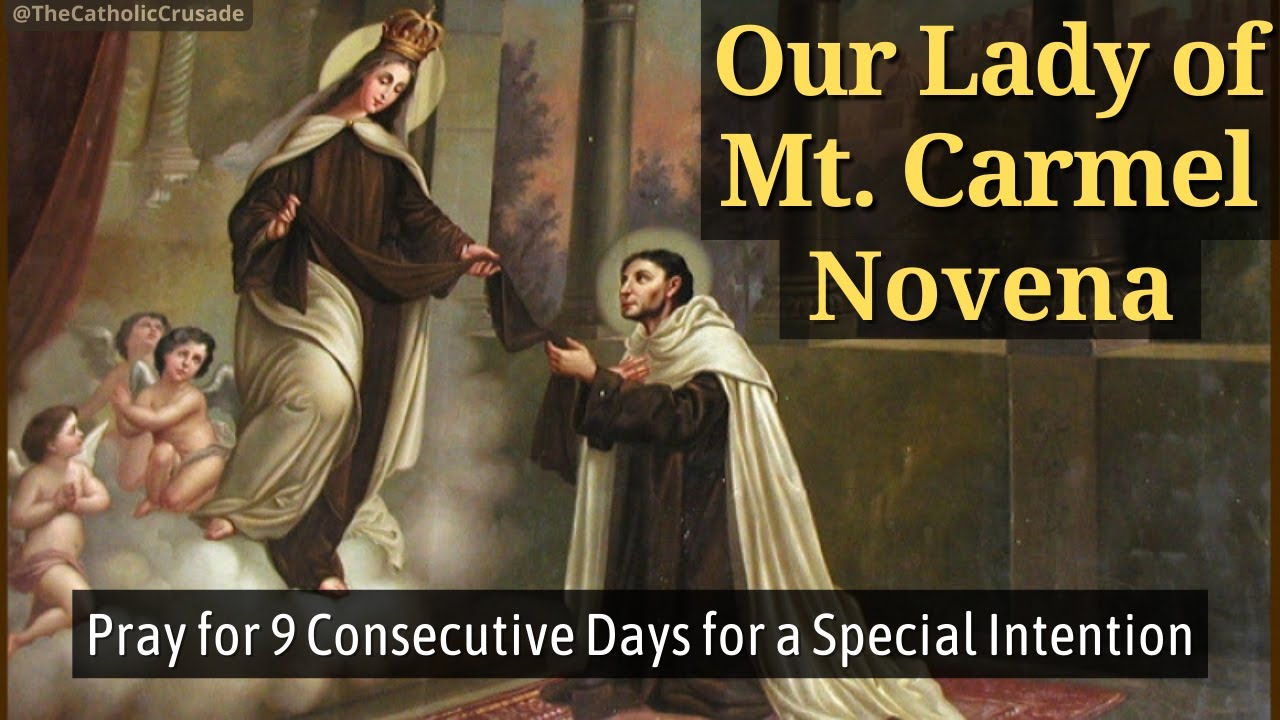
Prayer to mary of mount carmel: meaning, history, and how to pray it today
The prayer to mary of mount carmel is a beloved Christian devotion that turns to Mary under the title Our Lady of Mount Carmel, asking for her help to grow closer to Christ. Rooted in the Carmelite tradition, it blends simple, heartfelt petitions with a deep call to contemplation. Whether you are looking for words to say during a quiet moment at home, preparing for the feast on 16 July, or exploring traditional devotions such as the Brown Scapular, this guide explains what the prayer means, how it developed, and how to practise it with confidence and peace.
In the following sections you will find the background and symbolism of this devotion, step-by-step guidance for praying it, classic texts (including “Flos Carmeli”), practical tips, and common mistakes to avoid. Above all, the prayer to mary of mount carmel invites us to trust in God’s mercy, seek Mary’s intercession, and allow our hearts to be shaped by the Gospel.
What is the prayer to mary of mount carmel?
In simple terms, the prayer to mary of mount carmel is any prayer that addresses Mary as the patroness of the Carmelite Order, asking her to intercede for us and to lead us into deeper union with Jesus. There is no single mandatory text. Instead, the devotion is expressed in a family of prayers: short invocations, the hymn “Flos Carmeli” (Flower of Carmel), novenas leading up to the July feast day, and prayers associated with the Brown Scapular. Many Christians use these prayers during times of decision, distress, thanksgiving, or daily quiet, trusting that Mary, as Mother of the Lord, prays for them.
Importantly, these are prayers of intercession and discipleship, not magic formulas. In the Carmelite spirit, to pray to Mary is to ask her to help us listen to the Word of God, live with faith, hope, and charity, and persevere in prayer, especially in silence and simplicity.

Origins and meaning: a brief history
The title “Our Lady of Mount Carmel” points back to Mount Carmel in the Holy Land, associated with the Prophet Elijah (1 Kings 18) and a tradition of prayer on that mountain. In the 12th and 13th centuries, hermits living on Carmel dedicated an oratory to the Blessed Virgin Mary. As the Carmelite Order developed in Europe, devotion to Mary under this title grew. The hymn “Flos Carmeli” became a cherished Carmelite prayer, and the Brown Scapular emerged as a sign of Marian protection and a call to follow Christ with the simplicity and contemplation that characterise Carmelite spirituality.
Today, the feast of Our Lady of Mount Carmel (16 July) is celebrated widely. The devotion has spread far beyond the Order itself, reaching lay people and parish groups. While some stories around the scapular have been told in different ways over the centuries, the heart of the devotion is clear: to be clothed with Christ, to live the Gospel faithfully, and to entrust ourselves to Mary’s maternal care. For historical overviews and context, see the Our Lady of Mount Carmel article on Wikipedia and the Order of Carmelites’ official page on Our Lady of Mount Carmel.
How to pray the prayer to mary of mount carmel step by step
You can pray the prayer to mary of mount carmel in many ways. The following simple structure works well for daily prayer, during a novena, or on the feast day.
- Find a quiet space. Take a few slow breaths. If you use a crucifix, an image of Mary of Mount Carmel, or your Brown Scapular, place it before you to focus your mind and heart.
- Begin with the Sign of the Cross. If this is part of your tradition, it frames the prayer as an act of faith and worship of the Holy Trinity.
- State your intention. In a sentence or two, tell God what you are praying for—guidance, healing, gratitude, or help for someone in need.
- Pray a set text or speak from the heart. You might use a traditional text such as “Flos Carmeli” or a short invocation (see below), or simply talk to Mary as a mother who listens and intercedes.
- Listen in silence. A hallmark of Carmelite prayer is quiet attention to God. Sit for a minute or two, repeating a simple phrase such as “Jesus, I trust in you” or “Mary, lead me to your Son.”
- Turn to Scripture. If time allows, read a few verses, for example Luke 1:46–55 (the Magnificat) or a passage about Elijah on Mount Carmel (1 Kings 18). Ask Mary to help you live what you read.
- Close with thanksgiving. Thank God for His presence and Mary for her intercession. End with the Sign of the Cross (if appropriate) and carry the peace of prayer into your day.
As you repeat the prayer to mary of mount carmel over days and weeks, let it shape your habits: patience in difficulties, charity in conversation, and hope in God’s timing.
Texts you can use for the prayer to mary of mount carmel
1) A short daily invocation
“Our Lady of Mount Carmel, mother and guide, draw me to your Son. In my worries and work today, teach me to listen, to love, and to trust. Mary of Mount Carmel, pray for me.”
2) “Flos Carmeli” (Flower of Carmel)
There are several English translations. One widely used version reads:
Flower of Carmel, tall vine blossom-laden;
Splendour of heaven, child-bearing yet maiden,
None equals thee.
Mother so tender, whom no man didst know,
On Carmel’s children thy favours bestow,
Star of the Sea!
Strong stem of Jesse, who bore one bright flower,
Be ever near us and guard us each hour,
Who serve thee here.
Purest of lilies, that flowers among thorns,
Bring help to the true heart that in weakness turns
And trusts in thee.
Queenly and gentle, O Mother so mild,
Who to the Order art gracious and kind,
Help us each day.
You can pray “Flos Carmeli” on feast days, during a novena, or whenever you want to rest in God’s care under Mary’s mantle.
3) A simple novena prayer (9 days)
A novena is nine days of focused prayer. You might pray the following each day:
“O Beautiful Flower of Carmel, most fruitful vine, splendour of heaven, holy and singular, who brought forth the Son of God, still ever remaining a pure virgin, assist me in this my necessity. O Star of the Sea, help and protect me! Show me that you are my Mother. Our Lady of Mount Carmel, I place my trust in you. Intercede for me with your Son, that I may do His will in all things. Amen.”
After this, add your personal intention, then an Our Father, Hail Mary, and Glory Be (if that is your custom). Many people begin a novena to Our Lady of Mount Carmel on 7 July, ending on the feast day (16 July), but you can pray a novena at any time of year.
4) A prayer in difficult times
“Mary of Mount Carmel, you stood by the Cross with steadfast love. Be with me now in my trial. Ask your Son to give me courage, to heal what is wounded, and to bring good from all that I face. Teach me to wait in hope and to keep my eyes on Jesus. Amen.”
When and why people pray it
Christians pray the prayer to mary of mount carmel in many situations: when discerning a decision, during illness or family worries, for safe travel, or to thank God for blessings received. It is especially popular on Saturdays (traditionally dedicated to Mary), during July, and on the feast of Our Lady of Mount Carmel. Those who wear the Brown Scapular may say a short prayer each day as a reminder to live their baptismal promises faithfully.
Beyond times of particular need, this prayer strengthens ordinary discipleship. By asking Mary’s intercession, we are encouraged to imitate her virtues—humility, attentiveness to God’s word, and care for others.
Key themes and symbols in the devotion
- The mantle: A sign of protection and welcome. To be “under Mary’s mantle” is to let her motherly care surround us.
- The Brown Scapular: A small, simple garment linked to Carmelite spirituality. It is a sacramental, not a charm; it reminds the wearer to live as a disciple of Jesus in everyday life.
- Elijah on Mount Carmel: Elijah’s fidelity to the one true God inspires Carmelites to practise prayer and courage. Devotees often meditate on Elijah’s story as part of the broader Carmelite heritage.
- Contemplation in the midst of life: The Carmelite path links inner silence with outward charity. The prayer to mary of mount carmel leads to both.
Benefits and spiritual fruits
The deepest “result” of the prayer to mary of mount carmel is a gradual change of heart. Over time, many people notice greater peace, trust in God’s providence, and readiness to act with compassion. Because this prayer is centred on Christ—through Mary’s intercession—it helps us remember that God is near, even when feelings fluctuate.
Some also find renewed motivation to practise the virtues associated with Mary: patience with family, courage in hardship, and generosity with time and attention. These fruits are the quiet, steady signs that prayer is taking root.
Common mistakes to avoid
- Treating the scapular or words as a charm. The scapular and the prayer to mary of mount carmel are invitations to live the Gospel, not guarantees of favours on demand.
- Rushing. Even a short prayer benefits from a few moments of silence. Allow a little space to breathe and listen.
- Separating prayer from life. Let your prayer shape your choices—how you speak, forgive, spend, and serve.
- Overcomplicating it. Beautiful as long texts are, a sincere, simple request can be equally powerful.
Tips for deepening your devotion
- Pair prayer with Scripture. Consider Luke 1–2, John 2 (the wedding at Cana), and 1 Kings 18. Let Mary “accompany” your reading.
- Learn from Carmelite saints. St Teresa of Ávila, St John of the Cross, and St Thérèse of Lisieux model prayerful trust and love in daily life.
- Keep a prayer journal. Jot brief notes after praying the prayer to mary of mount carmel—intentions, insights, and gratitudes.
- Integrate with parish life. Join a novena, attend Mass on the feast day, or ask about enrolling in the Brown Scapular if you feel called.
The prayer to mary of mount carmel within the wider Christian family
While this devotion is strongly connected to the Carmelite family within the Catholic Church, many Christians appreciate its focus on Scripture, contemplation, and discipleship. For context on Christian traditions that honour Mary while emphasising prayer to the Triune God, you might read this overview of the Eastern Orthodox Church. Likewise, learning about other widely loved devotions—such as those to Michael the Archangel—can enrich your understanding of how prayer to the saints and angels always points back to Christ.
Examples: ways to integrate it into daily life
- Morning: Say the short invocation before checking your phone. Offer your workday through Mary’s hands.
- Commute: Pray one verse of “Flos Carmeli” and a Hail Mary while walking or on the bus.
- Evening: Read a Gospel passage. Sit in silence for two minutes. Close with the prayer to mary of mount carmel.
- Weekly: Set aside one evening for a longer time of prayer, including Scripture, silence, and intercession for others.
- Monthly: Choose one virtue of Mary (e.g., patience, generosity) and focus your efforts there.
Further reading and historical background
If you appreciate history and balanced reference material, consider the Encyclopaedia Britannica entry on Our Lady of Mount Carmel for a concise overview, and the Order of Carmelites’ official article for insights into Carmelite spirituality and tradition. For a classic theological perspective, the New Advent Catholic Encyclopedia on Our Lady of Mount Carmel offers historical notes and devotional context.
