Prayer to mary of the miraculous medal: essential guide, 5 key steps
prayer to mary of the miraculous medal
The prayer to mary of the miraculous medal is a simple, heartfelt invocation that many Catholics and other Christians use to ask for Mary’s intercession and to draw closer to Jesus Christ. Centred on a short phrase revealed in 1830 during apparitions to Saint Catherine Labouré in Paris, it has become a beloved way to express trust in God’s mercy and protection. Whether you are deepening an established devotion or discovering it for the first time, this guide will help you understand the origins, meaning, and everyday practice of the prayer to mary of the miraculous medal.
Alongside history and theology, you will find practical suggestions for praying with the medal, clear examples of how to begin, and gentle cautions to avoid common misunderstandings. Used thoughtfully, the prayer to mary of the miraculous medal can enrich your spiritual life, reminding you that Mary always leads believers to her Son.
What is the prayer to mary of the miraculous medal?
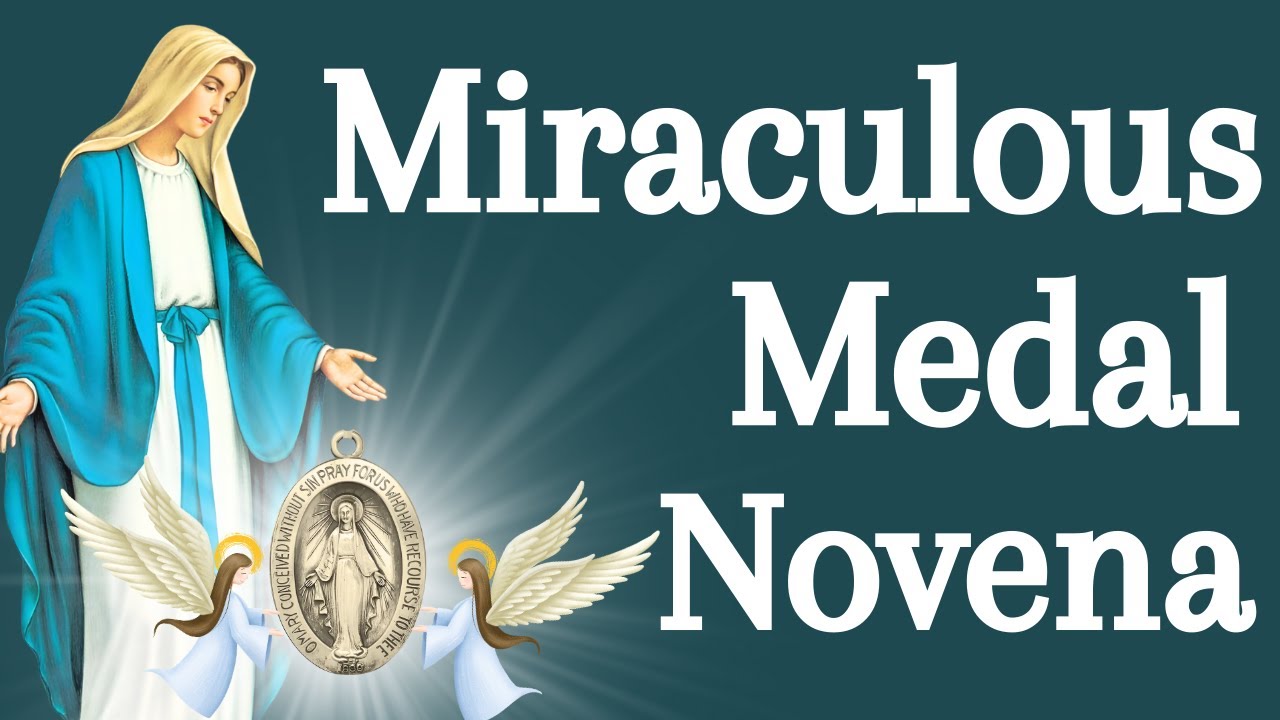
At its heart, the prayer to mary of the miraculous medal is the short invocation traditionally inscribed around the front of the medal: “O Mary, conceived without sin, pray for us who have recourse to thee.” This line captures two essential ideas. First, it honours the Immaculate Conception—Mary’s unique grace of being preserved from original sin. Secondly, it asks her to intercede for those who turn to her, trusting that a mother’s prayer leads us to Christ.
The medal itself emerged from apparitions in 1830 to Saint Catherine Labouré, a Daughter of Charity in Paris. Mary asked that a medal be struck with a specific design and promised great graces for those who wore it with faith. When the medal quickly spread and numerous favours and conversions were reported, people began to call it the “Miraculous Medal.” Today, the invocation remains the core prayer to mary of the miraculous medal, often repeated individually, used in a novena, or prayed communally in parishes around the world.


Origins in 1830 Paris
Saint Catherine Labouré described three visits from Our Lady at the motherhouse on the Rue du Bac in Paris. During one apparition, she saw Mary standing upon a globe, rays of light flowing from rings on her fingers—symbolising the graces God gives through her intercession. A serpent lay beneath her feet, signifying Mary’s share in Christ’s victory over evil. Around this image were the words that became the prayer to mary of the miraculous medal. The reverse side featured an “M” intertwined with a cross, the Sacred Heart of Jesus crowned with thorns, and the Immaculate Heart of Mary pierced by a sword, all surrounded by twelve stars. This iconography, together with the prayer, expresses a compact catechesis on God’s saving love and Mary’s role within it.
The medal’s symbols at a glance
- Mary standing on the globe: Christ’s victory over the world, shared in Mary.
- Rays from her hands: graces obtained by God through Mary’s intercession.
- Serpent underfoot: the defeat of the devil, echoing Genesis 3:15.
- “O Mary, conceived without sin…”: the core prayer to mary of the miraculous medal.
- “M” and Cross: the union of Mary with the sacrifice of Jesus.
- Two Hearts: the Sacred Heart of Jesus and the Immaculate Heart of Mary.
- Twelve stars: the Church and Mary as woman of the Apocalypse (Revelation 12).
How to pray the prayer to mary of the miraculous medal
There is no single mandatory method. The strength of this devotion is its simplicity and adaptability. Below are tried-and-true ways to integrate the prayer to mary of the miraculous medal into your day.
The traditional invocation
Begin by holding or touching your medal reverently. Make the Sign of the Cross. Then pray slowly and attentively:
“O Mary, conceived without sin, pray for us who have recourse to thee.”
Many people repeat this three times, especially when asking for a particular grace or in moments of anxiety, travel, or decision-making. Adding a short intention—“for my family,” “for healing,” or “for wisdom today”—keeps the prayer personal yet focused on God’s will.
A simple daily routine
- Morning: Before leaving home, kiss or touch the medal and say the prayer to mary of the miraculous medal once or three times.
- Midday: Pause briefly, place your intention before God, and repeat the invocation.
- Evening: Reflect on the day’s blessings and struggles; thank God and ask Mary’s intercession by the same prayer.
Consistency matters more than length. Five attentive seconds may bear more fruit than five distracted minutes. Over time, the prayer to mary of the miraculous medal can become a rhythm that re-centres you on Christ throughout the day.
Praying a novena
Many churches host a weekly novena (often on Mondays) to Our Lady of the Miraculous Medal. A personal novena typically runs for nine consecutive days and includes:
- The Sign of the Cross and a moment of silence to place your intention before God.
- The prayer to mary of the miraculous medal, said slowly and with trust.
- A decade of the Rosary or a short Gospel passage.
- A closing prayer of surrender to God’s will: “Lord, if it be for my good and Your glory, grant this favour.”
Why Catholics cherish the prayer to mary of the miraculous medal
The Miraculous Medal devotion resonates because it is both profound and accessible. In one short sentence, the prayer to mary of the miraculous medal unites belief (the Immaculate Conception), love (a child turning to a mother), and purpose (Mary leading us to her Son). For countless believers, it has been a practical pathway back to regular prayer, the sacraments, and a renewed focus on Jesus Christ.
A sacramental, not a charm
The medal and its associated invocation are “sacramentals”—holy signs that dispose us to receive grace by stirring faith, not magical objects that compel outcomes. The prayer to mary of the miraculous medal is effective to the degree that we entrust ourselves to God. Worn or carried reverently, the medal serves as a reminder of God’s nearness and Mary’s motherly care. It does not replace the sacraments, Scripture, or a life of virtue; it supports them.
Pastoral wisdom and testimonies
Many people attribute conversions, reconciliations, and moments of protection to this devotion. Authentic accounts highlight deeper conversion: the prayer to mary of the miraculous medal helped someone forgive, return to Mass, or seek reconciliation with a family member. Sensationalism is neither necessary nor helpful. What matters is allowing God to work as He chooses, trusting that Mary always points us towards her Son and His Church.
Words you can use: model texts
If you are new to the devotion, here are gentle ways to begin. Use these as written or adapt them to your situation.
For a daily start
“O Mary, conceived without sin, pray for us who have recourse to thee. Help me to follow your Son faithfully today. Keep me from sin, strengthen my charity, and guide my thoughts, words, and actions. Amen.”
In times of anxiety
“O Mary, conceived without sin, pray for us who have recourse to thee. I place this worry in your hands. Intercede for me before your Son, that I may receive peace, courage, and the grace to do what is right. Amen.”
For loved ones
“O Mary, conceived without sin, pray for us who have recourse to thee. I entrust [Name] to your motherly care. Obtain for them healing, hope, and the joy of the Gospel, through Jesus Christ our Lord. Amen.”
For discernment
“O Mary, conceived without sin, pray for us who have recourse to thee. Lead me to choose whatever most honours God. Help me to listen, to be patient, and to act with wisdom and love. Amen.”
These brief prayers sit at the heart of the prayer to mary of the miraculous medal. Feel free to integrate them into the Rosary, before Scripture reading, or as you enter church.
Common mistakes to avoid with the prayer to mary of the miraculous medal
- Treating the medal as a talisman: The Miraculous Medal prayer supports faith; it does not bypass trust, repentance, or the sacraments.
- Chasing outcomes rather than God’s will: When praying the prayer to mary of the miraculous medal, bring your intentions but surrender the result to God.
- Neglecting Scripture and community: Private devotion is richest alongside the Bible, Mass, and service to others.
- Overcomplicating what is simple: The strength of this devotion is its clarity. A short, sincere prayer often suffices.
- Forgetting thanksgiving: If a favour comes, pause to thank God and Mary’s intercession, and consider a concrete act of gratitude.
Practical tips for individuals and families
- Start small: Keep the medal by your bedside or attach it to your keys; pray once in the morning and once at night.
- Pair with Scripture: Read a short Gospel passage, then say the prayer to mary of the miraculous medal as a response.
- Teach gently: With children or teens, emphasise trust in God and Mary’s help, not fear or superstition.
- Bless your medal: Ask a priest to bless it; the blessing encourages a reverent, faith-filled use of this sacramental.
- Create a moment of recollection: Before difficult calls, medical appointments, or travel, pause and pray the invocation slowly.
- Keep track of graces: A small journal of intentions and thanksgivings helps you notice God’s quiet work over time.
Remember that the prayer to mary of the miraculous medal is flexible. A busy professional, a carer, or a retiree can all integrate it naturally into daily life.
Understanding Mary’s intercession in context
For Catholics, asking Mary’s prayers is akin to asking a trusted friend to pray for us—rooted in the communion of saints. The prayer to mary of the miraculous medal expresses that belief simply, without replacing direct prayer to God. Mary’s unique role arises from her close union with Christ; every petition she receives is, in the end, directed to Him.
Different Christian traditions view Marian devotion variously. While not all share the same practices, respectful dialogue often reveals common ground in honouring Christ. If you are exploring this devotion from a different background, you can still appreciate the Christ-centred purpose of the prayer to mary of the miraculous medal: to trust God’s mercy and follow Jesus faithfully.
Recommended external resources
- Historical overview of the Miraculous Medal and its symbolism
- Central Association of the Miraculous Medal: novenas, prayers, and pastoral guidance
- Association of the Miraculous Medal (USA): background, testimonies, and devotional materials
- Catechism of the Catholic Church on sacramentals (why the medal is not a charm)
- Chapel of Our Lady of the Miraculous Medal (Rue du Bac, Paris): official site and visitor information
Related articles
Frequently asked questions about prayer to mary of the miraculous medal
Do I need a priest to bless my medal before using this prayer?
It is not strictly required, but it is strongly encouraged. A priest’s blessing emphasises that the medal is a sacramental intended to foster faith. You may begin the prayer to mary of the miraculous medal before the blessing, but having it blessed is a good next step.
Can non-Catholics use the prayer to mary of the miraculous medal?
Yes. Anyone may respectfully ask Mary to pray for them. If you are not Catholic, you can still say the invocation sincerely and let it lead you to deeper trust in God. The prayer to mary of the miraculous medal is short, Christ-centred, and focused on God’s grace.
Is there a set number of times I should repeat the invocation?
No fixed number is required. Many people say it once or three times, especially in moments of need. In novenas or parish devotions, a set pattern may be used, but what matters most is faith and attention when you offer the prayer to mary of the miraculous medal.
What kinds of intentions are appropriate?
Any intention you would bring to God in prayer—health, family needs, moral strength, work decisions, gratitude—can accompany the prayer to mary of the miraculous medal. It is wise to add, “if it be Your will,” and to remain open to how God best responds.
Does wearing the medal guarantee a miracle?
No. The medal is not a guarantee of outcomes. It is a sign that encourages faith and reminds you to pray. The grace associated with the prayer to mary of the miraculous medal flows from God, who always acts for our true good, sometimes in ways we do not expect.
How does this devotion relate to the Rosary?
They complement one another. Many people combine the Rosary with the prayer to mary of the miraculous medal, beginning or ending decades with the invocation. Both devotions are meant to draw you closer to Jesus through Mary’s intercession.
What is the difference between the Miraculous Medal and the Scapular?
They are distinct sacramentals with different histories and symbols. The Scapular is linked to Carmelite spirituality, while the prayer to mary of the miraculous medal comes from the 1830 apparitions to Saint Catherine Labouré. Both can be part of a healthy devotional life when used with faith and proper understanding.
Conclusion on prayer to mary of the miraculous medal
Rooted in a single, trust-filled invocation, the prayer to mary of the miraculous medal offers a clear, gentle path to grow in faith. Its history, symbolism, and pastoral wisdom all converge on one aim: to help you entrust your life to God through the intercession of Mary, the Mother of Jesus. Whether you pray it once a day or in a novena, its power lies in simplicity and sincerity.
If you are just beginning, start small and steady. Hold the medal with reverence, breathe, and say: “O Mary, conceived without sin, pray for us who have recourse to thee.” Allow the prayer to mary of the miraculous medal to anchor you in God’s presence as you navigate ordinary responsibilities, challenges, and hopes.
For those already familiar with this devotion, consider refreshing your practice: add Scripture, receive the sacraments regularly, and share the prayer to mary of the miraculous medal with someone who may need encouragement. In every case, remember that Mary’s role is to lead us to Christ. With humility and faith, this simple prayer can open your heart to the graces God is eager to give.
