Prayer to mary spouse of the holy spirit: essential guide, 5 steps

Prayer to mary spouse of the holy spirit: meaning, practice, and guide
For many Christians, the phrase prayer to mary spouse of the holy spirit expresses a heartfelt desire for guidance, courage, and holiness. It is a devotional way of asking Mary—honoured as the “Spouse of the Holy Spirit” because of her unique cooperation with God at the Annunciation—to intercede that the Holy Spirit may act more freely in our lives. In this guide, you will find clear explanations, practical steps, sample prayers, and gentle cautions to help you incorporate this devotion into daily life with confidence and peace.
Whether you are exploring Catholic or Orthodox traditions, revisiting your prayer habits, or simply curious about the meaning behind the title “Spouse of the Holy Spirit,” this article offers a friendly, well-grounded overview. You will learn how prayer to mary spouse of the holy spirit can deepen your relationship with Christ, how to avoid common misunderstandings, and how to make the practice simple, reverent, and fruitful.
What is prayer to mary spouse of the holy spirit?
At its heart, prayer to mary spouse of the holy spirit is a devotional practice in which you ask Mary, the Mother of Jesus, to pray that the Holy Spirit will enlighten your mind, strengthen your will, and kindle your heart with divine love. Christians call Mary the “Spouse of the Holy Spirit” not in a literal, human sense of marriage, but as a poetic, theological way of acknowledging her unique cooperation with the Spirit at the Annunciation (Luke 1:35) and her prayerful presence at Pentecost (Acts 1:14). The title underscores Mary’s intimate discipleship and her exemplary openness to God, which believers seek to imitate.
Because Mary is a creature and not divine, this devotion does not worship her; rather, it asks her prayers—much like you might ask a trusted friend to pray for you. The focus is always the Holy Spirit’s work in us: wisdom, counsel, fortitude, knowledge, piety, understanding, and holy fear of the Lord. Prayer to mary spouse of the holy spirit is therefore ultimately a Christ-centred, Spirit-led practice, entrusted to the maternal intercession of Mary.
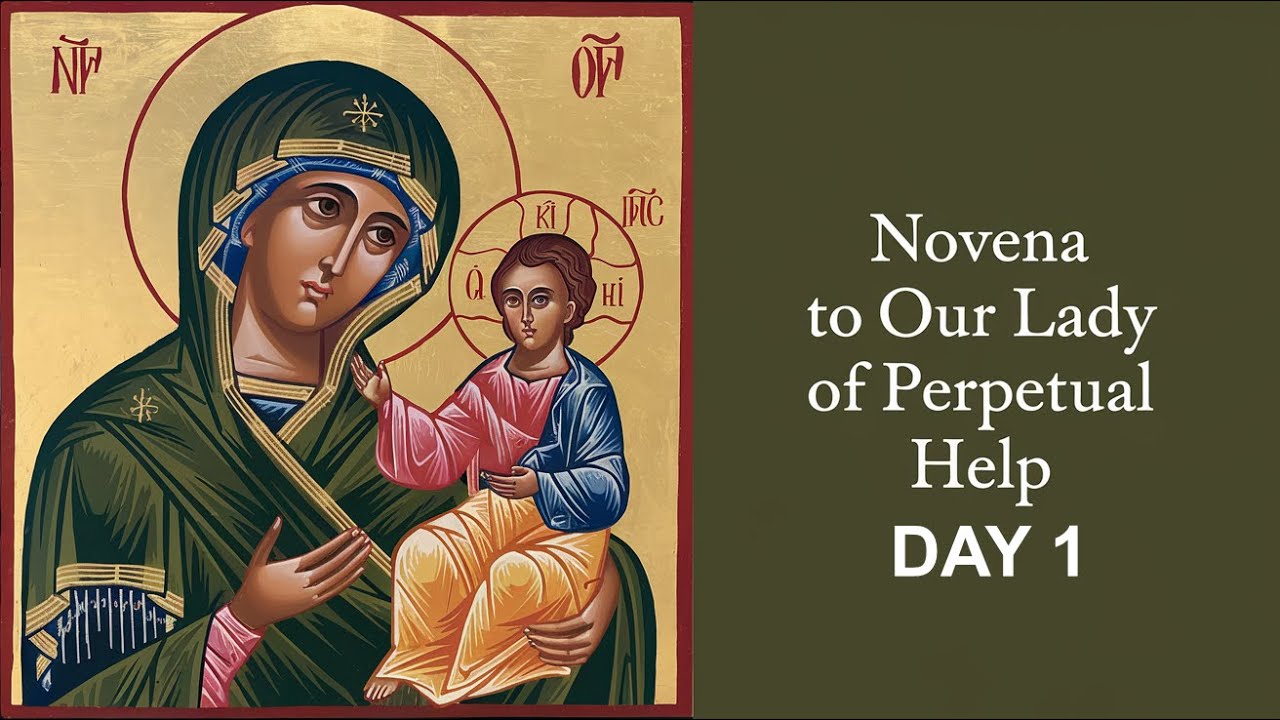

Biblical and theological roots of “Mary, Spouse of the Holy Spirit”
Biblically, the title flows from the angel’s words to Mary: “The Holy Spirit will come upon you, and the power of the Most High will overshadow you” (Luke 1:35). The Church reflects on this mystery as a singular cooperation between Mary and the Spirit—she conceived by the Spirit’s power and responded with perfect faith, “Let it be to me according to your word” (Luke 1:38). Theologically, saints and teachers have long spoken of Mary’s spousal relationship with the Holy Spirit to highlight her utter receptivity to grace. It points to her role not as a rival to God, but as the model disciple through whom the Spirit formed Christ’s humanity and continues to form Christ in us.
Why believers turn to this devotion
There are several reasons people are drawn to prayer to mary spouse of the holy spirit:
- To seek discernment for important decisions, trusting the Spirit’s guidance.
- To grow in the virtues of humility, patience, courage, and charity.
- To pray for loved ones who are struggling or far from faith.
- To prepare for sacraments, retreats, or new responsibilities.
- To invite deeper renewal in times such as Pentecost, Advent, or personal milestones.
Across Christian traditions, Mary is honoured as Theotokos (God-bearer) and as a model of listening to the Spirit. While the forms of devotion vary, many recognise that asking Mary’s intercession is a gentle way to approach the mystery of God’s presence and power. For readers interested in how this is lived within different historic traditions, the overview on the Eastern Orthodox Church provides helpful context about Marian titles and veneration in the East.
How to pray: a simple step-by-step guide
If you are new to prayer to mary spouse of the holy spirit, keep it simple and sincere. Here is a straightforward way to begin:
- Find a quiet place. Take a few slow breaths to become aware of God’s presence.
- Make the Sign of the Cross (if that is your custom), or simply say, “Come, Holy Spirit.”
- Address Mary with reverence. You might use a short invocation such as “Mary, Spouse of the Holy Spirit, pray for me.”
- State your intention clearly: guidance for a decision, help to forgive, strength in a trial, growth in a virtue, or healing for someone in need.
- Ask for the Holy Spirit’s gifts. Name one or two gifts (e.g., wisdom, fortitude) that you most need today.
- Close with gratitude. Thank God for hearing your prayer, and end with a familiar prayer if you wish (e.g., the Our Father or Hail Mary).
Do not worry about beautiful words; focus on honesty, trust, and faith. Over time, prayer to mary spouse of the holy spirit can become a regular part of your morning and evening routine, or a brief moment of recollection before meetings, calls, or challenging conversations.
A short prayer to mary spouse of the holy spirit
Here are a few original examples you can adapt. Use one as written, combine lines, or let them inspire your own words.
- Daily offering: “O Mary, Spouse of the Holy Spirit, pray that I may welcome the Spirit’s light today. Help me to love, to listen, and to act with courage. Amen.”
- For discernment: “Mary, Spouse of the Holy Spirit, be my guide. Ask the Spirit to show me what is true and good, and to give me wisdom to choose it.”
- For peace in anxiety: “Gentle Mother, Spouse of the Holy Spirit, calm my fears. Obtain for me the Spirit’s peace and the grace to trust in God’s care.”
- For family life: “Holy Mary, Spouse of the Holy Spirit, pray for our family. May the Spirit heal what is hurt, strengthen what is weak, and inflame our hearts with love.”
- Before work: “Mary, Spouse of the Holy Spirit, intercede for me today. May the Spirit guide my thoughts, words, and choices for the good of others.”
If you prefer to keep the exact phrase for clarity, you can pray: “Lord Jesus, through the prayer to mary spouse of the holy spirit, grant me wisdom and strength,” or “I offer this task through the prayer to mary spouse of the holy spirit, seeking the Spirit’s light.” Use such wording sparingly and naturally.
Deeper ways to practise this devotion
Beyond short prayers, consider these practices to root prayer to mary spouse of the holy spirit in your week:
- Pray with Scripture: Read Luke 1:26–56 (the Annunciation and the Magnificat) or Acts 1:12–14 and ask Mary to help you learn her disposition of listening and consent to God’s will.
- Keep a simple journal: Note how and when you pray, and jot down any small answers, inspirations, or consolations you notice.
- Pair with the Rosary: Offer a decade for openness to the Spirit’s gifts, or pray the Glorious Mysteries with a special focus on Pentecost.
- Set reminders: A brief midday pause—“Mary, Spouse of the Holy Spirit, pray for me”—can refocus your heart and reduce stress.
- Learn from the saints: Read short reflections from saints known for Marian devotion, and let their wisdom shape your practice.
Key intentions and fruits of prayer
People often bring these intentions to prayer to mary spouse of the holy spirit:
- Clarity amid confusion: for wise judgement when choices seem equally good or equally difficult.
- Healing and forgiveness: for the grace to let go of resentment and to build unity in families and communities.
- Evangelical courage: for the strength to witness to Christ with humility and charity.
- Growth in virtue: especially patience, chastity, and generosity, so that actions reflect genuine love.
- Inner freedom: to be less driven by fear, perfectionism, or people-pleasing and more rooted in God’s will.
While experiences vary, many people report greater peace and steadiness when they pray consistently, along with a renewed attentiveness to the small nudges of grace in daily life.
Common mistakes—and how to avoid them
To keep this devotion healthy and grounded, watch out for these common pitfalls:
- Confusing intercession with worship: We ask Mary to pray for us; we do not adore her. The adoration belongs to God alone. Prayer to mary spouse of the holy spirit should always point you towards the Holy Trinity.
- Using words without heart: Rushing through memorised lines can become mechanical. Slow down and pray fewer words with more intention.
- Ignoring Scripture: Let the Bible shape your imagination and requests. Mary’s own words in the Magnificat reveal her humility and trust.
- Expecting automatic results: God works in freedom and love. Be patient. Look for gradual growth rather than instant solutions.
- Praying alone in isolation: While private prayer is vital, consider occasional communal prayer or spiritual guidance if possible.
Incorporating the Rosary and other Marian devotions
Many people weave prayer to mary spouse of the holy spirit into the Rosary. For example, before each decade, add a brief line such as “Mary, Spouse of the Holy Spirit, pray for us to receive the gifts we need today.” You might also pray the Angelus, the Memorare, or a short consecration to Jesus through Mary, always remembering that the ultimate aim is to be formed by the Spirit into the likeness of Christ.
Devotion to angels can also sit naturally alongside this practice, as angels, too, serve God’s work in us. For insights on angelic intercession and spiritual protection, see this overview of Michael the Archangel, which explains a well-loved tradition in Christian prayer.
Historical notes and living tradition
The title “Spouse of the Holy Spirit” gained prominence in the writings of several saints and spiritual teachers, who used it to highlight Mary’s perfect receptivity to grace and her abiding cooperation with God’s plan. While the expression is devotional rather than dogmatic, it reflects settled biblical themes: Mary’s overshadowing by the Spirit, her lifelong discipleship, and her place in the Church at prayer.
In practice, Christians across centuries have sought the Spirit’s renewal through Marian intercession—at home, in monasteries, and in parish life—especially around Pentecost. Today, prayer to mary spouse of the holy spirit is finding fresh relevance as people seek calm, clarity, and courage in a rushed and sometimes polarised world.
Examples for specific moments of life
- Before difficult conversations: “Mary, Spouse of the Holy Spirit, help me to listen well and speak with kindness. Ask the Spirit to make my words truthful and gentle.”
- When beginning a new chapter: “O Mary, Spouse of the Holy Spirit, pray that I may step forward with wisdom and trust, using my gifts for the good of others.”
- For those who are ill: “Mary, Spouse of the Holy Spirit, intercede for N. May the Spirit bring comfort, hope, and healing according to God’s will.”
- In times of doubt: “Holy Mother, Spouse of the Holy Spirit, steady my faith. Ask the Spirit to renew my mind and rekindle my love for the truth.”
You can adapt these lines to name specific people, places, and needs. When you personalise your words, prayer to mary spouse of the holy spirit becomes a living conversation, not a formula.
How often should I pray this way?
There is no strict rule. Some people keep it for particular seasons (e.g., a nine-day period before Pentecost), while others use brief invocations daily. You might choose a simple structure—morning and evening for one minute each—and then, over time, add a weekly Rosary decade for the Holy Spirit’s gifts. Consistency matters more than duration or eloquence.
Recommended external resources
- Catechism of the Catholic Church on Mary and the Holy Spirit (nn. 721–726) — a concise doctrinal overview of Mary’s relationship with the Holy Spirit.
- USCCB introduction to the Rosary and Marian devotion — practical guidance for integrating Marian prayer into daily life.
- OrthodoxWiki: Theotokos — an accessible look at Mary’s title as God-bearer in the Eastern tradition.
- Encyclopaedia Britannica: Holy Spirit — a general reference on the Holy Spirit’s identity and role in Christian belief.
These resources provide context for understanding how prayer to mary spouse of the holy spirit sits within the broader Christian tradition and how it can enrich ordinary prayer.
Related articles
Frequently asked questions about prayer to mary spouse of the holy spirit
Is prayer to mary spouse of the holy spirit the same as worshipping Mary?
No. In Christian teaching, worship (adoration) is due to God alone. Prayer to mary spouse of the holy spirit is a form of intercessory prayer: you ask Mary to pray that the Holy Spirit may act powerfully in your life. The focus remains on God’s grace and your discipleship.
Where does the title “Spouse of the Holy Spirit” come from?
It is a devotional title reflecting Mary’s unique cooperation with the Holy Spirit at the Annunciation and her presence in the earliest Church at prayer. It is rooted in Scripture (especially Luke 1) and developed in Christian reflection as a way to describe Mary’s profound openness to the Spirit.
Can I use this prayer if I am not Catholic?
Yes, many Christians who honour Mary as Theotokos and model disciple find value in asking her intercession. Forms may differ across traditions, but anyone can respectfully ask Mary to pray that the Holy Spirit guide and strengthen them.
Do I have to use set prayers, or can I speak spontaneously?
Both are fine. Some prefer familiar words (e.g., a short invocation or a Rosary decade), while others speak freely. The key is sincerity. If set texts help you focus, use them; if spontaneous words help your heart engage, do that. You can blend both approaches.
How does this devotion relate to the Holy Spirit’s gifts?
Prayer to mary spouse of the holy spirit often includes asking specifically for the Spirit’s gifts—wisdom, understanding, counsel, fortitude, knowledge, piety, and holy fear—so that daily choices reflect God’s will. Mary’s role is to intercede that we receive and respond to those gifts more fully.
What should I do if I feel nothing when I pray?
Feeling dry or distracted is normal. Keep your prayer brief and faithful. Use Scripture, sit quietly for a minute, and ask for one concrete gift. Over time, many people notice gentle changes—more patience, clearer priorities—even if strong feelings are absent.
Is there a best time to pray this way?
Whenever you can be attentive. Many choose morning (to dedicate the day) and evening (to review and give thanks). Others add a quick midday line—“Mary, Spouse of the Holy Spirit, pray for me”—before a task or meeting. Choose a rhythm you can sustain.
Conclusion on prayer to mary spouse of the holy spirit
Prayer to mary spouse of the holy spirit is a simple, time-tested way to welcome the Holy Spirit’s action in everyday life through Mary’s intercession.
