Prayer to Our Lady of Sorrows: Essential, Practical Guide – 7 Keys
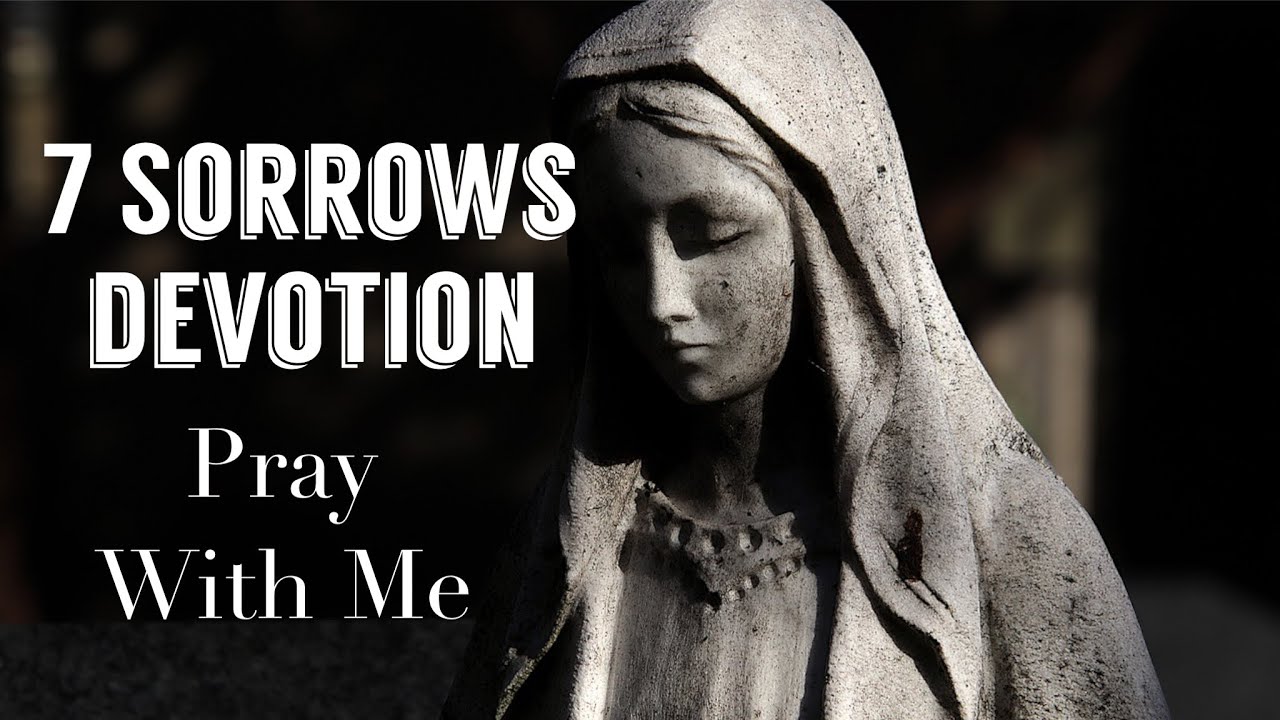
Prayer to Our Lady of Sorrows: meaning, history, and how to pray
The Prayer to Our Lady of Sorrows is a time-honoured way to draw near to Mary, the mother of Jesus, in her grief, courage, and steadfast faith. For many Christians, this devotion offers comfort in times of loss, a deeper understanding of Christ’s Passion, and a gentle path to hope when life feels heavy. Whether you’re new to Marian devotions or returning to an old favourite, this guide explains what the Prayer to Our Lady of Sorrows involves, why it matters, and how you can pray it at home or in church.
At its heart, the Prayer to Our Lady of Sorrows invites us to stand with Mary as she stands with her Son in his suffering. It is not merely about sadness; it’s about compassion, solidarity, and the promise that love can accompany us through every trial. The devotion is often associated with the “Seven Sorrows” – key moments of pain in Mary’s life – and with a specific form of prayer sometimes called the Seven Sorrows Rosary or Servite Rosary.
If your prayer life needs a gentle reset, or you’re seeking words for the grief you carry, the Prayer to Our Lady of Sorrows can be a companion. Below you’ll find its background, practical steps, variations, and tips for making the devotion part of your daily rhythm.
What is the Prayer to Our Lady of Sorrows?
The Prayer to Our Lady of Sorrows is a family of prayers and practices that focus on Mary’s participation in the suffering of Christ. The devotion has developed over centuries and includes simple invocations, traditional litanies, the hymn “Stabat Mater,” and the Seven Sorrows Rosary. You can pray it in a few minutes or devote a longer time to meditating on the Seven Sorrows.


While it is deeply Catholic in origin, the Prayer to Our Lady of Sorrows can be used by any Christian drawn to meditate on the Passion, compassion, and hope. Many people find it especially meaningful during Lent, Holy Week, or when facing personal hardship.
The Seven Sorrows at the heart of the devotion
Most guides to the Prayer to Our Lady of Sorrows centre on seven moments of anguish recorded in Scripture and tradition. Meditating on these scenes helps us connect our own wounds with the saving love of Christ.
- Prophecy of Simeon (Luke 2:34–35): Simeon foretells that a sword will pierce Mary’s soul.
- Flight into Egypt (Matthew 2:13–15): The Holy Family flees Herod’s violence.
- Loss of the Child Jesus in the Temple (Luke 2:41–50): Mary and Joseph search anxiously for Jesus.
- Mary meets Jesus on the Way of the Cross (traditional): She shares the burden of his Passion.
- Crucifixion and Death of Jesus (John 19:25–30): Mary stands by the cross.
- Mary receives the body of Jesus (the Pietà, traditional): She cradles him in sorrow and love.
- Jesus is laid in the tomb (John 19:40–42): Mary entrusts him to the Father’s care.
Each sorrow is an invitation to place our own fears, losses, and unanswered questions before God. The Prayer to Our Lady of Sorrows helps us hold pain and faith together without pretending that either cancels the other.
Why the Prayer to Our Lady of Sorrows matters
We often struggle to find words for grief. The Prayer to Our Lady of Sorrows offers language and structure when we cannot pray easily. Many believers say it provides:
- Compassionate companionship: Mary shows us how to remain faithful amid suffering.
- Deeper union with Christ: By contemplating the Passion through Mary’s eyes, we understand Jesus’ love more personally.
- Healing and hope: The devotion acknowledges loss honestly, yet moves towards trust and resurrection.
- Practical courage: It encourages patience, forgiveness, and small acts of love in painful times.
Although the devotion is tender and reflective, it is not gloomy. The Prayer to Our Lady of Sorrows leads through darkness towards light, shaping virtues like perseverance, humility, and compassion for others.
How to pray the Prayer to Our Lady of Sorrows (the Seven Sorrows Rosary)
You can pray the Prayer to Our Lady of Sorrows in many ways. Below is a simple outline of the Seven Sorrows Rosary, a common form used by individuals and groups. If you prefer, adapt it to your time and needs.
- Begin with a moment of quiet. Ask God for the grace to pray with honesty and trust.
- Introductory prayer: “Mary, Our Lady of Sorrows, lead me to your Son. Teach me to love as you love and to stand firm in faith.”
- First Sorrow: Read or recall Simeon’s prophecy (Luke 2:34–35). Pause and reflect. You may pray one Our Father and seven Hail Marys, or another short prayer repeated seven times, in remembrance of Mary’s seven sorrows.
- Second Sorrow: The Flight into Egypt. Repeat the pattern: announce the sorrow, reflect, pray.
- Third Sorrow: The Loss of Jesus in the Temple.
- Fourth Sorrow: Mary meets Jesus on the Way of the Cross.
- Fifth Sorrow: The Crucifixion and Death of Jesus.
- Sixth Sorrow: Mary receives the body of Jesus (the Pietà).
- Seventh Sorrow: Jesus is laid in the tomb.
- Concluding prayer: “Our Lady of Sorrows, intercede for me, that my pain may be transformed by Christ’s love, and that I may be a source of comfort to others.”
For each sorrow, consider a short intention. For example, while praying the Fifth Sorrow, you might remember those who are dying alone or those who keep vigil with a loved one. This simple practice connects the Prayer to Our Lady of Sorrows to the real needs of the world.
Short forms of the Prayer to Our Lady of Sorrows
If you have only a moment, try one of these brief prayers:
- “Our Lady of Sorrows, stand with me in my grief and lead me to your Son’s peace.”
- “Mother of Sorrows, teach me compassion for those who suffer today.”
- “Mary, by your seven sorrows, help me to trust when I cannot see the way.”
These short forms keep the spirit of the Prayer to Our Lady of Sorrows alive throughout the day, especially when you face worry, frustration, or sadness.
When to pray the Prayer to Our Lady of Sorrows
There is no wrong time. Many people pray it:
- During Lent and Holy Week, to accompany Jesus and Mary through the Passion.
- On the Memorial of Our Lady of Sorrows (15 September), or on Fridays.
- Before or after difficult conversations, medical appointments, or bereavements.
- As part of evening prayer, reflecting on the day’s anxieties and offering them to God.
Some prefer a weekly pattern, taking one sorrow each day over a week and finishing with a simple conclusion on Sunday. Others pray the full Seven Sorrows Rosary once a week or once a month. The gentle regularity is more important than speed or perfection; the Prayer to Our Lady of Sorrows is a school of patience.
Making the devotion your own
Here are ways to personalise the Prayer to Our Lady of Sorrows without losing its core focus:
- Use Scripture: Read a few verses before each sorrow to anchor your meditation.
- Hold a symbol: A small cross, an icon of Mary, or a simple candle can help focus.
- Keep a journal: After each sorrow, jot one sentence about what moved you.
- Pray for others: Dedicate each sorrow to a person or group—for example, refugees during the Flight into Egypt.
- Incorporate music: Quietly play a reflective hymn such as “Stabat Mater.”
In time, you may find the Prayer to Our Lady of Sorrows becomes an instinctive response to moments of pain—yours and others’—helping you to be present, tender, and courageous.
Common mistakes (and gentle corrections)
Because the devotion can feel solemn, we sometimes approach it anxiously. These reminders may help:
- Thinking the prayer is only about sadness: It is truly about love in the face of suffering. Let hope have a place in your reflection.
- Rushing: The Prayer to Our Lady of Sorrows is unhurried. A single sorrow prayed well is more fruitful than seven hurriedly.
- Fearing you must “feel” a certain way: Prayer is an act of faith, not a test of emotions. Bring whatever you feel—or do not feel—to God.
- Forgetting to connect with real life: Always link the meditation to concrete people and situations. Compassion grows through practice.
How different traditions view Our Lady of Sorrows
Although the devotion took shape within Catholicism, many Christians appreciate its scriptural heart and pastoral tenderness. In Catholic parishes, you may find specific devotions, statues of the Pietà, and the Seven Sorrows Rosary. In other traditions, believers may honour Mary’s steadfast discipleship and ponder the Passion in their own words. If you’re curious about Christian traditions that hold Mary in high esteem and share a deep love for the Passion, you might enjoy this overview of the Eastern Orthodox Church and its rich devotional life.
Anglicans and other communities often embrace the “Stabat Mater” hymn and Stations of the Cross. All these practices echo the spirit of the Prayer to Our Lady of Sorrows: to stand near Christ with a faithful heart.
Historical notes and feast day
The title “Our Lady of Sorrows” has roots in early Christian reflection on Mary at the foot of the cross. Over time, devotion to Mary’s sorrowfulness grew, especially through the Servite Order in the thirteenth century. The Church keeps a memorial of Our Lady of Sorrows on 15 September, the day after the Feast of the Exaltation of the Holy Cross. This liturgical pairing expresses how Mary’s suffering is inseparable from her Son’s saving death and resurrection.
For a concise overview of the title and its development, see the Wikipedia overview of Our Lady of Sorrows. You can also explore the Seven Sorrows Rosary and its structure via this resource on the Servite (Seven Sorrows) Rosary.
Praying with others
Consider praying the Prayer to Our Lady of Sorrows with a friend, a small group, or your parish. Taking turns to announce each sorrow and naming intentions aloud can be deeply supportive. When someone in your community is grieving, offering to pray a single sorrow with them can be a simple, compassionate gift.
For those particularly drawn to angelic protection and intercession alongside Marian devotion, this article on who is Michael the Archangel offers a helpful biblical and devotional background.
Recommended external resources
- USCCB guide to the Seven Sorrows of Our Lady – a pastoral, easy-to-follow outline for personal prayer.
- EWTN overview of the Memorial of Our Lady of Sorrows – background, prayers, and reflections.
- Vatican Directory on Popular Piety and the Liturgy – official guidance on devotional practices in harmony with the liturgy.
Related articles
Frequently asked questions about Prayer to Our Lady of Sorrows
Is the Prayer to Our Lady of Sorrows only for Catholics?
No. While the devotion developed in the Catholic Church, any Christian may pray it. The Scripture-based meditations on the Passion and Mary’s discipleship can support anyone seeking comfort and deeper faith. If you’re new, simply use short prayers and a Bible passage for each sorrow.
What is the difference between the Seven Sorrows Rosary and the standard Rosary?
The standard Rosary focuses on fifteen or twenty mysteries from Jesus’ life, using five decades per set. The Seven Sorrows Rosary, associated with the Servite tradition, centres specifically on Mary’s seven sorrows. It has seven “decades” (often seven beads each) and includes meditations related to those sorrows. Both practices complement each other; some people pray one or the other depending on the season or their needs.
When is the best time to pray the Prayer to Our Lady of Sorrows?
Any time. Many find Fridays or the 15th of September especially fitting. Others turn to this prayer during personal trials—bereavement, illness, family difficulties, or moments of anxiety. A short daily practice can be very steadying.
Do I need a special set of beads to pray it?
No. A dedicated Seven Sorrows chaplet helps, but you can use an ordinary rosary or even your fingers. The heart of the Prayer to Our Lady of Sorrows is honest reflection and trustful prayer, not the exact form of counting.
Is the “Stabat Mater” required?
Not required. The “Stabat Mater” is a beloved hymn traditionally associated with Mary at the foot of the cross. It can deepen the meditation, but you may simply read a Gospel passage, keep silence, and say a short prayer for each sorrow.
Can I offer the devotion for someone else?
Yes. You can dedicate your prayer to someone who is grieving, ill, or in need of strength. Many people offer each sorrow for a different intention, widening the compassion at the heart of the devotion.
What if I become emotional while praying?
It’s perfectly normal. The Prayer to Our Lady of Sorrows touches tender places. If tears come, pause, breathe, and remember that you are held by God. Emotions are not a problem to fix; they can be part of the prayer you offer.
Conclusion on Prayer to Our Lady of Sorrows
The Prayer to Our Lady of Sorrows is a gentle, powerful way to bring your pain, questions, and hopes to God with Mary by your side. Rooted in Scripture and rich Christian tradition, it helps you look steadily at suffering without losing sight of love and resurrection. Whether you choose a brief daily invocation or the fuller Seven Sorrows Rosary, you may discover a deepened compassion for yourself and for others.
As you accompany Mary through each sorrow, you also learn to accompany those around you who are hurting. That is the lasting gift of the Prayer to Our Lady of Sorrows: it turns reflection into mercy, and sorrow into a quiet readiness to serve. Begin where you are, go slowly, and let the devotion grow with you.
May the Prayer to Our Lady of Sorrows open a path of trust in your life—one step at a time, with Mary’s steadfast faith guiding you to the comfort of Christ.
