Prayer to queenship of mary: essential guide with 5 key steps
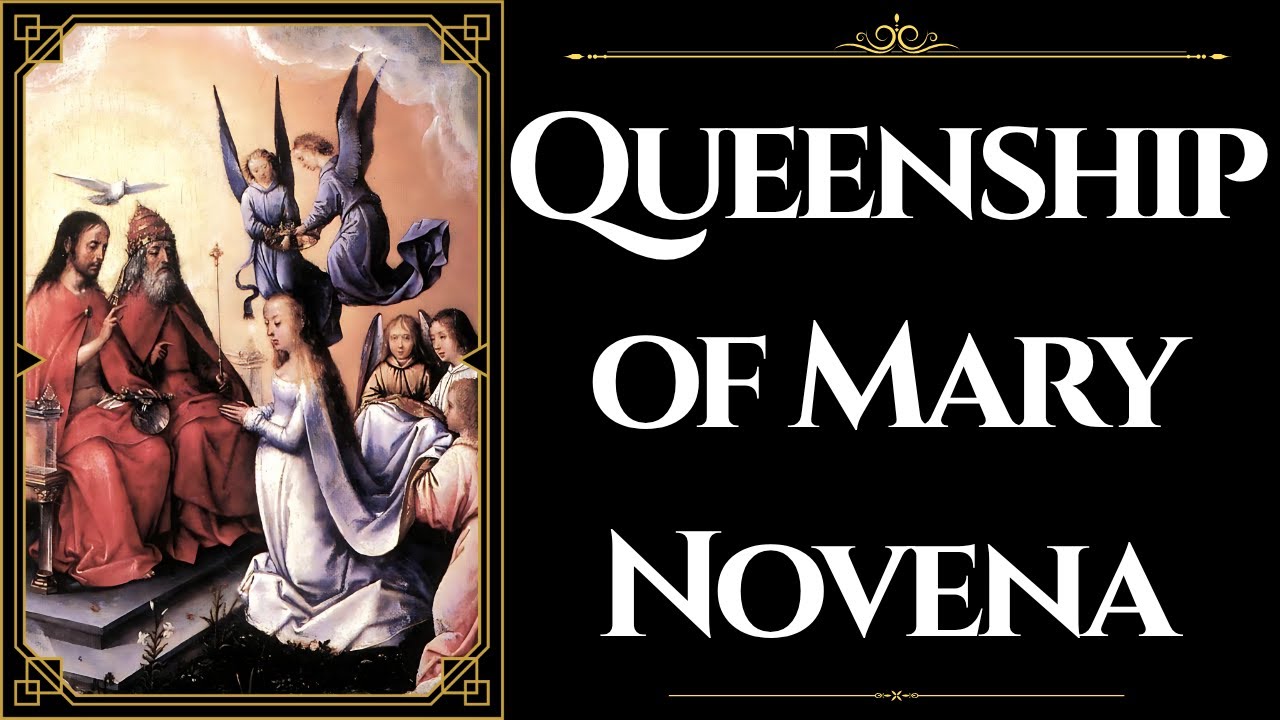
prayer to queenship of mary
The prayer to queenship of mary is a simple, heartfelt way to recognise the Blessed Virgin Mary’s unique place in Christian faith: as the mother of Jesus Christ, crowned in glory, and interceding for the Church. Whether you are new to Marian devotion or seasoned in praying the Rosary, turning to the Queenship of Mary can help you ask for guidance, courage, and a deeper love for her Son. In this guide, you will learn what the devotion means, where it comes from, how to pray it well, and how to avoid common pitfalls—so the practice becomes a steady source of peace and purpose in daily life.
Many believers find that a regular prayer to queenship of mary helps them grow in humility, hope, and charity. More than a formula, it is a relationship: a way of drawing near to the one whom Christians honour as Mother and Queen, so that she may lead us more surely to Christ the King.
What is the prayer to queenship of mary?
At its heart, the prayer to queenship of mary is an act of trust and veneration that acknowledges Mary’s role in God’s plan and asks her to pray for us. The Church celebrates the Queenship of Mary as a liturgical memorial on 22 August, set shortly after the feast of the Assumption. This timing highlights the belief that Mary, taken body and soul into heaven, shares in her Son’s kingship in a unique and maternal way.
Christians who use a prayer to queenship of mary do not “worship” Mary. Instead, they honour her (a distinct kind of veneration, often called hyperdulia) and ask her intercession, confident that every grace she receives is ordered toward bringing us to Jesus. In practice, you can pray in your own words, recite a short structured prayer, or add a brief invocation to the end of the Rosary.

Historically, the “Queenship” title was given shape and depth in Church teaching and devotion. If you would like a foundational explanation, Pope Pius XII’s 1954 encyclical Ad Caeli Reginam explores why Christians honour Mary as Queen and how that honour always points to Christ. You can read it here: Ad Caeli Reginam (On Proclaiming the Queenship of Mary).
Biblical and historical roots of the Queenship of Mary
While Scripture does not record a ceremony crowning Mary, the idea of her Queenship arises naturally from biblical themes. In the Davidic kingdom, the queen was not the king’s wife but his mother—the gebirah, or “great lady”—who interceded with the king for the people (see 1 Kings 2:19). If Jesus is the son of David whose throne is everlasting (Luke 1:32–33), then his mother, Mary, assumes the queen mother’s role, always in dependence on and in service to the King.
Other biblical images support this. Revelation 12 portrays a woman “clothed with the sun” crowned with twelve stars, battling for her child and his followers. The Church has often seen in this figure a composite image of Israel, the Church, and Mary herself. Her Magnificat (Luke 1:46–55) shows a queenly humility: the one whom God has “looked upon in her lowliness” is exalted so that all generations call her blessed.
Early Christian writers and liturgies bestowed titles such as “Lady,” “Queen,” and “Mother of God” (Theotokos). These titles underline Mary’s relationship to Christ and to believers. In the Christian East, icons like the Hodegetria and hymns such as Akathists convey her royal dignity. For more background on how the East speaks about Mary, see this helpful overview of the Eastern Orthodox Church, which highlights shared and distinct emphases across Christian traditions.
Why pray the prayer to queenship of mary?
The prayer to queenship of mary supports a balanced, Christ-centred spiritual life. Here are key reasons believers turn to it:
- To ask intercession from the Mother of the King, trusting her maternal care for our needs.
- To imitate her virtues—humility, courage, obedience, and charity—so our discipleship becomes more wholehearted.
- To remember that true authority in God’s kingdom is service; Mary’s Queenship is a pattern of self-giving love.
- To seek protection in spiritual struggles, recalling that the Queen of Heaven stands with the angels and saints against evil.
- To find hope in trials, knowing that Mary’s story—from hidden Nazareth to heavenly glory—mirrors the journey of the Church.
In short, praying the prayer to queenship of mary is a way to say, “Lead me to Jesus; teach me to serve as you serve.” Some also find it helpful to unite this prayer with a devotion to angels, recalling that Mary’s royal dignity is always in the company of God’s messengers and servants. If you are exploring this aspect of Christian life, you may enjoy learning more about who Michael the Archangel is and how Scripture presents holy angels as guardians and warriors.
How to pray the prayer to queenship of mary step by step
There is no single mandatory formula, but a simple pattern can help you pray the prayer to queenship of mary with attention and devotion. Try the following steps:
- Prepare in quiet. Take a steady breath, silence your phone, and become aware of God’s presence.
- Make the Sign of the Cross. Begin “In the name of the Father, and of the Son, and of the Holy Spirit.”
- Address Mary with a title of honour. For example: “Mary, our Mother and Queen…”
- State your intention. Be concrete—ask for wisdom in a decision, healing for someone, or growth in a particular virtue.
- Unite your intention to Christ. Acknowledge that Mary’s intercession is powerful because it always points to her Son.
- Close with trust. Finish with a short act of faith and hope, and optionally a Hail Mary.
If you already pray the Rosary, include a brief prayer to queenship of mary after the Salve Regina (“Hail, Holy Queen”), especially on Saturdays or near 22 August. If you keep a prayer journal, write a single line each day noting your intention and one grace you noticed afterward.
A simple daily prayer to the Queenship of Mary
Here is a short, original prayer you can use each morning or evening. You might say it alone, with family, or at the end of the Rosary.
“Mary, Mother and Queen, lead me to your Son today. Teach me to listen, to serve, and to love with a humble heart. I entrust to you these needs (name them). Pray for me, that I may choose what is true and good. O Queen and Mother, keep me under your mantle and bring me safely to Jesus. Amen.”
To keep the focus clear, you can preface this with a sentence such as, “I now make my prayer to queenship of mary,” especially on her feast day or in moments of special need.
A family or group version
For families or small groups, you can adapt the prayer to queenship of mary by adding responses:
- Leader: “Mary, our Mother and Queen…”
- All: “Pray for us.”
- Leader: “Guide our home and keep us faithful…”
- All: “Pray for us.”
- Conclude with: “O Queen of Heaven, bring us to your Son. Amen.”
Using the prayer within the Rosary or Liturgy of the Hours
You may wish to add a brief petition after each decade of the Rosary, for example: “O Mary, Queen of Heaven, pray for us.” In the Liturgy of the Hours, you can privately add a one-line aspiration at the end of Evening Prayer: “Mary, Queen and Mother, intercede for your servants.” These small additions keep the prayer to queenship of mary woven into your day without lengthening your routine too much.
Texts and variants of prayer to queenship of mary
Because the Church has such a rich tradition, you will find various forms of the prayer to queenship of mary. Some are formal collects in the Latin rite; others are short, private devotions. The key is to keep Christ at the centre while honouring Mary’s maternal Queenship. Consider these short variants you can rotate across the week:
- “Queen of Heaven, Mother of Mercy, bring my heart to peace in your Son.”
- “O Mary, our Queen, teach me to serve as you served.”
- “Most holy Queen, keep my mind pure, my words honest, and my actions kind.”
- “Mary, crowned with glory, pray that I may persevere in hope.”
On the memorial day itself, you might offer a slightly fuller prayer: “O God, who have willed that the Mother of your Son should be our Mother and our Queen, grant that, sustained by her intercession, we may attain the glory of your children.” Even when using your own words, hold to this pattern: address God or Mary, state a concrete need, and end by entrusting everything to Christ.
For a doctrinal summary of why the Church venerates Mary and how this reverence relates to Christ, see the Catechism’s teaching on Mary’s Assumption and maternal role: Catechism of the Catholic Church on Mary’s Assumption and Queenship.
Common mistakes and how to avoid them
Like any devotion, the prayer to queenship of mary can be misunderstood or practised in ways that blunt its grace. Watch for these common mistakes:
- Confusing veneration with worship. Christians worship God alone. Honouring Mary is meant to magnify the Lord she serves.
- Using only generic language. Be specific with intentions. Named needs encourage trust and gratitude.
- Letting the prayer float free from Scripture. Root your prayer in the Bible—Luke 1 and Revelation 12 are excellent places to start.
- Turning it into a charm. The prayer is not a guarantee of outcomes; it is an opening of the heart to God’s will.
- Neglecting the rest of Christian life. Pair your devotion with the sacraments, acts of charity, and daily repentance.
Practical tips to deepen your devotion
To make the prayer to queenship of mary a steady anchor, try these simple practices:
- Set a time. Attach the prayer to a daily habit—after breakfast, before commuting, or when you switch off your desk light.
- Create a small corner. A candle, a simple icon or image of Mary, and a Bible can help you focus.
- Mark the calendar. Prepare for 22 August by praying a short novena (nine days of steady prayer) or a week of intentions.
- Sing the tradition. Learn a few Marian hymns such as “Hail, Holy Queen” (Salve Regina) or “Regina Caeli” in Eastertide.
- Keep company with the saints. Read a page from a saint who loved Mary—Bernard of Clairvaux, John Paul II, or a modern witness.
Catholic bishops often provide helpful reflections for feast days. The United States Conference of Catholic Bishops offers a concise introduction and prayers you can adapt on the memorial day: USCCB resource for the Memorial of the Queenship of the Blessed Virgin Mary.
Recommended external resources
- Ad Caeli Reginam (On Proclaiming the Queenship of Mary) by Pope Pius XII – a foundational teaching document on Mary’s royal dignity.
- Catechism of the Catholic Church: Mary’s Assumption and Queenship – key paragraphs that frame the doctrine.
- USCCB: Memorial of the Queenship of the Blessed Virgin Mary – brief explanations, readings, and prayers for the feast.
- Wikipedia: Queenship of Mary – a general overview with references to liturgy, history, and culture.
Frequently asked questions about prayer to queenship of mary
Is the prayer to queenship of mary only for Catholics?
No. While the title “Queenship of Mary” is emphasised in Catholic teaching and liturgy, many Anglican, Lutheran, and Orthodox Christians also honour Mary as the Mother of God and turn to her for intercession, though expressions differ by community. Anyone who acknowledges Jesus as King can respectfully recognise his mother’s unique role and ask her prayers.
How often should I say a prayer to queenship of mary?
There is no fixed rule. Some people pray it daily; others reserve it for Saturdays (traditionally associated with Mary), during the month of May, or near 22 August. If you already keep a prayer rhythm, simply add a short invocation so it becomes a natural part of your day.
What if I struggle with Marian devotion or worry it distracts from Jesus?
That is a healthy concern, and the remedy is simple: always make Christ the centre. A good prayer to queenship of mary explicitly asks Mary to lead you to her Son and to help you do his will. Over time, you should notice that love for Mary deepens love for Jesus, not the other way round.
Can I write my own version of the prayer?
Yes. Personal, sincere words are powerful. Keep three elements: acknowledging Mary’s Queenship in relation to Christ, naming your intention, and concluding with confidence in God’s will. You might end with a Hail Mary or a short doxology (“Glory be…”).
How does this devotion relate to the Rosary?
The Rosary is a scriptural meditation centred on Christ’s mysteries, seen with Mary’s eyes. A brief prayer to queenship of mary can naturally follow the Salve Regina at the end, or be included as a one-line aspiration after each decade. This keeps the focus on Jesus while honouring his Mother’s maternal care.
Is there a specific icon or image I should use?
No image is required. Many people choose depictions of Mary crowned or enthroned with the Christ Child, or a simple icon of the Theotokos. The image is a reminder, not a necessity; let it serve your prayer, not replace it.
Conclusion on prayer to queenship of mary
The heart of this devotion is simple: to recognise Mary’s unique, God-given role and to ask her maternal intercession so that we may follow Jesus more faithfully. Whether you set aside a few minutes each day or weave a brief invocation into the Rosary, the prayer to queenship of mary can become a steady help, forming your heart in humility, courage, and hope.
Rooted in Scripture and tradition, the prayer reminds us that the Queen’s crown is a sign of service and love. By praying with trust, naming real needs, and allowing Mary to point us to her Son, we discover that every grace we seek finds its fulfilment in Christ the King. If you keep the essentials—clarity of intention, Christ at the centre, and perseverance—your prayer to queenship of mary will bear quiet, lasting fruit in daily life.
As you continue, consider marking 22 August on your calendar, revisiting the Church’s teachings, and asking Mary to shape your “yes” to God after her own. May your devotion remain gentle, steady, and always open to the Holy Spirit’s leading through the faithful care of the Mother and Queen.
