Prayer to the blessed virgin mary: essential practical guide – 5 steps
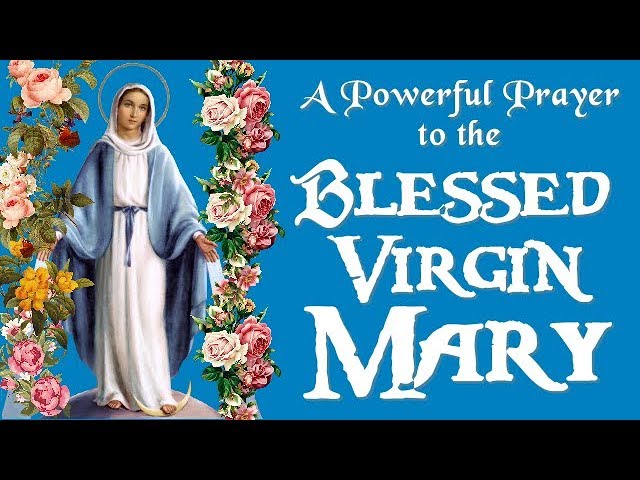
Prayer to the blessed virgin mary
For many Christians around the world, prayer to the blessed virgin mary is a heartfelt way to draw closer to Jesus Christ through his mother. Whether you are new to Marian devotion or seeking to enrich a long-standing practice, this guide explains the why and the how in clear, accessible language. You will find the biblical and historical background, practical tips, examples of traditional prayers, and gentle guidance to avoid common mistakes—so your time in prayer becomes purposeful, peaceful, and Christ-centred.
At its simplest, prayer to the blessed virgin mary is asking Mary—revered as the mother of God and a model disciple—to pray with and for us. Across Catholic, Orthodox, and some Anglican and Lutheran communities, Marian prayer is a living tradition that fosters humility, hope, and trust in God’s mercy.
What is prayer to the blessed virgin mary?
Prayer to the blessed virgin mary is a form of Christian devotion in which believers ask Mary to intercede—meaning to pray—for their needs and to help them follow her Son more faithfully. It is not worship in the way Christians worship God (Father, Son, and Holy Spirit). Rather, it is a request for motherly help from the one whom Scripture calls “blessed among women” (Luke 1:42) and whom generations have honoured for her faithful “yes” to God.
Mary’s role is inseparable from Christ’s. She points to him, bears him to the world, and teaches disciples to say, “Do whatever he tells you” (John 2:5). For this reason, authentic prayer to the blessed virgin mary is always Christ-focused and rooted in the Bible, in the liturgy, and in the life of the Church.


Why Christians turn to Mary in prayer
Scriptural foundations for intercession
The Gospels present Mary as humble, attentive, and close to the heart of God. Her Magnificat (Luke 1:46–55) proclaims God’s saving work, while the wedding at Cana (John 2:1–11) shows her sensitive concern for others and her trust in Jesus. Although the New Testament does not record a formal “prayer to Mary,” early Christians quickly honoured her as Theotokos (“God-bearer”), recognising the unique closeness between mother and Son. In the family of God, asking a holy person to pray for us is a natural extension of the biblical call to “pray for one another” (James 5:16).
The Second Vatican Council summarises this approach carefully, affirming both the dignity of Mary and the primacy of Christ’s mediation. For a balanced, official explanation, see the Council’s teaching in Lumen Gentium, chapter VIII: Vatican II on the Blessed Virgin Mary and her maternal role in the Church. It clarifies that Marian devotion should lead believers more deeply into worship of God.
Historical development across traditions
From the first centuries, Christians expressed devotion to Mary in prayers, hymns, and art. Titles such as Theotokos were defended at councils, and popular prayers like the “Sub tuum praesidium” (“Under your protection”) appeared early. Across time, the Church’s contemplation of Mary’s role deepened, giving rise to feasts (e.g., the Annunciation, Assumption) and the rich treasury of Marian prayer.
Understanding how this devotion lives in different communities can be illuminating. For example, the Eastern Orthodox Church venerates Mary with profound reverence, especially through hymns and icons, while Western Christians often highlight the Rosary and other set prayers. Yet, beneath the variety, the purpose remains the same: to honour God for what he has done in Mary and to ask her loving help.
Forms of prayer to the blessed virgin mary
The Hail Mary (Ave Maria)
The Hail Mary weaves together words of Scripture and a petition for Mary’s intercession. It begins with the angel Gabriel’s greeting (Luke 1:28) and Elizabeth’s blessing (Luke 1:42), followed by “Holy Mary, Mother of God, pray for us sinners, now and at the hour of our death. Amen.” For background, see a straightforward overview of the prayer’s text and history in this article on the Hail Mary. Many Christians use the Hail Mary during the day or as part of longer devotions such as the Rosary.
The Rosary: meditating on Christ with Mary
The Rosary is a meditative cycle of prayers and Scripture-based “mysteries” that draw the mind to key moments in Jesus’ life, with Mary as a prayerful companion. Traditionally prayed on beads, each decade (a set of ten Hail Marys) is framed by the Our Father and the Glory Be. While the Hail Mary is repeated, focus remains on the mystery being contemplated—Joyful (e.g., the Annunciation), Sorrowful (e.g., the Crucifixion), Glorious (e.g., the Resurrection), and Luminous (e.g., the Baptism of Jesus). For a helpful official guide, see the Vatican’s resource: how to pray the Holy Rosary.
The Angelus and the Regina Caeli
The Angelus recalls the Incarnation—God becoming man in Jesus—by repeating verses from Luke 1 and offering a concluding prayer. Traditionally, it is said morning, midday, and evening, often marked by church bells. During the Easter season, the joyful hymn Regina Caeli replaces the Angelus, rejoicing in the Resurrection.
The Memorare and other traditional texts
Prayer to the blessed virgin mary also includes cherished texts like the Memorare (“Remember, O most gracious Virgin Mary…”), the Litany of Loreto (invoking Mary under many biblical and devotional titles), and regionally beloved hymns. Whether sung or spoken, these prayers nurture trust and point to Christ’s saving work.
How to begin a prayer to the blessed virgin mary
Starting well makes a difference. Below is a simple approach to help you grow in confidence and peace as you develop prayer to the blessed virgin mary in your daily life.
- Make a quiet space. Turn off distractions, sit or kneel comfortably, and breathe slowly for a few moments.
- Set an intention. Name the person or situation you are praying for. Offer the time to God.
- Ask the Holy Spirit’s help. A brief “Come, Holy Spirit” aligns your heart to the Lord.
- Choose a form. Begin with a Hail Mary, an Angelus at midday, or a decade of the Rosary.
- Meditate on Scripture. Read a Gospel scene (e.g., the Visitation) and picture it alongside Mary.
- Speak from the heart. In your own words, ask Mary’s intercession and guidance towards Jesus.
- Conclude simply. Thank God, entrust your needs to Mary, and end with the Sign of the Cross or a quiet “Amen.”
Writing your own prayer to the blessed virgin mary
Composed prayers are deeply valuable, but you can also write your own prayer to the blessed virgin mary to express your heart in today’s language. Keep your words simple, sincere, and Christ-centred.
- Begin with praise or gratitude: “Blessed Virgin Mary, I thank God for your faith and motherly care.”
- State your request: “Please pray with me for my family’s peace and health.”
- Connect to Christ: “Lead me to love your Son as you did—humbly, generously, and with courage.”
- End in hope: “Mother of mercy, keep me close to Jesus today and always. Amen.”
Example (adapt it freely): “Blessed Mother, you listened to God with a willing heart. Pray for me today as I seek wisdom and patience. Help me to trust your Son when I am anxious and to serve others with kindness. Keep me under your care, now and at the hour of my death. Amen.” This kind of brief prayer to the blessed virgin mary can be said at work, on a walk, or before sleep.
What prayer to the blessed virgin mary is—and is not
Because words like “prayer” can be misunderstood, it helps to clarify. In Christian tradition, adoration (the worship due to God alone) is distinct from honour (the respect given to saints). Mary receives a special honour because of her unique role, but she is not worshipped as God. Sound prayer to the blessed virgin mary always leads to Jesus and never replaces direct prayer to God.
Christians may express this balance differently across communities. Many Catholics and Orthodox Christians are comfortable asking Mary’s intercession; some Protestants may be less so. If you are exploring the topic, it can be enlightening to consider how diverse traditions understand Mary; you might also look at the global picture of Christian faith in context: how many Christians in the world.
Practical tips to deepen prayer to the blessed virgin mary
Let Scripture guide you
Read Luke 1–2, John 2, and John 19:25–27. Let the Word shape your imagination. Over time, you might memorise the Magnificat and pray it daily. The blend of Scripture and set prayers is the hallmark of a mature prayer to the blessed virgin mary.
Pray with art and music
Icons, paintings, and hymns can focus attention and stir devotion. If possible, light a candle, place an image of the Madonna and Child nearby, or listen to a simple “Ave Maria.” Keep your focus on Christ and the Gospel mystery behind the art.
Keep a simple routine
Small, steady habits often bear more fruit than occasional heroic efforts. Try one decade of the Rosary each day for a month, the Angelus at lunchtime, or a nightly Hail Mary for people you promised to remember. Consistency turns prayer to the blessed virgin mary into a life-giving rhythm rather than a burden.
Mark special days and seasons
Feasts like the Annunciation (25 March), the Assumption (15 August), and the Nativity of Mary (8 September) are natural times to renew devotion. May is often kept as “Mary’s month” in many places. Learning the story behind each feast can enrich your prayer to the blessed virgin mary and anchor it in the larger life of the Church. For a balanced overview of Mary’s place in Christian belief and culture, see Britannica’s article on Mary, the mother of Jesus.
Examples of prayer to the blessed virgin mary for everyday needs
For family peace
“Holy Mary, Mother of God, be close to our family. Pray that our home may be patient, forgiving, and joyful. Help us to love as Jesus loves. Amen.”
For courage in difficulty
“Blessed Virgin Mary, you stood by the Cross with steadfast love. Pray for me in this trial. Ask your Son to strengthen me and to make my fears serve his good purposes. Amen.”
For the sick
“Mother of mercy, please pray for N. in illness. Obtain for them relief, skilled care, and hope in Christ. May they sense God’s presence and peace. Amen.”
For guidance in work or study
“Mary, Seat of Wisdom, pray for me as I make decisions today. Help me to act with integrity, diligence, and compassion. Lead me to what most glorifies God. Amen.”
Common mistakes to avoid in prayer to the blessed virgin mary
- Treating prayer like a formula. Repetition is meaningful when it supports reflection; avoid “rushing through” words without attention.
- Losing sight of Christ. Authentic prayer to the blessed virgin mary always points to Jesus. Make the Gospel scene or virtue your true focus.
- Neglecting Scripture. Marian devotion grows healthiest when nourished daily by the Bible.
- Expecting instant results. Intercessory prayer is real, but God’s timing may stretch our patience. Persevere with trust and gratitude.
- Forgetting gratitude. Thank God for graces received and for Mary’s motherly help—gratitude keeps prayer grounded and joyful.
Learning from Christian tradition and culture
The practice of prayer to the blessed virgin mary spans continents and centuries, from ancient hymns in the East to roadside shrines in the West. This diversity shows that Marian devotion is not a narrow, culturally bound habit but a living response to the Gospel in many settings. If you enjoy deeper study, consider how councils and theologians have articulated Mary’s role in salvation history, always safeguarding the core confession of Christ as the one mediator. For a concise, doctrinal frame, the Council’s teaching remains a trustworthy starting point: Lumen Gentium on Mary.
Building a beginner’s plan for prayer to the blessed virgin mary
If you are unsure where to begin, try this gentle, four-week plan. It keeps things short and practical while helping you encounter Scripture and traditional prayers.
- Week 1: Each morning, say one Hail Mary slowly, meditating on Luke 1:26–38.
- Week 2: Add the Angelus at midday (or set a phone reminder). Keep it simple and unhurried.
- Week 3: Pray one decade of the Rosary in the evening, focusing on a Joyful or Sorrowful mystery.
- Week 4: Write a brief personal prayer to Mary and use it nightly alongside a Gospel verse.
At month’s end, review what helped you most. Let your routine grow naturally from there. In time, you may pray a full Rosary on weekends, observe Marian feast days, or join a parish or community group for shared devotion.
Recommended external resources
- Official Vatican overview of the Holy Rosary (structure, prayers, and meditations)
- Accessible background on the Hail Mary (text, origins, and usage)
- Encyclopaedia Britannica on Mary, mother of Jesus (historical and theological context)
Frequently asked questions about prayer to the blessed virgin mary
Is prayer to the blessed virgin mary the same as worship?
No. In Christian teaching, worship (adoration) is due to God alone. Prayer to the blessed virgin mary is a request for her intercession—asking her to pray for us—because of her unique closeness to Jesus. Done rightly, it always leads us towards deeper love of God.
What are the words of the Hail Mary?
“Hail Mary, full of grace, the Lord is with thee; blessed art thou among women, and blessed is the fruit of thy womb, Jesus. Holy Mary, Mother of God, pray for us sinners, now and at the hour of our death. Amen.” This prayer blends Scripture (Luke 1:28, 1:42) with a simple petition for Mary’s prayers.
Can non-Catholics practise prayer to the blessed virgin mary?
Yes, many non-Catholic Christians respectfully honour Mary and may feel comfortable asking her prayers. Some Anglican and Lutheran communities include Marian hymns and feasts. Others prefer to address prayers only to God. If you are curious, you might begin with a single Hail Mary or reflect on Mary’s Magnificat as a biblical prayer.
How often should I pray the Rosary?
There is no rule. Some pray a decade daily; others pray a full Rosary weekly or on particular days. Start small and steady. The goal is attentive, Christ-focused meditation with Mary, not simply completing a quota of prayers.
What if I get distracted during prayer to the blessed virgin mary?
Distractions are normal. When you notice your mind wandering, gently return to the words or the Gospel scene. Slower pacing, deeper breathing, and a short intention at the start can help. Over time, consistency builds focus.
Is there a biblical basis for asking saints to pray for us?
While the Bible does not record prayers addressed to departed saints, it strongly encourages intercessory prayer among believers (e.g., James 5:16). The Christian tradition extends that communion beyond death, trusting that “the prayers of the righteous are powerful” and that those alive in Christ continue to love and pray with the Church.
Conclusion on prayer to the blessed virgin mary
When practiced thoughtfully, prayer to the blessed virgin mary becomes a gentle yet powerful way to draw nearer to Jesus. It unites Scripture, tradition, and personal devotion, inviting us to ponder Christ’s life with the one who knew him best and who still prays for his Church.
Whether you
