Prayers to the Most Holy Trinity: Essential Guide (7 Key Prayers)
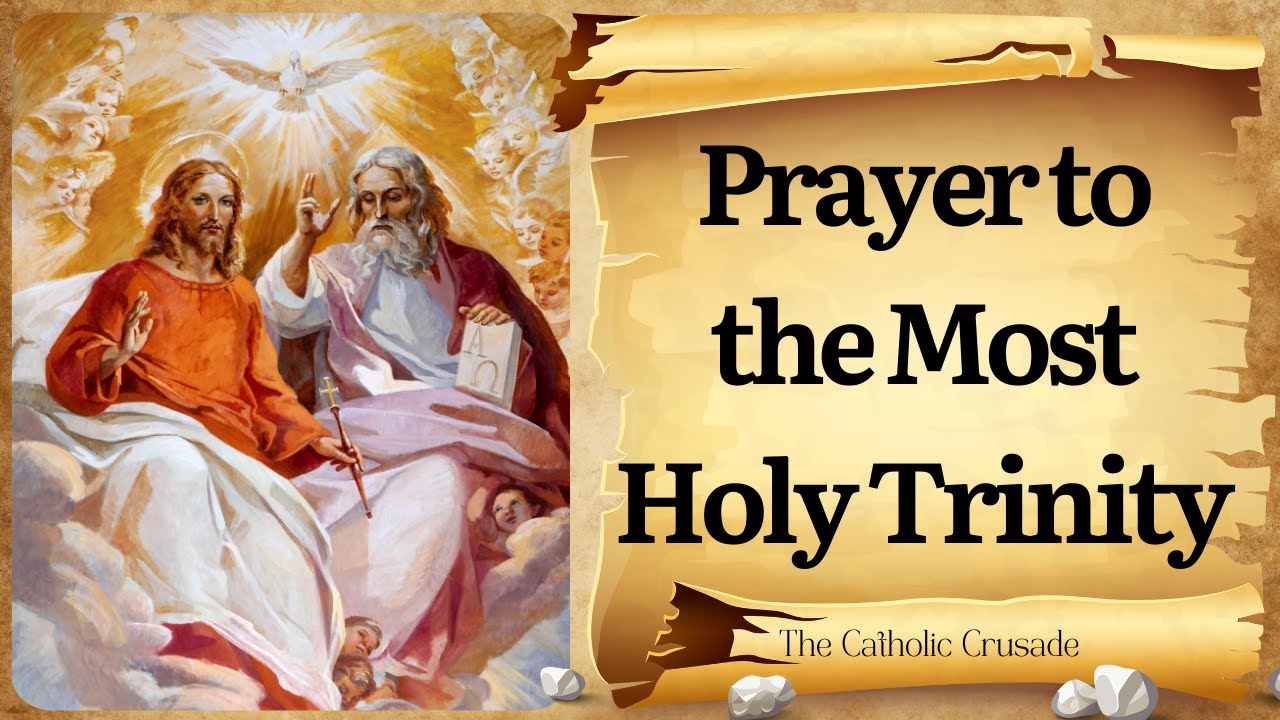
Prayers to the most holy trinity: a complete guide for everyday devotion
Prayers to the most holy trinity sit at the heart of Christian worship and daily devotion, drawing believers into the love and life of the Father, the Son, and the Holy Spirit. Whether you are rediscovering faith, seeking a richer prayer life, or simply curious about classic Christian spirituality, this guide explains what these prayers are, why they matter, and how to pray them with understanding and confidence.
In the simplest terms, prayers to the most holy trinity are prayers addressed to God as three divine Persons in one Godhead. They express praise, gratitude, petition, and adoration to the Triune God, and they can be used privately or with others, at church or at home. What follows is a friendly, practical overview that blends basics, examples, common pitfalls, and time-tested ways to make these prayers part of everyday life.
What are prayers to the most holy trinity?
At their core, prayers to the most holy trinity acknowledge the mystery that Christians confess: one God in three Persons—Father, Son, and Holy Spirit—equal in glory, co-eternal and consubstantial. These prayers are not simply abstract theology; they are acts of love and worship that invite us into the very communion of God.
Many Christians encounter these prayers through the Sign of the Cross, the doxology known as the “Gloria Patri” (“Glory be to the Father…”), or in liturgical texts throughout the Church year—not least on Trinity Sunday. In personal devotion, prayers to the most holy trinity help balance our attention among the Persons of the Godhead, guarding against a one-sided focus and fostering a fuller, more biblical relationship with God.


Biblical and historical foundations for prayers to the most holy trinity
While the word “Trinity” does not appear explicitly in Scripture, the pattern of Father, Son, and Holy Spirit runs through the Bible. Jesus commands baptism “in the name of the Father and of the Son and of the Holy Spirit” (Matthew 28:19), and St Paul’s blessing—often used to conclude services—invokes “the grace of the Lord Jesus Christ and the love of God and the fellowship of the Holy Spirit” (2 Corinthians 13:14). For a clear overview of the doctrine and its development, see the encyclopaedic summary on the Trinity at Wikipedia’s detailed article on the Trinity.
Historically, Christians distilled their belief in the Triune God in creeds and liturgical forms. Trinity Sunday, celebrated across many traditions, highlights this central truth; the Church of England’s official page on the day provides context and prayers suitable for parish and home use: Common Worship resources for Trinity Sunday. Across centuries and cultures, prayers to the most holy trinity have offered a stable, unifying language of worship that keeps Christian prayer rooted in God’s self-revelation.
Why pray to the Trinity?
Prayers to the most holy trinity shape Christian life in several ways. They teach us to adore God for who He is, not simply for what He gives. They remind us that salvation is a work of the whole Godhead: the Father sends the Son; the Son redeems; the Spirit sanctifies. Such prayer cultivates balance—worship that neither forgets the Father, nor sidelines the Son, nor neglects the Holy Spirit. It also expands our hearts, inviting us to mirror the unity-in-diversity we see in God through unity, love, and mutual self-giving in our relationships and communities.
Classic forms of prayers to the most holy trinity
The doxology (Gloria Patri)
One of the most widely used prayers to the most holy trinity is the “Glory Be,” often said at the end of psalms or prayer times: “Glory be to the Father, and to the Son, and to the Holy Spirit; as it was in the beginning, is now, and ever shall be, world without end. Amen.” It is short, scripturally shaped, and endlessly adaptable to personal prayer.
The Sign of the Cross
Making the Sign of the Cross while saying, “In the name of the Father, and of the Son, and of the Holy Spirit,” is both a profession of faith and a bodily prayer. It can begin and end times of prayer, sanctify daily tasks, or mark moments of gratitude and need. As a simple way to root your day in God, it is among the most practical prayers to the most holy trinity.
The Trisagion and Eastern Christian devotions
In Eastern Christian traditions, including the Orthodox churches, the “Trisagion” (“Holy God, Holy Mighty, Holy Immortal, have mercy on us”) regularly frames worship. While not a direct mention of the Trinity, it is often understood and prayed in a Trinitarian key. To understand these practices in context, see our introduction to the Eastern Orthodox Church. Incorporating such prayers to the most holy trinity can enrich Western-style devotions by adding a sense of awe and timeless reverence.
Morning and evening prayers
Here are two short, traditional-style prayers to the most holy trinity you can adopt immediately:
- Morning: “Most Holy Trinity—Father, Son, and Holy Spirit—I adore you and give you thanks for this new day. Grant me your light to know the good, your love to will the good, and your strength to do the good, for your glory. Amen.”
- Evening: “Most Holy Trinity, I praise you for your mercy today. Forgive my sins, heal my heart, and keep me in your peace as I rest. Father, guard me; Jesus, save me; Holy Spirit, sanctify me. Amen.”
These prayers to the most holy trinity are flexible: add specifics (people you’ll meet, tasks ahead, worries, and thanksgiving) to keep them living and personal.
How to compose your own prayers to the most holy trinity
If you are new to crafting prayers to the most holy trinity, try this simple framework:
- Begin with adoration. Name God as Father, Son, and Holy Spirit. Confess His holiness and love.
- Anchor with Scripture. Use a short verse—e.g., “The grace of the Lord Jesus Christ…” (2 Corinthians 13:14).
- Give thanks. Recall specific gifts from the Father (creation and providence), the Son (redemption and mercy), and the Spirit (guidance and holiness).
- Confess and receive. Admit sins honestly, and ask for cleansing through Christ and renewal in the Spirit.
- Ask and intercede. Present your needs, family, community, Church, and world to the Father in Jesus’ name by the Holy Spirit’s power.
- Dedicate your day. Offer your time, words, and actions back to God’s glory.
- Conclude with a doxology. End with “Glory be…” or a similar Trinitarian praise.
Sample template you can adapt: “Heavenly Father, through your beloved Son, Jesus Christ, and in the Holy Spirit, I praise your holy Name. Thank you for today’s gifts. Forgive my sins; strengthen my faith; and guide my steps. Teach me to love as you love. Make my work fruitful for your kingdom. Most Holy Trinity, receive my life and keep me steadfast in hope. Amen.” Used daily, such personal prayers to the most holy trinity become an anchor for the heart.
A simple 7-day devotional using prayers to the most holy trinity
Here is a one-week pattern that helps balance adoration, thanksgiving, repentance, and petition, using prayers to the most holy trinity as your core structure:
- Day 1 (Father): Praise the Father as Creator and Giver. Thank Him for life, family, and provision. Ask for trust in His care.
- Day 2 (Son): Honour Jesus for salvation and teaching. Confess sins; receive mercy. Pray for courage to follow His way.
- Day 3 (Spirit): Welcome the Holy Spirit’s guidance. Ask for wisdom, purity, and spiritual gifts rightly ordered to love.
- Day 4 (Unity of the Trinity): Pray for unity in your relationships and church, reflecting the unity-in-diversity of God.
- Day 5 (Mission): Intercede for friends, colleagues, and the world. Ask the Triune God to make you a witness of grace.
- Day 6 (Healing and mercy): Present wounds, anxieties, and needs for healing in Christ, asking the Spirit’s comfort.
- Day 7 (Praise and rest): Offer pure adoration. Repeat classic prayers to the most holy trinity and rest in God’s presence.
Repeat weekly, noting how God answers and reshapes your heart through consistent prayers to the most holy trinity.
Examples of longer prayers to the Most Holy Trinity
An intercessory prayer
“Most Holy Trinity, Father, Son, and Holy Spirit, you are love from all eternity. Father, source of every good, look with mercy upon the world you created. Lord Jesus Christ, Word made flesh and Saviour, heal the broken-hearted and draw sinners to your mercy. Holy Spirit, Comforter and Fire of love, renew your Church, strengthen families, and guide our leaders in justice and peace. Unite us in your truth and lead us to everlasting joy. Glory be to you, O God—Father, Son, and Holy Spirit—now and for ever. Amen.”
A prayer of consecration
“Triune God, I belong to you. Father, I place my life in your hands. Jesus, I rest in your redeeming love. Holy Spirit, dwell in me and make me holy. I consecrate my mind, words, and actions to your glory. Teach me to love as you love, to forgive as you forgive, and to hope as you promise. Receive my heart this day, Most Holy Trinity, and keep me faithful. Amen.”
Common mistakes to avoid with prayers to the most holy trinity
- Overcomplicating the mystery. The Trinity is profound, but prayer should be clear and heartfelt. Avoid jargon; keep it simple.
- Neglecting one Person. Healthy prayers to the most holy trinity honour the Father, the Son, and the Holy Spirit without imbalance.
- Treating prayer as mechanical. Repetition is good; mindless repetition is not. Let familiar words deepen attention, not replace it.
- Praying without Scripture. A verse or two steadies the heart and shapes prayer in God’s revealed truth.
- Forgetting to listen. Include silence. Prayer is communion, not a monologue.
Adapting prayers to the most holy trinity for different traditions and settings
Across the Christian family, believers share a common confession of the Triune God while praying in distinct accents. Roman Catholics often weave prayers to the most holy trinity through the Mass and the Rosary’s doxologies. Anglicans and Methodists regularly use the Gloria Patri and Trinitarian collects. Orthodox Christians chant the Trisagion, use “O Heavenly King” (to the Spirit), and embed Trinitarian honour throughout the Divine Liturgy. Reformed and Evangelical traditions emphasise Trinitarian endings to prayers and strong biblical proclamation of the Father’s saving plan in the Son by the Spirit.
These differences show breadth, not division. If you are exploring how widespread such worship is, you might be interested in the scale of global Christianity, which can help contextualise how many believers participate in Trinitarian devotion: see this overview of how many Christians there are worldwide. Whether you pray alone, as a family, or in a small group, the essentials hold: adore the Father, confess Christ as Lord, and welcome the Spirit’s sanctifying presence.
Bringing prayers to the most holy trinity into everyday life
- Bookend your day: Begin with the Sign of the Cross and a short Trinitarian prayer; end with the Gloria Patri and examen.
- Use reminders: Add a small note with “Father, Son, Holy Spirit” to your workspace to prompt short prayers to the most holy trinity during the day.
- Pray Scripture: Turn Matthew 28:19 or 2 Corinthians 13:14 into personal petitions and praises.
- Sing your prayer: Use a familiar hymn with Trinitarian verses to lift your heart when words are hard to find.
- Share it: Pray a brief Trinitarian blessing over meals or with family at bedtime.
Recommended external resources
- Orthodox Church in America: The Holy Trinity—doctrine and devotion
- Catholic Encyclopedia (New Advent): Comprehensive article on the Holy Trinity
Related articles
Frequently asked questions about prayers to the most holy trinity
Is it acceptable to pray to one Person of the Trinity rather than to all three at once?
Yes. Christians commonly address the Father, the Son, or the Holy Spirit at different times. Because the Persons are one God, honour to one is honour to all. That said, regularly using prayers to the most holy trinity helps keep our devotion balanced and our faith explicitly Trinitarian.
Do I need to understand the Trinity fully before praying?
No. The Trinity is a revealed mystery. You do not need to solve it to pray it. Begin with simple, heartfelt words—“Glory be to the Father, and to the Son, and to the Holy Spirit”—and let the Church’s prayer shape your understanding over time.
Are there particular Scriptures to use in prayers to the most holy trinity?
Yes. Helpful verses include Matthew 28:19; 2 Corinthians 13:14; John 1:1–18; John 14–16; Ephesians 1; and Revelation 4–5. You can pray these passages directly or turn them into short praises and petitions.
How can families introduce children to Trinitarian prayer?
Keep it simple and regular. Begin and end family prayers with the Sign of the Cross. Teach the Gloria Patri. Use a brief daily blessing: “God bless you—in the name of the Father, and of the Son, and of the Holy Spirit.” Short, repeated prayers to the most holy trinity help truth settle in young hearts.
What if I find the language of the Trinity confusing?
Start with practices before technical terms. Use
