Prayers to the virgin mary: essential, updated guide to 7 key prayers
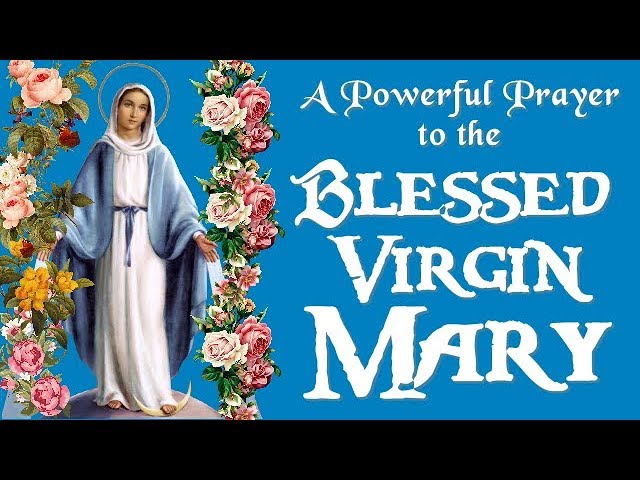
prayers to the virgin mary: meaning and place in Christian life
For many Christians around the world, prayers to the virgin mary offer a gentle, steady way to draw closer to Jesus Christ through his mother. Whether you are new to faith, returning after a long time, or simply curious about Christian spirituality, this guide explains what Marian prayer is, why it matters, and how you can make it part of your everyday life in a thoughtful, authentic way.
At heart, prayers to the virgin mary are a request for her intercession: asking Mary to pray with us and for us. Far from replacing prayer to God, Marian devotion points towards Christ. Across the centuries, people have found in Mary a model of trust, courage and humility, and millions turn to her in times of need, gratitude, and joy.
What are prayers to the virgin mary?
In Christian tradition—especially within Catholic and Orthodox communities—prayers to the virgin mary are devotional prayers directed to Mary, the mother of Jesus, asking her to intercede before God on our behalf. Because Christians believe Mary is alive in Christ, united to him in heaven, we can ask her to pray for us just as we ask a close friend to pray for us.
Biblical roots: Mary in Scripture
The Gospels place Mary at key moments in salvation history. In Luke 1, Gabriel greets her as “full of grace,” and she consents to God’s plan with the words, “Let it be to me according to your word.” In the Magnificat (Luke 1:46–55), she praises God’s mercy and justice. At Cana (John 2), she intercedes for a wedding couple and tells the servants, “Do whatever he tells you,” pointing us to obedience to Christ. At the Cross (John 19), Jesus entrusts Mary to the beloved disciple—understood by many as a sign that she is given to the Church as a spiritual mother.


Intercession explained: why ask Mary to pray?
Christians often ask one another to pray; prayers to the virgin mary follow the same logic, extended to the communion of saints in heaven. Mary’s closeness to Christ makes her a trusted advocate. Importantly, Christians distinguish veneration (honouring Mary) from worship (due to God alone). Devotions to Mary are meant to deepen love of Jesus and strengthen daily discipleship.
Intercession also includes the saints and angels—companions on our journey of faith. For instance, some people regularly seek the protection and help of Michael the Archangel while focusing their main petitions on God. Marian prayer sits naturally within this broader Christian practice of asking holy ones to pray with us.
Core Marian prayers used worldwide
Over the centuries several prayers have become cherished across cultures. Below are a few of the most common, with brief notes on their meaning and when to use them.
The Hail Mary
The Hail Mary draws on Luke’s Gospel and is the backbone of the Rosary. It is simple to learn and easy to pray throughout the day:
“Hail Mary, full of grace, the Lord is with thee;
Blessed art thou among women,
and blessed is the fruit of thy womb, Jesus.
Holy Mary, Mother of God,
pray for us sinners,
now and at the hour of our death. Amen.”
Many begin their practice of prayers to the virgin mary by learning the Hail Mary and saying it slowly, with attention, a few times a day.
The Memorare
The Memorare is a heartfelt appeal to Mary’s help, often prayed in urgent need or anxiety:
“Remember, O most gracious Virgin Mary, that never was it known that anyone who fled to thy protection, implored thy help or sought thy intercession was left unaided. Inspired by this confidence, I fly unto thee, O Virgin of virgins, my Mother; to thee do I come, before thee I stand, sinful and sorrowful. O Mother of the Word Incarnate, despise not my petitions, but in thy mercy hear and answer me. Amen.”
The Angelus and the Regina Caeli
The Angelus is a brief devotion recited at morning, midday, and evening to remember the Incarnation—God becoming man in Jesus, through Mary’s yes. It pairs well with daily rhythms (before breakfast, at lunch, and around sunset). In the Easter season, the Regina Caeli (“Queen of Heaven, rejoice”) replaces the Angelus to celebrate the Resurrection. For background and text, see this concise overview of the prayer and custom: history and practice of the Angelus.
The Magnificat
The Magnificat is Mary’s song from Luke 1:46–55. Rooted in Scripture, it praises God who raises the lowly and fills the hungry with good things. Many Christians recite or chant the Magnificat each evening as part of daily prayer, letting Mary’s words shape their outlook with gratitude and hope.
Salve Regina and Sub tuum praesidium
The Salve Regina (“Hail, Holy Queen”) closes the traditional five-decade Rosary and is often used at night. The Sub tuum praesidium (“Under your protection”) is one of the oldest known Marian prayers, asking for shelter in times of trial. These prayers show how Christians across centuries have turned to Mary in trust and confidence.
How to begin with prayers to the virgin mary
If you are just starting, keep it simple and consistent. The point is not to accumulate long texts, but to pray with attention, love, and regularity. The following steps can help you establish a balanced practice of prayers to the virgin mary that fits real life.
Praying the Rosary: step-by-step
The Rosary is a meditative way to pray with Mary, contemplating the life of Christ through a sequence of prayers. To get started:
- Begin with the Sign of the Cross, then the Apostles’ Creed, one Our Father, three Hail Marys (for faith, hope, and charity), and a Glory Be.
- Announce the first “mystery” (a scene from the life of Jesus, such as the Annunciation) and reflect on it quietly.
- Pray one Our Father, then ten Hail Marys while pondering the mystery, followed by a Glory Be (and, if you wish, the Fatima Prayer).
- Repeat for five mysteries (Joyful, Sorrowful, Glorious, or Luminous, depending on the day or personal choice).
- Conclude with the Salve Regina and any personal intentions.
Don’t rush. It is better to pray one decade slowly than five in a hurry. Over time, the Rosary can become a peaceful anchor in your day and a profound way to live out prayers to the virgin mary with focus on Christ.
Short daily devotions: simple and sustainable
- Say one Hail Mary when you wake up and one before sleep.
- Pray the Angelus at midday, or set a daily reminder to pause and recall God’s presence.
- Keep a small list of intentions and bring them to Mary each day, asking her to pray for those you love.
Creating a prayer space
A small corner with a candle, a Bible, and an image of Mary (such as an icon) can help you focus. In such a space, prayers to the virgin mary may feel more grounded and attentive. If you share a home, set simple boundaries that protect five quiet minutes each day for prayer.
Practical intentions for prayers to the virgin mary
People bring every kind of concern to Mary. Here are some practical ways to focus your petitions, always trusting that God hears and answers in wisdom and love.
For guidance and discernment
When facing big decisions—work, relationships, finances—ask Mary to help you hear God’s call clearly. A short prayer might be: “Mary, Seat of Wisdom, pray for me as I seek what is true and good.” Such prayers to the virgin mary are not magic; they are an honest opening of the heart to God’s will.
For comfort in suffering
Mary knew sorrow: the flight into Egypt, losing Jesus in the Temple, and standing at the Cross. In illness, grief, or anxiety, turn to her as a compassionate mother: “Mary, Mother of Sorrows, stay with me.” Many people keep a small rosary in a pocket or bag to pray a decade when pain flares or worries crowd in.
For family and community
Families often pray together before meals, at bedtime, or on Sundays. One or two Hail Marys said aloud can gently gather everyone. You can also “spiritualise” the ordinary: offer household chores, commutes, or walks as moments for quiet prayers to the virgin mary, entrusting neighbours, colleagues, and world events to her care.
Common mistakes and how to avoid them
Because devotion is personal, people sometimes run into misunderstandings. Consider these common pitfalls and practical fixes as you grow in prayers to the virgin mary.
- Mistaking veneration for worship: Honour Mary as Christ’s mother; worship belongs to God alone. If you feel unsure, conclude your Marian prayers by explicitly praising the Holy Trinity.
- Rushing or multitasking: Slow down. If time is tight, choose one Hail Mary prayed with full attention rather than many said mechanically.
- Forgetting Scripture: Marian devotion flourishes when nourished by the Bible. Read Luke 1–2, John 2 and 19, and reflect on how Mary points to Jesus.
- Treating prayer like a transaction: God is not a vending machine. Bring your needs honestly, and be patient. Ask Mary to help you trust and to notice small signs of grace.
- Neglecting charity: Let prayer bear fruit. After time spent in prayers to the virgin mary, ask, “Whom can I encourage today?” and act on it.
Understanding differences across Christian traditions
Marian devotion looks different across the Christian world. In the Catholic Church, the Rosary, the Angelus, and Marian feasts are widely observed. The Orthodox also honour Mary (Theotokos, “God-bearer”) with beautiful hymns and icons, especially in the Divine Liturgy and the Akathist hymn. To appreciate this, you might value an accessible overview of the Eastern Orthodox Church, noting both shared beliefs and distinctive practices.
Many Anglicans and some Protestants pray with Mary more cautiously, focusing on biblical texts like the Magnificat. Others prefer to keep intercessory prayer directed only to God. If you come from a different background, feel free to learn, adapt, and keep Christ at the centre. Whatever your tradition, there is room to respect each other’s convictions while recognising the rich heritage of prayers to the virgin mary across centuries.
Learning more: trustworthy background and texts
For official Catholic teaching, see the Vatican’s brief commentary on Marian devotion in the Catechism: Catechism of the Catholic Church on devotion to the Blessed Virgin (CCC 971). For commonly used texts and helpful formats, the US Bishops provide a reliable set of traditional prayers here: official collection of Marian prayers. For a historical overview of Mary’s role in Christianity, see Encyclopaedia Britannica’s article on Mary, mother of Jesus. If you are curious about set times and customs, read this succinct introduction to the Angelus.
Examples you can use today
If you would like ready-made words to begin, these brief forms may help. You can say them as they are, or adapt them.
- Morning: “Mary, Mother of Jesus, walk with me today. Help me to notice God’s presence and to love generously.”
- Before work: “Seat of Wisdom, guide my thoughts and actions. Pray for me as I serve others.”
- In anxiety: “Mary, gentle and strong, pray for me. Hold my hand as I wait for God’s light.”
- For family: “Holy Mary, keep our home in peace. Pray for us to be patient, forgiving, and joyful.”
- At night: One decade of the Rosary reflecting on a scene from Jesus’s life, closing with “Mary, Mother of Mercy, pray for us.”
How to teach children simple Marian devotion
Keep it short, visual, and rooted in storytelling. Read Luke 1 and talk about Mary’s courage. Show a gentle image or icon and invite a single Hail Mary at bedtime. As children grow, explain that prayers to the virgin mary are simply asking Jesus’s mum to pray for us—just as we ask grandparents or friends. Avoid pressure; normalise the habit by praying calmly and consistently yourself.
When prayer feels dry
Everyone experiences dry spells. If prayers to the virgin mary feel empty, try one of these gentle resets:
- Switch from spoken words to silent presence for a few minutes, holding a simple phrase like “Mary, be with me.”
- Read the Magnificat slowly and underline one line to carry through the day.
- Offer a practical act of kindness and call it your prayer for today, asking Mary to bless the person you help.
Internal context: faith across the world
Marian devotion sits within the wider family of global Christianity. To appreciate the scale and diversity of believers who may use prayers to the virgin mary, it helps to know the wider picture of Christian communities worldwide; you can find a clear overview here: how many Christians are there in the world?
Frequently asked questions about prayers to the virgin mary
Is praying to Mary the same as worship?
No. In Christian theology, worship (adoration) belongs to God alone. Honouring Mary is called veneration. When we use prayers to the virgin mary, we ask her to pray for us and to help us follow Jesus more closely—never to replace God or take his place.
Can non-Catholics say these prayers?
Yes, if they wish. Many non-Catholics appreciate the biblical Magnificat or a short Hail Mary. Others prefer to keep prayer directly addressed to God. If you are exploring prayers to the virgin mary from another tradition, start with Scripture-based devotions and remain faithful to your own conscience and church teaching.
When is the best time to pray?
Anytime. Common patterns include a brief morning prayer, the Angelus at midday, a decade of the Rosary during a walk, and a night prayer before bed. Regularity matters more than length. Small, steady habits make prayers to the virgin mary a natural part of your day.
What if I struggle with repetitive prayer like the Rosary?
Try praying more slowly and focus on one line or one image from the Gospel scene. If your mind wanders, gently return without self-criticism. You can also split the Rosary into single decades across the day. The aim of prayers to the virgin mary is not to “tick boxes” but to let Christ’s life shape your heart.
Are there miracles associated with Marian prayer?
There are many testimonies of answered prayers and reported miracles connected to Marian devotion. The Church evaluates such claims carefully. Whether or not you see extraordinary results, the ordinary “miracles” of peace, courage, and renewed love are frequent fruits of sincere prayer.
How can I involve my parish or small group?
Consider a short monthly Rosary before a meeting, a shared Angelus at midday on retreat, or a simple novena leading up to a Marian feast. Keep it accessible; print the prayers and explain gently. Collective prayers to the virgin mary can strengthen bonds and focus a community on Christ.
