Priest exorcism prayer: essential, professional guide with 7 key steps
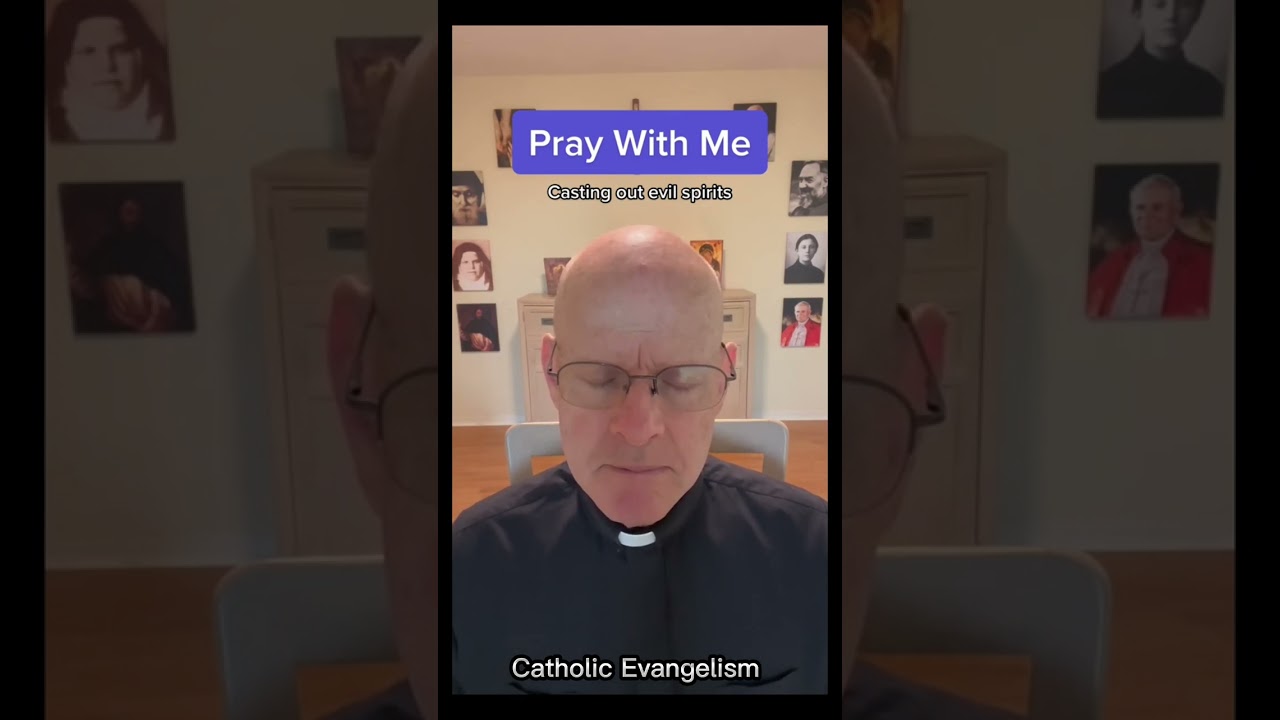
priest exorcism prayer
A priest exorcism prayer is a specific form of Christian prayer used by an authorised cleric to seek liberation for a person or place believed to be afflicted by evil. It sits within a wider pastoral context of care, discernment, and safeguarding, and it is never a spectacle. While popular culture tends to dramatise the theme, a genuine priest exorcism prayer is deliberate, careful, and grounded in the long tradition of the Church.
This guide explains what a priest exorcism prayer is, why it matters, and how it is approached responsibly. It offers clear concepts, common practices, and gentle corrections to myths, so that non-experts can understand the subject without sensationalism. Throughout, keep in mind that only properly trained clergy with appropriate permission conduct formal exorcisms, and that good pastoral care will always consider medical and psychological factors alongside spiritual questions.
Understanding the priest exorcism prayer: basic concepts
At its heart, a priest exorcism prayer is an appeal to God for protection, healing, and freedom. In Christian belief, evil is real yet limited, and God’s authority is supreme. An exorcism prayer, therefore, does not rely on magical formulas but on faith in Christ and the power of the Holy Spirit. In most traditions, the priest invokes the name of Jesus, proclaims Scripture, and asks for the intercession of the saints, especially in the Roman Catholic and Orthodox Churches.
What exorcism is and is not
Exorcism is a particular kind of prayer of deliverance. It is not a punishment, a public performance, or a quick fix. Nor is it a substitute for therapy or medicine. Responsible pastors stress that a priest exorcism prayer is part of a continuum of care that includes confession, pastoral counselling, ordinary blessings, and community support. It is undertaken only after careful discernment and, where appropriate, consultation with healthcare professionals.

Minor versus solemn exorcism
Traditions vary, but a helpful distinction is often made between “minor” and “solemn” (or “major”) exorcisms. Minor exorcisms are simple prayers for protection and deliverance that any baptised person may pray over themselves or within a community setting; many liturgies include such prayers, for instance in rites for catechumens. A solemn priest exorcism prayer, by contrast, is a formal rite reserved to an authorised priest acting under the oversight of a bishop. This solemn rite follows an approved liturgical text, is never improvised, and is conducted with pastoral discretion.
When and why a priest exorcism prayer may be considered
Churches approach this question with caution and compassion. A priest exorcism prayer may be considered when someone presents persistent disturbances that are not explained by ordinary causes, and where careful pastoral discernment suggests a spiritual affliction. Even then, clergy will typically look for corroborating signs, observe the person’s well-being over time, and seek professional assessments to rule out medical or psychological conditions.
Pastoral discernment and safeguarding
Before a priest exorcism prayer is proposed, responsible ministers will ask: What is the person’s support network? Are there risks of exploitation, abuse, or neglect? Is the language of “possession” likely to harm rather than help? Safeguarding is central, with good practice insisting on accountable procedures, the presence of another trusted person, and clear boundaries about confidentiality and aftercare. No coercion is ever acceptable; the person’s dignity and freedom remain paramount.
Working with medical and psychological professionals
Reputable guidelines emphasise collaboration with clinicians. A priest exorcism prayer is not an alternative to professional care; it is a spiritual intervention alongside appropriate medical or psychological support. This is why many dioceses require assessments and permissions before any solemn rite is attempted.
How a priest exorcism prayer fits within Christian traditions
Roman Catholic practice
In Roman Catholicism, a solemn priest exorcism prayer may only be carried out by a priest explicitly authorised by the bishop. The Church’s teaching on exorcism, found in the Catechism of the Catholic Church (paragraph 1673), places the rite among the sacramentals and warns against superstition. The contemporary ritual, published in 1999, underlines prudent discernment, scriptural foundations, and pastoral care throughout the process.
Anglican and Protestant perspectives
Anglican churches often speak of “deliverance ministry” rather than formal exorcism, maintaining careful oversight to ensure safety and theological clarity. Many Protestant communities also prefer pastoral prayers for freedom and healing under the broader category of spiritual care. In all cases, a priest exorcism prayer, where used, is shaped by scripture, accountability, and humility.
Eastern Orthodox approaches
Eastern Orthodox practice includes prayers of deliverance embedded in a rich liturgical life, with a strong emphasis on confession, fasting, and sacramental participation as part of spiritual healing. For broader background on the ethos and worship life that inform these practices, see this concise overview of the Eastern Orthodox Church, which provides helpful context even though it is not a manual for exorcism.
Elements commonly found in a priest exorcism prayer
Although forms vary across traditions, a priest exorcism prayer typically includes the following elements:
- Invocation of the Holy Trinity, affirming that deliverance comes from God, not human force.
- Proclamation of Scripture, especially passages emphasising Christ’s authority and saving work.
- Renunciation of evil and sin, sometimes inviting the afflicted person to affirm their baptismal promises.
- Sober commands in the name of Jesus Christ, not delivered theatrically, but with pastoral authority.
- Use of sacramentals such as the sign of the cross, holy water, and, in some traditions, relics or blessed oil.
- Intercessory prayers, sometimes invoking the help of saints; devotion to Saint Michael is common in Western traditions. To learn more about this figure, see who is Michael the Archangel.
- Prayers for protection, peace, and continued healing after the rite concludes.
These components are integrated thoughtfully, never mechanically. The intention is not to “force” a result but to open space for God’s grace, while maintaining the person’s dignity and safety.
A careful overview of the process around a priest exorcism prayer (not a DIY guide)
It is important to be clear: this is not a set of instructions to self-administer an exorcism. A solemn priest exorcism prayer always takes place under authorised pastoral care. That said, understanding the general flow can be reassuring for those seeking help.
- Initial conversation: The person (or a family member) meets discreetly with a priest or pastoral leader to share concerns. The aim is to listen non-judgementally and gather a picture of the situation.
- Discernment and referrals: If spiritual affliction is suspected, the minister may involve a diocesan deliverance adviser, medical professionals, or mental health specialists. This protects the person and avoids harmful misdiagnosis.
- Permissions and preparation: In churches that require formal approval, the priest seeks permission from the bishop. Preparation may include prayer, fasting, confession, and practical arrangements to ensure privacy and safeguarding.
- The rite itself: A priest exorcism prayer follows a recognised liturgy. The atmosphere is calm, not theatrical. Supportive people may be present, and the focus remains on God’s mercy and truth.
- Follow-up and aftercare: Ongoing pastoral support is crucial. Many find healing through continued prayer, sacraments, supportive community, and professional care where needed.
Pastoral care before and after a priest exorcism prayer
Ministers will encourage the ordinary means of grace—prayer, scripture reading, worship, and pastoral counsel—before and after any formal rite. When a priest exorcism prayer occurs, it is part of a longer journey that may include reconciliation (confession), spiritual direction, and attention to practical life issues such as sleep, relationships, and routine. Healing is often gradual. Even when a dramatic change occurs, wise pastors help individuals to integrate that experience into a stable, healthy life.
Community support matters too. A trusted friend or family member can help with encouragement, keeping appointments, and maintaining healthy boundaries. Responsible clergy will communicate clearly about expectations, timing, and the limits of what can be promised. The goal is sustained spiritual and emotional well-being, not a one-off event.
Ethical questions, myths, and common mistakes about priest exorcism prayer
Because the topic has been sensationalised, several misunderstandings circulate. Addressing them helps protect those seeking help.
- Mistaking ritual for magic: A priest exorcism prayer is not a spell. Its effectiveness lies in God’s action and the person’s openness to grace, not in forceful words.
- Ignoring mental health: Symptoms that resemble spiritual disturbance may have medical or psychological causes. Skipping professional assessment can delay the right support.
- Publicity and performance: Broadcasting or live-streaming a priest exorcism prayer is unethical and harmful. The rite should protect privacy, not attract attention.
- DIY exorcisms: Individuals should not attempt solemn rites on their own. Personal prayers for protection are good; formal exorcism requires training and authorisation.
- Over-spiritualising everything: Not every struggle is demonic. Balanced pastors also look for everyday stressors, trauma histories, and pastoral issues.
Language, symbols, and the tone of a priest exorcism prayer
Words matter. The language used in a priest exorcism prayer is sober and respectful, avoiding threats or theatrical displays. Commands, when present, are rooted in Christ’s authority and are not expressions of human power. Symbols such as holy water and the sign of the cross are used reverently, as reminders of God’s covenantal love. Music, lighting, and the presence of holy images may support the rite in some traditions, but simplicity is often best to avoid distraction.
Above all, the tone remains pastoral and hopeful. Even when evil is addressed directly, the overarching message proclaims God’s mercy and the person’s dignity. In most accounts of responsible ministry, those involved describe peace, clarity, and prayerful silence as essential virtues of the setting.
Recommended external resources
If you want reputable, non-sensational information on exorcism within Christian tradition, these resources are useful starting points. They outline the theology, the safeguards, and the pastoral care surrounding a priest exorcism prayer.
- Catechism of the Catholic Church, paragraph 1673 on exorcism (official Vatican text)
- USCCB overview: Exorcism and the Church’s Ministry of Healing
- Church of England guidance on deliverance ministry and good practice
- Background article: Exorcism in the Catholic Church (Wikipedia)
Related articles
Frequently asked questions about priest exorcism prayer
Is a priest exorcism prayer always dramatic?
No. In reality it is usually calm and reverent. The focus is prayer, scripture, and pastoral care, not noise or confrontation. Responsible ministers take pains to avoid drama and protect the person’s dignity.
How do churches decide if a priest exorcism prayer is appropriate?
They start with careful listening and basic pastoral care. If concerns persist, leaders may consult diocesan advisers and refer the person for medical or psychological assessment. Only after this discernment, and with appropriate permissions, would a solemn rite be considered.
What is the difference between a deliverance prayer and a solemn priest exorcism prayer?
Deliverance prayers are general petitions for protection and freedom that any Christian may offer. A solemn priest exorcism prayer is a formal, regulated rite performed by an authorised priest under episcopal oversight. The latter involves stricter protocols and safeguarding.
Can lay people pray for protection without a priest?
Yes. Christians often pray for God’s protection using simple prayers, psalms, and the Lord’s Prayer. What lay people should not do is attempt a solemn exorcism. If someone believes there is a grave problem, they should contact their local parish or diocesan office for guidance.
What if a priest exorcism prayer seems not to “work” immediately?
Ministry is not a mechanical process. Healing may be gradual. Ongoing pastoral care, participation in the sacraments (where applicable), and continued professional support are important. The aim is holistic well-being, not a single dramatic moment.
Is it dangerous to seek a priest exorcism prayer?
In reputable settings with trained ministers and safeguarding in place, it should not be dangerous. The real risks tend to arise when untrained individuals attempt unsanctioned rituals, or when situations are mishandled without sensitivity to mental health or personal dignity.
Conclusion on priest exorcism prayer
A priest exorcism prayer is a focused form of Christian intercession carried out by authorised clergy within a framework of discernment, pastoral care, and safeguarding. Far from the sensational images seen in films, it is prayerful and measured, grounded in the conviction that God’s love is stronger than evil and that every person deserves respect, privacy, and support.
Understanding the principles behind a priest exorcism prayer helps non-experts to recognise responsible practice: collaboration with professionals, clear permissions, careful preparation, and compassionate aftercare. Common elements—from the invocation of the Trinity to scriptural proclamation—fit within a sober liturgical context rather than dramatic confrontation.
If you or someone you know is exploring this area, the wisest first step is not to seek a spectacle, but to speak discreetly with a trusted pastor. With balanced guidance and due diligence, a priest exorcism prayer, when genuinely called for, can serve the wider goal of healing and peace in a person’s life.
