The prayer glory to god: complete guide with 3 essential keys

The prayer glory to god: meaning, history, and how to use it today
The prayer glory to god is one of the most radiant expressions of Christian praise. Known widely as the “Gloria” or “Gloria in Excelsis Deo,” it distils joyful worship into a single, sweeping hymn of adoration. In this guide, we explore what the prayer is, where it comes from, how it is used in churches and in personal devotion, and how you can pray it with understanding and confidence.
At its heart, the prayer glory to god declares God’s holiness, mercy, and saving work in Jesus Christ. It is a prayer of praise rather than petition; we do not ask for anything, but instead we respond to God’s goodness. Whether you encounter it in a Sunday service or wish to incorporate it into your private prayer life, understanding its shape and message will deepen your worship.
Because the prayer glory to god crosses denominational lines—used in Catholic, Anglican, Lutheran, and Orthodox traditions—it offers a shared language of faith. Its biblical echoes and historic pedigree make it a steadying anchor in an age of constant change, reminding us to lift our eyes and hearts in thanksgiving.
What is the prayer glory to god?
In Christian liturgy, the prayer glory to god refers to the Gloria in Excelsis Deo, a hymn of praise traditionally sung or said near the start of the service. It begins with the angels’ song recorded in Luke 2:14—“Glory to God in the highest”—and expands into a rich proclamation of who God is and what he has done. Its structure moves from praise of God the Father, through a confession of Christ’s lordship and mercy, to a concluding doxology naming the Holy Trinity.

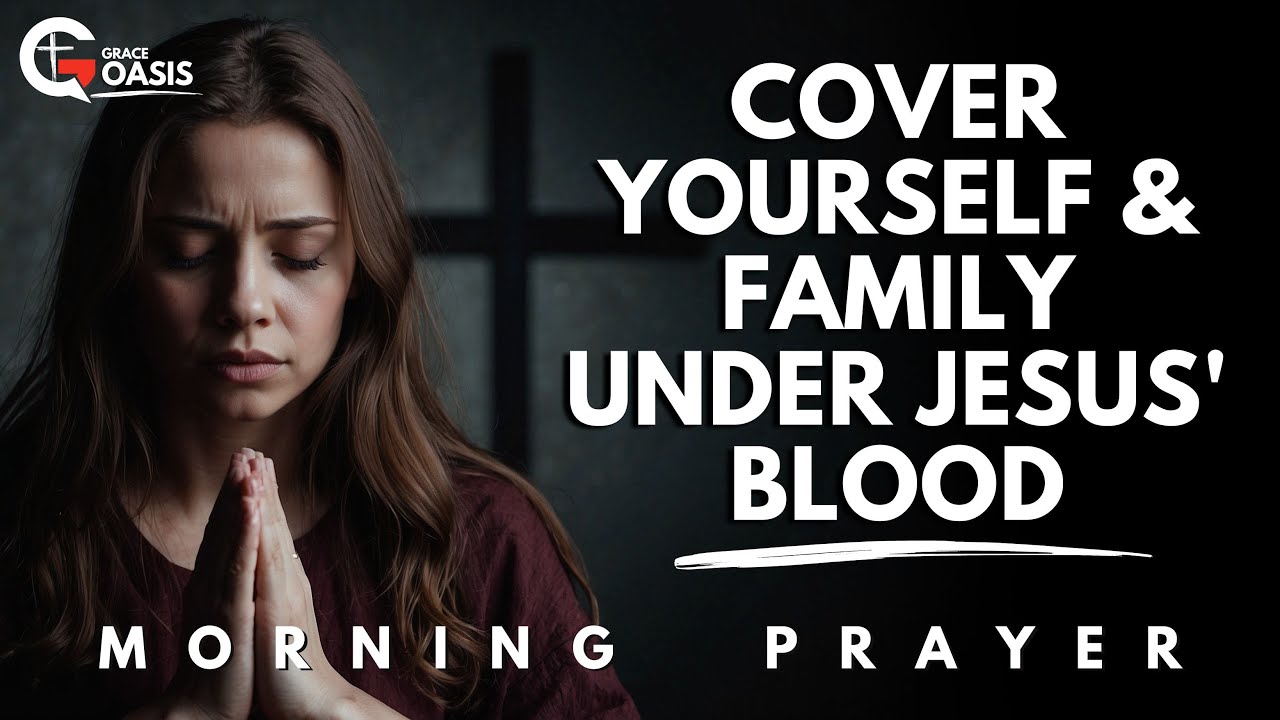
Most commonly, the prayer glory to god is heard on Sundays and major feasts. In Roman Catholic worship, it is typically omitted during Advent and Lent to reflect the more restrained tone of those seasons, then returns with full celebration at Christmas and Easter. In Anglican and Lutheran services, you will often hear it on Sundays outside penitential seasons as part of Holy Communion.
Origins in Scripture and the early Church
The first line of the Gloria comes directly from Scripture, and the rest developed as an early Christian hymn. By the fourth century, versions existed in both Greek and Latin. Early Christians used it in morning prayer and at the Eucharist, recognising that praise is the Christian’s first response to God’s saving love. Many scholars note that the hymn grew by accretion, with phrases and titles for Christ added over time to express the Church’s developing confession of faith. As such, the prayer glory to god is both ancient and living, a testimony passed down by countless worshippers.
Where it appears in worship today
In the Roman Rite of the Catholic Church, the Gloria appears after the penitential act on Sundays and solemnities. Anglican Churches often place it after the Kyrie or later in the service. In the Eastern traditions, there are versions known as the “Great Doxology” used especially at Matins. However it is set, the aim is the same: to praise God with joy. For more on Anglican practice, you can consult the Church of England’s Common Worship materials, and for Catholic guidance the General Instruction of the Roman Missal outlines placement and use. For Orthodox context, see our overview of the Eastern Orthodox Church, which explains the worship pattern in which doxologies appear.
Why the prayer matters: themes and theology of the prayer glory to god
Behind the beauty of the words sits a coherent theology. When we offer the prayer glory to god, we publicly confess truths that define Christian faith and shape daily life. Here are the main themes that surface each time the Gloria is prayed:
- Adoration before petition: The Gloria sets praise first. It teaches us that prayer begins with acknowledging who God is before we move to our needs.
- Christ-centred praise: The hymn names Jesus as Lord, only Son, Lamb of God, and takes us straight to the heart of the gospel—his mercy and his saving work.
- Trinitarian shape: The conclusion explicitly glorifies the Father, Son, and Holy Spirit, reinforcing Christian belief in the one God who is Trinity.
- Peace and goodwill: Echoing the angels’ message, the prayer ties glory with peace on earth, linking worship with the ethical call to love and reconciliation.
- Joyful realism: The prayer admits we need mercy even as we rejoice. This blend of joy and truth keeps praise from becoming sentimental or shallow.
These themes are not abstract. The prayer glory to god is a weekly rehearsal of the Christian story: creation’s praise, Christ’s redemption, and the Spirit’s sanctifying presence. To pray it attentively is to let the gospel reframe the week’s worries and our own self-focus.
How to pray the prayer glory to god
If you attend a service where the Gloria is used, simply joining in mindfully is a valuable starting point. But you can also pray it privately or with family and friends. The aim is not to recite words mechanically, but to let the meaning lead your heart into grateful worship. The following steps will help you enter into the prayer glory to god:
- Settle your focus: Take a few slow breaths. Remember you are in God’s presence, and that prayer is response to his love.
- Pray the opening line: “Glory to God in the highest, and peace to his people on earth.” Pause and allow the words to shape your posture—uplifted to God, open to peace.
- Move through the titles: As you speak the names of God—Lord, heavenly King; Lord Jesus Christ, only Son of the Father—let each title evoke a reason for gratitude.
- Receive mercy: When you say “you take away the sin of the world, have mercy on us,” name quietly where you need that mercy today.
- End in praise: Conclude with the doxology to the Holy Trinity, lifting your heart in simple adoration rather than analysis.
When using the prayer glory to god in personal devotions, you may speak it aloud or in silence. Some find it helpful to stand, reflecting the honour given to God in ancient worship; others sit to meditate slowly on each phrase. The right posture is the one that helps you pay attention.
For personal prayer
Try a “slow reading” approach. Speak a single line of the prayer, pause for twenty or thirty seconds, and let a word or phrase linger. If one line particularly touches you on a given day—perhaps “we worship you, we give you thanks”—stay with it. The point is not to finish quickly but to engage deeply.
For family or small groups
Alternate voices between leader and group, or assign different lines to different people. This shared pattern echoes how the prayer is used in church and helps everyone participate. Encourage a brief silence afterwards to savour what has been prayed.
For musicians and choirs
Because the Gloria is a hymn of praise, it is often sung. If you are a musician, consider teaching a simple setting that is singable without accompaniment. Keep the tempo bright but not rushed, so the words remain clear. When the prayer glory to god is sung with understanding, melody and meaning reinforce one another.
Examples and variations of the prayer glory to god
Though the heart of the text is shared across traditions, there are variations. Western churches usually employ a form beginning with “Glory to God in the highest,” followed by a sequence of praise and Christological titles. Anglican and Catholic versions are very close, though minor word differences appear depending on translation. For quick background and text history, see this overview of the Gloria in Excelsis Deo.
In the Eastern Churches, you will encounter the “Great Doxology,” used primarily at Matins. It opens similarly with “Glory to God in the highest,” then continues with alternating lines of praise and petition in a different order. For an accessible introduction to the Eastern form, this short article on the Great Doxology explains its use and wording. While the structures differ, the intent is the same: the prayer glory to god calls the Church to stand in awe, rejoicing in the God who saves.
Within the Roman Catholic Mass, the placement and seasonal use are guided by the Church’s rubrics. The General Instruction of the Roman Missal (GIRM) describes when the Gloria is said or sung and its role in the liturgy. For a practical, line-by-line text used in English-speaking Catholic parishes, the United States Conference of Catholic Bishops provides the standard wording of the Gloria within the Order of Mass.
Common mistakes and how to avoid them
Because it is familiar, it is easy to drift into repeating the prayer without attention. Here are common pitfalls and how to avoid them when using the prayer glory to god:
- Reciting too quickly: The Gloria is praise, not a race. Slow down just enough to mean what you say.
- Turning it into a shopping list: The prayer teaches us to adore God first. Resist the urge to insert private requests; let praise lead the way.
- Skipping the Christ-centred core: Don’t let the central confession—Jesus as Lord and Lamb of God—blur into the background. Emphasise those lines when praying aloud.
- Missing the Trinitarian ending: The conclusion names Father, Son, and Holy Spirit. Pray it attentively; it anchors the prayer in the fullness of Christian belief.
- Neglecting peace: The opening promise of “peace on earth” has practical implications. After praying, ask how you can be an agent of peace today.
Practical tips to integrate the prayer glory to god into daily life
While the Gloria has a natural home in corporate worship, it can fruitfully shape daily rhythms. Here are simple ways to weave it into your week:
- Morning praise: Use the opening lines as your first words on rising. It frames the day in gratitude rather than anxiety.
- After good news: When you receive encouraging news, respond with the prayer glory to god. It redirects credit to the Giver of all good gifts.
- Before major tasks: Say the prayer slowly before a demanding meeting or decision. It reminds you that God is Lord, not your to-do list.
- In family prayers: Once a week, pray it together at the dinner table. Children learn theology by ear as well as by instruction.
- With music: Learn a simple sung version. Singing often helps the words take root in memory and heart.
As you integrate this prayer, it helps to remember you are joining a global chorus. For a sense of the wider Church, see a brief survey of how many Christians in the world, which offers context for the breadth of Christian worship and practice.
Recommended external resources
- Historical background and text of the Gloria in Excelsis Deo (Wikipedia)
- Overview of the General Instruction of the Roman Missal (GIRM) (Wikipedia)
- Authorised English text of the Gloria within the Order of Mass (USCCB)
- Explanation of the Great Doxology used in Eastern Churches (Wikipedia)
Related articles
Frequently asked questions about the prayer glory to god
What exactly is “the Gloria” and is it the same as the prayer glory to god?
Yes. “The Gloria” is the common name for the prayer glory to god, also known by its Latin opening, Gloria in Excelsis Deo. It is a structured hymn of praise used in many Christian liturgies and begins with the angelic proclamation from Luke 2:14.
When is the Gloria used in church services?
Usage varies by tradition, but in many churches the Gloria appears on Sundays and major feast days. In the Roman Catholic Rite, it is omitted during Advent and Lent to match the reflective tone of those seasons, then returns at Christmas and Easter. Anglican and Lutheran services have similar patterns, though local practice may differ.
Is the Gloria a request for things, or pure praise?
It is primarily pure praise. While it includes a plea for mercy—acknowledging Christ as the Lamb of God who takes away the sins of the world—its overall shape is adoration. That is why praying the prayer glory to god is a healthy counterbalance to petition-heavy prayer routines.
Can I pray the Gloria on my own, or is it only for church?
You can certainly pray it privately. Many people use it in morning prayer or as a joyful response to good news. The key is to pray slowly and attentively, letting the meanings guide your worship. In groups, alternating voices helps everyone participate.
Is the Gloria the same across all denominations?
The core content is similar, but there are variations in wording and placement. Western churches commonly use closely aligned texts, whereas Eastern traditions use the “Great Doxology,” which follows a different structure while serving the same purpose of praise. The prayer glory to god, in each case, gathers the faithful to celebrate God’s greatness and mercy.
Why does the Gloria mention peace on earth?
It echoes the angels’ message at Christ’s birth: God’s glory and human peace belong together. By praying for peace within praise, we link worship to daily action. The prayer invites us to become instruments of that peace in our homes, workplaces, and communities.
How can I avoid saying the prayer by rote?
Slow the pace and emphasise key lines—especially the titles of Christ and the Trinitarian ending. Try a “slow reading” practice, pausing between phrases, or sing a simple setting. Above all, approach the prayer as a fresh response to God, not a box to tick.
Conclusion on the prayer glory to god
The Gloria is more than a familiar hymn; it is the Church’s joyful heartbeat. Rooted in Scripture and refined through centuries of worship, the prayer glory to god guides us to begin with praise, centre on Christ, and end in the light of the Trinity. Whether voiced in a cathedral, a small chapel, or your living room, it invites us into the posture for which we were made—adoration.
By understanding its themes and history, and by praying it
