The virgin mary in prayer: essential guide and 7 key insights
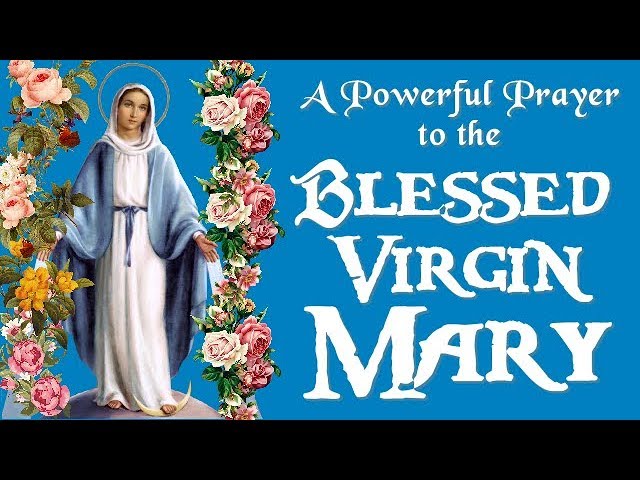
the virgin mary in prayer
The phrase the virgin mary in prayer evokes both a serene image from Christian art and a living tradition of devotion that has shaped the faith of millions. For some, it means contemplating paintings or icons of Mary with uplifted hands, the Orans posture of the early Church. For others, it means praying with Mary through the Rosary, the Angelus, or the Magnificat, asking her to intercede while focusing on Jesus Christ. In this guide, we explore why the virgin mary in prayer matters, how different Christian traditions understand it, and practical ways to engage with this rich spiritual heritage.
Whether you are curious, beginning a devotional practice, or revisiting long‑held habits, this article aims to clarify essentials, answer common questions, and suggest respectful, grounded approaches. We will look at biblical roots, early history, art and iconography, and everyday steps that make the virgin mary in prayer approachable and meaningful without ever confusing veneration with worship.
Why the virgin mary in prayer matters today
In a fast‑moving world, many adults are rediscovering contemplative, structured, and communal forms of spirituality. The virgin mary in prayer offers a bridge between Scripture, tradition, and daily life: Mary’s words in the Magnificat challenge complacency, her companionship comforts the anxious, and her example as a disciple encourages perseverance. Beyond personal piety, the virgin mary in prayer has influenced music, art, literature, and social care inspired by her concern for the lowly and the poor.
- It is Christ‑centred: authentic Marian devotion leads to Jesus, echoing Mary’s “Do whatever he tells you” (John 2:5).
- It is biblical: Mary’s own prayer, the Magnificat (Luke 1:46–55), is saturated with Scripture.
- It is communal: shared practices such as the Rosary or the Angelus frame time and foster solidarity.
- It is pastoral: many find comfort and courage by contemplating the virgin mary in prayer, especially in times of fear, grief, or decision‑making.
Who is Mary and what does her prayer signify?
Mary of Nazareth is presented in the Gospels as the mother of Jesus, humble and courageous, attentive to God’s word. Her yes (the “Fiat”) to the angel Gabriel, her song of praise, and her presence at the foot of the Cross give Christians a portrait of trust under pressure. The early Church confessed Mary as Theotokos (God‑bearer) to safeguard the truth that Jesus is truly God and truly human. In this light, Mary’s prayer is not an isolated piety but a window onto the mystery of Christ.

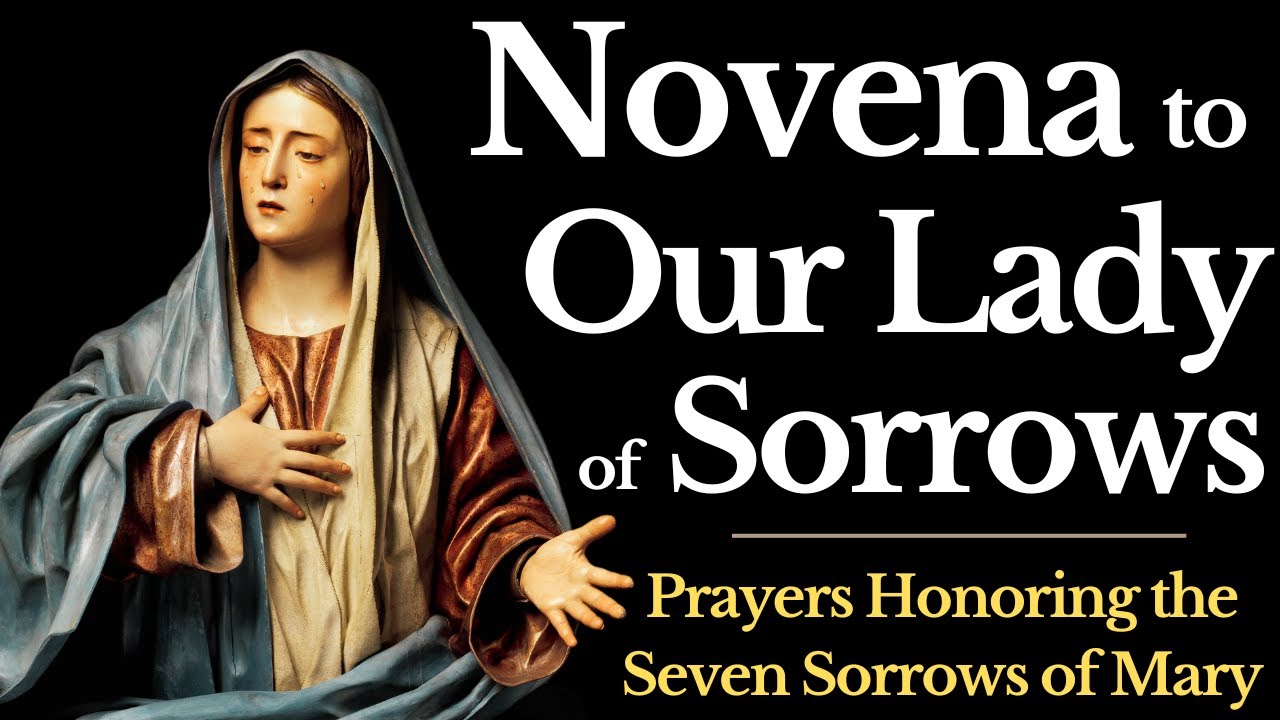
For many Christians, turning to the virgin mary in prayer means asking her to pray with and for us, just as we might ask a trusted friend. The language differs across traditions, but the intention is consistent: to honour Mary because of her unique role in salvation history and to seek her intercession while keeping God as the ultimate focus of worship.
Understanding devotion: veneration versus worship
A common confusion is the difference between honouring Mary and worshipping God. In classical Christian theology, worship (latria) belongs to God alone. The saints are honoured (dulia), and Mary is given a special honour (hyperdulia) because of her singular vocation as the mother of Jesus. The virgin mary in prayer, rightly understood, fits within this framework: it expresses love and respect, not adoration.
Within Protestant communities, some are cautious about any practice that might distract from Christ. Others, notably many Anglicans, observe Marian feasts and prayers in ways clearly directed to God. When practised with clarity, the virgin mary in prayer can enrich, not diminish, a Christ‑centred faith.
The virgin mary in prayer across Christian traditions
Catholic devotion and the virgin mary in prayer
In the Catholic Church, devotion to Mary is both ancient and carefully ordered. The Rosary invites participants to meditate on the life of Christ through a set of mysteries while repeating biblical prayers like the Hail Mary and the Our Father. The Angelus punctuates morning, midday, and evening with a brief remembrance of the Incarnation. To understand doctrinal and pastoral guidance on Marian devotion, see the Catechism and approved prayers provided by the bishops; for instance, the United States Conference of Catholic Bishops’ Hail Mary text and notes explain the prayer’s scriptural basis and purpose.
Catholic teaching emphasises that the virgin mary in prayer leads believers to contemplate Christ more deeply. Marian feasts, pilgrimages, and family devotions often serve as gateways to the sacraments and to works of mercy inspired by Mary’s Magnificat.
Eastern Orthodox insights into the virgin mary in prayer
Orthodox Christians address Mary chiefly as Theotokos, reflecting the Church’s confession at the Council of Ephesus (AD 431). Icons, hymns, and liturgical texts give a vivid sense of the virgin mary in prayer, especially the Akathist Hymn and the Orans iconographic type that shows Mary with upraised hands interceding for the world. To explore this tradition, the Greek Orthodox Archdiocese’s overview of the Theotokos offers helpful introductions to titles, feasts, and prayers.
Understanding this in its ecclesial context can be easier if you are familiar with Orthodoxy more generally; a concise overview of the Eastern Orthodox Church sets the scene for how Marian devotion functions within worship, iconography, and the liturgical year.
Anglican and Protestant perspectives on the virgin mary in prayer
Anglicanism holds together reverence for Mary and a strong emphasis on Scripture. Many Anglican churches commemorate her in the calendar, and some use prayers from Common Worship. For official liturgical texts, see the Church of England’s Common Worship resources for the Blessed Virgin Mary. Across other Protestant traditions, views range from enthusiastic appreciation for Mary as a model disciple to cautious distance from any formal invocation. Whatever the approach, the core insight remains: Mary points to Jesus.
Globally, estimates of Christian populations show how practices vary by region and tradition; understanding how many Christians there are worldwide helps explain why the virgin mary in prayer can look very different from one community to another while remaining anchored in shared biblical narratives.
Iconography and art: images of the virgin mary in prayer
From the catacombs to contemporary chapels, art has taught the faithful to see theology. The Orans pose—Mary with open hands uplifted—appears in early Christian imagery as a visual theology of intercession. Medieval and Renaissance artists often depict the virgin mary in prayer at the Annunciation or at the Nativity, underscoring her attentive listening to God’s word and her motherly care.
The Orans posture
In Eastern icons, the Orans type symbolises the Church at prayer: Mary stands with hands raised, often with the Christ Child shown within a medallion at her breast, uniting Incarnation and intercession. To gaze upon such an icon is to contemplate both the mystery of Christ and the communion of saints.
Western paintings and statues
Western traditions frequently show Mary kneeling with folded hands, reading Scripture, or cradling the infant Christ. These artworks invite reflection on the virgin mary in prayer as a model of humility and joy. Many find these images helpful as prompts for lectio divina (prayerful reading) or silent contemplation.
How to use sacred images wisely
- Let images be signposts, not destinations: they should direct your heart to God.
- Attend to posture and gesture: what does Mary’s stance teach you about trust?
- Notice Scripture embedded in art: scenes of the Annunciation or Visitation recall Luke’s Gospel.
- Keep balance: the virgin mary in prayer complements, not replaces, worship of God.
Praying with Mary: practical ways
If you are new to Marian devotion, start simply and steadily. The aim is not to collect prayers but to deepen love for Christ. Here are accessible practices that place the virgin mary in prayer at the service of a flourishing spiritual life.
The Rosary in brief
The Rosary is a meditative cycle reflecting on key events (mysteries) from the lives of Jesus and Mary. It interweaves the Our Father, the Hail Mary, and the Glory Be, offering a rhythmic backdrop for contemplation. A typical daily pattern takes 15–25 minutes.
- Begin with the Sign of the Cross and the Apostles’ Creed.
- Pray one Our Father, three Hail Marys (for faith, hope, charity), and one Glory Be.
- Announce the first mystery; pray one Our Father and ten Hail Marys, then a Glory Be.
- Repeat for five mysteries, concluding with a final prayer and the Sign of the Cross.
As you pray, let the scenes unfold in your imagination. The focus is on Christ, seen through Mary’s eyes. The virgin mary in prayer becomes your companion as you ponder the Gospel.
The Angelus and the Regina Caeli
The Angelus marks morning, noon, and evening with a short dialogue recalling the Annunciation and Incarnation. In the Easter season, it is replaced by the Regina Caeli, expressing Easter joy. Either practice can shape your day quietly around God’s presence.
The Magnificat as daily prayer
Mary’s own song (Luke 1:46–55) can be prayed slowly, line by line. You might add a brief silence after each sentence, asking how the words challenge or comfort you. The virgin mary in prayer speaks prophetically here—exalting God, lifting the lowly, feeding the hungry.
Personal intercessions
Many find it helpful to speak to Mary simply: “Mother Mary, pray for me as I face this meeting” or “pray for those who suffer.” Keep it short, honest, and Christ‑oriented. Consider journalling a line or two after, noting any insights or resolutions.
The virgin mary in prayer in everyday life
Devotion matures when it bears fruit in action. The Magnificat’s vision of God overturning injustice challenges us to examine our habits and priorities. Set aside time each week to ask how the virgin mary in prayer is reshaping your attitude to neighbours, money, and time. Perhaps you will feel drawn to volunteer, to write a letter of encouragement, or to restore a strained relationship.
Common mistakes to avoid
- Confusing veneration with worship: honour Mary, worship God.
- Treating prayers as magic formulas: the heart’s disposition matters more than repetition.
- Neglecting Scripture and the sacraments: Marian devotion should deepen your engagement with the Church’s life.
- Forgetting balance: the virgin mary in prayer belongs within the wider call to love God and neighbour.
History and development of devotion to the virgin mary in prayer
The earliest known Marian prayer, Sub tuum praesidium (“Under your protection”), dates to the third century, showing how quickly Christians sought Mary’s help amidst hardship. The Council of Ephesus (AD 431) affirmed her as Theotokos, and devotion developed through hymns, litanies, and feasts. Medieval Europe saw the spread of the Rosary; the Reformation re‑examined practices, yet even then Mary remained a biblical exemplar. Today, scholarship such as Britannica’s overview of Mary, mother of Jesus offers a neutral starting point for those wishing to understand the historical pathways that shape how we see the virgin mary in prayer.
Across continents and cultures, the church has held together doctrinal clarity and pastoral warmth. From monastic choirs chanting the Salve Regina to laypeople pausing for the Angelus bell, the virgin mary in prayer has quietly sustained generations in faith, hope, and love.
Recommended external resources
- Text and background of the Hail Mary from the USCCB for a brief biblical grounding of a central Marian prayer.
- Greek Orthodox Archdiocese: Theotokos for Orthodox titles, feasts, and perspectives on Mary’s intercession.
- Church of England Common Worship texts for the Blessed Virgin Mary for Anglican liturgical resources and collects.
- Encyclopaedia Britannica: Mary, mother of Jesus for a concise historical and biographical overview.
Related articles
Frequently asked questions about the virgin mary in prayer
Is praying with Mary the same as worship?
No. Christian tradition distinguishes between worship (for God alone) and veneration (honour given to the saints, with a unique honour for Mary). The virgin mary in prayer is a way to ask her intercession and to meditate on Christ; it does not replace worship of God.
What is a simple way to begin?
Start with the Magnificat once a day. Read it slowly, then keep one phrase in mind as you go about your tasks. Alternatively, pray one decade of the Rosary (ten Hail Marys with an Our Father and a Glory Be) while reflecting on a single Gospel scene. Keep the virgin mary in prayer brief, sincere, and Christ‑focused.
Do Protestants ever pray with Mary?
Some do, particularly within Anglican and Lutheran traditions, often using Scripture‑based texts and collects. Others prefer to honour Mary as a model of faith without specific prayers for her intercession. Wherever you stand, you can still contemplate the virgin mary in prayer as an example of humble discipleship.
Is there biblical support for Marian devotion?
Key passages include the Annunciation (Luke 1:26–38), the Visitation and Magnificat (Luke 1:39–56), the Wedding at Cana (John 2:1–11), and Mary at the Cross (John 19:25–27). These texts show Mary’s role in salvation history and her pattern of trust. The virgin mary in prayer grows from these Scriptures.
How can art and icons help my prayer?
Use images as guides to contemplation. Spend a few minutes observing posture, gestures, and symbols. Ask: what is God teaching me through this? Let the image draw you into silence. When used this way, images of the virgin mary in prayer can gently anchor attention and stir hope.
What if I feel distracted or repetitive?
That is normal. Slow down, breathe, and focus on a single phrase or mystery. Quality matters more than quantity. If a set form feels dry, shift to a psalm, the Magnificat, or silent thanksgiving. The virgin mary in prayer should serve your growth in love, not become a burden.
Conclusion on the virgin mary in prayer
The heart of this tradition is simple: to see Christ more clearly through the eyes of his mother. When practised thoughtfully, the virgin mary in prayer honours God’s work in Mary while deepening our own trust in Jesus. It need not be elaborate; a quiet Magnificat, a decade of the Rosary, or a brief Angelus can gently sanctify an ordinary day.
Across centuries and cultures, Christians have found in Mary a companion, intercessor, and teacher of attentive love. The virgin mary in prayer invites us to listen, to hope, and to act with mercy—echoing her song that God lifts the lowly and fills the hungry. Begin where you are, keep Christ at the centre, and let this enduring practice mature into a steady source of consolation and courage.
However you engage—through Scripture, sacred art, or set devotions—remember that
