What is the prayer to the virgin mary never known to fail quick guide
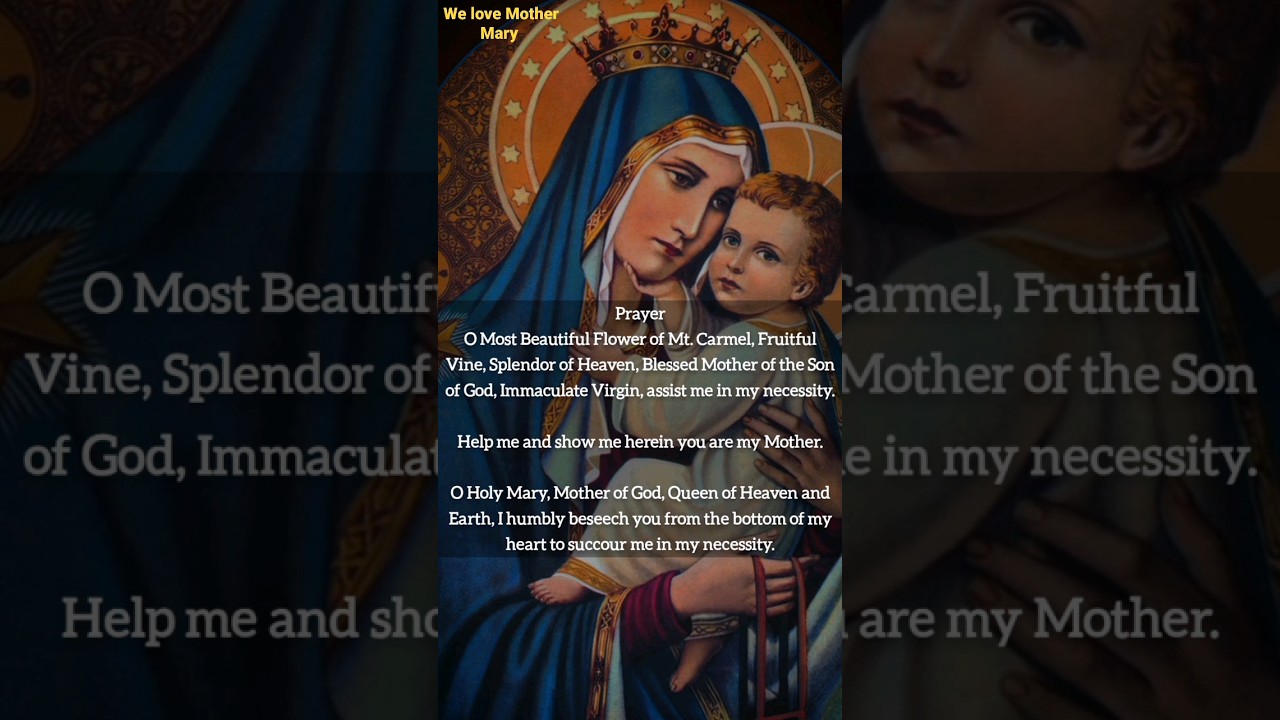
what is the prayer to the virgin mary never known to fail
If you have ever heard Catholics mention a powerful Marian prayer and wondered what is the prayer to the virgin mary never known to fail, you are most likely hearing about the Memorare. This deeply loved short prayer turns to Mary, the mother of Jesus, asking for her help with confidence. While the description “never known to fail” is devotional rather than doctrinal, the prayer has consoled countless believers and encouraged steady trust in God’s mercy through Mary’s intercession.
In this guide, we explain clearly what the prayer is, where it comes from, how to pray it, and why it matters. We will also explore the meaning of its bold language, the difference between faith and superstition, and how to integrate it sensibly into everyday life. By the end, you will have a calm, balanced answer to what is the prayer to the virgin mary never known to fail and how to use it fruitfully.
Understanding what is the prayer to the virgin mary never known to fail
When people ask what is the prayer to the virgin mary never known to fail, they usually refer to the Memorare. The English text widely used today runs as follows:
“Remember, O most gracious Virgin Mary, that never was it known that anyone who fled to thy protection, implored thy help, or sought thy intercession, was left unaided. Inspired by this confidence, I fly unto thee, O Virgin of virgins, my Mother; to thee do I come, before thee I stand, sinful and sorrowful. O Mother of the Word Incarnate, despise not my petitions, but in thy mercy hear and answer me. Amen.”


This prayer is not a magic formula. Instead, it expresses a Christian truth: God is generous, and Mary, as the mother of Jesus, prays for us. The bold line “never was it known” is devotional language that encourages trust in God’s faithfulness, not a guarantee that we will receive precisely what we want in the way or timing we expect.
Origins and meaning of the Memorare
Historically, the Memorare is often linked to Saint Bernard of Clairvaux, though the exact origins are more nuanced. The familiar text was popularised in the 17th century by Fr Claude Bernard, who distributed it widely in times of suffering and need. Its Latin opening, “Memorare, O piissima Virgo Maria,” gives the prayer its name. For a well-sourced overview, see the Memorare prayer history and text, which summarises the scholarship behind its authorship and spread.
At heart, the Memorare is a plea for help “in confidence.” It treats Mary not as an alternative to God, but as an intercessor: one who prays for us to the Lord. This aligns with the Catholic understanding that the saints love us and intercede for us in Christ. The Catechism of the Catholic Church (see CCC 971) explains the nature of devotion to Mary, clarifying that honour given to her always leads us to her Son. In other words, when you ask what is the prayer to the virgin mary never known to fail, the answer involves both the text of the Memorare and the wider theology of intercession and trust.
How Catholics use the prayer today
In practice, the Memorare is often used when someone faces uncertainty, illness, a job search, family conflict, exams, or spiritual struggle. It also appears in novenas (nine-day cycles of prayer), as a stand-alone devotion, or alongside the Rosary. Some pray it once in the morning, others repeat it several times a day during times of stress. Asking what is the prayer to the virgin mary never known to fail is really asking: how can I bring my needs to God in a way that nourishes faith, hope, and love? The Memorare has endured because it helps do exactly that.
When to pray the Memorare
- In a moment of urgent need, to regain peace and clarity.
- As part of a daily prayer routine, building a habit of trusting God.
- Before important decisions, to ask for wisdom and serenity.
- During family prayer, to unite intentions and strengthen mutual support.
- In a novena, often combined with other traditional prayers.
How to pray it: a simple step-by-step
- Pause and become aware of God’s presence. Breathe slowly and focus your attention.
- Address Mary with respect, remembering she always points to Christ.
- State your intention simply: what you are asking for and why.
- Pray the Memorare carefully and slowly, allowing each line to sink in.
- Conclude with a moment of silence or a short personal prayer for God’s will.
If you are still wondering what is the prayer to the virgin mary never known to fail in terms of practical use, it is essentially an act of trust: you place your concern into loving hands and keep walking in faith.
Why do some say it is “never known to fail”?
This phrase is inherited from devotional tradition. It emphasises how many people, over centuries, have experienced help after praying the Memorare. It does not mean the prayer secures a guaranteed outcome in the way a contract might. Rather, it voices Christian confidence that God hears, and that Mary, as a loving mother, intercedes powerfully. The outcomes may be unexpected: sometimes the grace received is interior strength, reconciliation, courage, or patience—gifts that are no less valuable than a swift solution.
Thus, when people ask what is the prayer to the virgin mary never known to fail, a wise response includes this perspective: the “success” promised by Christian prayer is deeper alignment with God’s will, real help in time of need, and enduring hope—even when the circumstances take time to change.
Text of the prayer and helpful variations
There are minor variations in wording across translations, but the substance remains the same. You can find the officially approved text on reputable sites such as the USCCB’s page for the Memorare or a simple presentation on Loyola Press: Memorare to the Blessed Virgin Mary. Choose a wording that is faithful and helps you pray with attention. Some people also like to add a short closing aspiration, such as, “Mary, Mother of the Church, pray for us.”
Related devotions: building a balanced prayer life
The Memorare sits within a wider tapestry of Marian devotion and Christian prayer. Two classic options include the Hail Mary and the Rosary. The Salve Regina (Hail, Holy Queen) and the ancient Sub Tuum Praesidium are also cherished. If you are exploring what is the prayer to the virgin mary never known to fail because you feel drawn to pray more regularly, consider pairing the Memorare with a short time of Scripture reading or quiet reflection each day. Over time, this rhythm helps to anchor you in God’s presence.
Common mistakes to avoid
- Treating the prayer as a charm. The Memorare is not a guarantee of a specific result, but a path to trust and openness to God’s will.
- Praying only when in crisis. Regular prayer builds resilience for life’s difficult seasons.
- Rushing. Slow down slightly so that each line of the Memorare shapes your intention.
- Forgetting gratitude. A brief thanksgiving—no matter the outcome—nurtures humility and hope.
- Isolating yourself. Where appropriate, ask friends or a prayer group to join you, so your request is carried by a community of faith.
Examples of how the Memorare can help
Consider three typical scenarios. First, a parent anxious about a child’s health: praying the Memorare can bring calm, enabling the parent to think clearly and make wise decisions while trusting God’s care. Second, someone facing redundancy: praying daily for a fortnight can support a hopeful, disciplined job search, and ease the pressure of uncertainty. Third, a person wrestling with guilt or discouragement: the Memorare’s line “sinful and sorrowful” resonates, opening the heart to mercy and encouraging a good confession or a conversation with a trusted mentor. All three show why people keep asking what is the prayer to the virgin mary never known to fail—it is a lived source of consolation.
Historical and ecumenical context
Marian devotion is strongest in Catholicism, but respect for Mary is present across Christian traditions, though expressed differently. If you are exploring wider Christian perspectives, you might find it helpful to read a concise overview of the Eastern Orthodox Church: beliefs and traditions, as Orthodox Christians also hold Mary (Theotokos) in profound honour within their liturgical life. Understanding these contexts can clarify how the Memorare fits within the broader Christian landscape.
Devotion to Mary is one thread among many in global Christianity. For a sense of the faith’s reach and diversity, see this overview of how many Christians in the world, which offers useful context for how widespread Marian devotion and other Christian practices can be, varying by region and culture.
Making the Memorare part of daily life
Simple practices to try
- Set a recurring reminder at midday to pause and pray the Memorare.
- Before a difficult meeting or phone call, whisper the first line and place the moment in God’s hands.
- Combine the Memorare with a brief evening examen: name one gratitude, one struggle, and one hope.
- In family life, pray it together once a week, inviting each person to add a short intention.
For times of crisis
- Pray it slowly three times, focusing on a single request each time (e.g., clarity, courage, charity).
- Write your intention on paper; after praying, fold it and place it under a crucifix or by an icon as a visual reminder to keep trusting.
- Ask a friend to join you in a nine-day Memorare novena, so you feel supported and less alone.
Recommended external resources
- Historically grounded overview of the Memorare prayer
- Official USCCB text of the Memorare
- Catechism on veneration of Mary (CCC 971): devotion leads to Christ
- Loyola Press: plain-language guide to the Memorare
Related articles
Frequently asked questions about what is the prayer to the virgin mary never known to fail
Is the Memorare officially the answer to what is the prayer to the virgin mary never known to fail?
Yes, in common Catholic usage, the Memorare is what most people mean when they ask what is the prayer to the virgin mary never known to fail. The phrase reflects long-standing popular confidence in Mary’s intercession, not a doctrinal guarantee of specific outcomes.
Does “never known to fail” mean I will get exactly what I ask for?
No. The phrase is devotional. God always hears sincere prayer, and Mary intercedes for us, but answers may come differently than expected—sometimes as patience, courage, healing of relationships, or an open door at the right time. Christian prayer seeks God’s will and our true good.
Can non-Catholics pray the Memorare?
Yes. Many non-Catholic Christians respect Mary as the mother of Jesus and are comfortable asking for her prayers. Others may prefer to pray directly to God without saintly intercession. The key is to pray sincerely and in a way that nourishes love for Christ.
How often should I pray it?
There is no strict rule. Some pray it once a day, others during moments of stress. In a novena, it is common to pray the Memorare daily for nine days. What matters most is attention, trust, and perseverance.
May I combine it with other devotions?
Absolutely. Many people say the Memorare before or after the Rosary, or alongside a short Scripture reading. Pairing the prayer with quiet reflection often deepens its effect.
Is it acceptable to use modern language versions?
Yes. The core meaning remains the same across faithful translations. Choose a text that helps you pray attentively and with confidence in God.
Conclusion on what is the prayer to the virgin mary never known to fail
In summary, when we ask what is the prayer to the virgin mary never known to fail, the most accurate answer is the Memorare—a brief, time-tested plea for help through Mary’s intercession. Its bold words invite confidence, reminding us that God is faithful and that the mother of Jesus prays for his people with tender care.
Prayed well, the Memorare is not a promise of instant fixes but a steadying act of trust that shapes our hearts. It can be said in a moment of pressure, woven into a daily routine, or used in a novena. In every setting, the prayer points beyond itself to a living relationship with Christ.
If you feel drawn to pray but are unsure where to begin, start simply: take a quiet breath, name your need, and pray the Memorare slowly. In this way, you will live the heart of what is the prayer to the virgin mary never known to fail—confident, hope-filled trust in God’s compassionate help, through Mary’s loving intercession.
