A prayer to our lady of sorrows: essential guide in 7 key steps
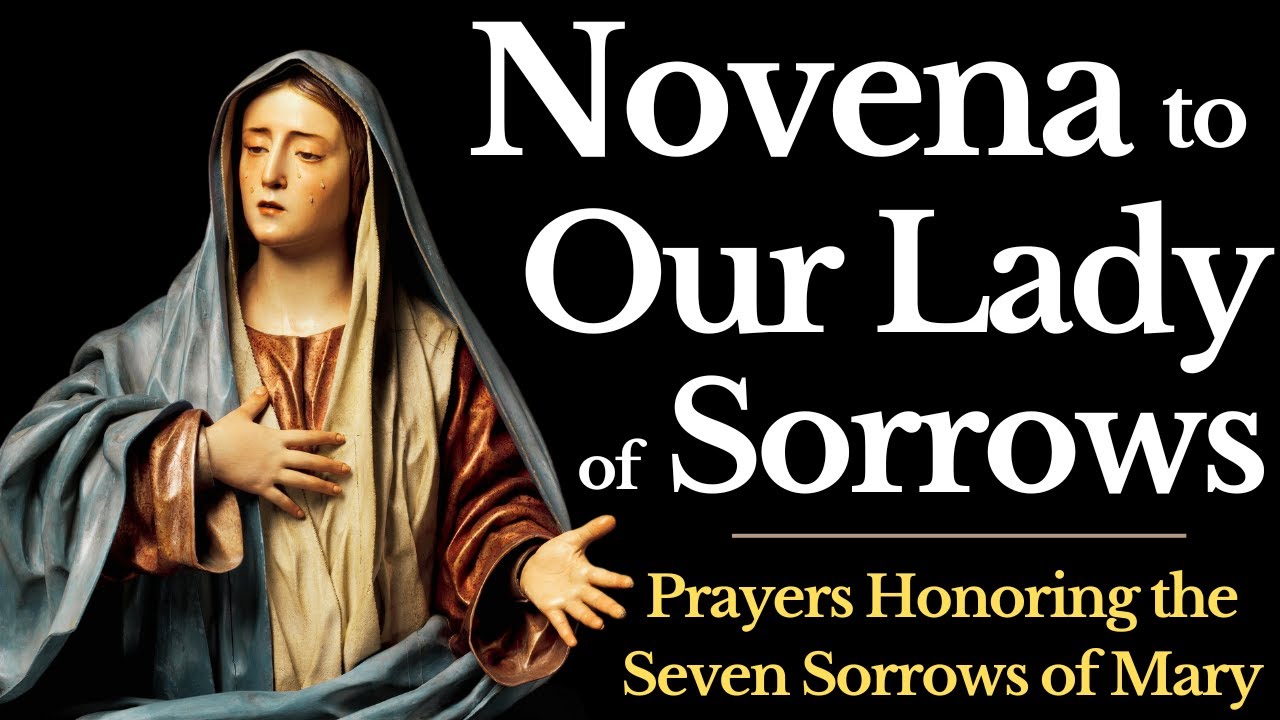
a prayer to our lady of sorrows
A prayer to our lady of sorrows is a gentle but powerful way to draw close to Mary in her compassion, courage, and steadfast faith at the foot of the Cross. Through this devotion, many people find comfort in grief, strength in trials, and renewed hope in Christ. Whether you are exploring Marian devotion for the first time or deepening a long-standing practice, a prayer to our lady of sorrows can help you bring your suffering, confusion, and concerns into a place of grace.
In this article, we will explain what a prayer to our lady of sorrows is, where this devotion comes from, how to pray it in simple, practical ways, and how to avoid common mistakes. We will also offer examples, steps, and helpful resources so you can make this prayer a meaningful part of your daily life.
What is a prayer to our lady of sorrows?
A prayer to our lady of sorrows is a prayer addressed to Mary under the title that honours her “Seven Sorrows” or “Seven Dolours”—key moments of profound suffering she endured as the mother of Jesus. This devotion highlights Mary’s intimate participation in her Son’s redemptive mission, especially at Calvary, and her unique capacity to accompany us when we face pain, loss, or moral difficulty. In essence, a prayer to our lady of sorrows asks for Mary’s intercession so that we may unite our trials with Christ’s Passion and receive the grace to persevere with love.
Historically, the devotion took shape in the Middle Ages, notably through the Servite Order, who promoted meditation on the Seven Sorrows. Over time, it became widely known across the Christian world. Today, many people pray the Chaplet of the Seven Sorrows, recite traditional texts such as the Stabat Mater, or simply speak heart-to-heart to Mary about their needs. At its heart, a prayer to our lady of sorrows is about entering into the mystery of God’s love revealed through suffering and allowing Mary to guide us with tenderness.


The Seven Sorrows: the heart of the devotion
Understanding the Seven Sorrows will deepen any prayer to our lady of sorrows. These seven moments provide a scriptural pathway for meditation and a framework for bringing our own sorrows to God.
- Simeon’s Prophecy (Luke 2:34–35): Simeon foretells that a sword will pierce Mary’s soul.
- The Flight into Egypt (Matthew 2:13–15): The Holy Family flees Herod’s violence, entering exile.
- The Loss of the Child Jesus in the Temple (Luke 2:41–50): Mary and Joseph endure days of anxious searching.
- Mary Meets Jesus on the Way to Calvary (traditional meditation): A mother’s sorrow at seeing her Son suffer, mocked and burdened.
- The Crucifixion and Death of Jesus (John 19:25–30): Mary stands at the foot of the Cross as her Son dies.
- The Taking Down of Jesus’ Body from the Cross (Mark 15:42–46): Mary receives Jesus’ lifeless body, a moment of aching tenderness.
- The Burial of Jesus (John 19:40–42): Finality and silence as Jesus is laid in the tomb.
Many people find it helpful to match each sorrow with a brief passage of Scripture or a short reflection. Doing so gives structure and depth to a prayer to our lady of sorrows, especially when words are hard to find.
When and why to say a prayer to our lady of sorrows
There is no wrong time to pray, but certain moments naturally lend themselves to a prayer to our lady of sorrows. People often turn to Mary under this title during periods of bereavement, illness, family conflict, or anxiety. The devotion can be a lifeline when you cannot see the next step forward. Mary’s example shows that faith is not a denial of pain; it is a way of loving through it.
Liturgically, the Church commemorates Our Lady of Sorrows on 15 September, the day after the Feast of the Exaltation of the Holy Cross. Many also set aside Fridays (especially during Lent) for a prayer to our lady of sorrows as a way to unite their hearts to Christ’s Passion. Yet even a brief daily prayer can create space for healing, reminding you that you are not alone and that your sorrow matters.
Beyond personal needs, a prayer to our lady of sorrows can be offered for others—for those who have lost a child, for caregivers, for victims of violence, for those battling addiction, or for anyone struggling to forgive. In a fragmented world, this prayer invites us to practise solidarity and compassion.
How to pray: simple formats for a prayer to our lady of sorrows
There are many ways to pray, and none require elaborate preparation. Here are approachable formats to guide a prayer to our lady of sorrows, whether you have two minutes or twenty.
A short daily prayer (2–3 minutes)
- Quiet yourself and slow your breathing.
- Say, “Mary, Our Lady of Sorrows, be with me in this moment.”
- Briefly name your sorrow or the person you are praying for.
- Pray a simple request: “Help me stay close to Jesus in this trial.”
- Conclude with “Amen” or a familiar prayer such as the Hail Mary.
Used consistently, this simple structure keeps your heart anchored. Repeating it becomes a steady rhythm—an accessible way to make a prayer to our lady of sorrows part of your day.
A reflective prayer with one sorrow (5–10 minutes)
- Choose one of the Seven Sorrows (for example, the Flight into Egypt).
- Read a few verses from the relevant Gospel.
- Imagine the scene: What did Mary see? How did she feel?
- Connect Mary’s experience to your own situation.
- Ask for a specific grace (courage, patience, forgiveness, hope).
- End with gratitude: “Thank you, Our Lady of Sorrows, for your motherly care.”
This approach offers a focused way to say a prayer to our lady of sorrows that is both scriptural and personal.
The Chaplet of the Seven Sorrows (10–20 minutes)
The Chaplet is a structured devotion in which each sorrow is meditated upon with a short prayer and a set number of Hail Marys. It’s an ideal way to deepen a prayer to our lady of sorrows over time because the repetition helps you linger with each mystery. If you don’t have a chaplet, you can still follow the sequence using any set of beads or simply counting on your fingers.
Praying with Scripture and the Stabat Mater
To nourish your heart and mind, you may incorporate brief readings from the Gospels or the classic hymn Stabat Mater, which contemplates Mary at the Cross. Reading a few lines slowly can focus your intention, helping a prayer to our lady of sorrows become a quiet dialogue with God rather than a list of requests.
A sample prayer you can use
“Our Lady of Sorrows, mother most faithful, you stood by your Son in his darkest hour. I bring to you my own sorrow: [name it quietly]. Teach me to remain with Jesus with courage and trust, even when I don’t understand. Help me to forgive, to persevere, and to hope. Hold me in your mantle as I wait for God’s light to break through. Amen.”
Feel free to adapt this text to your circumstances. Personalising a prayer to our lady of sorrows can make it feel more authentic and consoling.
Tips for a meaningful prayer to our lady of sorrows
- Keep it simple. If you feel overwhelmed, a heartfelt sentence can be enough for a prayer to our lady of sorrows.
- Be honest. Mary can handle your confusion, anger, or doubts; sincerity invites grace.
- Link prayer to daily actions. Offer small sacrifices—patience in traffic, kindness to a colleague—as part of your intention.
- Pray for others. A prayer to our lady of sorrows naturally expands your compassion; include those who suffer invisibly.
- Use reminders. Set a gentle phone alert or keep a small image of Our Lady of Sorrows where you’ll see it.
- Notice growth. Keep a journal of intentions and graces to see how prayer shapes your responses over time.
Common mistakes and how to avoid them
One mistake is thinking you need to “feel” holy to offer a prayer to our lady of sorrows. Prayer is not a performance; it is a relationship. Pray as you are, even tired or distracted. Another mistake is focusing only on your own pain. Healthy devotion keeps Christ at the centre, with Mary guiding you towards love and service.
Some people fear that honouring Mary detracts from Jesus. Authentic devotion does the opposite: Mary always points to her Son. In practice, a prayer to our lady of sorrows leads you to the Cross and Resurrection of Christ, strengthening your discipleship. Finally, avoid rushing through words. A brief but attentive prayer is often better than a long, distracted one.
Examples and intentions you can bring to a prayer to our lady of sorrows
Real life brings countless reasons to pray. Here are examples of intentions you might include in a prayer to our lady of sorrows:
- Grief and bereavement: “Comfort our family as we mourn. Teach us to hope in the Resurrection.”
- Mental health: “Be near me in anxiety and depression. Help me seek support and persevere.”
- Family conflict: “Bring peace to our home; soften hearts and heal long-standing wounds.”
- Caregiving: “Grant me patience and strength as I care for my loved one.”
- Victims of violence or injustice: “Intercede for the vulnerable and those who feel forgotten.”
- Forgiveness: “Help me forgive what feels unforgivable, as Jesus forgives me.”
- Decision-making: “Show me the next right step and the courage to take it.”
When you make a prayer to our lady of sorrows, it can also be helpful to connect with the communion of saints. For example, learning more about angelic protection can deepen your trust; see this accessible overview of Michael the Archangel. Likewise, understanding the breadth of Christian traditions can broaden your perspective on devotion and prayer practices; this brief Eastern Orthodox Church overview offers helpful context.
Recommended external resources
- For background, history, and iconography, see the Wikipedia article on Our Lady of Sorrows.
- For a structured devotional practice, the USCCB guide to the Seven Sorrows of Mary outlines the chaplet and related prayers.
- For a broader framework on popular piety and Marian devotion, consult the Vatican’s Directory on Popular Piety and the Liturgy.
- For reflections and practical aids, EWTN provides a clear overview of the devotion at Seven Sorrows Devotion.
Related articles
Frequently asked questions about a prayer to our lady of sorrows
Do I need special beads or a booklet to pray this devotion?
No. While the Chaplet of the Seven Sorrows uses a particular format, you can say a prayer to our lady of sorrows with no tools at all. A simple, sincere prayer—spoken in your own words—is entirely valid and valuable.
Is this devotion only for Catholics?
Devotion to Mary is a longstanding practice in the Catholic Church, but people from many Christian backgrounds appreciate Mary’s example of faith and courage. If you are not Catholic, you can still say a prayer to our lady of sorrows by asking Mary to pray for you and guide you closer to Jesus.
How often should I say a prayer to our lady of sorrows?
There is no fixed rule. Some pray daily, others weekly, or during specific seasons like Lent. Start small—a short daily prayer—and adjust as it supports your spiritual life and schedule.
What if I feel nothing when I pray?
That is normal. Prayer is not measured by feelings. Faithfulness matters more than emotion. Continue offering a prayer to our lady of sorrows with trust; often the fruits—patience, compassion, resilience—appear gradually.
Can I pray this for someone else?
Yes. Interceding for others is central to this devotion. You can lift up anyone in need: a grieving friend, someone ill, a strained relationship, or people affected by tragedy. A prayer to our lady of sorrows offered for others is an act of love.
How do I include Scripture without making prayer complicated?
Choose one sorrow and read a few lines from the relevant Gospel. Sit quietly for a minute and ask Mary to help you notice what matters. Then offer your intention. This makes a prayer to our lady of sorrows both simple and scriptural.
Conclusion on a prayer to our lady of sorrows
A prayer to our lady of sorrows is a trustworthy companion in seasons of pain and uncertainty. Rooted in Scripture and tradition, it honours Mary’s steadfast love at the Cross and invites her motherly intercession for our needs. You do not need elaborate plans, only a willing heart and a few honest words.
Whether you use the Chaplet, meditate on a single sorrow, or whisper a brief request during a busy day, a prayer to our lady of sorrows can help you stay close to Jesus and grow in compassion for others. Over time, this devotional path strengthens courage, softens resentment, and nurtures hope.
If you feel drawn to begin, start today with one simple intention. Offer a prayer to our lady of sorrows for yourself or someone you love. Trust that Mary, who knows suffering intimately, will guide you towards Christ’s healing love and the quiet resilience you need.
